Welcome to Modern Agriculture!

In our previous post, we made our way through agricultural terms part 1 beginning with the letters A–E. In our continued quest to explore the practice of farming, we’ll take you through letters F–L. Join us as we continue to learn about agriculture through the alphabet.
Farming tools are implements used to perform agricultural tasks, ranging from simple hand tools like hoes or sickles to mechanized agriculture equipment such as seed drills and harvesters.
Farming tools support daily work on all scales—from home gardens to large commercial farms. They are used for soil preparation, planting, irrigation, cultivation, and harvesting.
Farming tools improve labor efficiency, reduce manual strain, and support precision farming in both traditional and modern operations.
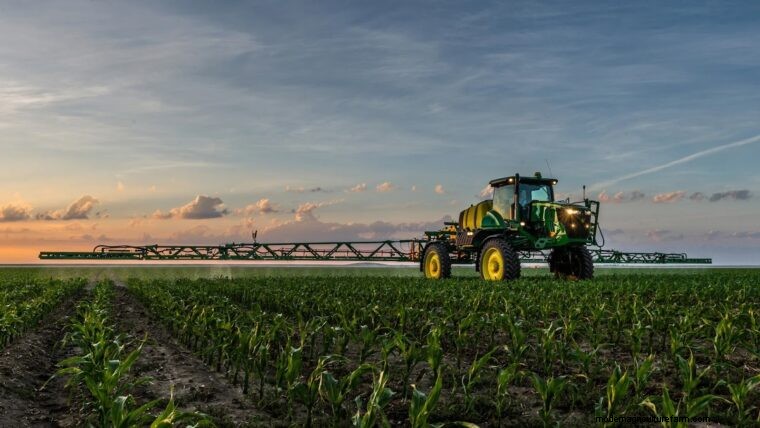
Fertigation is the practice of delivering fertilizers, soil amendments, or nutrients through an irrigation system to nourish crops efficiently.
Fertigation is common in large-scale row crop, orchard, and greenhouse production where irrigation is already in place, such as in California and the Midwest.
This method reduces fertilizer waste, limits runoff, and ensures nutrients reach plant roots exactly when needed, helping improve yields and conserve water.
Field capacity is the level of soil moisture remaining after excess water has drained, usually within two to three days of rainfall or irrigation in well-drained soil. It marks the maximum amount of water the soil can store for plants.
Farmers use field capacity to schedule irrigation, reduce drought stress, and manage water use in row crops, orchards, and grazing systems. It is especially important in regions with limited water resources, such as California’s Central Valley and the semi-arid Midwest.
Knowing field capacity helps avoid overwatering, limits nutrient loss through runoff, and supports strong root development by maintaining moisture levels that match crop needs.
A foodshed is the geographic area that produces food for a specific population — including farms, transportation routes, distribution centers, and retail markets.
Local governments, researchers, and food policy groups analyze foodsheds to improve access to locally grown food, identify gaps in supply chains, and support regional food system resilience.
Foodsheds support food security, reduce transportation emissions, and promote sustainable food systems across rural and urban areas.
Free range refers to a method of raising livestock where animals are allowed to roam outdoors, rather than being confined to cages or barns.
Free range systems promote healthier animals, reduce stress, and align with ethical farming standards. They also meet growing consumer interest in humane, transparent food production.
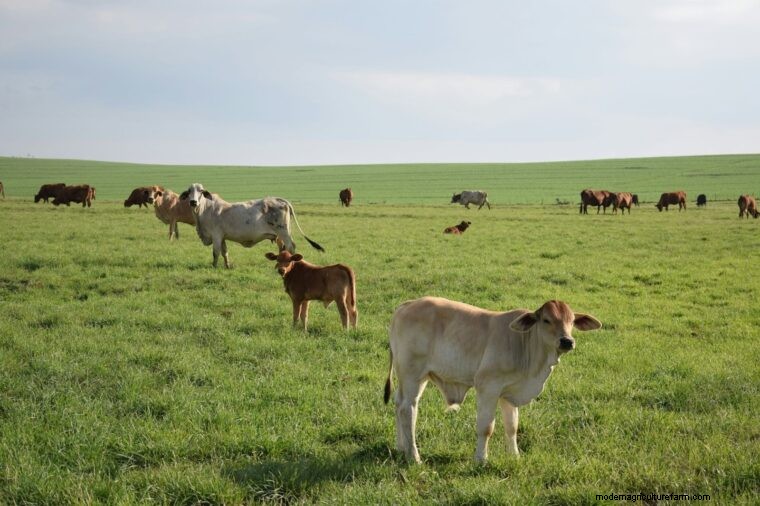
Grass tetany is a metabolic disorder in cattle and sheep caused by low magnesium levels, often triggered by grazing on fast-growing, lush spring pastures.
If untreated, grass tetany can lead to muscle spasms, reduced milk production, or even death. Prevention through mineral supplementation is critical during the spring flush when magnesium levels in forage are especially low.
Grazing is the act of livestock feeding on grasses or other vegetation, either in open pastures or managed grazing systems.
Grazing is a foundational practice in cattle operations across the country, especially in Texas, Kansas, and Wisconsin. It ranges from continuous pasture access to rotational and intensive grazing methods.
Well-managed grazing improves forage utilization, supports animal health, and lowers feed costs. It also helps maintain soil structure, promote nutrient cycling, and reduce erosion when practiced as part of a rotational system.
Globalization in agriculture refers to the international integration of markets and trade for agricultural goods, services, and technologies.
Global trade influences crop prices, equipment availability, and farm policy. U.S. farmers are directly impacted by trade agreements, export demand, and global supply chain dynamics.
While globalization opens access to international markets and innovation, it also increases exposure to global competition, price volatility, and supply disruptions.
Growing season is the period during the year when climate and soil conditions support active plant growth and crop development.
In most regions, growing seasons start in early spring — typically March or April. Timing differs by crop, with corn, soybeans, cotton, and spring wheat all having specific planting and harvest windows.
The growing season determines planting windows, harvest timing, and overall farm productivity. Shifts in temperature and precipitation patterns can significantly alter this critical timeline.
Harvesting is the process of gathering mature crops from the field. It marks the completion of the growing cycle and is critical to agricultural success.
On large farms across the Midwest and Plains, harvesting is typically done with specialized harvesting equipment and used combines. Smaller operations may rely on more manual methods or smaller-scale harvesters.
Well-timed harvests preserve crop quality, reduce field losses, and protect yield. Efficiency at this stage directly impacts storage value, profitability, and operational success.
A hay buck is a stacked pile of baled hay. The process of hay bucking refers to manually lifting and arranging these heavy bales for transport or storage, without specialized equipment such as bale spears and hay tedders.
Manual hay bucking is still common on small and mid-sized farms, especially in livestock operations where feeding and moving hay is done by hand or with minimal equipment.
Stacking and transporting hay bales by hand ensures animals have access to stored forage, but it demands physical labor, good technique, and safety awareness to manage heavy loads effectively.
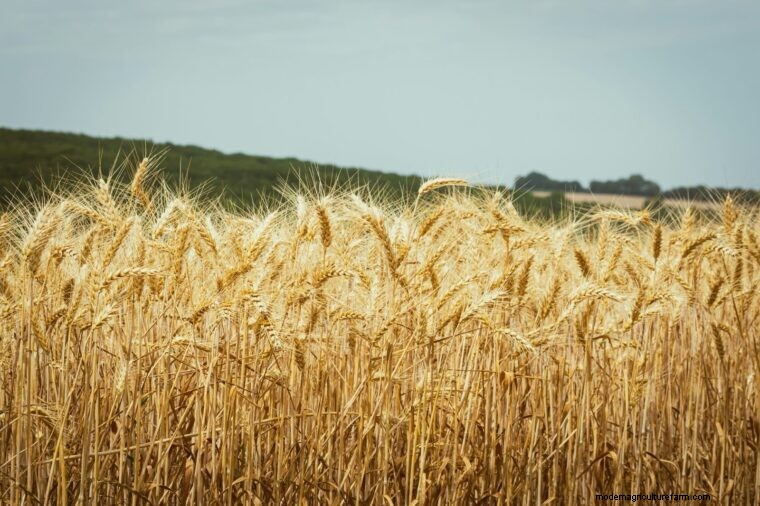
A headland (also called a turn-row) is the area at the end of a crop row where machinery turns during field operations. It’s typically harvested first to avoid crop damage from equipment.
Headlands are standard in mechanized farming, especially in corn, soybean, and small grain production. They provide the necessary space for tractors, sprayers, and harvesters to turn and line up for the next pass.
Designated headlands help prevent crop trampling, reduce yield loss, and improve operational flow during planting, spraying, and harvesting.
Hydroseeding is a planting process that sprays a slurry of seed, mulch, fertilizer, and water onto the ground to quickly establish vegetation.
This method is commonly used by landscapers, construction crews, and conservation teams. It’s ideal for erosion-prone areas such as roadside banks, job sites, and hillsides. In remote or rugged terrain, helicopters may apply hydroseed over large areas.
Hydroseeding promotes fast, uniform vegetation growth. It helps stabilize soil, prevent runoff, and reduce dust while offering a cost-effective solution for large-scale or hard-to-reach projects.
Irrigation is the artificial application of water to soil or land to support crop and plant growth. It includes systems like sprinklers, drip lines, and pivots.
Farmers rely on irrigation in dry regions like California’s Central Valley, the Great Plains, and arid parts of the Southwest. It’s also widely used in turf care and landscape management across residential and municipal areas.
Irrigation ensures crop survival and productivity in areas with limited or unpredictable rainfall. It helps conserve water, stabilize yields, and support food production during drought or dry spells.
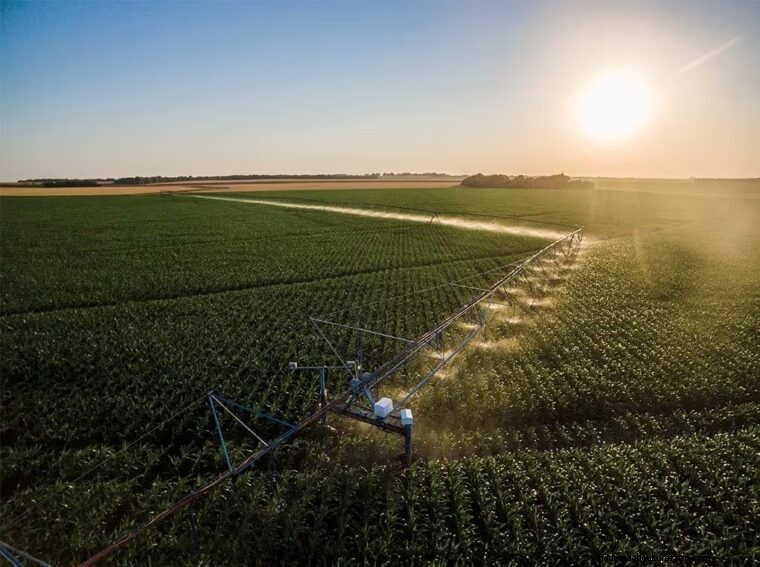
Industrial crops are crops grown not for food, but for non-edible uses such as fiber, oil, rubber, chemicals, biofuel, waxes, or dyes.
Common in regions like the Southeast and Midwest, industrial crops include cotton, hemp, switchgrass, and sorghum. These are harvested for textile production, renewable fuels, and industrial inputs.
They expand farm income, reduce reliance on food-only markets, and power essential industries like construction, fashion, and energy. Many also contribute to sustainability goals through renewable resource use.
Intensive farming involves maximizing production per acre through high labor or machinery use, limited fallow periods, and heavy inputs like fertilizers and pesticides.
Intensive farming is used in poultry, dairy, and specialty crop operations — especially in California, North Carolina, and the Midwest. These systems often involve greenhouse production, confined animal feeding, or high-density field layouts.
High-input farming supports food production for growing populations while using less land. However, it also brings up challenges around environmental impact, input dependency, and animal welfare—fueling debates on long-term sustainability.
Intercropping is the practice of growing two or more crops together in the same field to maximize space, control pests, or improve soil health.
Intercropping is used in regenerative farming systems, particularly in small- to mid-sized farms experimenting with polycultures, such as pairing legumes with cereals.
This approach improves land use efficiency, supports biodiversity, and encourages natural pest suppression — making it valuable for farms focused on resilience, input reduction, and ecological health.
In agriculture, land refers to the area used for crop cultivation and livestock grazing, including arable land, permanent crops (like orchards), and pastures, as classified by the UN FAO.
Agricultural land use depends on location. In the U.S., corn dominates Iowa’s arable acres, vineyards thrive in California’s valleys, and cattle graze across Texas rangeland — each shaped by climate, soil, and market needs.
Land determines what crops can be grown, how livestock systems are managed, and how farms are organized. It also influences everything from irrigation and equipment use to crop rotation and sustainability strategies.
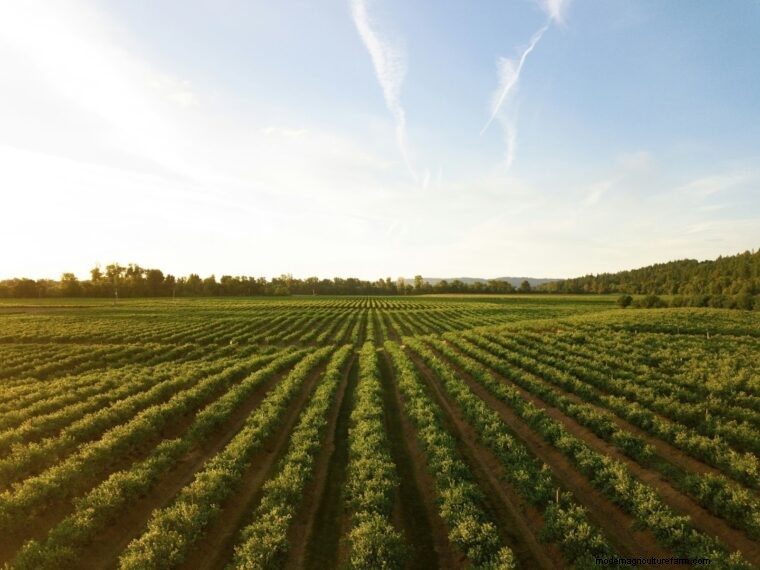
Land suitability classification is the process of evaluating land to determine whether it’s appropriate for specific uses like crop production, grazing, or infrastructure.
Land is evaluated by farm planners, USDA conservation programs, and engineers to assess soil quality and determine the most efficient use of the land.
Proper classification helps avoid poor land investments, reduces erosion risk, and matches land capability with sustainable production. It supports both productivity and long-term conservation.
Ley farming is a rotational system where land alternates between growing cash crops and resting with grass or cover crops to restore soil fertility — also known as alternate husbandry.
Ley farming is applied in regenerative systems or small-scale operations using clover or ryegrass to improve soil health between corn or grain cycles.
By alternating crops with rest periods, ley farming systems reduce the need for synthetic inputs, prevent erosion, and rebuild organic matter. This approach improves long-term soil fertility and supports more resilient yields.
Living mulch is a type of cover crop grown alongside or under a primary crop to protect soil, suppress weeds, and regulate temperature.
Living mulch is common in no-till vegetable operations and sustainable corn or soybean systems. Farmers often use white clover, ryegrass, or vetch to create a living ground cover without competing heavily with cash crops.
Living mulch lowers erosion risk, limits weed growth without herbicides, and enhances soil structure and moisture retention. This supports long-term fertility and cuts input costs in conservation-based systems.
From industrial crops to living mulch and everything in between, agriculture is a dynamic, evolving field. Our glossary of farming terms helps you navigate that complexity with clarity and confidence.