
Welcome to Modern Agriculture!


Glen is an exceptional gardener with over 15 years of hands-on experience in garden maintenance, design, and landscaping services. When he’s not working on beautifying a client’s garden, he is busy creating helpful content for this blog.
Latest posts by Glen Chandler (see all)
💥 Quick Answer
**Overwatering peperomias can lead to root rot and yellow leaves, but saving them is possible by letting the soil dry, removing damaged roots, and adjusting watering habits.**
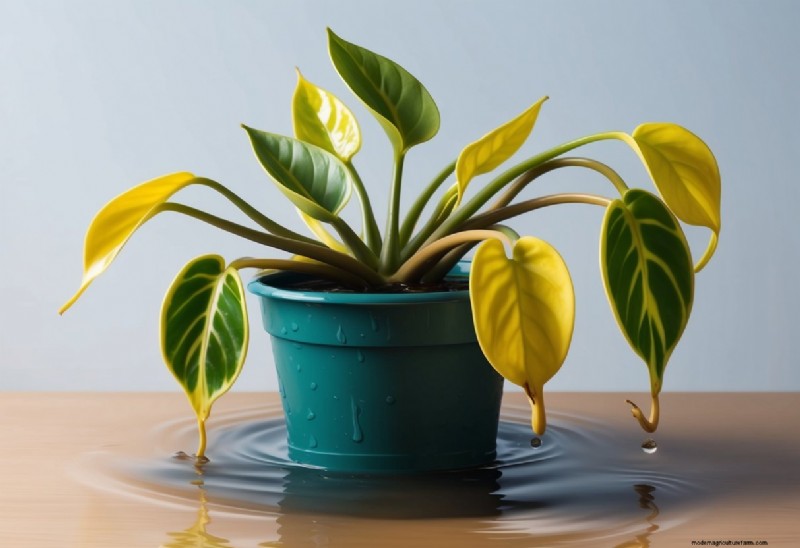 Overwatered peperomia wilting in a soggy pot, yellowing leaves drooping”>
When it comes to plants, I’ve been the overzealous waterer more times than I’d like to admit. Peperomias are like the Goldilocks of houseplants—they don’t want too much, nor too little, just the right amount of water. 🌱
I remember the first time I noticed those dreaded yellow leaves. My peperomia looked sad, droopy, and downright pitiful. It was clear that I had overdone it with my watering can.
One might think that more water means a happier plant, right? Wrong! Too much love can sometimes drown these poor peperomias. They prefer to dry out a bit between waterings. Overwatering is like inviting pests and disease for a party in your plant’s pot. Who would want that?
Naturally, my priority was saving my green buddy, so I did some research and found the tricks to fix my mistake. Here’s what I learned and what you can do to bring your peperomia back to life. 🌸
Getting a grip on the situation wasn’t as bad as I thought.
Remember, if your peperomia seems under the weather, start by letting it dry out and trimming the damaged roots. In many cases, it’s not too late to turn things around. Think of it more like a little plant CPR—your peperomia can spring back to life with a bit of care and attention. 👩🏻🌾
Adding these practices to your plant care routine will ensure they stay healthy and happy in the long run. 🍀
Overwatering is a common issue for these plants, leading to problems like yellowed leaves and rotted roots. Knowing what signs to look for and how to assess the situation can help prevent long-term damage. 🌱
When I see my Peperomia looking sad, it’s time to check for these telltale signs:
Yellow Leaves: This is often the first sign. The leaves lose their vibrant green and start looking almost like faded through a yellow tint.
Mushy Stems: Stems feel soft rather than firm. If you squeeze the stem gently and it’s mushy, that’s overwatering speaking.
Brown Spots: Look out for dark, soggy patches on the leaves. They often mean root rot is settling in.
Drooping and Curling: Leaves stop looking lively and start behaving like wet spaghetti. Droopy and curling leaves are unhappy campers.
Fungal Diseases: Things like leaf spot and stem rot can hitch a ride on the overwatering express.
Connecting the dots back to my actions, here’s what often goes wrong:
Frequent Water Schedules: We think more water = more growth. Quite the opposite, really. Peperomias enjoy drinking responsibly.
Poor Drainage: Using soil that doesn’t drain or pots without holes is like putting them in a bath they can’t escape from.
Cool Environments: If it feels like sweater weather, my Peperomia probably needs less, not more, water.
Miscalculating Humidity: I remember this: Higher humidity doesn’t mean more water is needed. Peperomias will suck moisture from the air like little sponge plants.
Here’s what I do when things look bad:
Check the Soil: I stick a finger in it. If it’s soggy and sticks to my skin, it’s a warning.
Look Under the Hood (Roots): Gently pull from the pot and inspect the roots. Healthy roots should be white. Black or brown roots? Sounds the alarm for rot.
Leaf Check: I remove damaged leaves to help the plant focus energy on new growth. Anyone would wilt under too much stress!
Watch and Wait: Sometimes patience is the best medicine. Let the soil dry and watch for any improvement. 🌻
Overwatering your peperomia can lead to unhealthy plants with yellow leaves and root rot. To keep your plants happy and thriving, it’s important to focus on watering techniques, soil management, and ensuring the right light and humidity levels.
I’ve found that balancing water for peperomias is key. Overwatering is a common problem, so it’s best to let the soil dry out between waterings. Check the top inch of soil with your finger. If it feels dry, it’s time to water.
A consistent watering schedule helps prevent waterlogging. I recommend watering every 1-2 weeks. Adjust this based on the season’s temperature—as they say, “When in doubt, leave it out!” Remember, less is more when it comes to watering. 🌱
The right soil can work wonders for these lovely houseplants. I use a potting mix with perlite to improve drainage. This keeps roots from sitting in water, which is a big no-no for preventing rot. Drainage holes in the pot are essential so excess water can escape.
You might consider a mix of peat-based soil and perlite. This makes sure the soil isn’t too compact, allowing air to reach the roots. Every six months or so, check if the soil is still draining well. If you notice moisture lingering, it’s high time for a soil update. 🍄
Peperomias love their indirect sunlight. Placing them near a bright window but out of direct sun works like magic. My plants thrive in a spot where they get plenty of filtered light, without the risk of leaf burn. 🌞
Humidity is just as important. I use a humidity meter to make sure levels are comfortable for these tropical plants. If you live in a dry area, a humidifier can help simulate their natural environment. Peperomias aren’t too picky about humidity, but they do appreciate a bit of moisture in the air. This way, your green buddies will stay perky and full of life without any fuss. 🍃
Overwatered peperomia plants can be saved with the right steps and a bit of dedication. Key tactics include addressing root rot and ensuring proper soil moisture. Let’s dive into practical actions to bring your leafy friend back to health.
First things first: stop watering! This seems like a no-brainer, but you’d be surprised how many folks keep on pouring. It’s crucial to let the soil dry out properly. You might want to get a moisture meter—it takes out the guesswork. Droopy leaves can be pruned to help the plant focus its energy elsewhere. Think of it like giving your peperomia a haircut. 🐌
If your plant’s roots smell funky, fungal infections could be brewing. That’s your cue to take action. Make sure there’s good air circulation around the plant to prevent moldy soil. Trust me, your plant will breathe a sigh of relief. 👨🏻🌾
Repotting time! Gently lift the plant out and check those roots. If they’re brown and mushy, snip them off. Be brutal; they won’t recover. 💪 Fresh soil is your best friend. Choose a well-draining mix to let excess water out and fresh air in. This reduces the risk of root rot and waterlogging.
Keep an eye out for fungal infections. If you spot any suspects, spray some fungicide. The fresh soil also helps fight these tiny invaders. Remember, this repotting will give your peperomia a fresh start, like moving to a new home. 🌱
Congratulations, your peperomia is on the mend! From here, be gentle with watering. Think of it as a thirsty friend who doesn’t need another drink yet. 😜 Use a moisture meter and water only when the soil feels dry. The leaves should regain their firmness, signaling a successful recovery.
Watch for any sneaky spots or moldy patches that might show up again. If leaf drop happens, don’t stress—it’s normal as the plant gets back its groove. In time, it will be vibrant and happy, waving its leaves proudly again. 🌿
Peperomias can face issues like pest infestations and fungal diseases, which can stunt growth and damage the plant. Understanding the signs of these problems and how to manage them ensures a healthier plant.
Pests can sneak up on a plant like a thief in the night. They love hiding and munching away. In my experience, the usual suspects are mealybugs, aphids, and spider mites.
Look for tiny webs or small white cotton-like spots on petals and stems. These spots are usually from mealybugs or spider mites. I always try using a magnifying glass to spot any bugs on the leaves and stems.
In my garden, I use a mixture of soapy water for light infestations. It’s a simple but effective technique to wash away these pesky critters.
Fungal infections can be tricky. They thrive when moisture levels run high. Have you ever noticed brown or black spots on leaves? That’s a classic fungal problem. Root rot is more hidden, lurking below the soil line where you can’t see it.
Fungal diseases like Cercospora and Phyllosticta can cause spots that distort the lovely look of your plant. In the past, I’ve found trimming away infected leaves with sharp scissors can prevent the spread. And remember to use fresh potting soil when repotting to avoid any fungal spread.
Mildew and mold can grow like an uninvited guest. They usually show up as a white powdery film on leaves.
Funny thing is, mold loves places that are dark and damp, just like some unwanted relative that overstays their welcome.
In my experience, improving air circulation can work wonders. A gentle fan might help the leaves dry out faster.
Avoiding soggy soil keeps mildew at bay. Watering less and ensuring soil drainage is key. You wouldn’t want to turn your peperomia into a swampy mess. 🍄🍃
Keeping an eye out for these issues can keep your peperomia healthy and thriving, even in the face of adversity. 🌿


