
Welcome to Modern Agriculture!


Evergreen Seeds your trusted ally in your gardening journey. We offer solutions to common problems, advice on designing beautiful gardens, and insights into plant care. We love gardening and we want to share this love with you. Join our dynamic garden community.
Latest posts by Evergreen Seeds (see all)
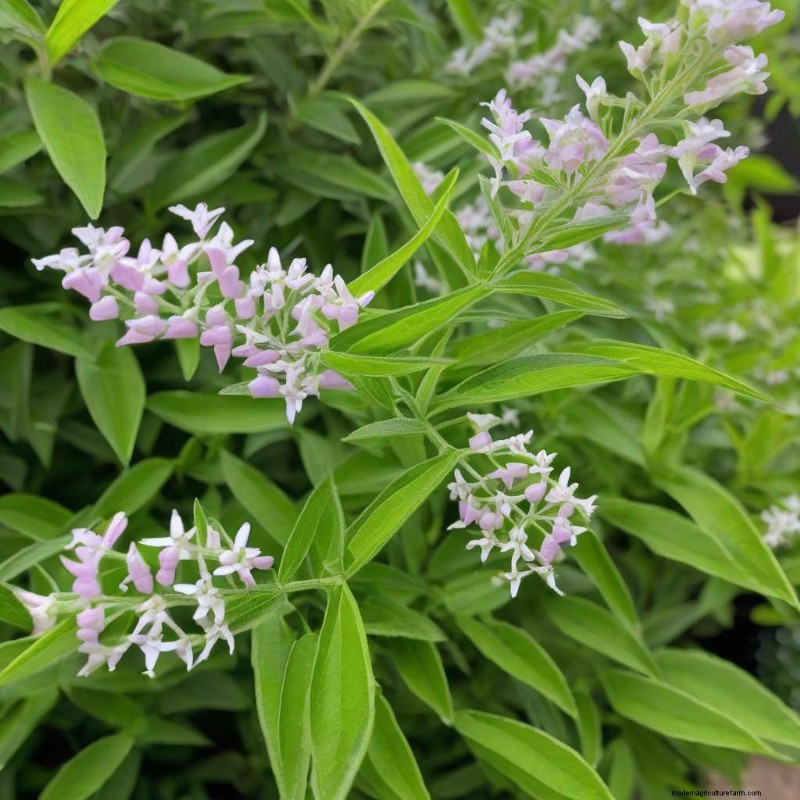
I’ve always been fascinated by Lemon Verbena 🌿, a fragrant herb that adds a burst of citrus flavor to teas and desserts. Growing up in a garden filled with herbs, I learned that understanding a plant’s growth habits is key to successful cultivation.
Lemon Verbena can grow between 3 to 10 feet tall, making it a versatile addition to any garden in USDA Zone 9b. Let’s explore what affects its height and how to care for it.
📈 Growth Over Time
2 ft
Year 1
4 ft
Year 2
6 ft
Year 3
6-10 ft
Mature
Lemon verbena is a popular herb known for its delicate lemon fragrance and beautiful appearance. Understanding its growth habits is crucial for proper care and maintenance. I’ve found that lemon verbena can grow quite tall, making it a great addition to gardens and landscapes.
The height of lemon verbena plants can vary significantly based on several factors. On average, these plants can grow between 3 to 10 feet tall. This range allows for flexibility in garden design and placement. Let’s explore the factors that influence this growth.
The growth habits of lemon verbena are influenced by various environmental and cultural factors. Sunlight and soil quality play significant roles in determining the plant’s height. In ideal conditions, with full sun and well-draining soil, lemon verbena can reach its maximum height potential.
Pruning is another critical factor that affects the height of lemon verbena. Regular pruning not only helps maintain a desired height but also promotes healthy growth and encourages the plant to become bushier. I recommend pruning your lemon verbena in early spring to shape the plant and remove any dead or damaged branches 🌿.
Lemon verbena’s growth is also influenced by its hardiness zone. In USDA Zone 9b, where I have experience growing this herb, it thrives during the warmer months. Protecting the plant from frost is essential, as it is sensitive to cold temperatures. During winter, it’s best to bring potted lemon verbena indoors or provide adequate protection if it’s planted in the ground.
In addition to pruning and protection from frost, proper watering and fertilization practices contribute to the overall health and height of lemon verbena. Ensuring the soil remains moist but not waterlogged and feeding the plant with a balanced fertilizer during the growing season can support its growth.
For gardeners looking to maintain a specific height, regular monitoring and pruning are key. Lemon verbena can be trained as a shrub or even grown in containers, making it a versatile choice for various garden designs. Its fragrant leaves and attractive appearance make it a valuable addition to any herb garden.
By understanding and managing the factors that influence lemon verbena’s height, gardeners can enjoy this herb’s many benefits. Whether you’re looking to cultivate a compact plant or a taller specimen, lemon verbena is a rewarding choice that adds beauty and fragrance to your garden.
In my experience, the key to successfully growing lemon verbena is providing the right conditions and regular care. With its delightful lemon scent and attractive foliage, this herb is sure to be a favorite in your garden for years to come 🌿.
Lemon verbena’s height is influenced by several key factors that gardeners can manage to achieve their desired plant size. Understanding these factors is crucial for maintaining a healthy and productive plant 🌿.
Environmental conditions play a significant role in determining lemon verbena’s height. The plant thrives in full sun and well-draining soil, which are essential for optimal growth. In areas with poor soil quality, amending the soil with organic matter can improve drainage and fertility.
💡 Pro Tip
For optimal height management, prune your lemon verbena in early spring. This encourages bushy growth and helps maintain a desired height.
Pruning techniques are vital for controlling lemon verbena’s height. Regular pruning not only maintains the plant’s shape but also promotes healthy growth. I recommend pruning your lemon verbena annually to remove dead or damaged branches and to shape the plant.
Cultivation practices, such as watering and fertilization, also impact lemon verbena’s growth. Ensuring the soil remains moist but not waterlogged and feeding the plant with a balanced fertilizer during the growing season can support its growth and overall health.
In my experience, understanding and managing these factors is key to successfully growing lemon verbena. By providing the right conditions and regular care, gardeners can enjoy this herb’s many benefits, including its delightful lemon scent and attractive foliage 🌿.
For gardeners in USDA Zone 9b, protecting lemon verbena from frost is essential, as it is sensitive to cold temperatures. During winter, it’s best to bring potted lemon verbena indoors or provide adequate protection if it’s planted in the ground.
By combining proper environmental conditions, pruning techniques, and cultivation practices, gardeners can effectively manage their lemon verbena’s height and enjoy a thriving, fragrant herb garden.
Pruning and training are essential techniques for maintaining the desired height and promoting healthy growth in lemon verbena. By pruning regularly, you can control the plant’s size and shape, encouraging it to become bushier and more productive 🌿.
Remove dead or damaged branches and shape the plant to maintain desired height.
Regular pruning encourages bushy growth and helps maintain a compact shape.
Regularly check the plant’s height and adjust pruning as needed to maintain desired size.
By following these pruning and training techniques, you can effectively manage your lemon verbena’s height and enjoy a thriving, fragrant herb garden. Regular care and attention will ensure your plant remains healthy and productive for years to come 🌿.
In my experience, the key to successfully growing lemon verbena is providing the right conditions and regular care. With its delightful lemon scent and attractive foliage, this herb is sure to be a favorite in your garden.
Proper pruning not only controls the height but also promotes healthy growth and encourages the plant to become bushier. I recommend pruning your lemon verbena annually to remove dead or damaged branches and to shape the plant.
1
Lemon verbena can reach its maximum height of 10 feet when grown in ideal conditions with full sun and well-draining soil. Proper care and regular pruning also contribute to its maximum height potential. With optimal conditions, it can become a beautiful and fragrant addition to any garden .
2
Several factors influence lemon verbena’s height, including sunlight, soil quality, pruning techniques, and cultivation practices. Ensuring the plant receives adequate sunlight and water, and using proper pruning methods can help manage its height effectively. Regular care is essential for healthy growth .
3
Prune your lemon verbena annually in early spring to maintain a desired height and promote healthy growth. Regular pruning encourages bushy growth and helps control the plant’s size. Remove any dead or damaged branches during pruning to keep the plant healthy and thriving .


