
Welcome to Modern Agriculture!


Evergreen Seeds is your trusted partner in gardening. We provide solutions to common challenges, design advice, and plant‑care insights. Join our community and grow your passion.
Struggling to find plants that flourish in dry, shaded areas? This curated list of ten resilient species will help you create a stunning garden even in the toughest conditions.
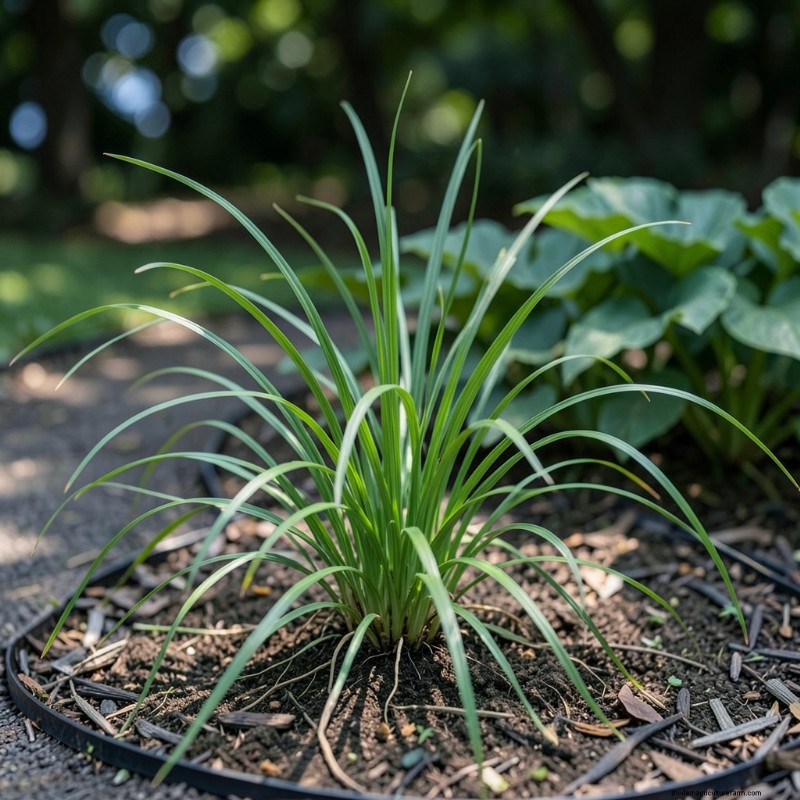
Japanese Forest Grass is a low‑maintenance perennial that thrives in dry shade, adding a lush, vibrant texture. Its graceful arching blades and color range—from bright greens to golden fall hues—make it ideal for beginners and adaptable to various soils.
Incorporating this grass lets you enjoy a beautiful landscape without constant upkeep, creating a peaceful retreat in your yard.
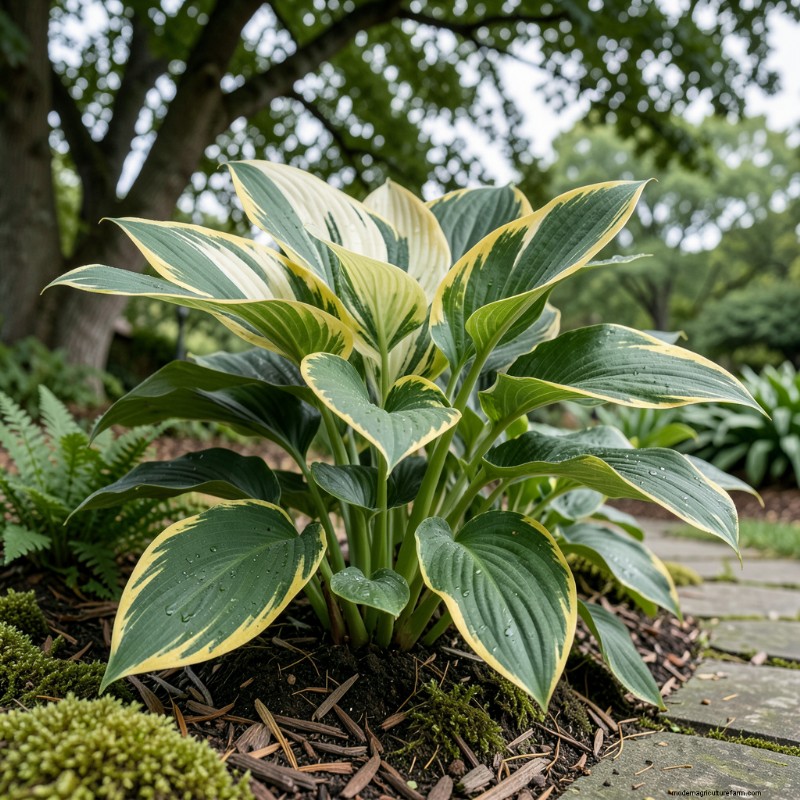
Hostas bring striking foliage in multiple sizes and colors, thriving in low light and adding depth to any design. Their low‑maintenance nature and soil versatility make them perfect for busy gardeners. Use them in clusters or as stand‑alones for a rich visual appeal.
Adding hostas brightens dull areas and offers a vibrant, inviting atmosphere.
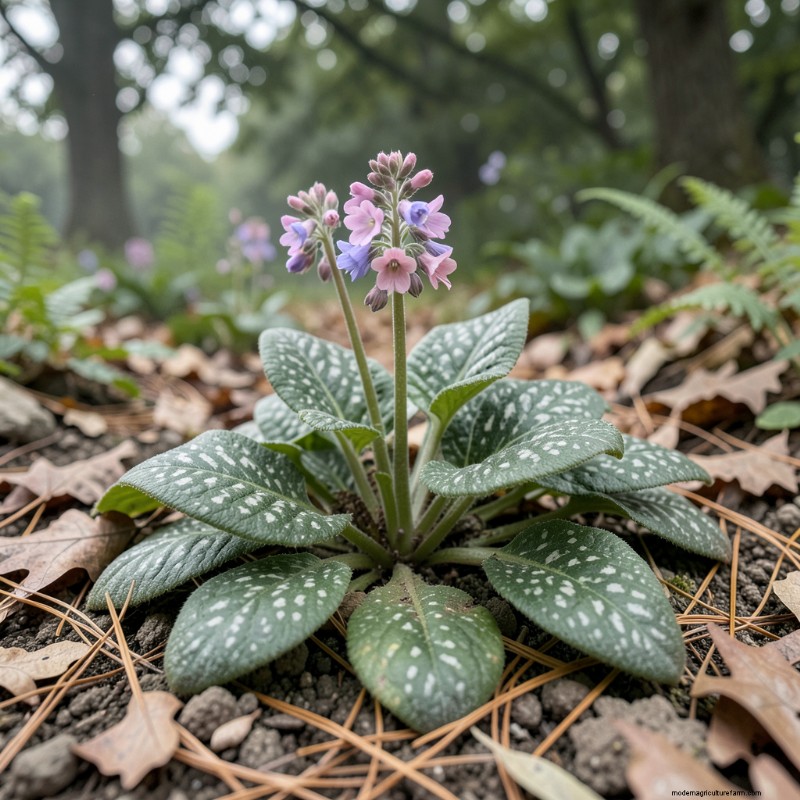
Lungwort is a hardy ground cover that flourishes in low light, showcasing pink and blue blooms and spotted leaves. Its carpet‑like foliage suppresses weeds and adds texture, making it ideal for challenging spots.
It transforms shaded spaces into vibrant retreats that attract pollinators.
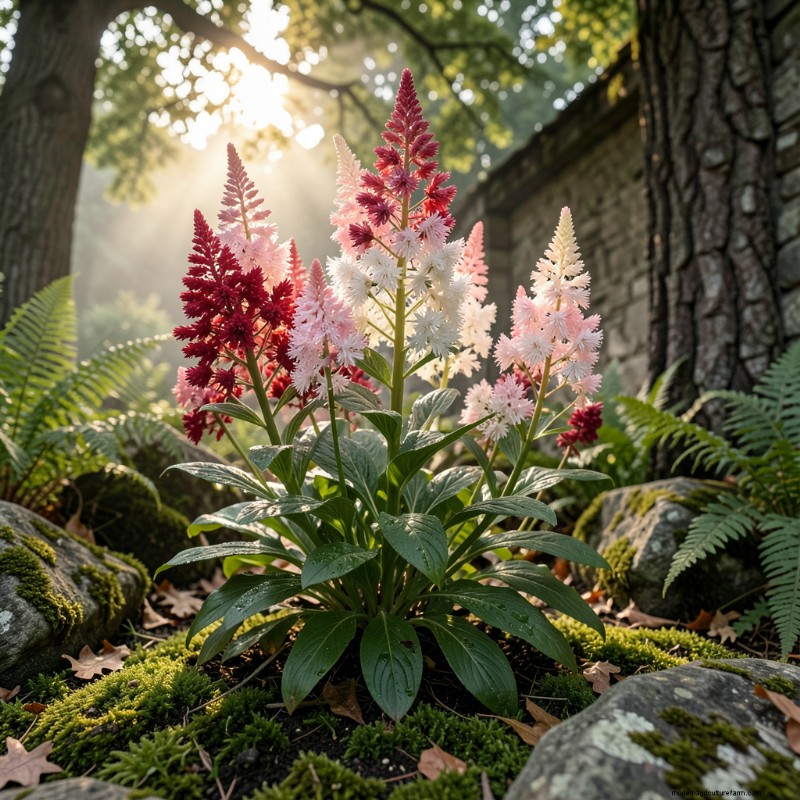
Astilbe offers feathery flower spikes in pink, white, or red, brightening even the darkest corners. Preferring moist, well‑drained soil and partial to full shade, it attracts pollinators and provides lush foliage when not in bloom.
It’s a lively, low‑effort addition to any garden.
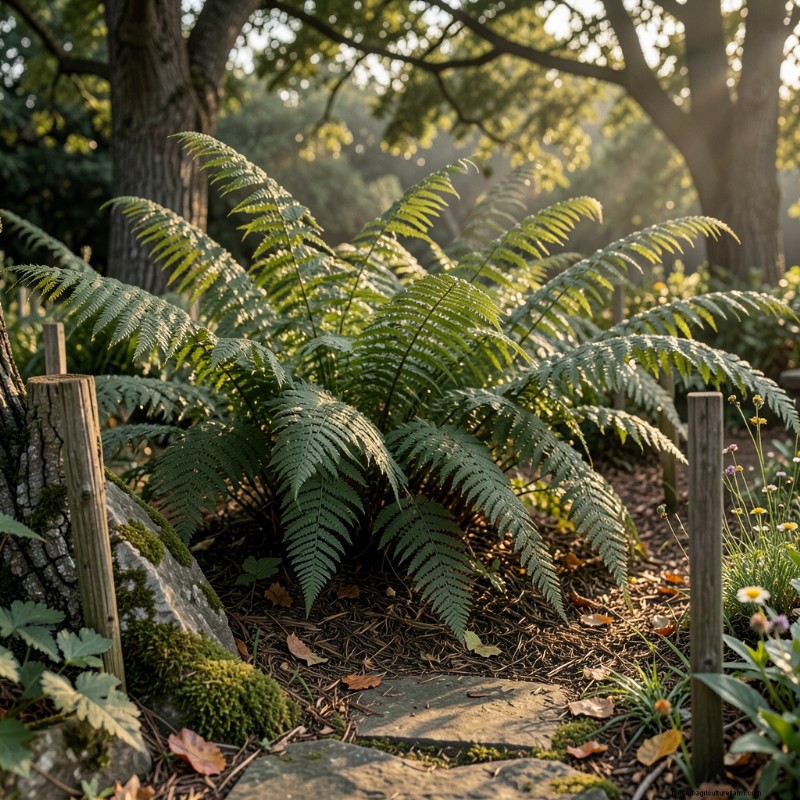
Ferns introduce delicate textures and layers, thriving in low light and offering a lush backdrop. Their intricate fronds come in various greens, providing contrast and depth while requiring minimal care.
They also support local wildlife, making them an eco‑friendly choice.
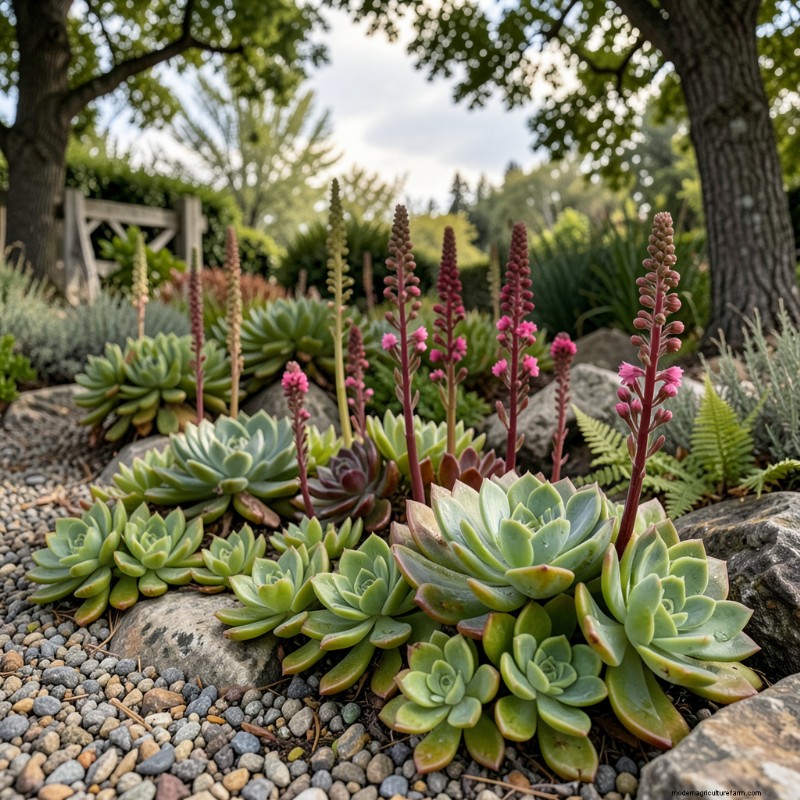
Sedum is known for exceptional drought resistance. Its succulent leaves appear in vibrant greens to deep reds, creating striking visual interest in rocky or poor soils.
Use as ground cover or containers; it fills dry shade spots with minimal maintenance.
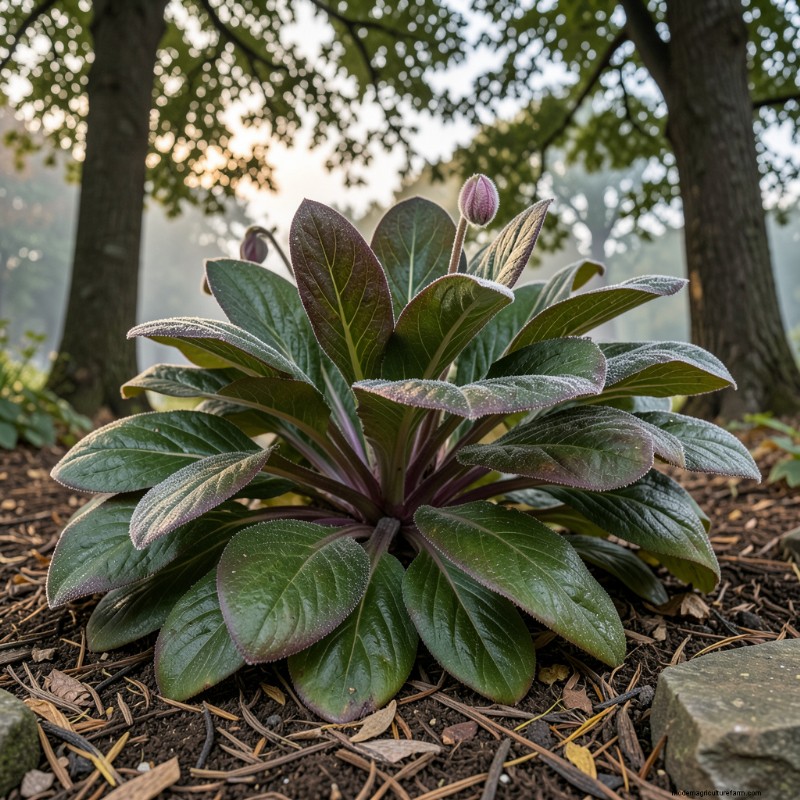
Bergenia’s large, glossy leaves offer a bold statement in dry conditions. Its rich green, sometimes purple‑tinted foliage adds texture and resilience, thriving where other plants may struggle.
It delivers a stunning visual impact with little care.
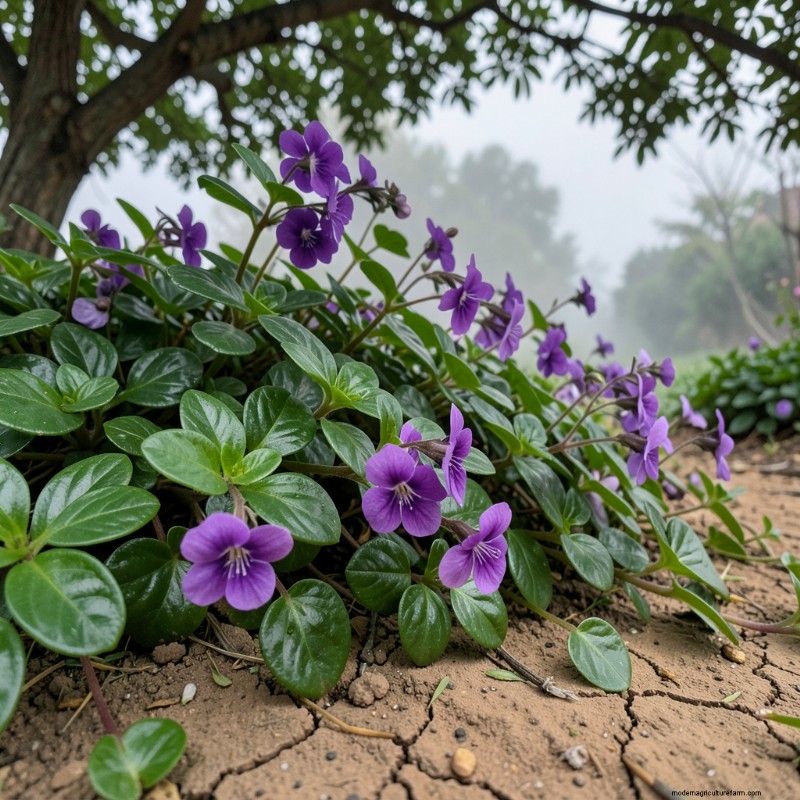
Vinca Minor, an evergreen ground cover, flourishes in low light with glossy green leaves and purple flowers, providing year‑round color.
Its hardy nature, minimal maintenance, and weed‑suppressing growth make it ideal for pathways or tree undersides.
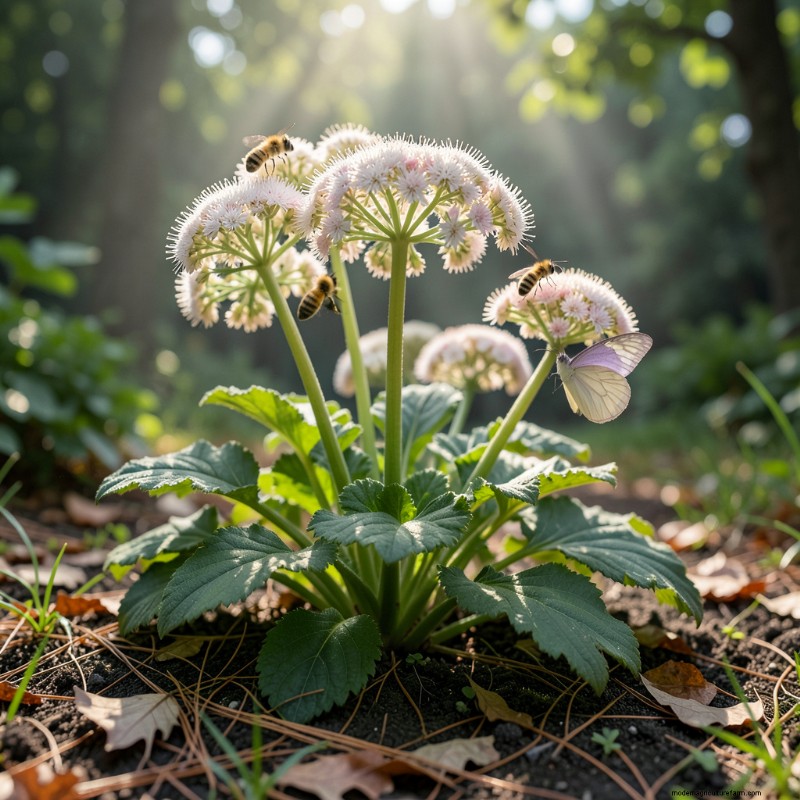
Tiarella offers delicate white flowers in spring and heart‑shaped leaves, thriving in dry shade. It attracts bees and butterflies while adding lush green backdrop.
It’s a low‑maintenance plant that enhances beauty and biodiversity.
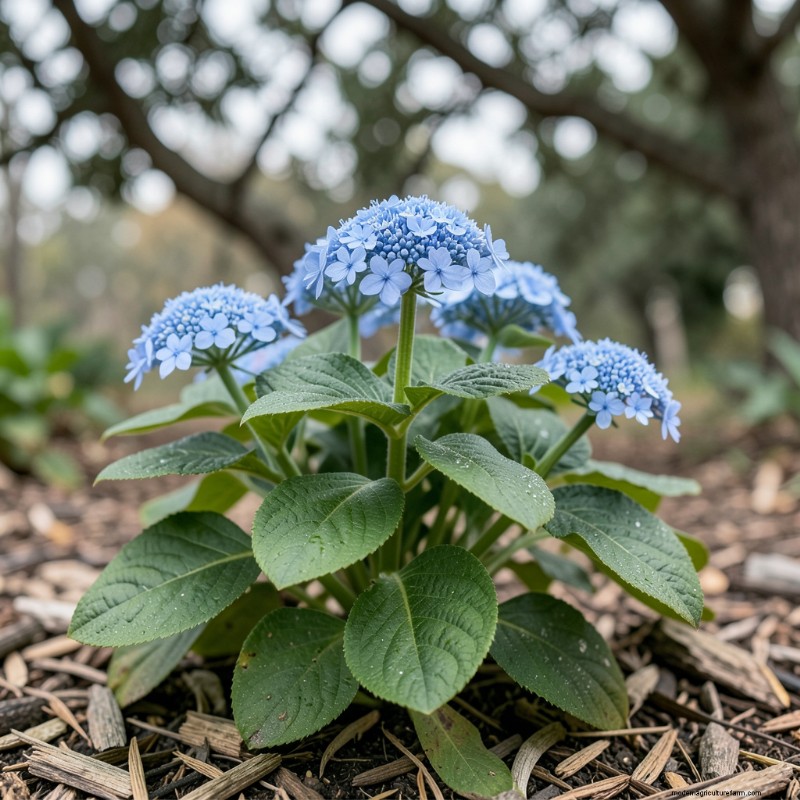
Brunnera delivers striking blue flowers against green foliage, adding vibrancy to low‑light areas. It adapts to various soils and requires minimal care, making it a standout choice for effortless blooms.
Its heart‑shaped leaves ensure visual appeal even after the flowers fade.
1. What should I consider when selecting plants for dry shade?
Prioritize drought‑tolerant species that thrive in low light. Assess soil type, moisture levels, and exact light conditions to choose the best plants.
2. How frequently should I water plants in dry shade?
Water deeply every 1–2 weeks, monitoring soil moisture to avoid overwatering; many drought‑tolerant plants prefer to dry out between waterings.
3. Can I mix different species in my dry shade garden?
Yes—mixing plants enhances visual interest and creates a natural look, as long as they share similar light and moisture requirements.
4. What type of soil is ideal for gardening in dry shade?
Use well‑draining soil, adding organic matter to improve moisture retention without creating overly wet conditions.


