
Welcome to Modern Agriculture!

With more than a decade of experience in lawn and landscape design, Larry Meyers brings proven expertise to every gardening challenge. His goal is to offer a comprehensive resource for all things horticulture.
Growing garlic is a vital addition to any garden. In USDA Zone 9b, precise timing is essential for maximum yield and flavor. Below is a detailed guide on planting, caring, and harvesting garlic in this warm climate.
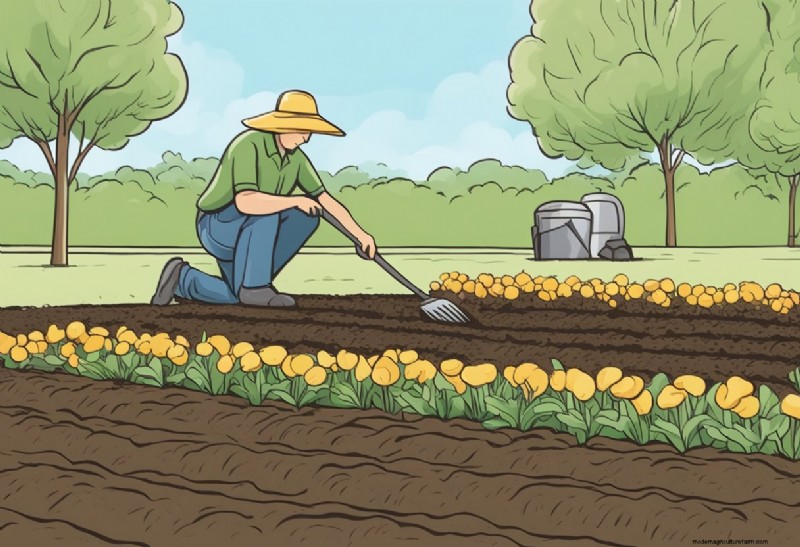
Success in Zone 9b hinges on two factors: the right planting window and appropriate variety selection. The following sections outline the essential steps.
Zone 9b features mild winters and hot summers. Garlic requires a period of cold to trigger bulb development. Timing the planting before the first hard freeze ensures the cloves receive enough vernalization without exposure to damaging heat.
Soft‑neck garlic performs best in warmer zones because it needs less vernalization. Recommended cultivars include:
Companion planting reduces pest pressure and enhances soil health. Consider pairing garlic with the following crops:
| Companion | Benefit |
|---|---|
| Tomatoes | Repels pests such as aphids |
| Beets | Improves soil flavor and structure |
| Carrots | Deters fly activity |
For crop rotation, avoid planting garlic in fields that previously hosted onions, leeks, or other Allium relatives. This practice helps control soil‑borne pathogens and maintains nutrient balance.
Propagating garlic in Zone 9b demands attentive care from prop to harvest. Follow these recommendations for optimal results.
Preparation is essential. The ideal soil must be well‑drained, loamy, and rich in organic matter. A compost‑driven mix works well, and raised beds can improve drainage.
Plant cloves in early October, about 2 inches deep and 6 inches apart. Position the papery end upward to mandate proper growth.
Consistency matters. Keep the soil moist but not saturated, especially during dry spells. Mulch conserves moisture, suppresses weeds, and contributes nutrients as it decomposes.
Regular weeding keeps competition low. Trim scapes once the first scapes appear; this diverts energy to bulb development, producing larger cloves.
Monitor for common Allium pests (mandrills, aphids) and fungal issues. Prompt intervention prevents spread and keeps the crop healthy.
Harvest timing must be precise to preserve quality and shelf life.
Monitor the plants from late June to mid‑July. Harvest when the lower leaves begin to brown but the upper 5–6 leaves remain green—signaling readiness while preserving protective foliage.
Curing must not be skipped. After lifting the bulbs, cure them in a shaded, ventilated area for about two weeks. This process hardens the skins and locks in flavor.
After curing, remove roots and stalks. Store in a cool, dry location—mesh bags or baskets are ideal. Avoid refrigeration; cold, humid conditions promote sprouting and spoilage.


