
Welcome to Modern Agriculture!

The following information is about Organic Farming Business Plan.
INTRODUCTION TO ORGANIC FARMING:
In India, the organic farming business is cost-effective and gives us rich returns. Organic farming is one of the options along with other opportunities in the industry of commercial farming. With loads of farming methodologies available, organic farming would be finest option. The world’s healthiest food and that which is preferred for consumption in all continents of the globe is the organic food. The organic farming is all about recycling the natural products and using them for the plants as manure.
The organic farming is not at all new to the people who are in the agricultural industry as it is known to have started from ancient times. The organic farming originated in the late 20th century. The organic farming is not only practiced in India, but it is in use all over the world. The countries like United States of America, China, Japan, Ireland, and Australia primarily practice organic farming. Organic food is considered because people are more health cautious these days. As the organic farming is being successful for growing crops, the government is also extending efficient incentives to the farmers to encourage the process.
In organic farming the organic wastes like (crop, animal farm and aquatic wastes) and other materials like beneficial microbes (bio-fertilizers) are used as they release nutrients which are required for the crops. This method is Eco friendly. For good soil structure and fertility crop rotation can be done in organic farming. We should be careful while farming, planning and crop choice. The disease resistant crop varieties must be cultivated.
Organic Farming Business Plan – MODERNIZED WAY OF FARMING:
Though organic farming is an ancient method of farming, but in the recent times modern techniques, knowledge and material are being associated and widely used with organic farming. As the crop and animals grow they become interdependent due to organic farming methods. There are different methods of organic farming such as the biodynamics, homa farming, poly-cropping, weed and pest management, microbe culturing, vermicomposting, soil conservation etc.
Organic Farming Business Plan – AIMS OF ORGANIC FARMING:
Organic Farming Business Plan – ADVANTAGES OF ORGANIC FARMING:
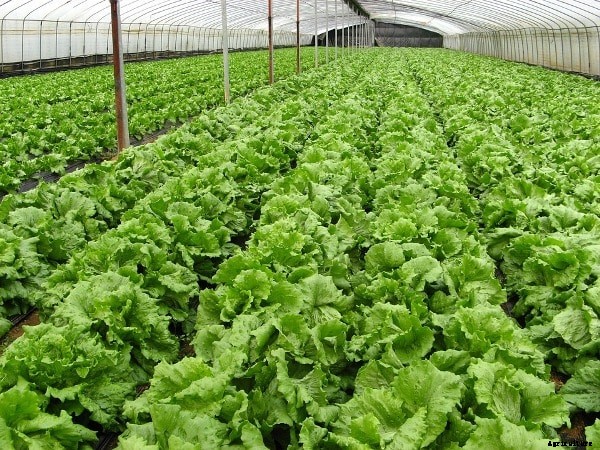
DISADVANTAGES OF ORGANIC FARMING:
Organic Farming Business Plan – MANAGEMENT IN ORGANIC FARMING:
The concept of organic farming involves and revolves around the concepts of healthy living soil, crop residue management, proper crop patterns, and effective crop rotation. The crop is ensured without any loss of fertility to the soil. Also the farming respects the natural ecology such as weather, flora and fauna of certain place. The basic step in organic farming is to acquire the primary requirements.
Some specific challenges faced by the organic farmers in India are:
For a productive, sustainable and cost-effective system to address the above issues there has to be a protocol.
Organic Farming Business Plan – ORGANIC FARMING PROCEDURE:
For setting an organic farm and to get it certified there are some requirements to be followed. They are enlisted as:
Conversion Period: If the farm is not fully organic and the farmers are practicing the conventional method, then there should be a plan for the conversion method. The conversion period is the beginning of organic operation till the certification. The quality of the land decided the conversion period. The fields like organic and inorganic must be maintained and clearly marked. The livestock is introduced into the entire farm over a period of time. The time period of the conversion method is 3 years for the perennials and for annuals 2 years.
Mixed farming: It is a mixed practice of different farming structures like sericulture, aquaculture, Pisciculture, animal husbandry and poultry management, etc. All these processes done in a combination is known as the mixed farming. This farming method ensures good soil fertility and crop yield.
Cropping patterns: By practicing effective crop rotations and patterns can help in the maintenance of the soil, which is the most essential component of the organic farming. The repetition of same crop cultivation may affect the soil and its fertility level. The intercropping which is a cultural practice helps maintain the soil fertility and its vitality. The crops which are used for intercropping are turmeric, ginger, sweet potato, etc. The crop of mango is often used in the intercropping with elephant foot yam, sweet potato, cassava. The maize is intercropped with vegetables like cabbage, radish or cucumber. The plants grown together most often are onion and pepper. The intercropping also gives a benefit of managing the insect pests and diseases.
Planting in organic farming: The specifications such as climate, weather and soil of the plants that are most suitable should be known to the farmer. The crop species and other varieties must be chosen properly such that they can adapt well to the soil conditions. The cultivation like pollen seeds, tissue seeds transgenic plants, genetically modified seeds are not allowed in the organic farming.
Manure Requirements: The fertility of the land can be maintained by planting leguminous crops, green manure crops, etc. Biodegradable materials can be used as manures. Crop and animal residues must be recycled back into the soil directly or indirectly. The manures like sheep penning, vermicompost and farmyard manure (FYM) are allowed for the fertilization of crops but not chemicals. These products are approved for organic fertilization, but can be used under emergency:
The factors like nutritional imbalance, contamination, depletion of natural resources must be calculated while considering organic farming.
Disease and pest management: Diseases and pests can’t be controlled with fungicides, weedicides and pesticides as they are prohibited in the organic farm land. The natural enemies are grown for the protection of crop from the pests. An example for protecting the crop is planting a tree in the farm or constructing a bird nest which encourages the influx of birds and helps prevent the insects. The pests should be removed using pheromone traps and chromatic traps. To control the diseases and pests using genetically processed organisms is also prohibited. Natural manual weeding is mostly preferred. For the control of weeds, diseases and pests the below products can be used under necessary circumstances.
Organic Farming Business Plan – HOW TO START ORGANIC FARMING:

When you take a decision to undertake organic farming it should have a commendable number of people who are turning away from the chemically fertilized farm products to the organic farmed products. You need to know all the facilities and discuss about the requirements that you need with the concerned people. The focus is made on learning about resource mobilization to start the business and maintain it.
We need to assess the type of product we want to cultivate in the organic farming process and the attributing factors like soil, climatic conditions, irrigation and popularity in local markets, etc. The soil should be tested by the local government agency for its pH, alkalinity, water retention, porosity levels and nutrition. Personal preference over the market’s demand can bring loss.
For securing a loan for your venture, you need to have some detailed business plan indicating your aim, focus on the type of organic crop, targeted market, present competition, finance, scope in the business area etc. These all are roadmaps for organic production.
You should be prepared financially for planting the crop. And the irrigation facility must be ensured with available sources. The chemicals that harm the plants should not be used and the plant should receive sufficient amount of sunlight. We should never neglect the finances required for the modern equipment during farming for the organic products. Aeration of the soil is extremely important.
Organic Farming Business Plan GOVERNMENT SCHEMES FOR PROMOTING THE ORGANIC FARMING:
Organic farmers get subsidy from the Indian government on capital investment into organic farming with the help of two different organizations. The primary object is to improve the resources for organic farming and increases the productivity without disturbing the soil and natural ecosystem.
The reduced dependence on chemical aids and converting organic wastes into plant nutrition sources is provided extra incentives.
The subsidy is given to the organic farmer @ 25% of the net project cost (INR 40 Lakhs maximum limit) for bio-fertilizer and pesticides units, and 33% of fruit and vegetable compost units (INR 60 Lakhs maximum).
The period of time for organic farming should materialize within 15 months with the grace period of 3 additional months.
Organic Farming Business Plan – FUTURE OF ORGANIC FARMING:
India has a promising future in the organic agriculture industry. Reasons for this organic demand is due to health awareness among the masses, stringent governmental rules for pollution control and greenhouse gas reduction, subsidies, export law relaxation etc. after the launch of GST the bio input now have 18% tax which increase the production cost. The higher the price of domestic organic produce the weaker it stands in the international markets.
Organic Farming Business Plan – PROFITABILITY OF ORGANIC FARMING IN INDIA:
The organic farming in India can be prosperous only if it is able to reach the right market. Profits can be increased by:
The organic farming methods must be strictly followed to produce high quality products which can be easily certified and marketed.
Organic Farming Business Plan – CONCLUSION:
The organic farming is preferred as a sustainable source of farming as it preserves the biodiversity and improves the ecological balance. It is a safe mode of farming, but needs time for being functional and produce results. The certification of the organic products can be obtained by keeping away the chemical and genetic contaminants away throughout the process of production, storage, handling and harvest sale. Organic farming has a high growth rate owing to its importance in the entire world.


