
Welcome to Modern Agriculture!

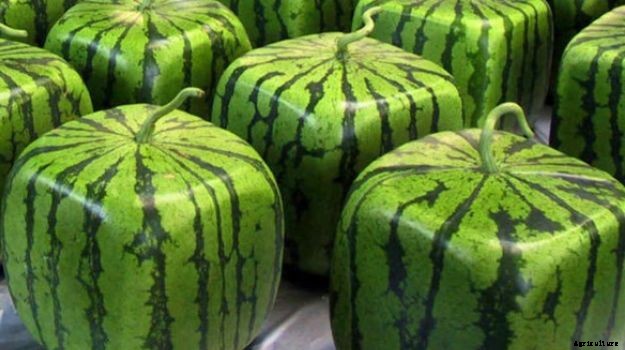
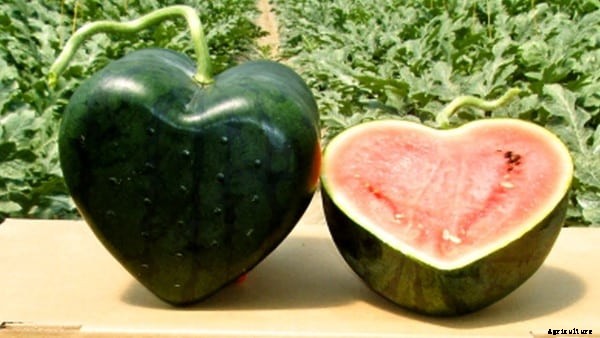
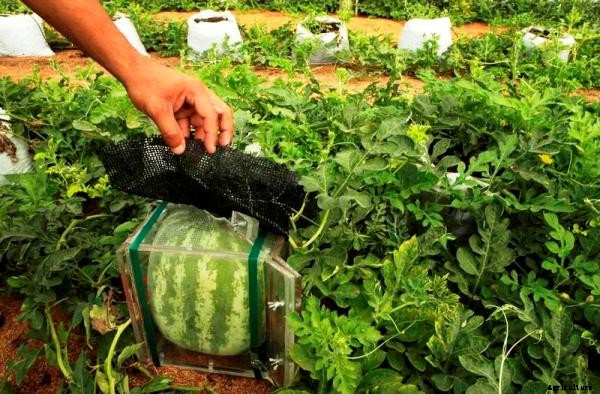
Introduction of Watermelon Farming:- Watermelon is a warm, long-season crop and is now grown in all tropical and subtropical areas of the globe. This fruit mostly cultivated for its fresh juice and sweet flesh. Commercial cultivation of watermelon takes place on larger scale in summer season in most of the Asian countries. Watermelon belongs to the family of “cucurbitaceae” and genus of “citrullus”. Watermelons are native to the Kalahari Desert of southern Africa and the first recorded watermelon crop was found in Egypt. Farmers can make good profits from cultivation of watermelon, if proper cultivation methods and farm management practices are followed. Individual watermelon plants produce both male and female flowers. The fruit size varies from 2 to 15 kg, depending on variety. However, seedless varieties need pollinators. With the help of fruit shape retainers, farmers producing different shapes of watermelons which have great demand in the market. For example, in Japan, square shaped and love shaped watermelons are popular have great demand. China is top producer of watermelon in the world. Watermelon can be successfully grown in pots, containers, indoors, greenhouses and poly houses.
Nutrition Facts and Health Benefits of Watermelon: – The following are the health benefits of Watermelon.

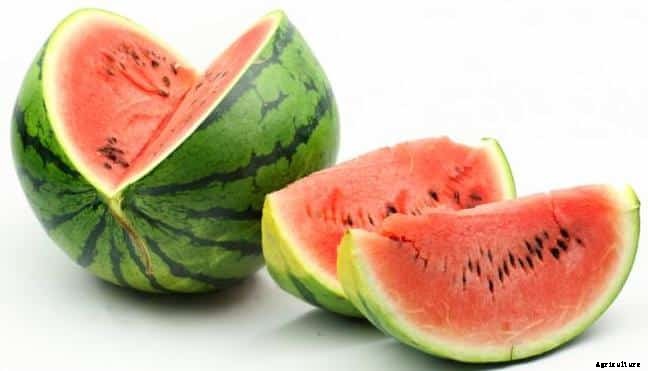
Local Names of Watermelon in Asia:- Subag,수박 (Korean), Kharbuja (Napali), Kharbuj(Hindi, Indian), Xīguā, 西瓜 (Chinese), Pakwan (Filipino),ឪឡឹក (Cambodian), Peni Komadu (Sinhalese, Sri Lanka), арбуз (Russian), Karpuz (Turkish), すいか (Japanese), Sikoef (Taiwanese), Dtaeng moh (Thai), Dưa hấu (Vietnamese), Hug me (Burmese), بطيخ (Arabic), Tarbooz (Urdu), Qare (Somali), Тарвас (Mongolian).
Major Producers of Watermelon in Asia:- China, Turkey, Iran and Kazakhstan.
Common/Local Names of Watermelon in India:– Tarbooj (Hindi), Tarpoosani (Tamil), Thannimathan (Malayalam), Kaling (Konkani), Pucha Kaya (Telugu), Tarbuz (Punjabi), Tarbuch (Gujarati), Tarabhuja (Oriya), Tormuz (Assamese), Tarabooj, Kalingad (Marathi), Tormuj (Bengali), Kallangadi Hannu (Kannada).
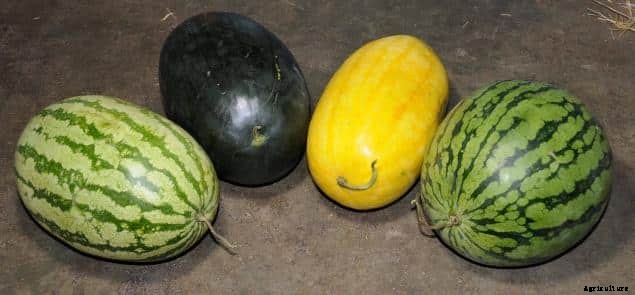
Varieties of Watermelon:- Crimson Sweet, Jubilee II , Star Brite ,Sweet Favorite , Shiny Boy, Yellow Baby, Triple Crown and Moon and Stars are the main varieties.
Climate Requirement for Watermelon Farming:- Watermelon is a warm season crop cultivated mainly in sub-tropical and hot-arid regions. Watermelons are sensitive to cold and even a mild frost can severely damage the crop and drastically reduce the yield. If these are grown in winter partial protection should be provided to protect from any frost conditions. The watermelon crop requires dry weather with full of sunshine for quality watermelon production. The best average temperature range for watermelon production during the growing season is between 18°C and 35°C.Cool nights and warm days are ideal for accumulation of sugars in the fruits. The seed germinates best when temperatures are higher than 21°C. High humidity at the time of vegetative growth causes the watermelon crop susceptible to various fungal diseases. Temperatures above 36°C or below 10°C will slow the growth and maturation of the watermelon fruits.
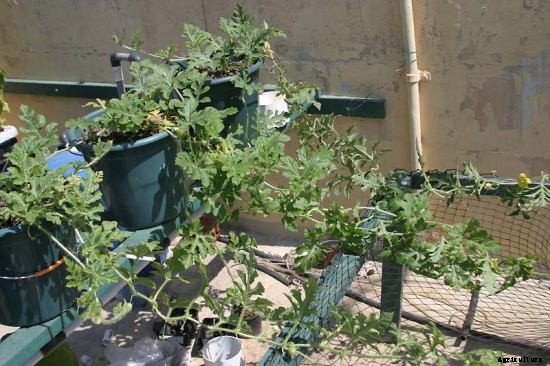
Soil Requirement for Watermelon Farming:- Watermelon crop can be cultivated on well drained sandy soils or sandy loam soils or black soils with good organic matter. Alluvial soil along the river beds is also suitable for growing watermelons. The ideal pH range of 6.0 to 7.5 is best for watermelon farming.
Propagation in Watermelon Farming:- Usually, watermelon crop is propagated through seeds.
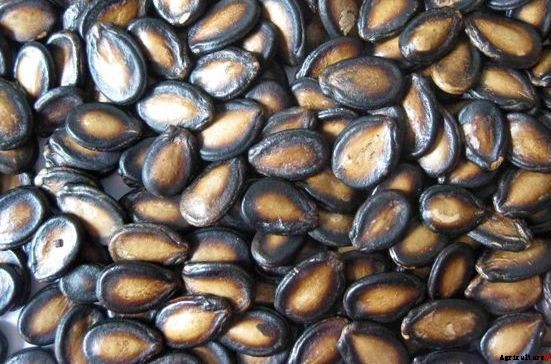
Seed Selection in Watermelon Farming:- Seed selection in watermelon farming plays major role in getting proper yield and quality of the fruit. It is recommended to select the best quality seeds to raise the healthy seedlings of watermelon.
Note: Before sowing the watermelon seeds in the field, they should be treated with fungicides to protect the seeds from soil- borne fungal diseases and also to give a boost to the seedlings of watermelon.
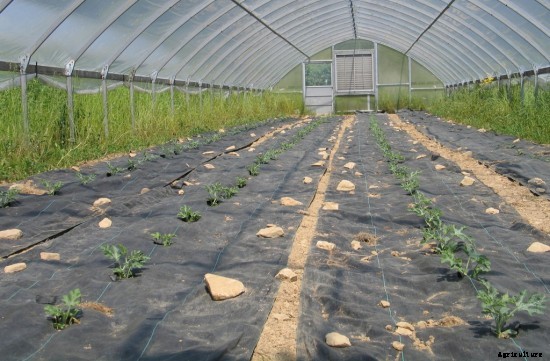
Land Preparation, Sowing in Watermelon Farming:- The best season for sowing the watermelon is December month so that the fruits can be ready for summer season. Land should be prepared to fine tilth stage by giving couple of crosswise ploughings. The field should levelled and make sure to remove any weeding from previous crops.
Before sowing seeds, they should be soaked in luke warm water for 12 to 15 hours. The water should be drained out and the seeds should be kept overnight in a wet gunny bags. This treatment boosts the germination percentage. Normally 3 to 4 kg of seeds should be required for planting in 1 hectare land. Various system of sowing has been adopted depending on the season and system of cultivation.
Seed Rate in Watermelon Farming:- About 3 to 4 kg of seeds are required for a hectare.
Seed Treatment in Watermelon Farming:- Seeds should be treated before sowing to prevent from pests and diseases and to give the boost to germination. Treat the seeds with Trichoderma viiridi 4 grams or Pseudomonas fluorescens 10 grams or Carbendizim 2 grams / kg of watermelon seeds.
Pests and Diseases in Watermelon Farming:- Pests: The common pests found in watermelon farming is beetles and fruit fly. Beetles can control by spraying Malathion 50 EC 1 ml/liter of water at weekly intervals. Fruit fly can be controlled by following steps.
Note: Do not use DDT, copper and sulphur dust, as these are phytotoxic.
Irrigation in Watermelon Farming:- Irrigate the field before dibbling the seeds of watermelon and subsequent irrigation should be given once a week. Irrigation should be given at regular intervals of time. Irrigation after a long dry spell results in cracking of watermelon fruits. In case of water problematic areas, drip irrigation would be the best choice. Install drip system with main and sub-main pipes and place the inline lateral tubes at an interval of 1.5 meter. Place the drippers in lateral tubes at an interval of 60 to 50 cm spacing with 4 LPH and 3.5 LPH capacities respectively.
Intercultural Operations in Watermelon Farming:- For better yield and quality of fruits, the following intercultural operations should be carried out in watermelon farming.
Manures and Fertilizers in Watermelon Farming:- As Watermelon crop responds very well to manure and chemicals, it is essential of applying proper manures and fertilizers in watermelon farming.
Supplement the soil with well rotten farm yard manure of 25 tonnes per ha during the land preparation. The N:P:K dose of 100 kg: 50 kg: 50 kg/ha should be applied and half of the ‘N’ and full dose of ‘P’ and ‘K’ should be applied before planting. The remaining half dose of ‘N’ should be applied after 1 month of planting. Apply these fertilizers at least 7 to 8 cm distance from the base of the stem. It is advised to complete all the fertilizers before the fruit set. In order to increase the percentage of female flowers, NAA (100 ppm) should be sprayed once at 2 leaf stage and the same should be repeated after a week.
Harvesting in Watermelon Farming:- The watermelon crop will become ready for harvesting in about 80 to 100 days after sowing depending on the variety (cultivar) and season. Generally, maturity of watermelon can be judged from withering of tendril, ground spot to yellow and thumping test or change in belly colour. The watermelon fruits should be separated from the vines with the help of a sharp knife.
Yield in Watermelon Farming:- Basically, the crop yield depends on many factors like variety, soil type, climate and farm management practices. The average watermelon fruit yield varies from 20 to 30 tonnes/ha.
Post Harvesting Tasks in Watermelon Farming:- The following are the post harvesting tasks in watermelon production.
For Indian Farming : Read here.
For Sheep or Goat Farming: Read here.

