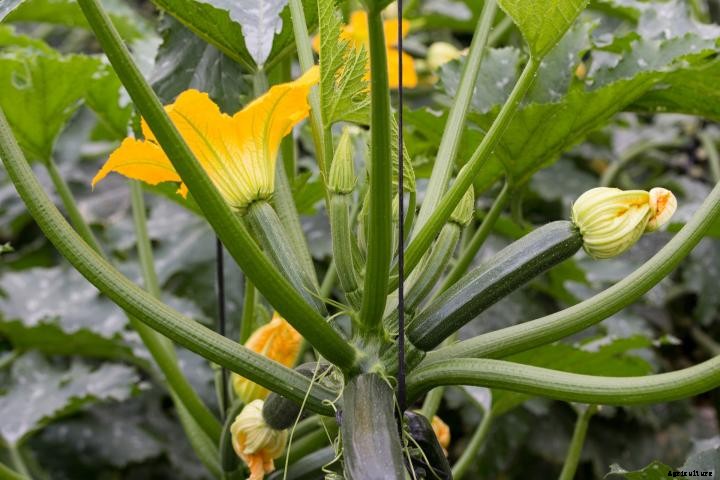
Zucchini is a garden staple and an extremely vigorous grower. Each plant will produce several squash a day during peak season! But that doesn’t mean that they’re trouble-free. In our Zucchini Growing Guide and video, we’ll share tips and tricks to sidestep common squash problems, as well as tips on how to harvest and cure, so you have a successful summer squash season!
About Zucchini
Zucchini are a type of squash—more specifically, a type of summer squash. Squash are generally divided into two categories based on when they're harvested and how they're used:
-
Summer squash are warm-season crops harvested in the summer before they reach full maturity. Because they're harvested early, their skin is edible and they have a relatively short shelf life. Summer squash varieties include zucchini, yellow squash (straightneck squash), and crookneck squash.
- Winter squash are harvested in autumn after or just before they reach full maturity. This leaves their skin inedible, but gives them a longer shelf life (some varieties are capable of keeping through the winter—hence the name "winter squash"). Winter squash varieties include pumpkins, butternut squash, spaghetti squash, and acorn squash.
Thanks to their regular bumper crops, you'll usually only need one or two zucchini plants in your garden, and chances are good that you'll still end up with more zucchini than you can handle. But that's OK! See our recipes below for all the different ways you can enjoy (or preserve) zucchini. Plus, zucchini is full of nutrients! You can't go wrong... unless you forget to harvest and end up with giant zucchini baseball bats. (More on how and when to harvest later.)
Most summer squash now come in bush varieties, which take up less space, whereas winter squash are vining plants that need more space. Bush varieties will need to be thinned in early stages of development to about 8 to 12 inches apart.
Note: All types of summer squash require very similar care, so even though we mainly refer to zucchini on this page, consider it to be applicable to whatever summer squash variety you're growing!
A Common Ancestor
Would you believe that pumpkins and zucchini come from the same species of plant? That's right—they're both cultivated varieties ("cultivars") of Cucurbita pepo. Despite the great diversity of squash, most commonly-grown cultivars belong to one of three species: Cucurbita pepo, C. moschata, or C. maxima. Over generations and generations, these plants have been cultivated to produce fruit in all kinds of shapes, colors, and flavors.
Planting
When to Plant Zucchini
- Sow zucchini seeds directly outside at least a week after your last frost date. The soil needs to be warm (at least 60ºF/16°C at a two-inch depth). The Garden Planner will calculate your exact planting dates for squash based on your location.
- If you wish to start seeds indoors, sow 2 to 4 weeks before your last spring frost in peat pots.
- Warm the soil with black plastic mulch once the soil has been prepared in early spring.
- Do not rush to plant zucchini. Waiting to plant can help to avoid problems from squash vine borers and other pests and diseases common earlier in the season.
Choosing and Preparing a Planting Site
- Pick a spot with full sun, shelter from wind for good pollinations, and well-draining soil.
- Squash plants are heavy feeders. Add plenty of garden compost or well-rotted manure to the soil before planting.
- When you plant their holes, scatter in some organic fertilizer as well.
Learn more about soil amendments and preparing soil for planting.
How to Plant Zucchini
- Sow seeds in the ground about 1-inch deep and drop in 2 seeds. Pop a clear jar or half a plastic bottle over the top or use a cold frame protection in cold climates. Leave until the seedlings are up, and then remove the jar, and remove all but the strongest seedling.
- Alternatively, plant as a “hill” of 3 or 4 seeds sown close together on a small mound; this is helpful in northern climates, as the soil is warmer off the ground. Allow 5 to 6 feet between hills.
- If you wish to get a head start: Sow under cover in a greenhouse a couple weeks earlier. Fill small pots or seed trays with potting mix and sew one seed in each pot. Prepare small plants for life outdoors by "hardening off." Set the pots outside for a week or two for a short time and increase the length of time. Plant after no risk of frost.
- Plant zucchini at least 2 feet apart. (The Garden Planner will calculate spacing for you.)
- Thoroughly water after planting.
- Adding a layer on top of mulch (such as garden compost) to lock in soil moisture.
Demo: See How to Grow Zucchini and Summer Squash
Care
How to Grow Zucchini
- Zucchini thrive in moist soil. Water very thoroughly whenever it's dry. For all types of squash, frequent and consistent watering is important for good fruit development. Water most diligently when fruits form and throughout their growth period. Water deeply once a week, applying at least one inch of water. Do not water shallowly; the soil needs to be moist 4 inches down.
- Remove any weeds that manage to poke through. To keep plants tidy, cut off any dead or shriveling weeds.
- Top up mulches, using organic matter such as garden compost, to help roots stay cool and moist.
- When the first blooms appear (which will be male flowers), apply a small amount of fertilizer as a side dress application. After harvest begins, fertilize occasionally for vigorous growth and lots of fruits. If your fruits are misshapen, they might not have received enough water or fertilization.
- Tip: If your weather is cool, damp, or you're not seeing pollinators, you can hand pollinate your squash blossoms for better yields.
Pests/Diseases
Pesky pests, diseases such as powdery mildew, accidental damage, and incorrect harvesting and storing can all take their toll on your crop.
Two troublemakers often pay an unwelcome visit, usually early in the season. The best solution is to get ahead of them before they arrive.
- Squash bugs feed on sap, weakening plants and threatening fruit production. Protect plants when the bugs are most active, early on in the summer, by using row covers or fleece. Then continue to check for eggs at least twice a week. Rub or scrape off the eggs. Adult bugs can be knocked or shaken off plants into a bucket soapy water. (If you keep chickens, offer them a treat!)
- Squash vine borers are found in the eastern half of North America. They burrow into stems, causing them to rot and foliage to wilt. They are most active earlier in the summer. Row covers can help keep them off, or wrap stems in foil to prevent eggs from being laid at the base of plants. It's possible to cut the grubs out by making vertical cuts into the stem using a sharp knife. Once you're done, bury the stem with moist soil to encourage new roots.
As far as diseases go, powdery mildew can be an issue on the leaves later in the season. It's a common fungal disease that forms a white powdery coating on both sides of leaves. Keeping plants well-watered and leaving plenty of space between them for good air flow should slow the spread of this disease. If your squash does get powdery mildew, don't worry about it; plants will usually cope.
In worst cases, powdery mildew stalls growth by preventing leaves from absorbing enough sunlight. A common reason for powdery mildew is irregular watering, which stresses plants, leaving them more susceptible to infection. If plants do become infected, remove affected leaves straight away. A great way to prevent powdery mildew altogether is to mist leaves with a solution that is 1/3 milk to 2/3 water.
- Spray the milky mixture onto all surfaces, early on a dry and sunny day. Repeat every 10 to 14 days throughout the growing season.
Blossom-end rot is an occasional issue as well. If the blossom ends of your squash turn black and rot, then your squash have blossom-end rot. This condition is caused by uneven soil moisture levels, often wide fluctuations between wet and dry soil. It can also be caused by calcium levels. To correct the problem, water deeply and apply a thick mulch over the soil surface to keep evaporation at a minimum. Keep the soil evenly moist like a wrung out sponge, not wet and not completely dried out.
Fruits left on the ground can get blemished or rot in wet weather. Slip a tile or slate under the young fruits as they begin to swell. Sprawling varieties of squash look stunning on vertical trellises, but be careful to support the fruit as they get large. Tie a sling into place with fabric or old tights. (See video below.)
How to Avoid Common Squash Problems
Watch this excellent video for tips and tricks to sidestep common squash problems so there’s no barrier to your successful harvest!
Recommended Varieties
- 'Cashflow': cylindrical zucchini type
- 'Cocozella (di Napoli)': zucchini heirloom; dark green, slender
- 'Goldbar': yellow summer squash
- 'Horn of Plenty': yellow crookneck type
- 'Sunburst': pattypan/scallop type
- 'Tigress': zucchini type
Harvest/Storage
How to Harvest Zucchini
Summer squash and zucchini are harvested the moment they reach a usable size. Just cut them free from the plant (don't pull on them!) and store in the refrigerator up to a week.
We harvest zucchini when the fruits are quite small (about 6 to 8 inches in length). Smaller fruits are more tender and flavorful, with a denser, nuttier flesh. Believe us, smaller fruits have a far superior taste. If you have ever had a negative experience with zucchini before, it's probably because they were left to become bruisers.
Plus, picking frequently encourages the plant to produce more. Check zucchini and summer squash EVERY DAY once the plant gets going.
- Most varieties average 60 days to maturity, and are ready as soon as a week after flowering. (Check the seed packet for more exact information.)
- Cut your squash from the vine with a sharp knife rather than breaking them off, as you risk damaging the soft stem of the plant. Leave at least an inch of stem on the fruit.
- Should you miss a picking or two, remove the overripe squash as soon as possible to reduce demands on the plants for moisture and nutrients.
- Zucchini is very susceptible to frost and heat damage, so you do want to pick them all before the first fall frosts arrive.
- Store unwashed in the refrigerator until you’re ready to use. Fresh zucchini can be stored in the refrigerator for up to ten days.
Wit and Wisdom
- Squash flowers are edible and make a tasty treat when fried in a light batter.
- Pumpkins and other squashes are nutritional powerhouses! Learn about squash's health benefits.
Recipes
Zucchini Bread
Summer Squash Pickles
Breaded Fried Zucchini Rounds
Fresh Tomato and Zucchini Au Gratin
Lemon-Zucchini Muffins
Zucchini Relish
Zucchini Pancakes
Zucchini Brownies
Cooking Notes
Zucchini can be overwhelming once it starts producing. If you have too much to use, see tips for freezing zucchini. Find more of our Best Zucchini Recipes for ways to use this abundant crop!


