
Welcome to Modern Agriculture!

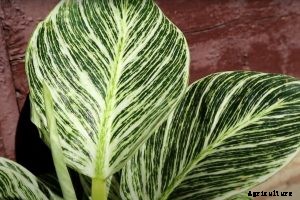
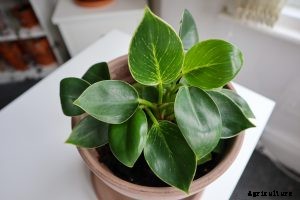 Philodendron Birkin is a gorgeously stunning houseplant with dark green variegated foliage and striking light yellow highlights.
Philodendron Birkin stands out as a houseplant because of its one-of-a-kind appearance. It makes it a favorite amongst gardeners and plant lovers.
Its leaves, which are dark green, are altered with a beautiful light yellow. Birkin’s appealing shape and looks make it a popular houseplant that adds beauty to your gardens or home. Plant lovers find it too attractive among other plants.
Tropical Philodendron Birkins belong to the Araceae family, which is a subdivision of this plant family. They have unique leaves and grow in different pigments. Hence all of these plants appear different from one another. Birkins being the low-maintenance plants are easily managed.
These plants do not need extra attention or care. Taking care of them is simple if you know the conditions for their rapid growth. Read on.
Philodendron Birkin is a tropical plant from the family of Araceae. The Philodendrons are loved by growers because of their unique patterns, foliage shapes, and adaptability to grow indoors.
Philodendrons come in diverse colors and types of foliage, which makes them stand out. Philodendron Birkin is a specifically low-maintenance plant and is perfect for indoor growing.
Philodendron Birkin plants, as mentioned, are tropical plants. They love humidity and can survive light humidity. But if you increase the humidity, it has been observed that the plant becomes healthier and the leaves also grow bigger.
For Philodendron Birkin to maintain its gorgeous, huge leaves, fertilizer is the key element. A balanced liquid fertilizer of Philodendron Birkin is an ideal choice and would do wonders for the growth of the plant.
Philodendron Birkin plants show the best results if they receive bright light indirectly. You have to arrange conditions similar to its natural habitat by providing it with a tropical canopy. Direct sunlight for a long time can make leaves fall off and would not be good for the plant. The plant will dry fast.
There are other types of philodendron plants other than the Birkin. And you can categorize these philodendron plants into two categories. There are vine types and non-vine types of philodendrons.
This plant is one of the most famous types of philodendrons because they’re the easiest to care for. It is a very low-maintenance plant. They’re a vine type and have heart-shaped leaves. Thus they are named the sweetheart plant
This is another vine type of philodendron. The leaves are variegated, which makes them green, white, or even cream-colored. Like the sweetheart plant, their leaves also resemble hearts and look nice and cute.
The Xanadu is a fun philodendron. This plant can grow pretty big with proper care. The best part is that it looks as if the leaves have fingers hanging off of them. This makes it look different and nice.
This is a hybrid philodendron. It’s a bold, beautiful green. It works perfectly as an outdoor plant as well as an indoor plant. Philodendron white knight We love this plant. The variegated leaves are a blend of brilliant green and spotless perfect white. They are gorgeous and and a beauty to watch in your garden.
Let us look at the requirements of our Philodendron Birkin plants in detail. The following guide will help us understand the plants in the best way.
Philodendron Birkin soil is essential for its growth. The soil should be loose but it should hold moisture. On the other hand, excess water should be able to drain well from the pots. The terracotta pots are ideal for this but any pot with good drainage will be suitable.
If the soil drains water poorly then it will cause root rot and the plant will die. Using a soil-less growing medium like sphagnum peat moss will be most suitable. Peat moss is airy and coarse in texture. It retains water because of its water-retentive qualities.
It also helps in draining the water to avoid root rot. The growing medium is also light so it is easier to move the pot around the house when needed.
In some areas, peat moss is not available or can be expensive. In this case, you can use perlite mixed with coconut coir, leaf mold, and sand.
Philodendron Birkin plants grow best if they are given bright indirect light. You have to copy the natural environment in which it grows. Try creating conditions comparable to its original habitat. Direct sunlight for long periods can lead to wilting foliage that falls off.
Too much sunlight can lead to permanent damage in plants too. Dense shade can also result in the death of the plant. Philodendron Birkin can be placed close to a window that is well lit but doesn’t get direct light.
Growing lights can also be used rather than natural sunlight. Philodendron Birkin will also like artificial lighting and you can provide good results. It requires at least 12 hours of light during the day and does not leave it light throughout the day.
Steady 12 hours of growth light can boost the growth rate of Philodendron Birkin. Grow lights are also suitable for the plants that are grown indoors because they can be hung and placed anywhere in the garden.
Philodendron Birkin likes to grow in humid conditions. It needs moist soil that retains moisture. You can also make sure that you do not overwater your plants. Overwatering can cause root rot and can make your plants unhealthy very fast.
You should check the soil before watering and wait until the soil is dry before you water it repeatedly. Insert your finger to test the soil moisture.
If the soil feels dry it is time to water it. If the soil is moist then do not water it.
The soil of Philodendron Birkin must never turn into a sponge for water. Creating a perfect soil mix and having the right kind of pot truly helps. Philodendron Birkin needs damp soil to absorb the hydration. But make sure the watering level is balanced. Let the soil dry and then you can water it again.
The best way to check the dampness is by putting your finger into the soil. If it feels dry on your knuckles then you can water it.
Philodendron Birkin is a tropical plant and loves warm and humid growing temperatures. The ideal temperature for the Philodendron Birkin plants is between 65 and 75 degrees Fahrenheit during the day. At night, it should be around 60 degrees Fahrenheit.
The temperature should never dip below 55 degrees Fahrenheit for Philodendron Birkin. It is the ideal temperature for the plants.
Philodendron Birkin, native to the tropics, naturally likes high humidity. When you increase humidity for the plants, they become healthier and leaves also grow bigger.
You can increase humidity by using the following methods:
Philodendron Birkin likes a fertilizer that is liquid and diluted. A balanced liquid fertilizer is more suitable because it makes the nutrition available. This liquid fertilizer can be a balanced one or rich in nitrogen.
Calcium and magnesium are the essential nutrients for the Philodendron Birkin plant. Do read the label of the fertilizer to find the perfect one. Weekly application is perfect for plants. But fertilize it during the growing season and never during the winter.
Philodendron Birkin is propagated in many ways: stem cutting, water propagation, and air layering. Following this propagation guide will help you learn about tips and tricks for propagating Philodendron Birkin plants.
Spider mites are the most harmful pests that can destroy Philodendron Birkin plants. These are small strange mites that are reddish-brown. You can barely see them. They take away all your plant’s nutrients making them unhealthy. These mites bite the leaves and leave light dot-shaped marks.
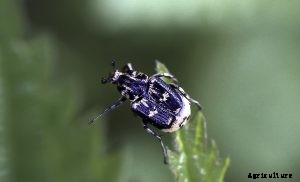
When they invade a plant for a long time, the leaves turn dry and wither. You can get rid of these spider mites by pruning the leaves and spots that they have destroyed. You must remove every infected area from the parts of the plant that are still surviving. Use insecticidal soap to gently disinfect your plant.
Thrips are another annoying bug that is a philodendron plant fan. They also love to eat away all the nutrients from your plant. The bugs are tiny with wings and almost invisible. They are either pale yellow or black. They mostly survive in large groups.
When they invade your plant, it will lose its color and can eventually die. To kill these bugs, you can also use insecticidal soap to slightly clean your plant off. Any infected area should be completely cut off.
Yes, the Philodendron Birkin plans are rare. They are a specially bred variegated designer variety from the Araceae family. This houseplant is quite famous among gardeners.
Generally, Philodendron Birkin has a slow-growth rate. As a potted plant it can grow up to three feet indoors.
The Philodendron Birkin is a tropical plant. It loves humidity. One of the ways to help your Philodendron Birkin plant thrive is to make sure to increase humidity around them.
Occasional misting is perfect to add humidity. You can also use the technique of grouping plants together to achieve that.
Biannual pruning will help keep the Philodendron Birkin bushier.
Philodendron Birkin leaves turn yellow when the plant is overwatered. It also happens when the soil of Philodendron Birkin is too dry or too wet. To solve this problem, monitor how fast the soil dries out and if the water is being logged in the soil. Improve the drainage by changing the soil and having a better drainage of pots.
Philodendron Birkin dies when it is overwatered. Soggy soil can lead to root rot and eventually to death of the plant. If the problem worsens, you might have to take cuttings of the plant to start new before disposing of the infected plant.
Leaves of a Philodendron Birkin may turn brown when the leaves do not get enough humidity.
Brittle and dry leaves of Philodendron Birkin indicate overwatering. Remember, improving soil mixture and better drainage can solve this problem. Also, avoid watering it frequently during winters.
Overwatering Philodendron Birkin is the main problem that causes most of the symptoms of illness. It is incredible how important it is to have the right pottings mix, perfect container, and knowledge of water frequency.
You can use this checklist to make sure you get it right.
Keep these points in mind and you will avoid overwatering and the damage caused by excess watering. We hope that the above guide helped you in understanding what your plant needs. Let us now review everything that we talked about Philodendron Birkin.
Birkins are low-maintenance plants and are easy to handle. They do not require excessive care. If you know the right conditions needed for the plant to thrive, it is actually very simple to take care of it.
Here is what we have learned about the wonderful Philodendron Birkin plants in this article.
There are many other Philodendron plants but the Philodendron Birkin is a rare variety. It is known for its stunning dark green leaves. That’s why it is an easy favorite among gardeners, beginners and experts alike. Grow your own Philodendron Birkin and fall in love with its beauty.


