
Welcome to Modern Agriculture!

This article gives you details on the growth habits, appearance, and care of 17 tall shrubs for shade gardens. These plants grow well in shady garden areas and some provide exceptional shade and privacy to adjoining yards and buildings.
People have been growing shade-loving shrubs around their homes and communities for centuries, and in the process, advice comes down to us from experienced gardeners about the best tall shrubs for shade and how to grow them.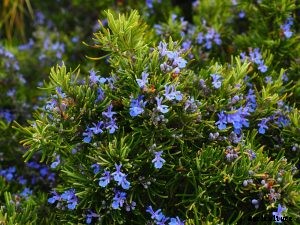
Tall shrubs that do well in shade can be harder to find than sun-loving shrubs. Finding the right shade-tolerant shrubs for your particular climate and location can feel overwhelming.
But many gardeners have sorted out the possibilities, coming up with recommendations for shade-tolerant shrubs and trees, and we can benefit from their collective experience.
Here are 17 of the highest gardener-recommended tall shade plants and shrubs that grow well in shady conditions.
The numbers on the list do not represent any ranking and are only for reference.
Many species of plants that grow best in the sun have particular varieties that prefer shade. Which shade-loving shrub is best for you depends on your climate, soil type, planting site, and personal preference.
Many flowering shrubs are deciduous, meaning they lose their leaves in winter. However, many deciduous shrubs thrive in low-light environments even when they don’t have leaves during cold months. Evergreens retain their leaves all year-round, and many evergreen shade-loving shrubs flower abundantly.
Before selecting a shrub to plant, be sure to check your USDA growing zone number. Then match your grow zone number to a shrub variety that thrives in your zone. Once you know your grow zone, it’s easier to narrow down which plants are suitable where you live.
A pH soil test to determine the acidity or alkalinity of your soil helps you further narrow down the best choice for your planting site when choosing new shade-tolerant shrubs.
The flowering shrubs in this list are deciduous or have deciduous varieties.
Azaleas belong to the same plant family as rhododendrons, and both are popular shrubs for shady locations. There are many varieties. Some types are evergreen, and others are deciduous. Native varieties grow tallest.
This shade-tolerant shrub is native to the Southeastern U.S. states. While it does not grow especially tall, its broad leaves and large flower displays provide lots of screening and shade where it’s growing. The plant forms dense colonies that aid in privacy and blocking the sun.
Maple leaf viburnum is a tall shrub that does well in deep shade. Other names for this plant are maple-leaved arrowwood and dockmackie. This species is a North American native found growing in eastern forests in the US and Canada and south to northern Florida and Texas.
A low-maintenance, easy to grow shrub with pleasant flower clusters appearing in spring and dark berries later in summer. Leaves turn an attractive yellow in fall. Colonies can grow from suckers.
Also known as shadebush and shadblow, this small tree provides pleasing flower displays in early spring, shade, and privacy in the summer and fall, and late-season berries enjoyed by wildlife. Plant in clusters for maximum privacy effect.
Fragrant, dense growth habits, and attraction for bees, hummingbirds, and butterflies makes this an excellent choice as a flowering shade tolerant shrub. Summersweet Clethra is a North American native found along streams, coastlines, and wet woodland areas.
Kerria, also known as yellow rose, is among the tall shade plants that flower beautifully in shady conditions. Plants bloom from early to mid-spring.
Slender deutzia is a non-native variety of the Hydrangea family with a V-shaped branch structure good for blocking the sun and providing privacy. Some Deutizia species are evergreen.
This shrub produces brilliant, long-lasting blossoms in mid-spring. While not very tall, it is still among the best of shade-loving shrubs for planting in low-light areas.
Dogwoods are a graceful and beautiful tall shrub for shaded areas which come in several dozen species. Most are deciduous, like Flowering Dogwood, but a few are evergreen.
The blossoms on Flowering Dogwood are actually a tight clump of small, inconspicuous flowers with an outer ring of bracts, which look like four big flower petals. These small trees grow quickly, attaining a full height in as little as ten years.
Evergreen shrubs don’t lose their leaves in winter, helping them provide more shade and privacy all year round compared to deciduous shrubs. These evergreen shrubs also grow well in low-light conditions when planted outdoors.
Camellias bloom profusely through the winter months, starting in the fall and finishing in spring. The tight branch structure and dense leaves make this plant an effective privacy barrier, even when it isn’t flowering.
Besides being a tall, evergreen, shady shrub, Japanese Andromeda is deer-resistant and hardy in cold climates. Flower colors vary by variety, and the foliage color makes dramatic shifts through the seasons.
Mildly fragrant flowers appear in the early spring and are popular with bees and other pollinator insects. This shrub is also called lily-of-the-valley and Japanese pieris.
There are dozens of species of Rhododendron, and each is different. A close relation of the Azaleas, Rhododendrons produce vibrant, long-lasting displays of blooms on bushes with evergreen foliage.
The sizes of these plants vary considerably, depending on the variety. Larger types grow to tree-sized heights. Some varieties grow slowly and others much more rapidly.
Mountain Laurel naturally grows as an understory shrub in the thick forests of the Mississippi River. It produces abundant displays of beautiful flowers from late spring to the beginning of summer.
The attractive, thick leaves stay on the plant all year, giving it a pleasing appearance when the flowers have faded.
Glossy abelia is not especially tall, but it is worth considering for areas with partial shade. The arching branch structure is covered with attractive flowers in spring, and dark-green leaves cover the plant year-round.
Abelia is actually a semi-evergreen with leaves that turn a stunning bronze shade in late fall and winter without the shrub ever going completely bare of leaves. Some varieties are especially cold hardy and flower later in the season.
Yew is an evergreen, small coniferous tree that grows in many parts of the world. The foliage, berries, and bark of Yew trees are poisonous and should never be eaten or taken internally.
Yew plants are easy to clip and train into all sorts of shapes, making them useful as hedges and decorative plantings in shady areas. People use sprigs of Yew as Christmas decorations in many places around the world.
The first two on this list are small trees, but they are tall shade plants worth considering for garden areas with low-light levels.
Witch hazel is a group of five species and approximately 100 varieties, native to North America and parts of Asia. Small trees produce abundant fragrant flowers, which are attractive to birds and other wildlife.
Flowers bloom in late fall and early winter after the leaves drop. Seed capsule fruits mature slowly over the winter and following season, then burst open, ejecting the seeds up to 10 yards.
If you are looking for a sturdy, tall tree to provide shade that also tolerates shady growing conditions, Hemlock trees are a worthy choice.
This plant is entirely unrelated to the poisonous hemlock plant. Canadian Hemlock is a full-sized tree that grows well in shady areas, providing beauty and protection to the garden.
Bamboo is a member of the grass family with hundreds of varieties of varying size, color, and growth habit. Running bamboo varieties easily become invasive, quickly growing out of their planting spot and choking out other areas of the garden.
Clumping bamboo varieties tend to stay put where you plant them, growing in non-invasive clumps. Some gardeners also plant bamboo in containers to restrain its growth. The bamboo variety known as umbrella bamboo (Fargesia robusta) is a clumping variety that grows particularly well in shady garden locations.
You can buy shrubs in containers, with roots wrapped in burlap, or bare-root. Most shrubs benefit from adding compost and other soil amendments to the planting site before planting. You can ask at a plant nursery about what to add to the soil for the shrub you are growing.
How much water and fertilizer a shrub need depends entirely on the species and variety. When you buy shrubs in containers for planting in the garden, look for a plastic tag in the container with information about the requirements for that plant, and follow these instructions for best results.
Many shrubs are low-maintenance and need only a small amount of granular fertilizer once a year in spring during their first few years. After that, many shrubs do fine without further fertilizing provided they are planted in the correct soil to start.
Water requirements also vary considerably between species of shrub. The best way to know how much to water is to research specific watering needs of the variety you are planting and consider this along with how much water your area gets in rain and snow.
If you have a shady garden and love tall shrubs, take heart. You have many choices among the flowering, evergreen, deciduous, and fast-growing shrub cultivars out there.
Start by learning about your USDA grow zone and soil type in your garden. Then find the right shrub to match with one of the many shade-tolerant shrub varieties available online and at plant nurseries.

