
Welcome to Modern Agriculture!

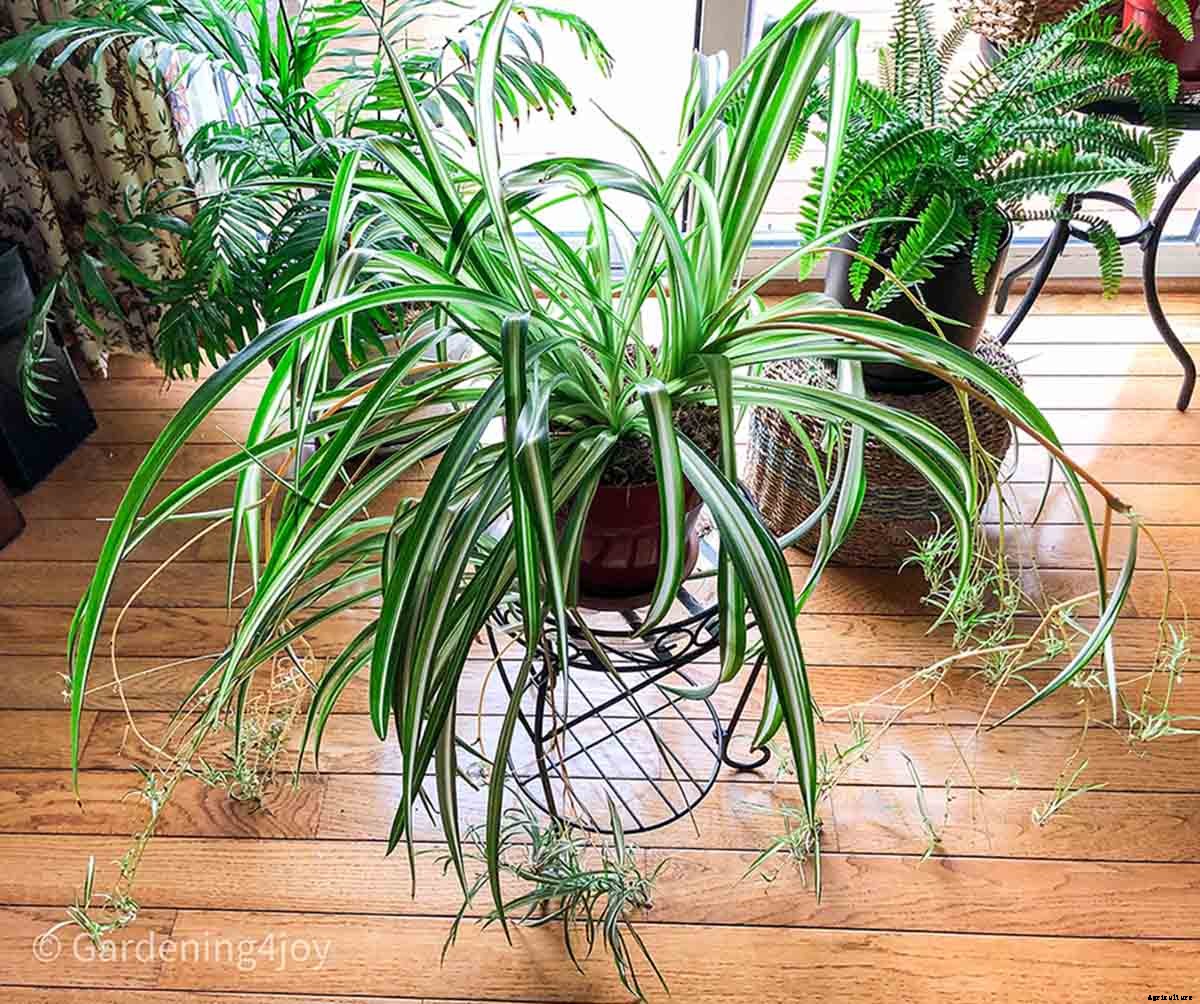
After graduating from college and moving into an apartment, a spider plant was the first plant I grew. Hanging from the ceiling, the spider plant with its long strappy leaves and cascading baby spiders was such a nice addition. Little did I know that a NASA study from the 1980s showed spider plants to be one of the top indoor plants for removing toxins from the air. Such a bonus!
In this post, I share everything you need to know about growing and caring for spider plants. If you are new to indoor houseplants, this is one of the easiest to grow and care for.
Spider plants are native to tropical and southern Africa and were first described by Carl Peter Thunberg, a Swedish naturalist in 1794. Today, spider plants remain popular as one of the easiest plants to grow.
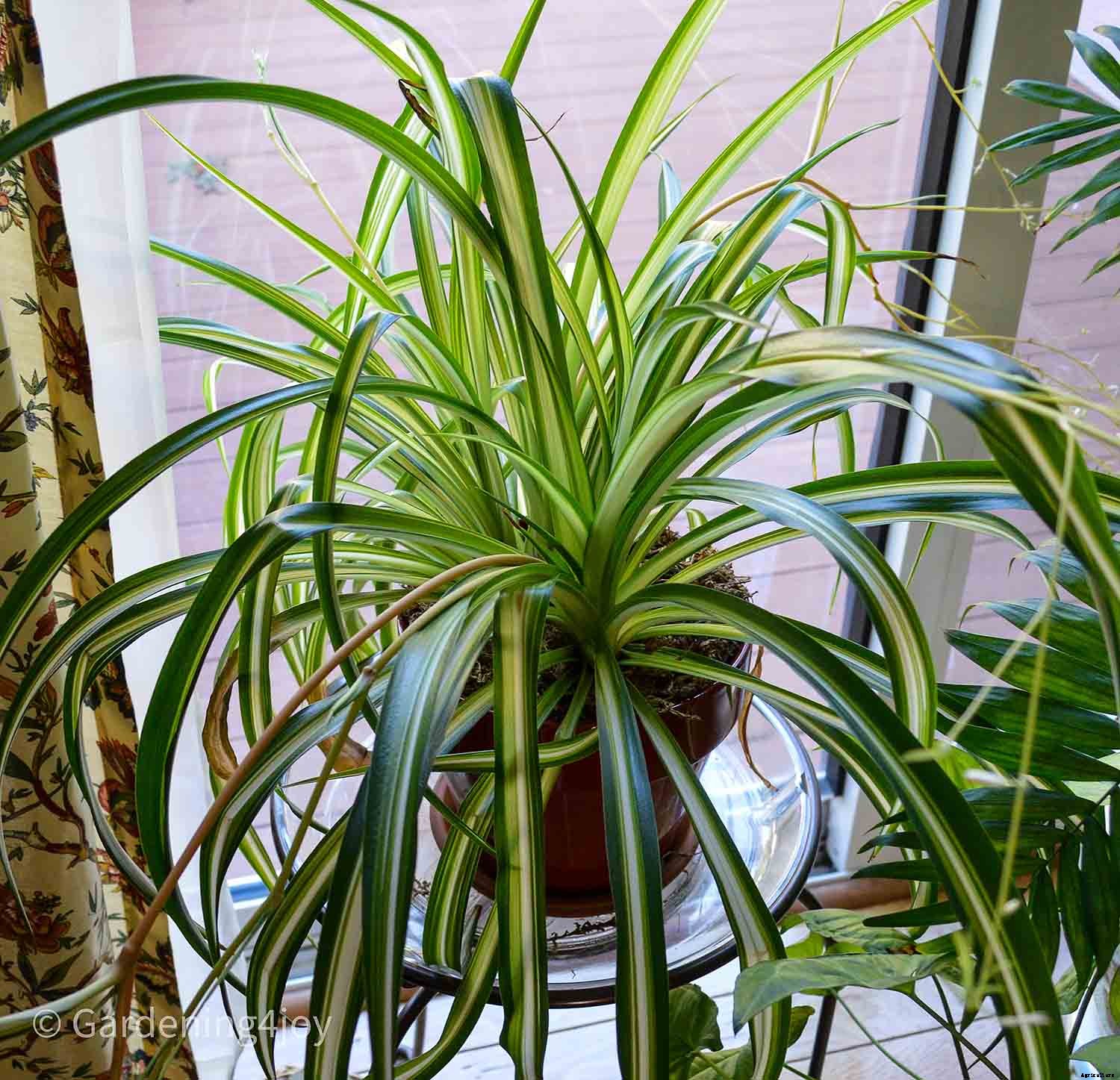
Spider plants (Chlorophytum comosum) are a species of herbaceous (no persistent woody stem above ground) perennial flowering plants in the family Asparagaceae. There are primarily three varieties.
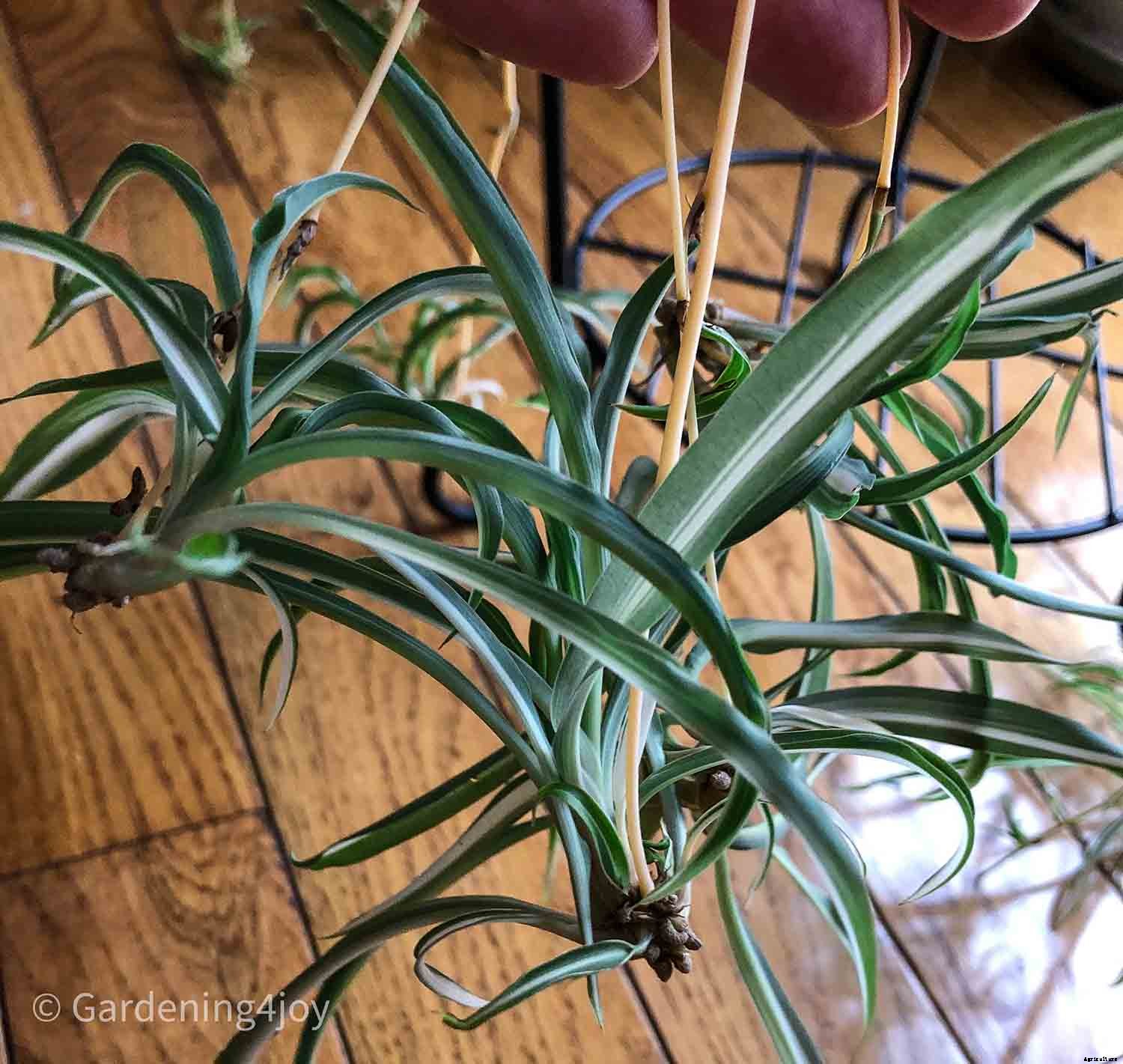
Spider plants grow quickly and can become two feet wide and two-three feet long. Their ability to grow ‘spiders’ or plantlets makes a spider plant unique. Sometimes referred to as an ‘airplane’ plant because the plantlets look like spinning propellers.
Pre-rooted plantlets grow at the end of offshoots and usually develop in the fall in response to shortened daylight. These offshoots also develop when a plant becomes ‘pot bound’. The stress of not having enough room to grow cause the offshoots to emerge. Prior to the plantlets, small star-shaped white flowers will grow at the end of the offshoot. These flowers are then followed by leaves that form the plantlets. Continue reading the propagation section under ‘Caring for Spider Plants’ below to learn how to use these plantlets to propagate new spider plants.
In this section, I will review the most important aspects of caring for spider plants: light, soil, water, fertilizer, transplanting propagating, and potential problems.
Spider plants prefer moderate to bright indirect sunlight. Plants should be placed within 3 feet of large south or east-facing windows. Avoid placing in a west-facing window as the afternoon light is too strong. Spider plants also like it warm with temperatures between 60-80°F (Fahrenheit) (warmer in the daytime).
Spider plants are not too fussy about soil. A general-purpose indoor potting soil can be used. If you purchase soil, ensure that it is pest free when you open it, otherwise, return. To understand the soil composition, check the ‘ingredients’ on the back of the soil package. Some potting soils have slow-release fertilizer and/or water retention crystals.
Before we get to watering, let’s discuss containers because there is a correlation. It is important to plant your Spider plant in a container that has drainage holes and a removable bottom saucer. Clay containers will dry out quicker than plastic due to the porous nature of the clay.
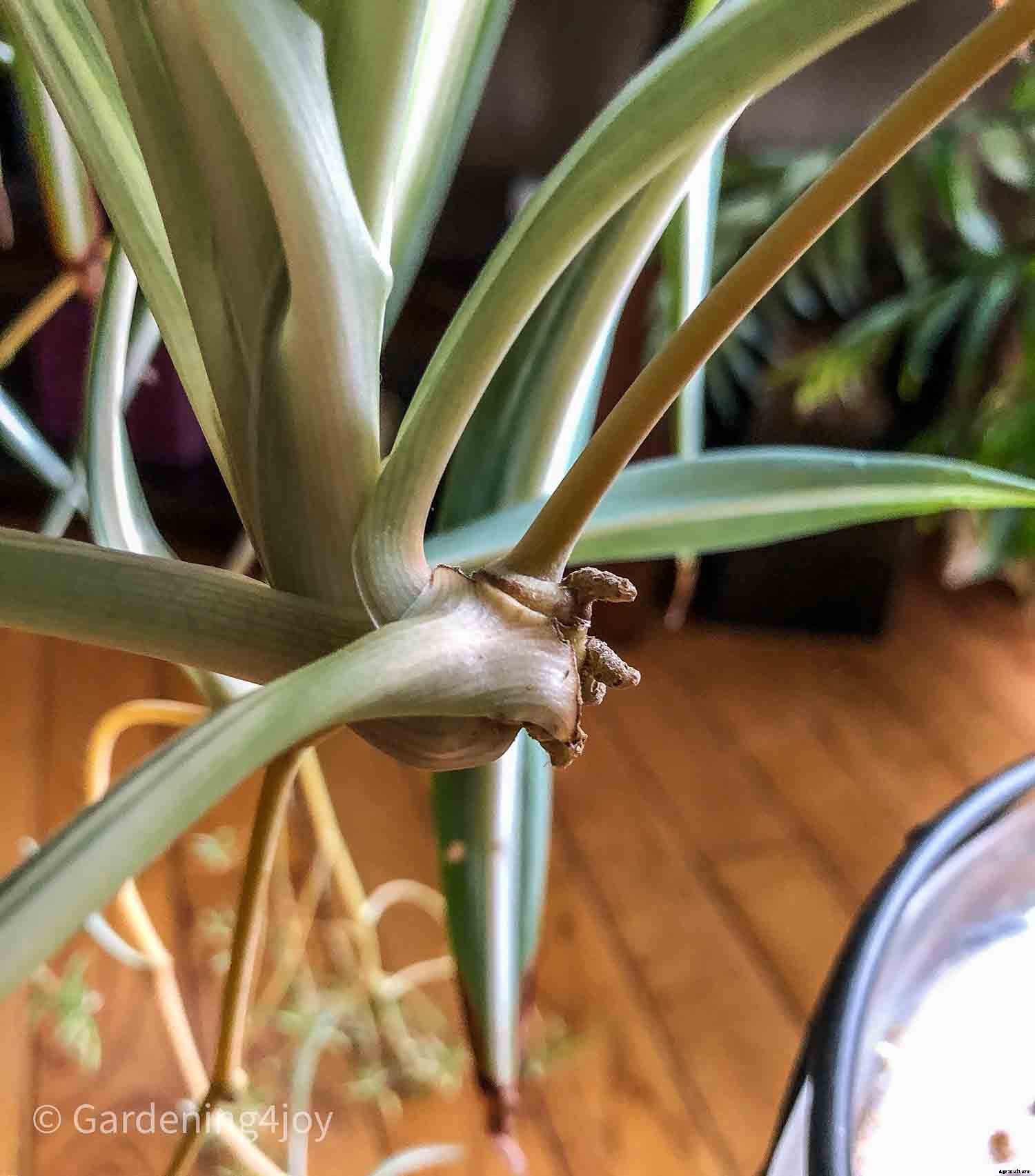
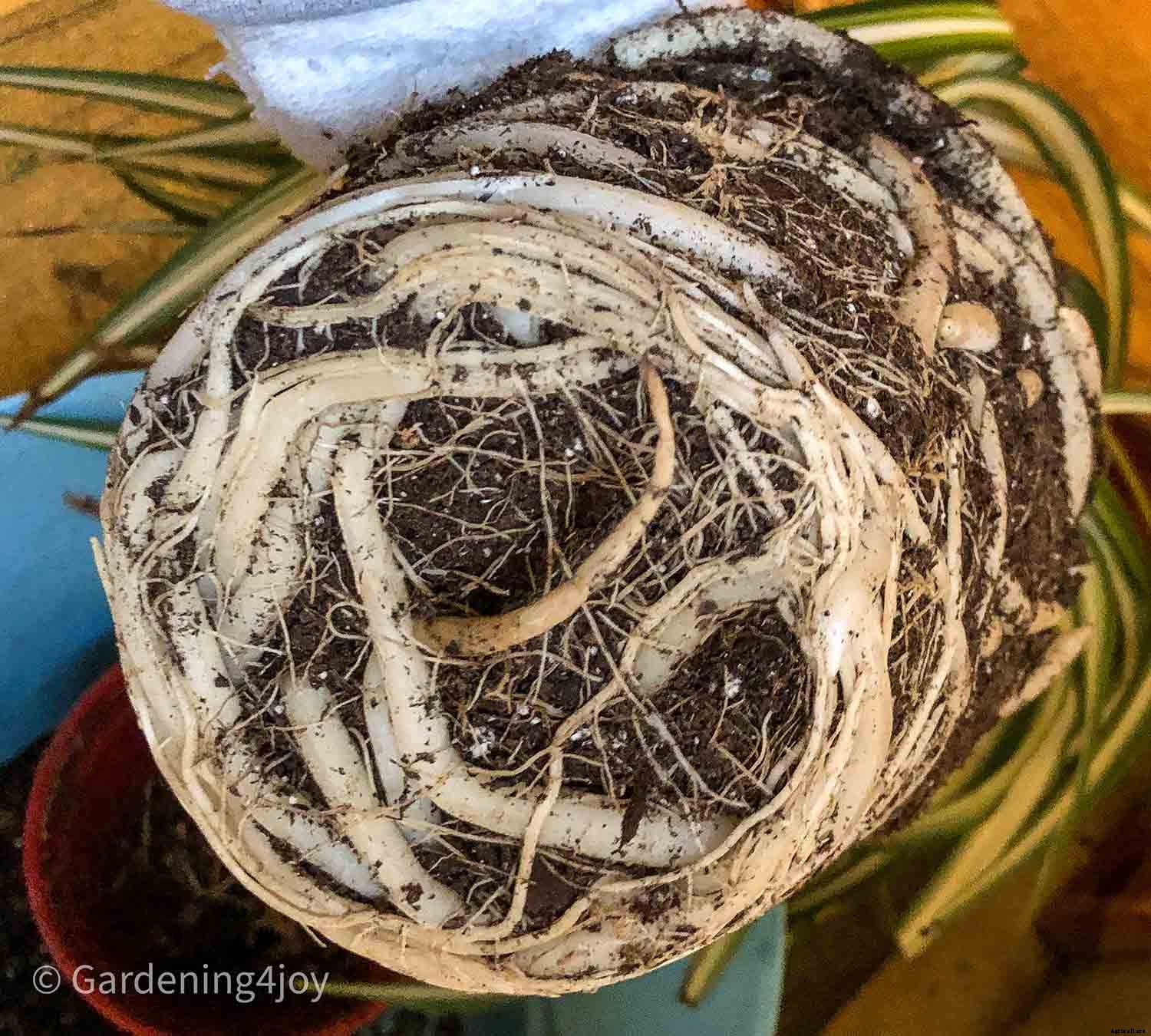
Spider plants have evolved to have tuberous fleshy roots and rhizomes. Because of this root system, spider plants can store water and thus endure inconsistent watering.
Spider plants should be allowed to dry out between watering. The question is how to determine when to water. There are two practices I recommend. First, look at the soil. Dry soil becomes lighter in color and may pull away from the sides of the container. Second, stick your finger approximately 2-inches into the soil. If the soil looks and feels dry, then water. Here are a few other watering considerations:
Always read and follow the directions on any fertilizer you purchase. Here are a few considerations when choosing a fertilizer:
A newly purchased potted spider plant may already have fertilizer in the soil. Because this is difficult to know when purchasing, one option is to transplant it into your own potting soil. Let the plant acclimate to its new environment for a week before transplanting. Remember to check the ingredients on the soil you purchase. Today, many commercial soil mixes contain slow-release fertilizers within the mix.
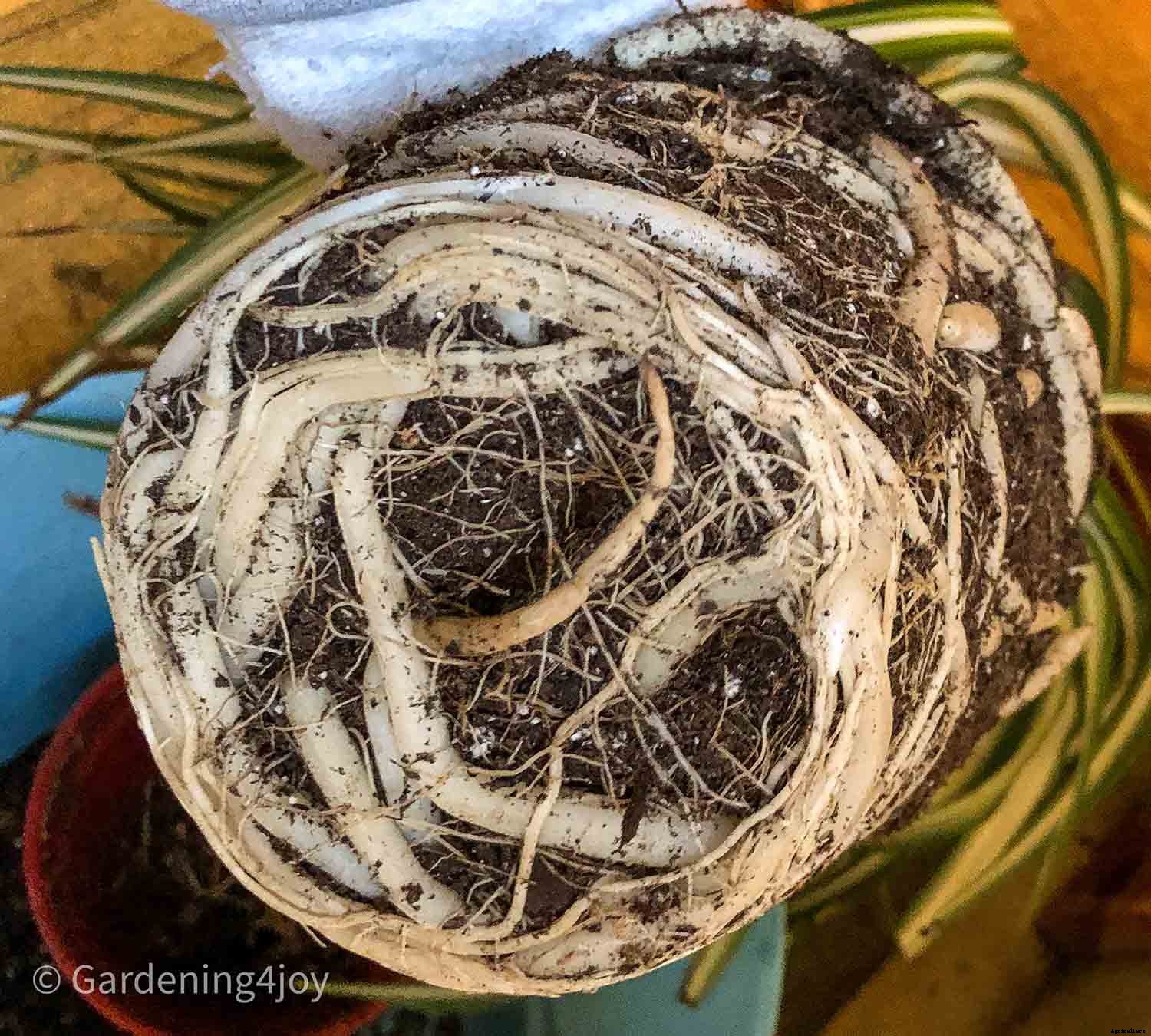
Due to the root system of spider plants, frequent transplanting is recommended. Transplant yearly during the first three years and then every other year. Spider plants that are somewhat pot bound encourage more offshoots to develop. When transplanting, only go up one size in a container. For example, if your plant is in a 6-inch diameter container, the next size should be an 8-inch container. Transplanting can occur in any season.
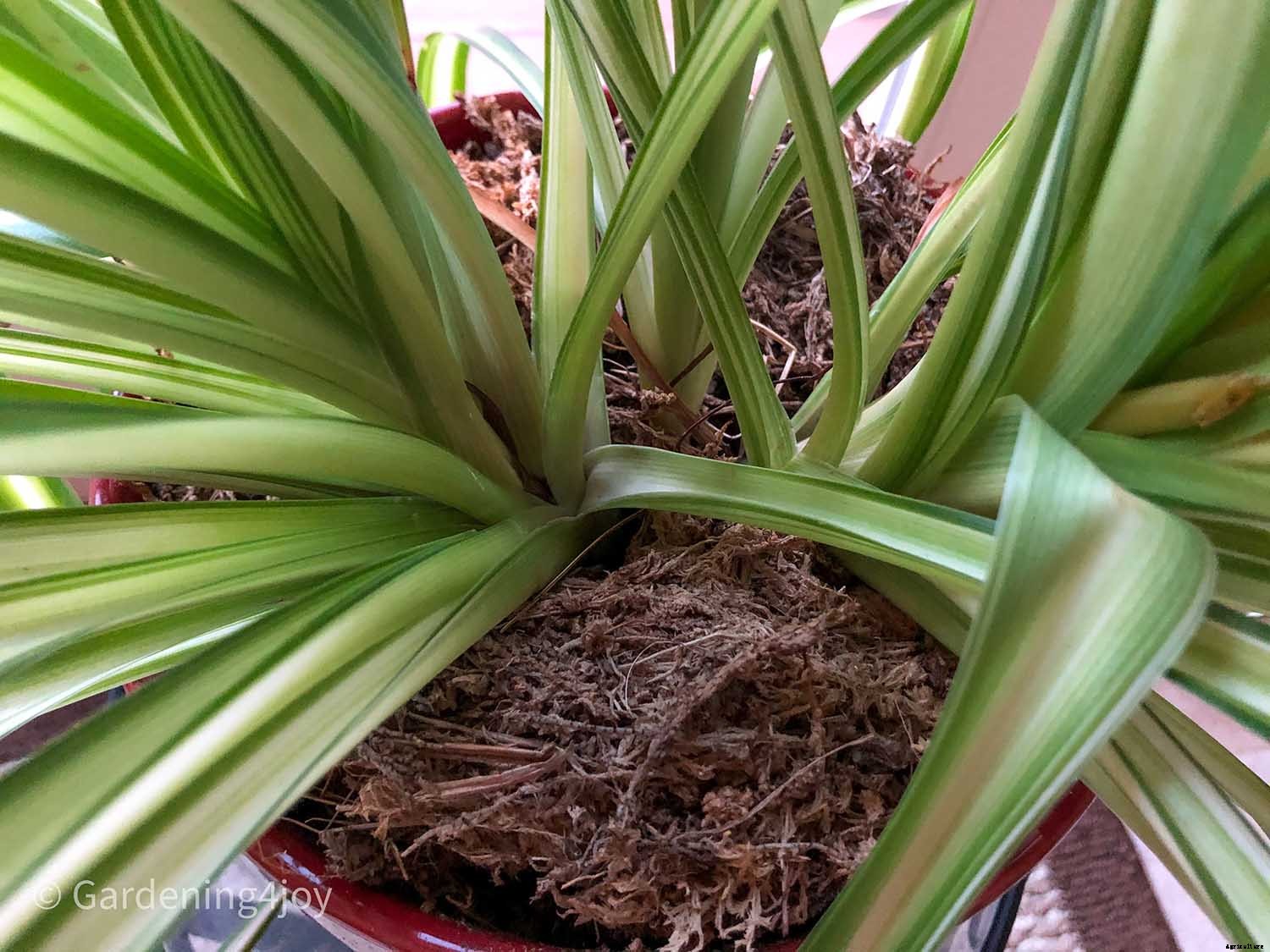
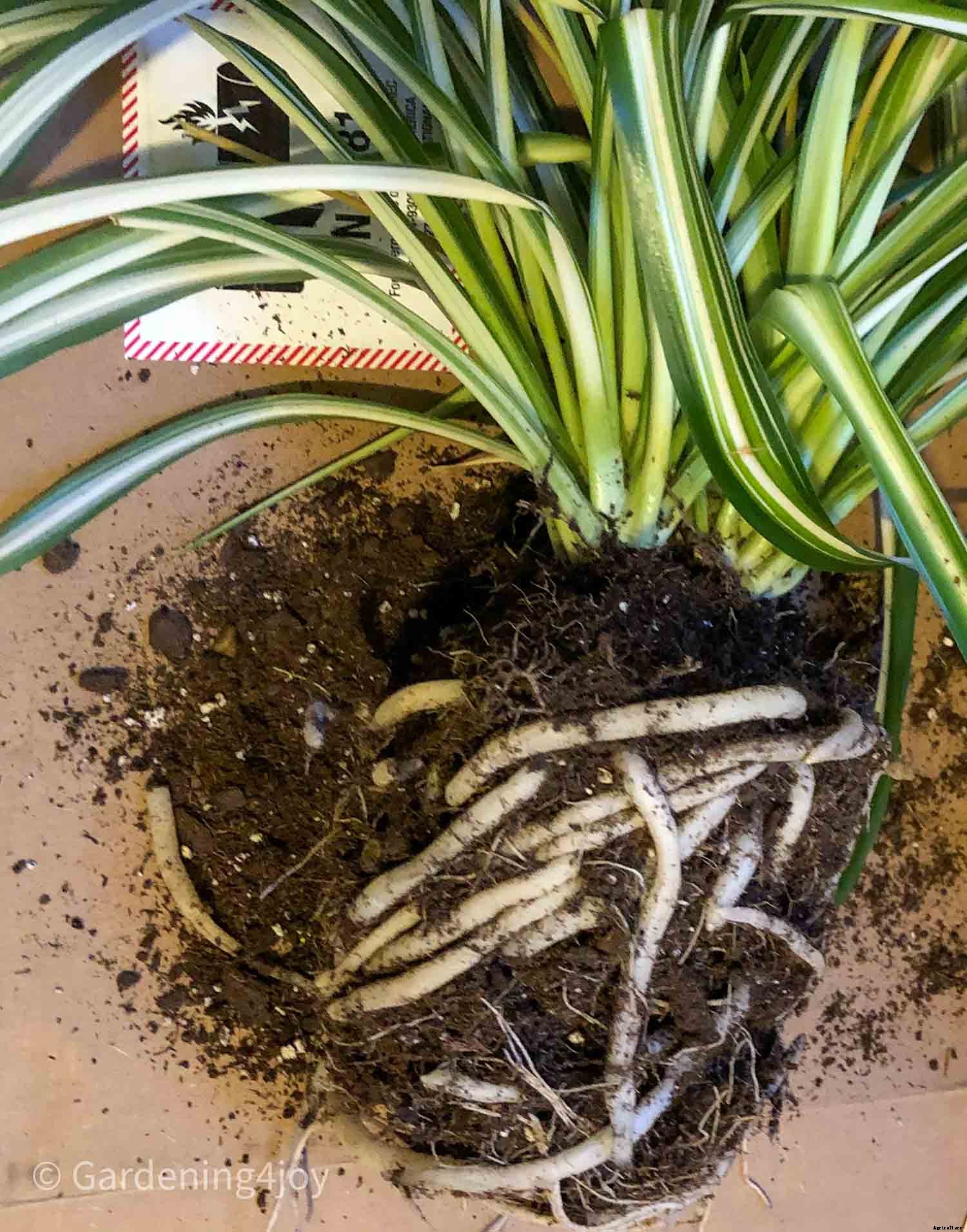
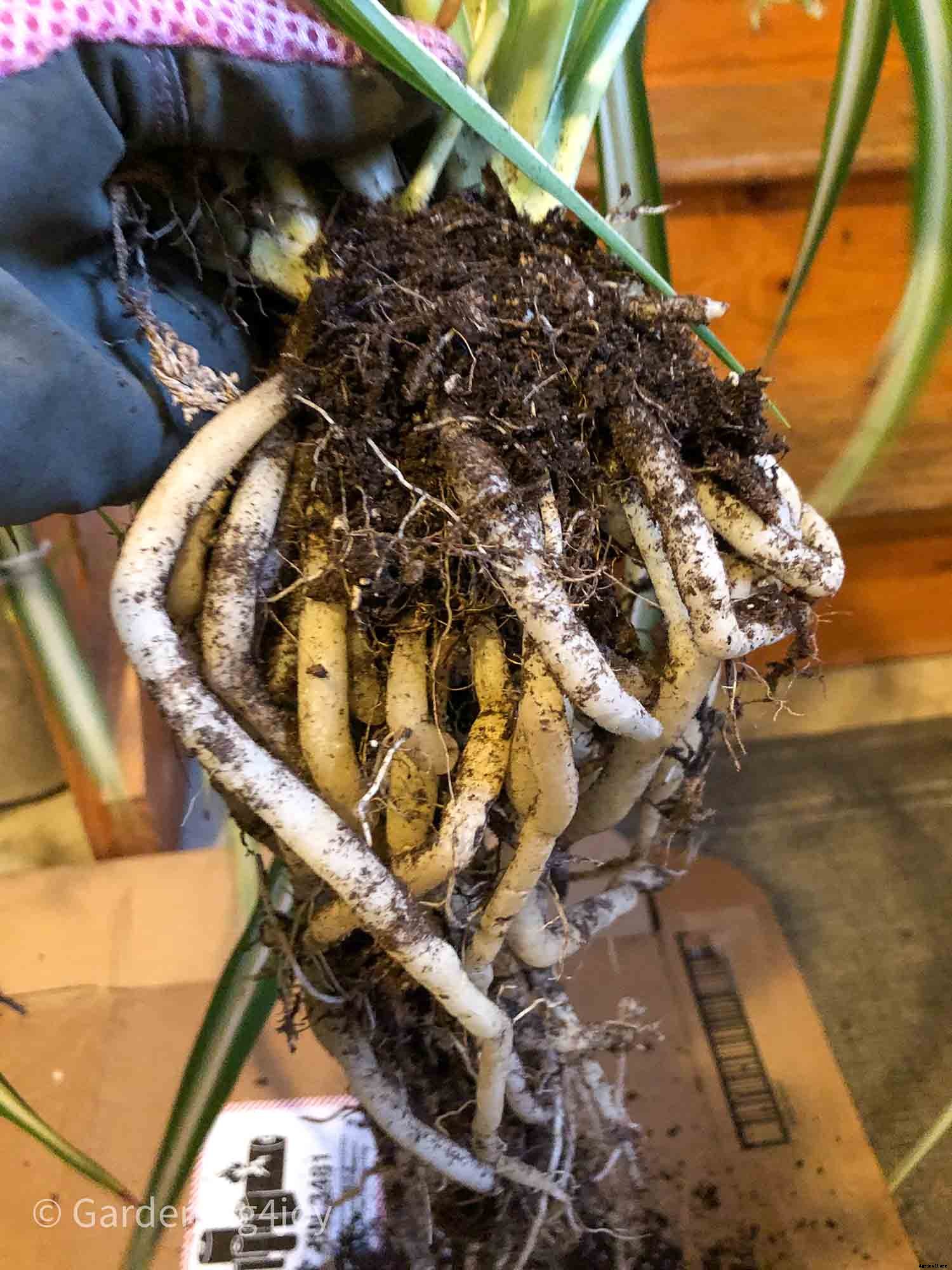
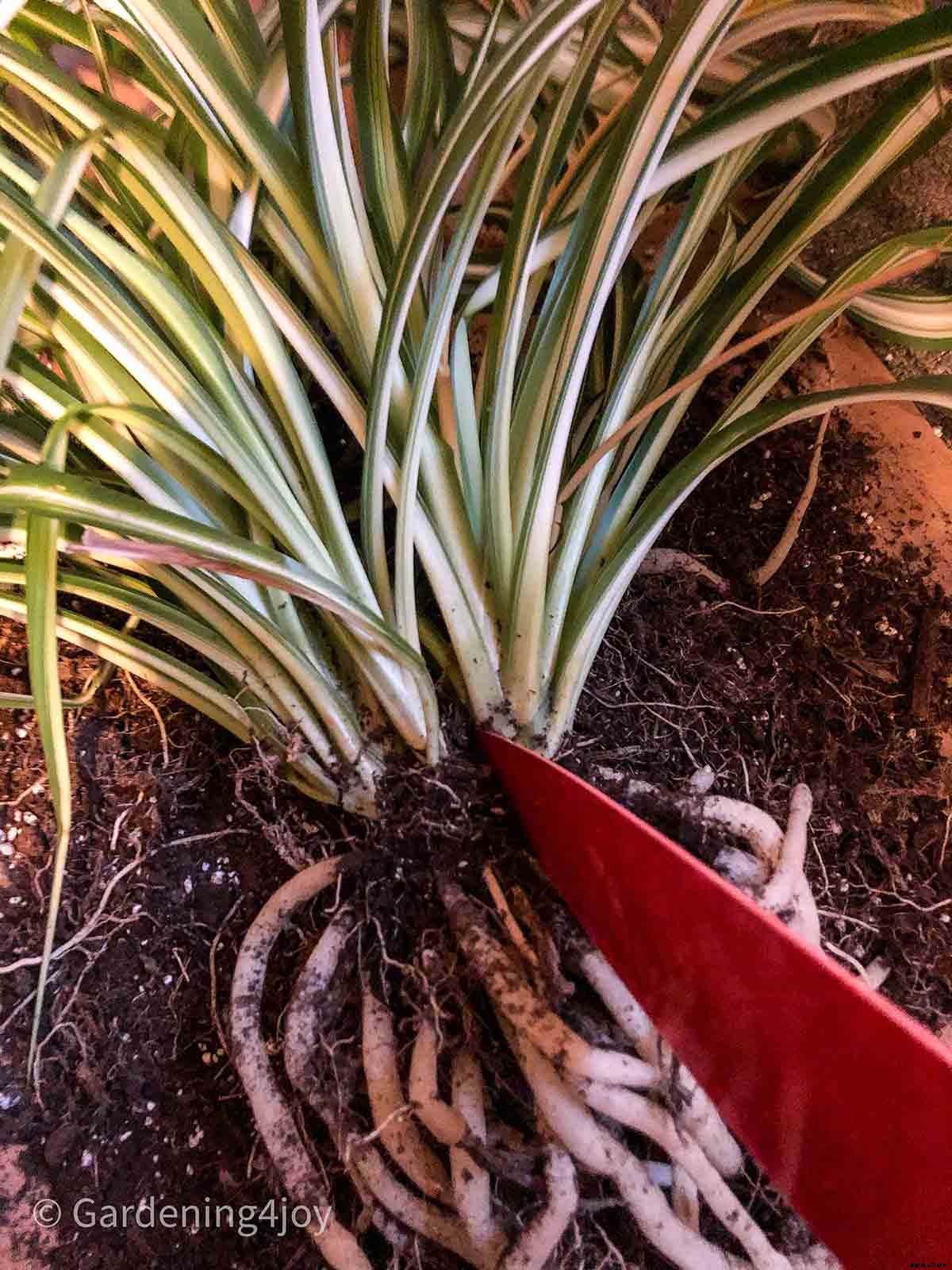
Here are the steps to follow when transplanting:
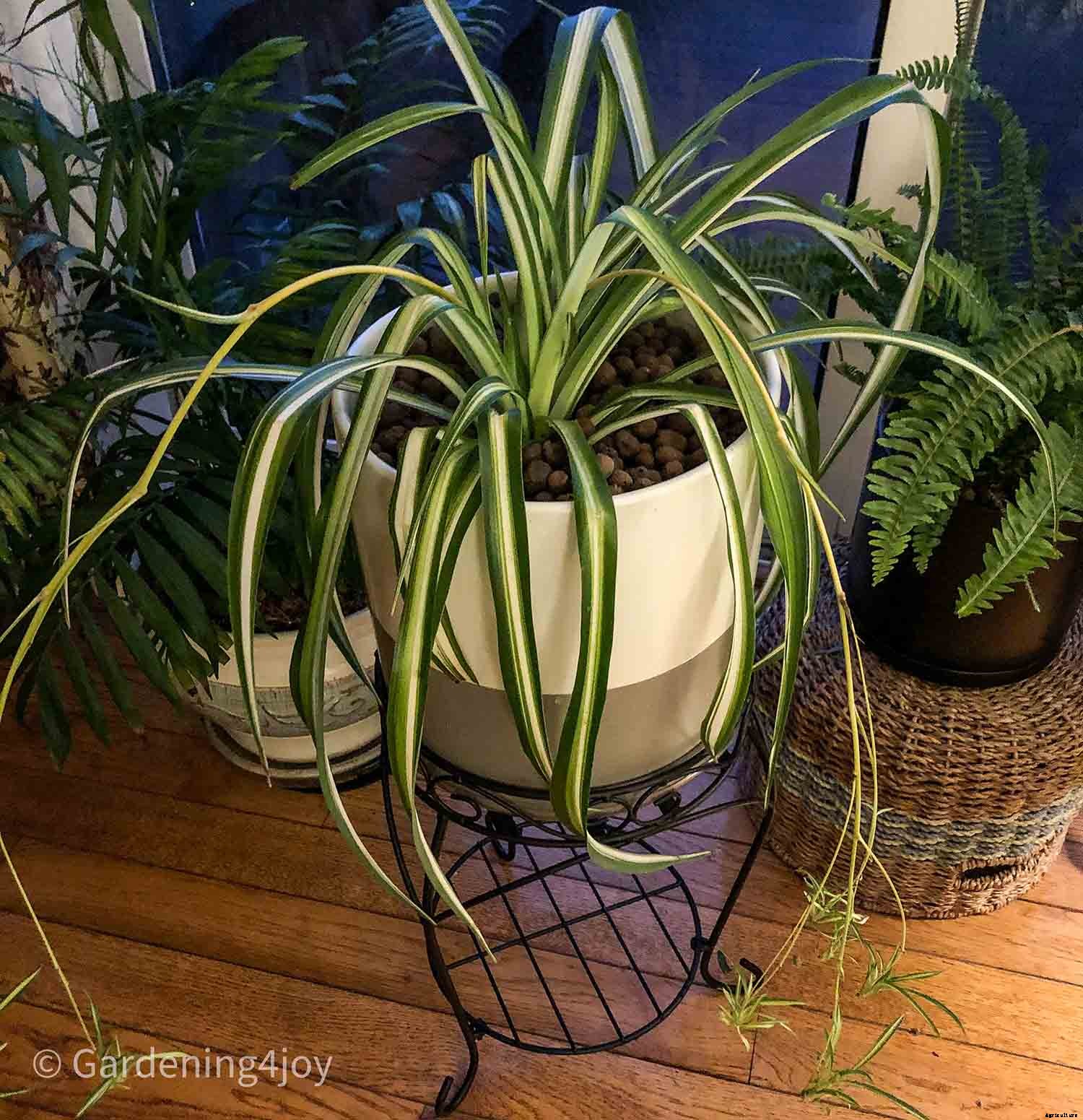
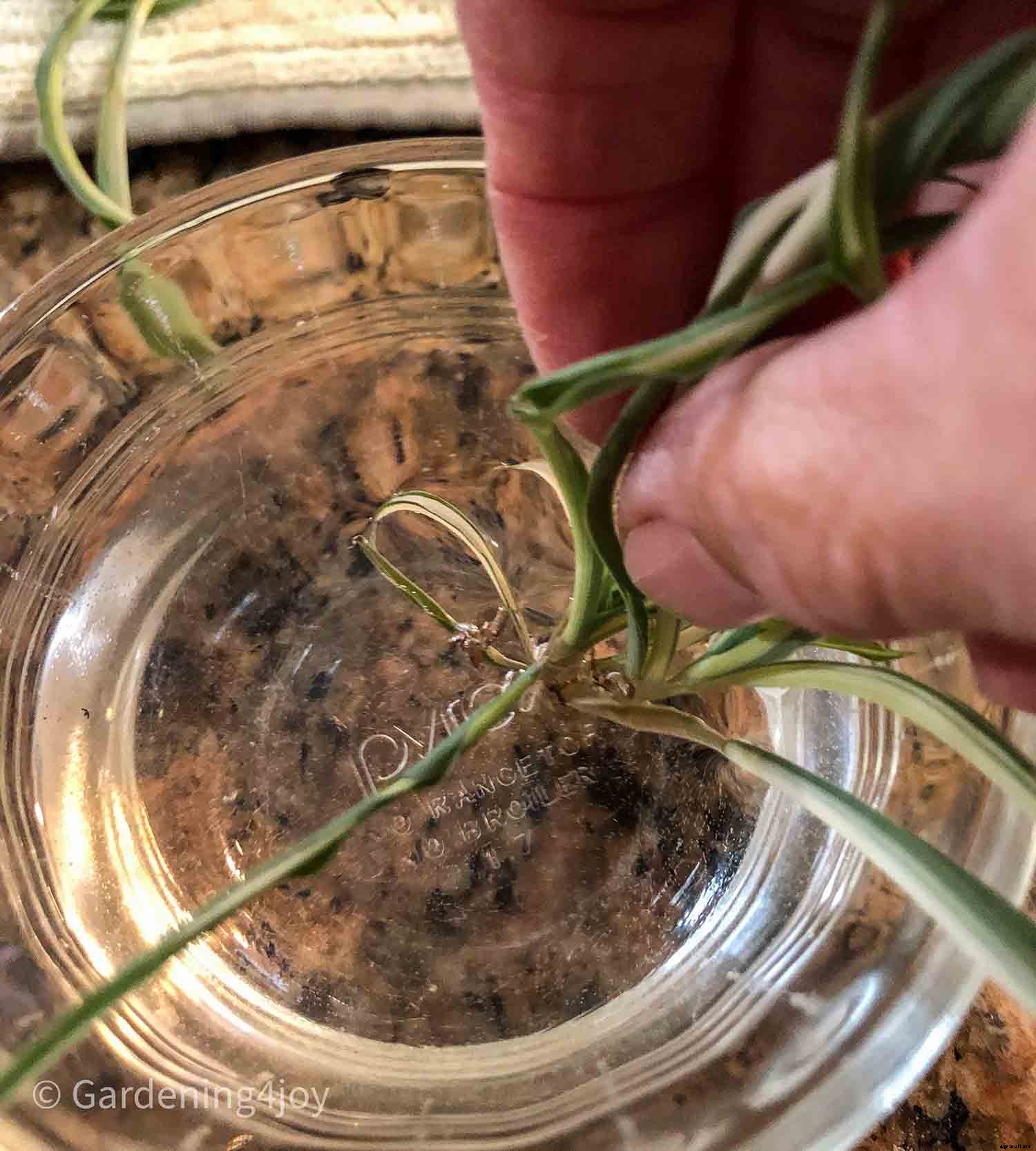
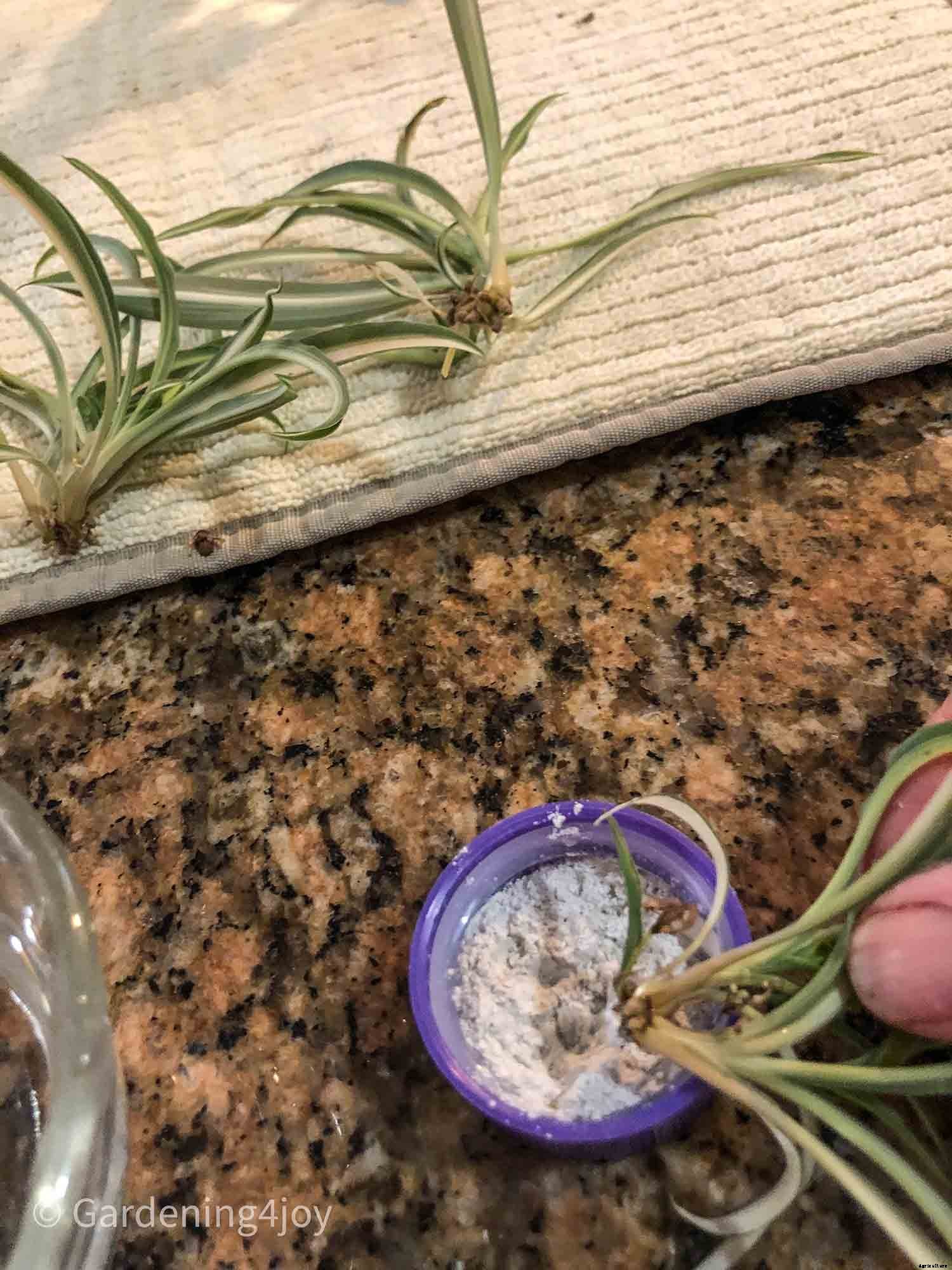
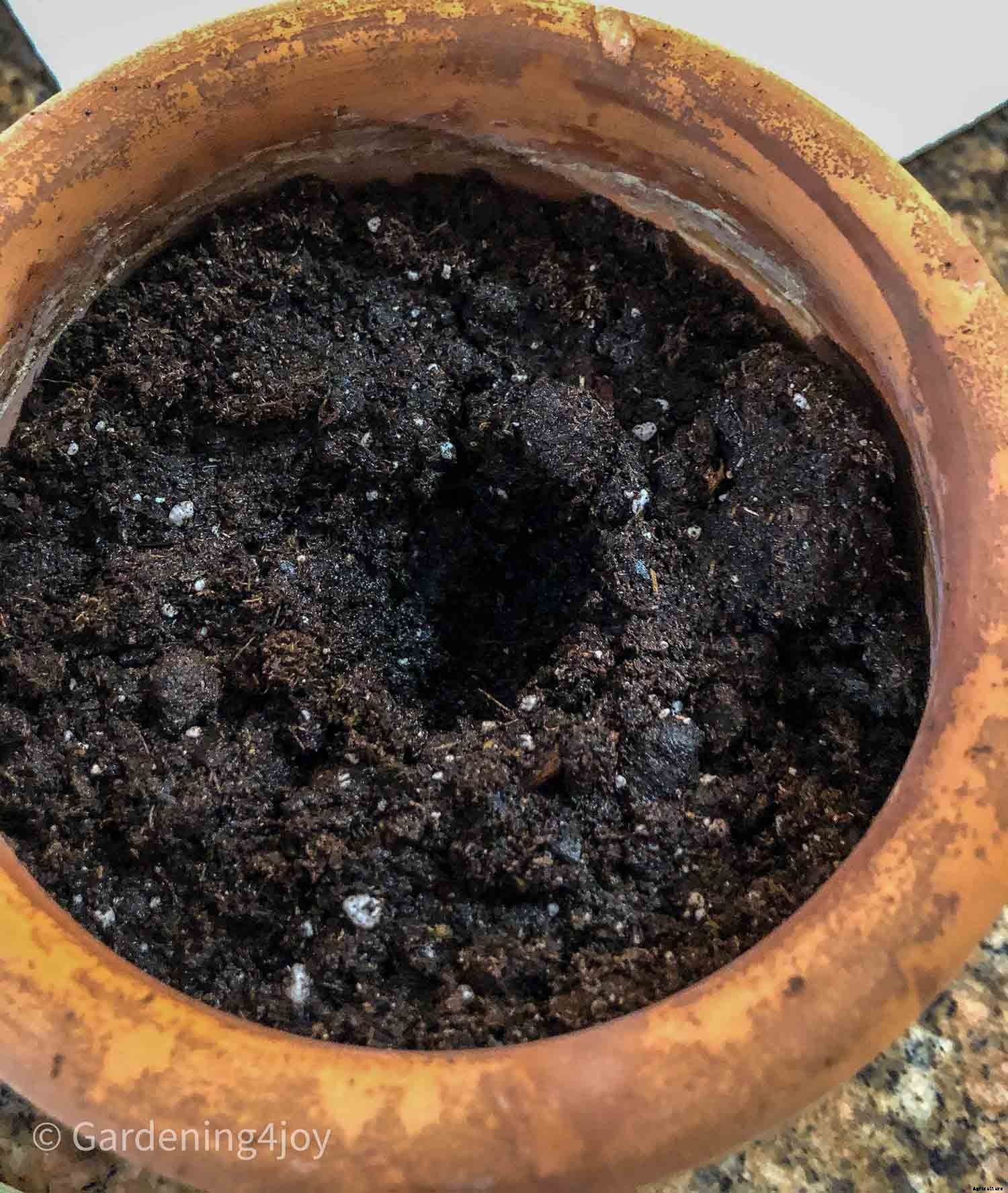
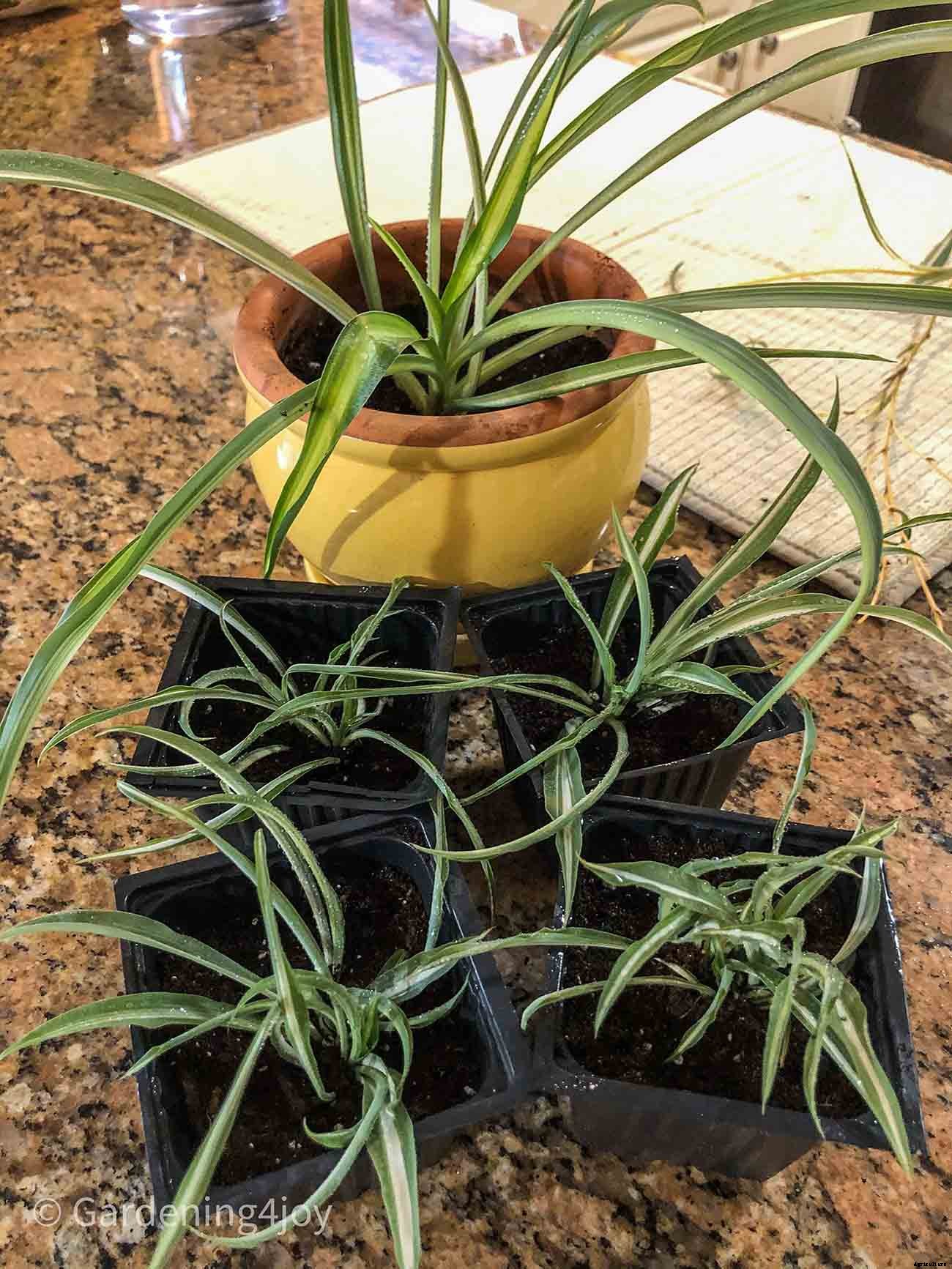
This is the best feature of spider plants. The plantlets that develop at the end of the offshoots can be directly planted in a good indoor potting soil. Plantlets can be propagated during any season. Here is the process:
There are a few common problems with spider plants but these problems are usually not extensive:
There you have it, the complete guide to growing and caring for spider plants. As with most plants, the key to success is good light, good soil, and proper watering and fertilization. I hope your spider plants bring you as much joy as mine bring me.
Here are a few other post that you may enjoy.


