
Welcome to Modern Agriculture!

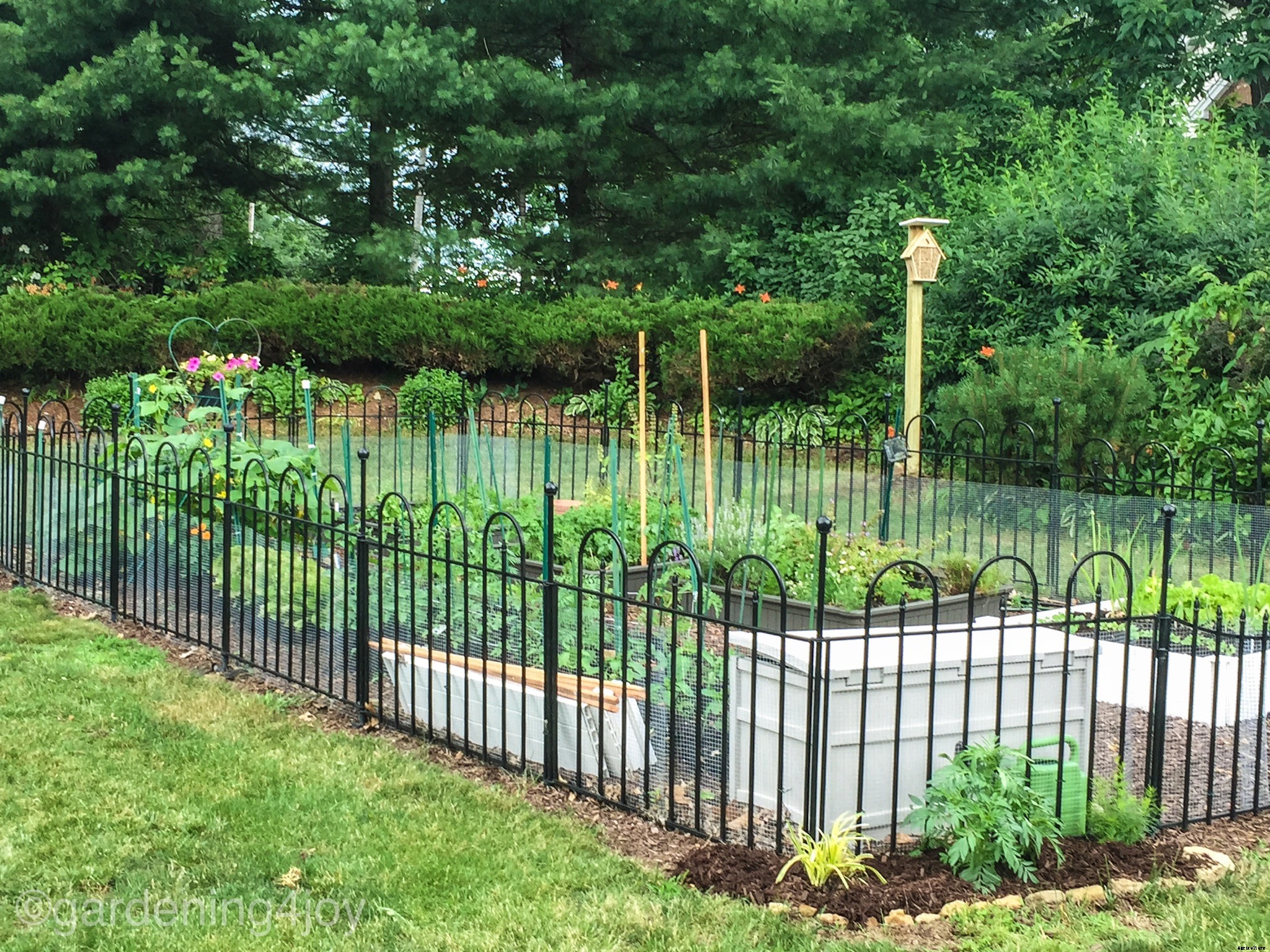
Crop rotation is one of the key practices followed by organic gardeners/farmers. Crop rotation is the practice of moving vegetables around your garden each year (e.g. not planting your lettuce in the same place each year). Why is this important? Rotating crops does two key things, first it interrupts the insect and disease cycle that may have disturbed your vegetables in the prior year and second it allows the soil to regenerate from the nutrients that the prior crop took out of the soil. In a small home garden this may be more challenging to both implement and see the benefits, but I encourage you to try. You will not know if you don’t try and it certainly can’t hurt.
Let’s talk about the process. I will discuss the process from the perspective of a home gardener. The steps simply require some thinking ahead, and yes, the development of a plan. Remember, plans and be changed and adjusted each year. I feel that the time you put in upfront on developing a plan will save you time in future years.
Draw a picture of your garden plots, both the size and number. I like to use either graph paper or excel to give me a realistic picture of my garden. For example, in my picture you will see a total of 11 plots. Seven of those plots will be 4’ by 8’ (1.2 meters by 2.4 meters) and four will be 4’ by 4’ (1.2 meters by 1.2 meters). One plot is a permanent perennial herb bed and will not be part of my rotation.

Inventory and create a list of the crops you plan to plant for the next three years. Again, this does not have to be perfect but should include all your staple crops (e.g. crops you plant every year). You may want to consider leaving one bed for experimentation.
Categorize your crops and define your rotation plan. As stated earlier, the whole purpose of crop rotation is to interrupt insect and disease cycles and to preserve nutrients. Therefore, we need to group ‘like crops’ and then rotate ‘like crops’ around the garden. Here are the general gardening categories that I use.

Now, leveraging these categories or groupings we need to define how to rotate these groups around the garden. Let’s look at my plan and I will discuss my logic.

In my rotation, I have thought through the following considerations:
Lay out the timeline for each year of your rotation. We know that everything will not be planted at the same time. In the plan below, you will see by bed# and by month when I will be planting which crops. In addition, you will see I have defined when I will use cover crops also known as green manure. Cover crops build the soil by fixing nitrogen, controlling weeds and adding organic matter. The cover crops will be incorporated into the soil prior to planting a new crop. I also had to consider the planting schedule for the cover crops (e.g. when each is viable). Vetch, Red Clover and Rye can be planted anytime.

There you have it, my crop rotation plan for the next three years. This process took me a couple of days to complete because I had to lay out my garden (I am expanding), determine what I will be planting and then figure out how it all fit together. Give yourself time. I know I had a feeling of accomplishment when I was done. While crop rotation leverages some scientific aspects, there is also some ‘art’ in defining your rotation. Have some fun with this exercise. I like to plan in excel and have attached a copy of my rotation in both excel format and in a pdf format (created using Microsoft Excel for Office 365, 32 bit).
Good luck!
PDF EXCEL


