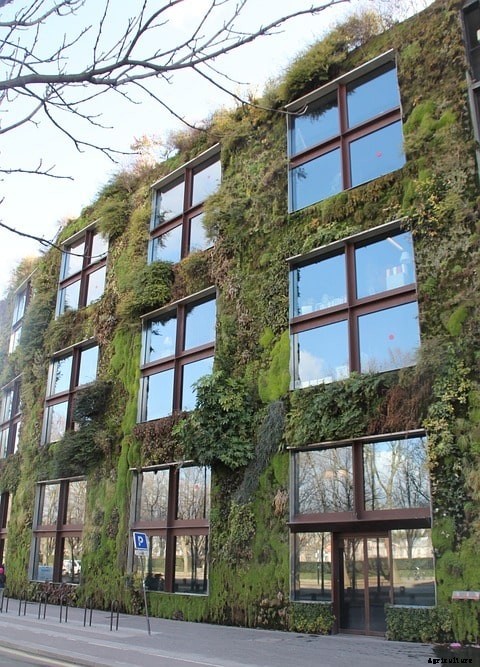
What is Vertical Gardening? Well, a Vertical Garden is a technical method of growing a garden vertically using a trellis or some other support. Vertical Garden is the new dimensions of indoor or outdoor growing spaces. The vertical gardens are the best solutions for beautifying indoors or outdoors walls. The plant grown with the support of the trellis is the best choice for vertical gardening. These vertical gardens are also called green walls or living walls. Through vertical gardening, you can grow delicious vegetables, fruits, and colorful flowers with the support of a trellis, garden nettings, a tower of pots, and over garden structures. A vertical garden is easy to maintain and capable of growing healthy plants with easy harvesting more productivity.
Why Vertical Gardening?
The concept of vertical gardens has become these days, the concept of vertical gardening a method of implementing the latest gardening techniques of gardening and resources to utilize the vertical space b training the plants to grow upward using some vertical support. There are many benefits of vertical gardening, here some we listed below.
Best Concept to Utilize the Small Spaces: this can be the best idea for people who are running out of growing space. Vertical gardening encourages the plants to grow vertically so this won’t occupy any horizontal space, this can be an ideal solution for gardening in apartments, terraces, indoors, and front yards with no outer space. In vertical space, you can grow many variety plants in a small space. This can be the best idea to beautify the walls indoors and outdoors. Vertical gardens can be grown on walls, fences, free-standing structures that are used to accommodate the new space to grow.
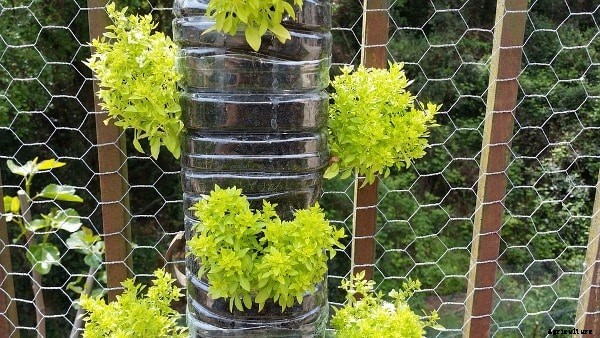
The Materials on Vertical Gardening: Vertical gardens are created on the existing structures and material or can build up new construction. Simple vertical gardening can be done using trellis for training the vines of the plants to grow upward, this can be the best option for wind plants. In the case of other plants, use recycled materials like old pots, mason jars, old furniture, two-liter bottles, etc. can be a good idea. Vertical gardening is also designed with strategically stacked crates and planting boxes to create walls of plants.
Plantsfor Vertical Gardening: Huge variety of plants are grown in vertical gardens. Many varieties of flowering plants, vegetable plants, shrubs, herbs, succulents can thrive in a vertical garden. Here a list of plants that are grown in vertical gardens
Foliage plants for Vertical Gardening: Mondo Grass, Common Ivy, Boxwood.
Flowering plants for Vertical Gardening: Lily of the Nile, Lily of the valley, Lavender, Geranium, Clivia, Mandeville, Hydrangeas, Vined Variety Roses.
Succulents for Vertical Gardening: Agave, Crassula, Hen and chicks, and cactus.
Vegetable plants for Vertical Gardening: Lettuce, Spinach, Herbs, Onions, Garlic, etc.
Select the plants as per their growing requirements will get to know which plants the best suit your garden.
Easy Setup: Vertical Gardens show a great impact on compact spaces. These gardens have an easy buildup process, first list out all the necessary materials for gardening. Collect all the traditional boxes to unique recycled materials. there are many, videos and apps available to help you in building a suitable vertical garden.
Same as container gardening, vertical garden plants grow healthy with good quality potting soil and watering requirements. In vertical gardening, the plants are more exposed which results in deplete of water and nutrient levels. Regular monitoring of water and nutrient requirements of plants will keep a vertical garden healthy.
Easy Accessibility: Growing plants in a vertical garden, keep plants away from fibromyalgia and arthritis. In a vertical garden, the plants are easy to tend as they are more visible. Vertical gardens promote air circulation and light penetration in plants. Pests and diseases are easily detectable and controllable. Harvesting is the easiest part of vertical gardening.
Vertical Gardening for Healthy Plants: the plants grown off the ground are healthier. In the vertical garden, the plants have more exposure to sunlight and air circulation, which supplies necessary nutrients for the healthy growth of the plants. Air circulation and the sunlight will make plants more resistant to fungal diseases and pests. But in vertical gardening, the gardener must face little trouble with weeds and invasive plants.
Vertical Gardening Adds beauty to our house: Vertical gardening is the best decorative theme for your home. The adaptability of material and plants used in vertical gardening makes it suitable for growing in any part of the house.
Cleans Air: Plants help to clean the air. A living wall in a living room can show a great impact on your health. Indoor gardens can collect dust and cleanse the pollution in the air.
And plants play a major role in keeping our BOD (Biochemical Oxygen Demand) and environment healthy. And vertical gardening has is more beneficial than the other gardening system, as it is more suitable for indoor environments, office cubicles, kitchen, bedrooms, balconies, and living rooms. And vertical garden on our home wall can control the house temperature by protecting homes from the heat.
Best Plants for Indoor Vertical Gardens: Not all plants grow well in indoor climates. Here are a list of plants suitable for indoor vertical gardens:
Indoor Vertical Gardening.
Philodendron: It is the best ornamental plant that is the best option for indoor vertical gardening. These are vine variety plant has an aerial root that holds on any structures. These plants have a great look and don’t need lots of attention and can easily grow and spread around. But should keep size compact with constant pruning and pinching.
Sword Ferns: Ferns another best plan for vertical gardens, even these plants very easy to grow and don’t need much maintenance and care. These plants are tropical plants and need a wet environment. For growing these plants indoors, select a warm location with good water resources.
Wedding Vine: Stenphanotis floribunda is also called wedding vine, the best choice for indoor vertical gardening. It is called a wedding vine for its usage in weddings. These plants grow in any climatic conditions, these grow up to 20 feet and won’t spread all over the wall.
Hoya Carnosa: these are hardy shrubs, these are dense and compact variety plants that can spread up to 1 meter. These plants need some care and can survive well in all climatic conditions. These plants have gloss green color, with yellow flowers that add an amazing look to the garden. These plants are diseases resistant and pest-resistant.
Pothos: these plants are the best choice for indoor vertical gardening. These plants thrive well in low-light conditions. It is a vine variety plant, that grows up to 20 feet. Constant pruning or pinching keeps the plant in desired shape and size. The vines of these plants should be trained in the desired direction to grow up.
English Ivy: these are evergreen ferns, these fern plants don’t need much care. These plants are grown horizontally and vertically. These plants don’t need much care. They look good indoors and best decorative plants. These plants grow aggressively and need constant pruning.
Wax Flower: these another best option for indoor vertical gardening. Waxflower plants need a sunny and warm climate. These plants thrive well in humid climates and don’t need much care. These plants produce amazing flower which grows repeatedly.
Vertical Gardening Designing Ideas
Vertical Garden has many shapes, sizes, and configurations. Vertical Gardens can be designed in many ways, some gardens can hang on a wall, or some gardens are grown on garden stands with shelves stacked on top of each other. A simple two-tier growing stand can form a vertical garden. Below are some latest vertical gardening ideas:
Vertical Gardening with Living Walls: Vertical Gardens are also called living walls, turn a normal; wall into a beautiful green or living wall by decorating it with some vertical gardening idea. Felted planting pockets are the best choice for a vertical garden on walls. These felted planting pockets hold the soil and capable of growing plants. These growing pockets have a built-in water system, that supplies water to the plants automatically. Plants like philodendrons, fern, and other indoor plants are suitable for this method.
Outdoor Vertical Gardening.
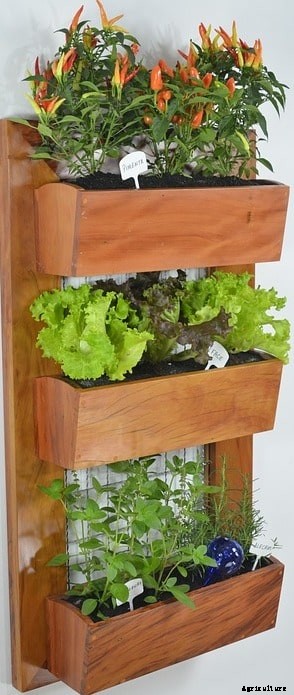
Garden on a chalkboard: Chalkboard planter box is a stunning idea for a vertical herb garden. These vertical garden boxes can be mounted to the wall and occupy very little space, and an easy way to grow and harvest fresh herbs along with a lush green to the kitchen or outdoors. These planting shells offer planting cells, fill these cells with potting soil and herbs of our choice, and water the plants as needed. This model vertical garden should be placed on a bright east or south window for sunlight exposure.
Vertical Gardening with Used Food Tins: A vertical garden with used food tins with the support of a trellis is an amazing idea. Collect used food and color them with attractive colors and punch a hole for draining the system and a hole for hanging. Hang these tins on galvanized deck screw driven off into the trellis. These vertical gardens are used to plant seasonal plants like tulips in springs and succulents in summer and pansies in the fall or winter.
Vertical Gardening with Wooden Frames: Vertical garden in wooden frames gives an artwork look to our walls. Plants like Sempervivum (also known as hen and chicks) or houseleeks are best to grow in wooden frames. These are attractive plants that come in a variety of sizes and colors and are drought tolerant and are shallow-rooted. The wooden frames have soil extended behind and covered with a wire mesh that you plant through. For the first few weeks of planting place the frame flat on the ground to let plants root and anchor into the soil. The mesh in the wooden frames supports the plants when the frame is placed upright.
Self-watering planters for Vertical Gardening: Self-watering pocket planters can increase your growing space outdoors or indoors. These self-watering boxes are made of plastic and can hold a good amount of potting soil and with 2 cups of water storage. Use any commercial potting soil rich in organic matter and should be capable of holding moisture for long periods. Choose the herbs, Scaevola, and Lantana plants that can tolerate drought conditions are the best choice.
Vertical Gardening Kit: Vertical garden kits have been planting pockets with the trellising facility. This vertical garden kit is suitable for growing tropical plants, pothos, Syngonium, and philodendron. These garden kits are suitable for designing a narrow wall with a vertical garden. These kits even suit shelf-sitting and have a water re-circulation and a self-watering system.
Vertical Gardening with concrete blocks: Decorate your deck or rooftop with greenery by creating concrete block planting pockets. Concrete blocks can be of the desired shape and depending on your mode of vertical gardening. The small annual plans create a one-block concrete planter box. These concrete boxes are used to grow succulent, asparagus fern. These are the best choice for growing vegetable crops like patio tomatoes, lettuce, bush cucumber, beets, radishes, and turnips.
Canvas Wall Pocket Vertical Gardening: These are most feasible and attractive vertical gardening design, it resembles like a hanging shoe rack. These canvas wall planters have individual pockets or small pots. These vertical gardens are easily adaptable and easily movable. Should check the strength of the hooks to support the weight of the plants and soil. And the surface you hang these vertical gardens should be waterproofed.
Vertical Gardening with Gutters: this is a low-cost vertical gardening system. Collect gutters and paint them with some bright and attractive colors. Make some holes for draining. Use a bamboo screen as a backdrop that gives a pleasant look to your garden. In the Vertical gutter garden, plant some annual short plants like Alyssum, dwarf plant varieties of marigold, Gomphrena, dahlia, or zinnia. And vined plants like Bidens, jenny, or potulaca.
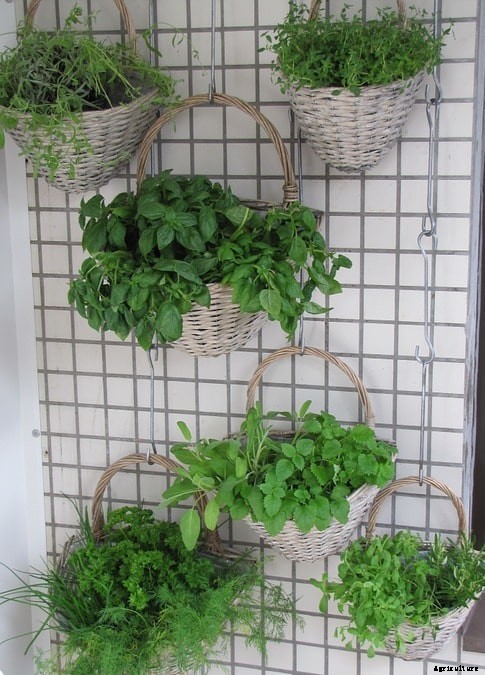
Vertical Gardening with Baskets: Use some deep baskets, and hang them on walls, fences, and railings. These baskets can create a beautiful vertical garden. Baskets should be covered with plastic bags and weed fabric cover to avoid dripping of water and soil. These baskets are used to grow blooming plants like calla lilies Asiatic lilies and short alliums. Many varieties of baskets an attractive shapes, colors, and sizes.
Vertical Gardening for Growing Vegetables: For growing edible plants in vertical gardening create an edible living wall. These edible living walls have planters that hook over the metal strips on each wooden board. These vertical living gardens are used to the vegetable patch and put plantings within easy reach of every gardener.
Hanging Vertical Gardens: these are vertical garden has metal planters, these planters are a perfect choice for growing succulents, ivies, flowering annual and herbal plants. These metal planters are used to grow plants like tatsoi, basil, mustard, and beets. These are three-tier vertical gardens, where each metal planter is connected to another with metal chains on both sides.
Lattice Vertical Gardening: this technique of vertical garden includes, creating a living wall by inserting individual plants into a piece of lattice or customized wooden frame. These vertical gardens are adaptable, and pots are easily replaceable.
Vertical Gardening with Hanging Pots: Vertical gardens with hanging pots on a metal trellis, rail, or fence are simple vertical gardens that are easy to set up. We can use recycled pots or customized pots, but the strength of the trellis plays a major role. If you are choosing vertical gardening with hanging pots, installing drip irrigation will make watering easy.
There are many more ideas, make a deep study, select a suitable idea for your environment and start gardening.
Vertical Gardening Ideas.
How to start a vertical garden?
Choose the Best Design for Vertical Gardening: there are different models in vertical gardening. Select an easy and suitable design, and a container-based vertical garden could be the best idea. Where the containers are mounted on the walls or shelved in rows or stacked in wooden or metal holder. Another best option can be a pocket garden, where the plants are stocked in pockets made from canvas. Another type of vertical garden is built using large plastic or wooden wall planter with sockets, slots, or panels. These vertical garden systems have a mesh that controls the dripping of soil. In the case of wooden frame vertical gardens, landscape fabric is framed around the pallet. the pallet is filled with soil, and plant grown in the slat opening.
Choose the Best Location for Vertical Gardening: Vertical gardens build indoors or outdoors, depends on the growing requirements of the plants. Some plants grow in indoor climates in shade and some need full sun to thrive. So, select the location depending choice of plant grown. In the case of hanging containers, which can be shifted around depending on the seasons. In case wall-based vertical gardens, walls should be waterproofed to make them water moisture resistant.
Choose the plants for Vertical Gardening: succulents, herbs, vegetables, vine variety plants like philodendron, perennials, and ferns are grown in vertical gardening. And should be aware of the plant’s flexibility as the plants are grown vertically. Before selecting plants for vertical gardening, choose all- sun or all shade plants. Grow the plants together, which have the same growth rate with the same growing requirements. Don’t mix up the fast-growing plants with slow-growing plants. Select the plants as per their growing requirements and growing characteristics.
How to Start Growing Plants in Vertical Garden: If growing a vertical garden on wooden pallets or containers with panels, for the first few weeks grow them horizontally, once the roots get established the plants could be capable of soil in place.
Potting Soil for Vertical Gardening: For vertical gardening use good quality potting soil. Vertical gardens are more exposed to the sun, so the potting soil gets dry out quickly. It is recommended to use soil-less potting soil, should be rich in organic matter, and should be capable of holding moisture for long periods. Select the plants that don’t require more water for vertical gardening.
Watering Requirement for Vertical Gardening: Vertical Gardens require more maintenance than ground gardens or container gardens. The vertical garden on the walls are compact and they have very little soil, so these gardens need more water. Drip irrigation is the best option for large living walls. Their many ranges of drip irrigation systems are available in the market. These drip irrigation systems for vertical gardening have fine hoses and timers. If you are having a small-sized vertical garden, water cans are good enough for watering, but make sure that the water is distributed evenly.
Irrigation Plans in Vertical Gardening: To provide sufficient water to the plants, design irrigation plan as below mentioned:
Garden Hose: Watering the plants with a gardening hose is a time-consuming process. But home gardeners prefer watering with water cans. There are many accessories like sprayers, watering wands and root waterers are available in the market.
Soaker Sprayers: Hoses having a number of small holes are the best water systems for row planters. These hoses are draped around the elevated containers. This watering technique is simple and cheap and takes very little time.
Sprinklers: Sprinklers are the most efficient watering methods. Most preferred watering technique for front yard and outdoor vertical gardens.
Drip Irrigation: this can be the best choice for a large and permanent vertical garden system. In drip irrigation, a permanent irrigation system is built with piping attached to the nozzle. you can contact nurseries or garden centers for a suitable drip irrigation setup.
Pests and Diseases: Vertical garden plants are more resistant to pests and diseases as they are exposed to sunlight and have good air circulation throughout the plant.
Read this: Terrace Gardening.
Tips for Growing Plants in Vertical Gardening
Vertical Gardening Tips.
If growing plants like flowering plants, herbs, onions, and succulents that have shallow roots use soft pouch-type containers.
The plants like strawberries and bushy veggies use rigid containers.
A good quality potting soil, for roots to stretch and breath. Use commercial soil mixes rich in peat moss, perlite, and compost.
Sufficient water keeps your vertical garden healthy. Potting soil will dry out quickly, water the plants regularly. Use vertical gardening systems that have water reservoirs or gardening systems that have inbuilt planting shelves along with drip irrigation systems.
Make a cost estimation plan before designing a vertical garden, choose the planter boxes as per the cost. Pocket garden or hanging containers are low-cost designs.
Choose a vertical garden that can hold more plants in compact areas, free-standing vertical gardening systems can hold more plants.
Shade is the main factor to be concerned with vertical gardening, vined plants when grows upward can cause the shade to plants at the bottom. In that case, allocate the space as per their light requirements.
Disadvantages of Vertical Gardening
Compact Area: In Vertical gardens, the roots of the plants don’t get enough space. Large plants are not a good choice. Only limited varieties of plants are grown in vertical gardens.
Dries out quickly: vertical plants receive more sun and air, and the soil dries out quickly, which weakens the plants and kills them.
Cost: Pre-made vertical gardens are very expensive than traditional container gardens. Creating a garden of your own can reduce the cost.
Watering and Draining: this is really a serious problem, especially indoor vertical gardening. Choosing succulents can be a good solution, as these plants don’t need water.
In case if you are interested in this: Organic Vegetable Farming Plan.