
Welcome to Modern Agriculture!

Introduction to High Density Mango Plantation
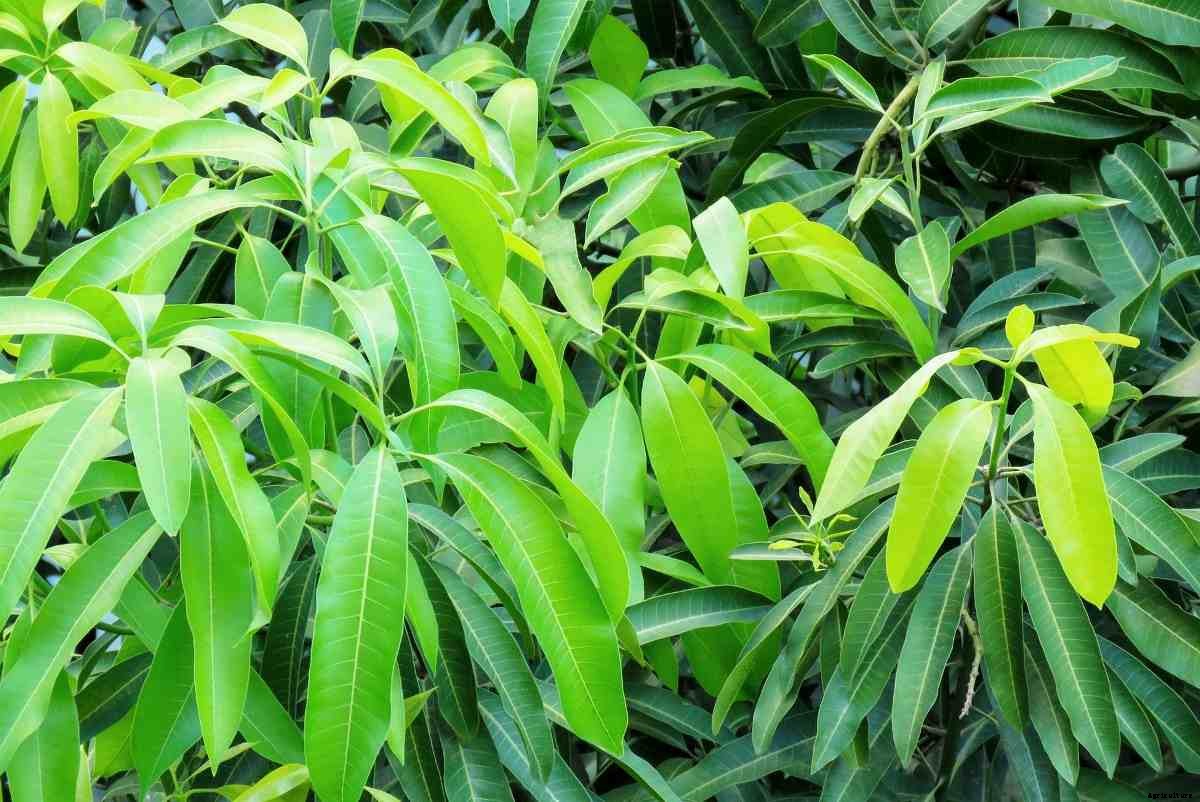
Mango is an evergreen tree in the family Anacardiaceae has grown for its edible fruit and it is one of the most important cultivated fruits of the tropical world. The botanical name of Mango is Mangifera indica. The leaves of the Mango tree are shiny and dark green. They are elliptical or lanceolate with long petioles and a leathery texture. The fruit is roughly oval, with uneven sides. India contributes about 60% that means 9.5 million tonnes in the world Mango production (15.7 million tonnes). Mango contributes about 40% of national fruit production (22.168 million tonnes). The principle of HDP;
Mango comes first among the top-rated delicious fruits; farmers are used to getting considerable income. Andhra Pradesh, Uttar Pradesh, Maharashtra, Karnataka, Tamilnadu, Bihar, and Gujrat are the important Mango producing states in India. In recent years, High Density planting system in Mango trees is becoming popular among investors due to their high yielding potential. Because of great utility, the Mango tree occupied a pre-eminent place amongst the fruit crops grown in India. India produces the world’s largest tonnage of Mango.
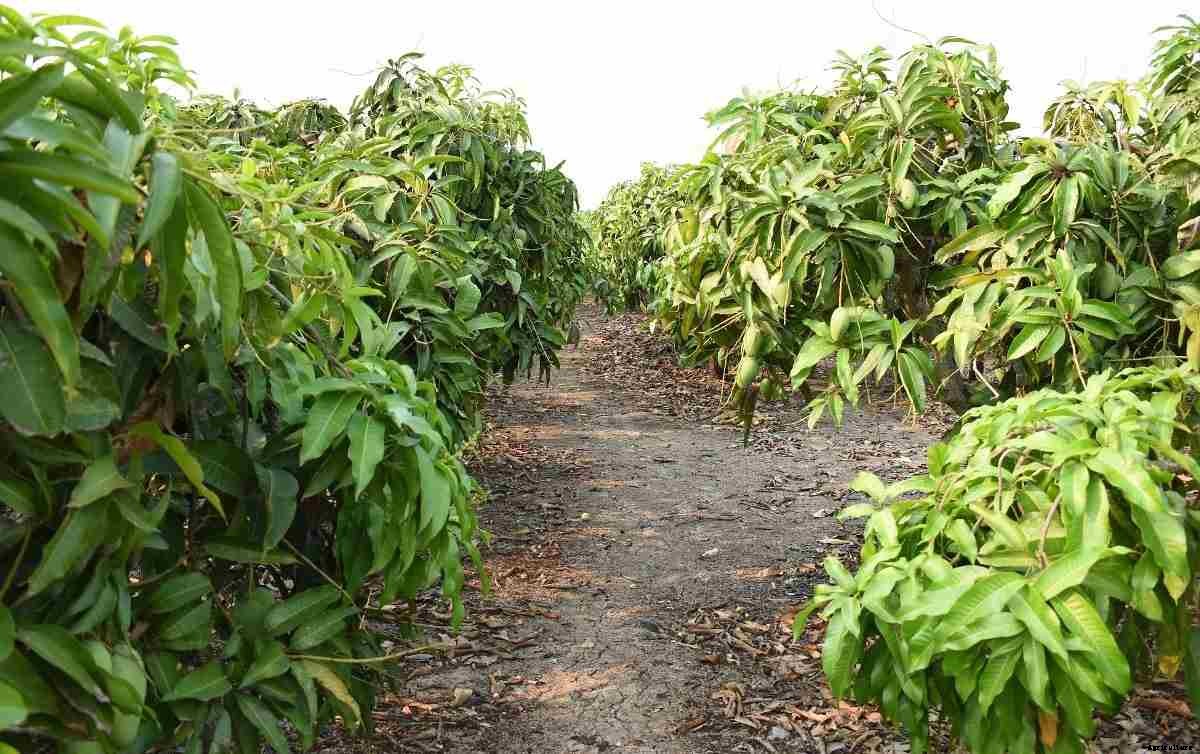
HDP technology is one of the improved production technologies to achieve the objective of;
The components of High Density planting are;
In the Mango plantation,
Amrapali at 2.5x 2.5 m in triangular system accommodation of 1600 plants
Dashehari at 3.0 X 2.5 m in square system accommodation of 1333 plants per hectare
In Amrapali, the increase in yield per hectare was 2.5 times that of the low-density planting. In Dashehari, the average yield in HDP is about 9.6 tonnes.
This yield can be improved in alternate bearing cultivars such as Dashehari, Chausa, and Bombay Green through the application of growth retardants like Paclobutrazol.


