
Welcome to Modern Agriculture!

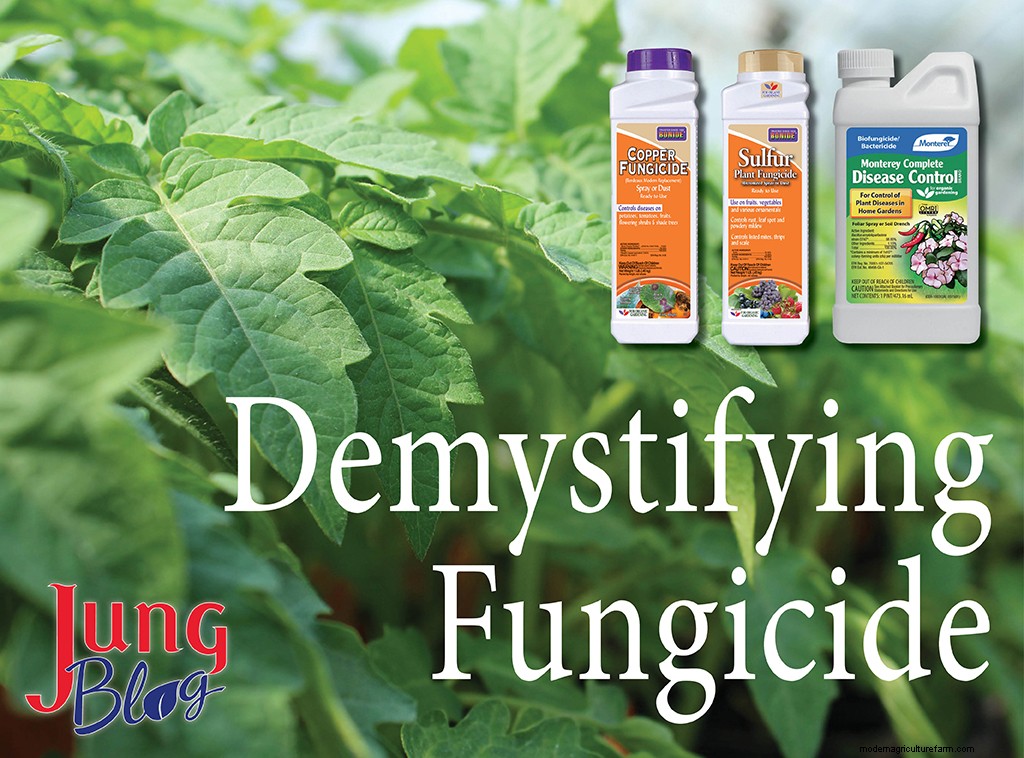
I can tell you, there is no “easy button” when it comes to fighting plant diseases in the garden. Plant diseases are caused by pathogens that are variable, complex and for the most part, they are everywhere. What can we do to help our plants fight these pathogens? One critical way to help our plants is with the use of fungicides.

Fungicides are a type of pesticide that can be extremely beneficial in the management of plant diseases; however, we must understand that fungicides are as variable, complex, and numerous as the pathogens we wish to control with them. Keep reading for all of the What? How? and When? of proper fungicide use in the garden.
The most important thing to understand about fungicides is that most are preventative, not curative. In our adult lives, we have heard the phrase; “An ounce of prevention is worth a pound of cure.” This phrase is most often used when folks are speaking of our own health and well-being, but this prophetic sentiment can be directly translated for gardeners dealing with the management of plant diseases with fungicide products.
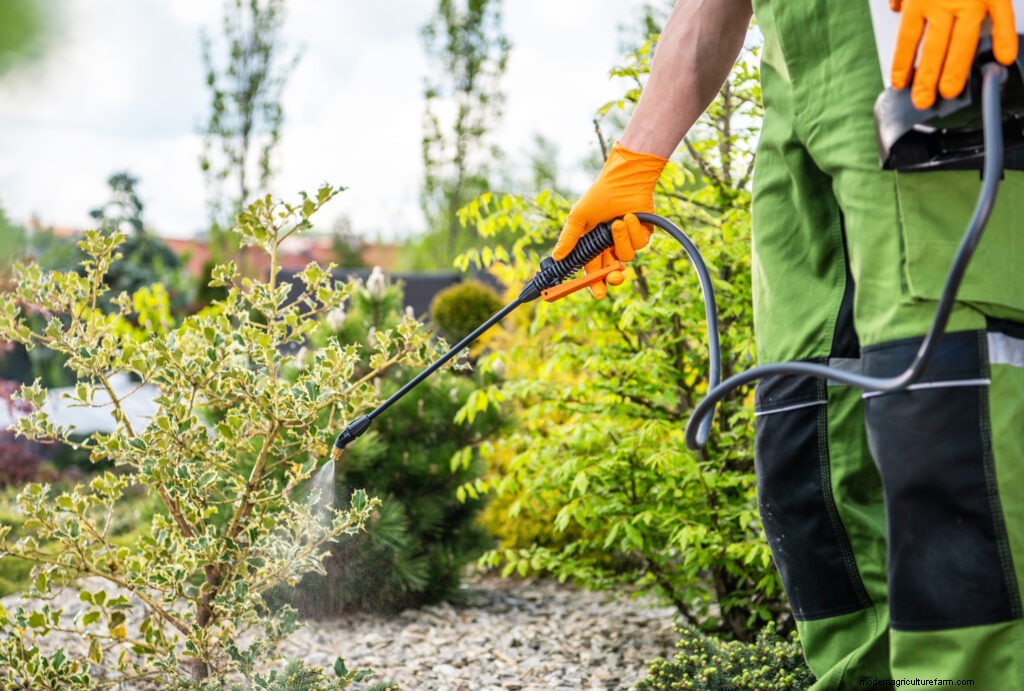
For effective use of any pesticide (like fungicides), we often say, “three rights never make a wrong”. The three “rights” you must pay close attention to are these:
The effectiveness of these preventative products will be variable depending on the type of pathogen, severity of infection, timing of the application, and if the label directions for mixing and use are explicitly followed.
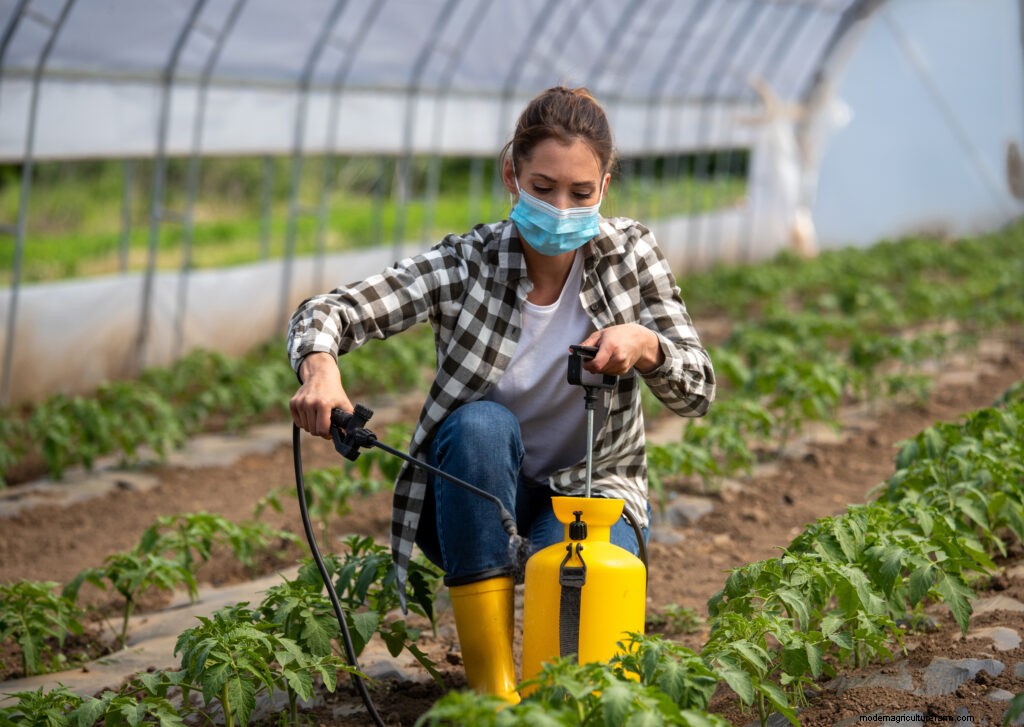
As with other pesticides, it is critical for you, as the gardener to know or ask, “What is the mode of action?” (MOA) and “What is the active ingredient?” or (AI). The front of every product label must list the active ingredient and the % it contains. Fungicides work in one of two ways, either by contact or as a systemic.
Contact fungicides are sprayed on the plant surface to prevent the fungi from entering and damaging the plant. These are most commonly used for edible and ornamental plants. A systemic or penetrating fungicide works like other systemic pesticides, in that the chemical agent is absorbed by the plant and moves throughout the vascular system of the plant as a protectant. Systemics are most commonly used for ornamentals, like roses. (some systemics are produced specifically for fruiting type plants).
Fungicides are derived from three main sources:
All of these types have advantages and disadvantages. All can be effective in preventing and inhibiting plant diseases if you adhere to the “3-Rights” mentioned earlier. Although all products will differ some, fungicide application frequency is typically every 7 to 10 days, depending again, on the type of pathogen and severity of the infection. Read the label! Some products are certified organic, some are not. Read the label. Importantly, fungicide products recommended for use with edibles will also list the proper number of days to wait for harvest after any application. Read the label.
Remember, reading and following all product label directions, instructions and warnings is the responsibility of the consumer, not the manufacturer or distributor.
At this point, it is necessary to point out that many fungal and bacterial pathogens have the ability to build up resistance to some fungicides. If the same fungicidal product is used exclusively season after season, many pathogens can develop a resistance to that product through genetic mutations. This is not science-fiction, it has been studied and observed many times in university trials in the U.S. and abroad. For the fullest, most reliable, long-term effectiveness against tough plant diseases, use a proper spray rotation during the season of three differently derived products, with random alternating patterns. Examples:
If your resources are limited, try to rotate at least two different products season-to-season. It could make all the difference in helping you to manage your plant disease problems.
The product label holds the answer. Read the label. Have we mentioned this already? By law, products must list what diseases or pathogens will be controlled by whatever active ingredient it contains. There are many, many types of helpful fungicides.
Here are examples of some common fungicides with some info about what diseases they control, on which plants, how to use them and when NOT to use them.
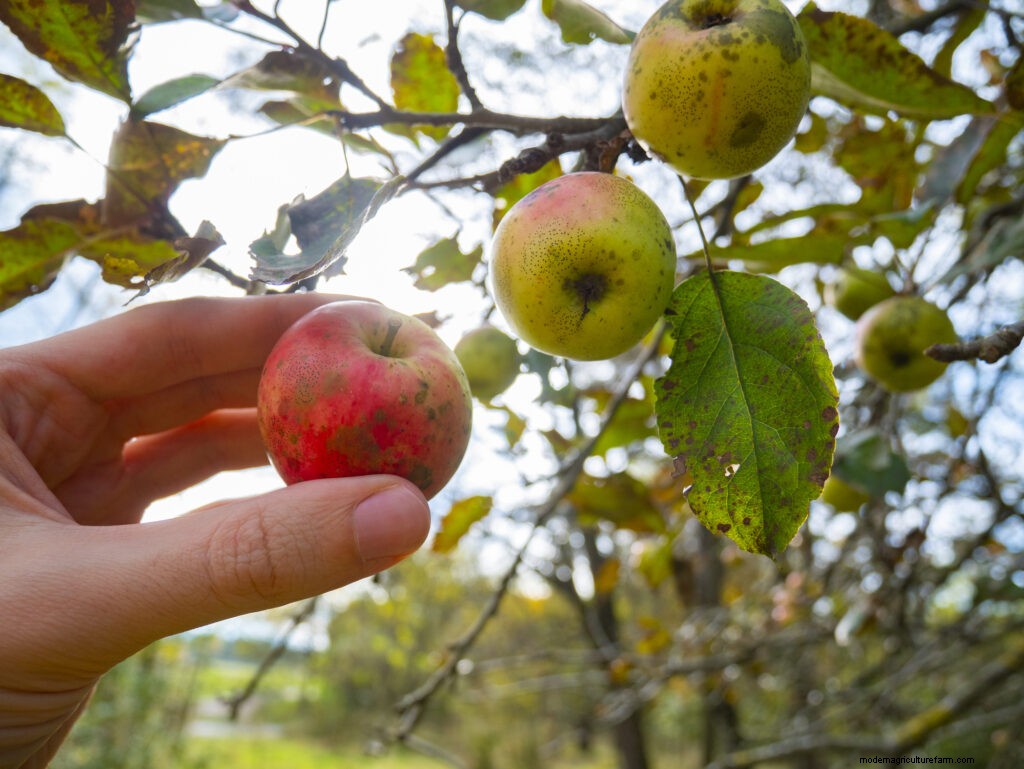
As gardeners, we should manage our expectations of plant disease control in our own gardens. Recognizing that your plants will never be immune to diseases is a critical and helpful step. Try instead to focus on how to best MANAGE plant diseases in our garden.
Choose disease-resistant varieties, keep your garden clean and free from debris or weeds, maintain proper plant spacing, and keep garden soil rich with organic material and nutritionally balanced. One of the best management tools we have in our gardening quiver is fungicides.


