
Welcome to Modern Agriculture!

Prepare
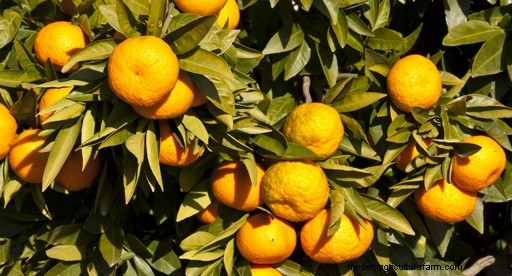
Mandarin trees are the most cold-resistant of the citrus trees. Their fruit, however, is thin-skinned and small in size, which makes them more susceptible to cold damage than the larger orange and grapefruit. Mandarins grow better when the weather is hot and humid. The trees need protection from frost.
Refer to our Planting Calendar.
Plant
Like building a house a good foundation is the key to success in your garden. The better the soil, the better your plants will grow. If you are starting with an existing garden bed dig in organic matter like Tui Sheep Pellets and Tui Compost to your soil. Then you can add a layer of Tui Garden Mix. If planting in pots and containers, fill with Tui Pot Power which contains a controlled release fertiliser, SaturAid wetting agent to ensure water gets to the root of the tree, water retention crystals, and Acadian seaweed to protect plants from common soil-borne diseases.
The best times to plant are early in the morning or late in the day, so the plants aren’t exposed to the hot sun straight away. Always water plants well before and after planting.
Planting in garden beds
Planting in pots and containers
In the first year after planting your mandarin tree, remove any fruit that sets. This allows the tree to establish itself and encourages better fruiting in the following seasons.
Nourish
Replenishing nutrients used by your mandarin tree ensures they will grow to their full potential, producing abundant and juicy crops. Feed your mandarin tree in spring and summer to encourage maximum fruiting and flowering. Citrus require higher levels of potassium and magnesium, and Tui Citrus Food is specially blended with all the nutrients needed for citrus planted in gardens. Feed mandarin trees planted in containers with Tui NovaTec Premium fertiliser.
Magnesium deficiencies can be common in citrus, shown by yellowing leaves. Apply Tui Epsom Salts around the drip line of the mandarin tree (where the leaves extend to), to correct the deficiency.
Citrus require more watering over the summer months - and well watered, well nourished mandarin tree will have a better chance of keeping insect pests and diseases at bay.
The weather, weeds, pest insects and diseases can all impact on the success of your citrus. Protect your plants from the elements with layers of mulch, to help keep their roots moist. Keep the area around your citrus weed free
Prune if you need to for either a desired shape, to remove any diseased stems, or to improve air circulation. Remember leaves are the life of the tree, so don’t cut unnecessarily, particularly before the tree has matured. If you are pruning avoid September/October as you run the risk of lemon tree borer laying eggs in the fresh cuts.


