Butternut squash is a delicious vegetable that has a sweet and nutty flavor. It’s perfect for winter soups, pies, or just roasted with some butter on top!
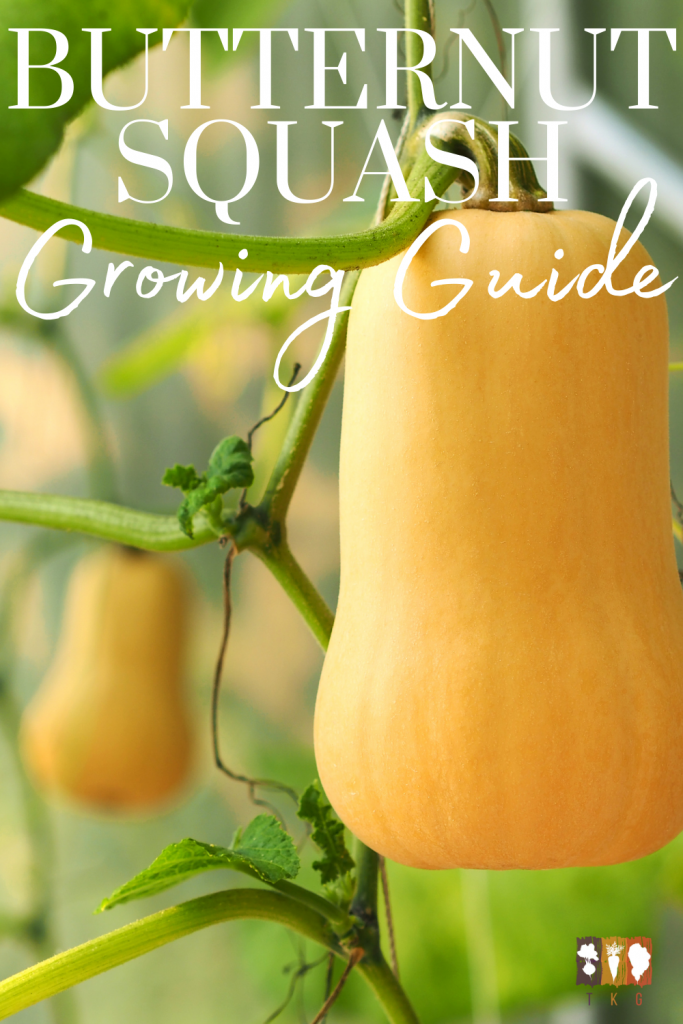
If you are interested in growing butternut squash at home, this article will tell you everything you need to know about planting and harvesting your own crop.
This post may contain affiliate links, which simply means I may earn a commission off of links at no extra cost to you. Thank you for supporting my site!
Benefits of Growing Butternut Squash
Butternut squash is a very popular but easy to grow vegetable. Usually seen in the fall, it can be intimidating for beginning or young gardeners because of its large size and height, but it is well worth the effort! Here are some benefits that growing butternut squash at home offers:
- It tastes delicious -In many countries (including Canada), butternuts are a staple food.
- It is inexpensive but nutritious – The butternut squash plant’s leaves are edible and have a flavor similar to spinach.
- Butternuts can be stored in a cool, dry place for use all winter long. Due to their thicker skin, butternut squash are perfect for longer term storage.
Popular Butternut Squash Varieties
When choosing butternut squash seeds for planting, make sure you know what works best in your area. Reach out to your local cooperative extension office for varieties that work well for your particular region. There are short season varieties perfect for those with short summers. Here are the most popular butternut squash varieties to grow in the home garden:
- Waltham Butternut– One of the most popular varieties for the home garden, Waltham butternuts are delicious and store well!
- Honeynut Squash– This mini butternut variety is perfect for small gardens, raised beds, or even containers.
- Butternut Orange Squash– An heirloom variety, this orange butternut is loaded with beta carotene!

Have a favorite butternut squash variety that has worked well in your home garden? Drop a note in the comments below to let us know!
Common Butternut Squash Pests and Diseases
Thankfully, butternut squash isn’t a favorite of Squash Vine Borers, but there are still some pests and diseases that can afflict this vegetable.
- Squash bugs– Especially for spring plantings, squash bugs can be a real nuisance. Check out this article for helpful tips on keeping them under control.
- Powdery Mildew– Plants clustered together can be a perfect environment for powdery mildew, but there are ways to keep it at bay; check out my full post on How to Treat powdery mildew.
- Angular Leaf Spot– This bacterial disease can affect a variety of curcubits, including butternut squash. You’ll notice the spotted leaves on the plant. Plants affected with this must be destroyed and you’ll want to avoid planting curcubits (cucumbers and squash) in that spot for 2-3 years afterwards.
Tips for Growing Butternut Squash
- Plan your space– Butternut squash plants need full sun and a lot of space. It can grow to up to 12 feet in height! They can be grown vertically on a trellis, but do be prepared to have a way to support the weight of each squash if you choose this method.
- Prep the soil– Choose an area with rich soil that is near the house for easy access. Amend the soil with compost before planting seeds directly or transplanting plants into the garden area. (Check out my posts on How to Improve Garden Soil and How to Start Composting!)
- Know when to plant– For the spring garden, plant butternuts at least two weeks before your last frost date, then be patient as its vines will need time to grow and develop. Depending on your zone, you may be able to plant in the summer for a fall harvest.
- Thin Seedlings– If direct sowing butternut squash, be sure to thin out the seedlings, since they need plenty of space to grow.
- Watering butternut squash– Butternut squash plants need plenty of water but don’t overdo it. Too much water will cause the plant to rot and die quickly, but too little won’t allow them to grow as large as they could be without compromising on taste or quality. Water every few days as needed.
- Fertilizing Butternut Squash– Since butternut squash create such large fruits and long vines, they do need to be fed well. Several times over the growing period of the squash, use a good quality general fertilizer such as Espoma’s Garden Tone.
How to tell when butternut squash are ripe
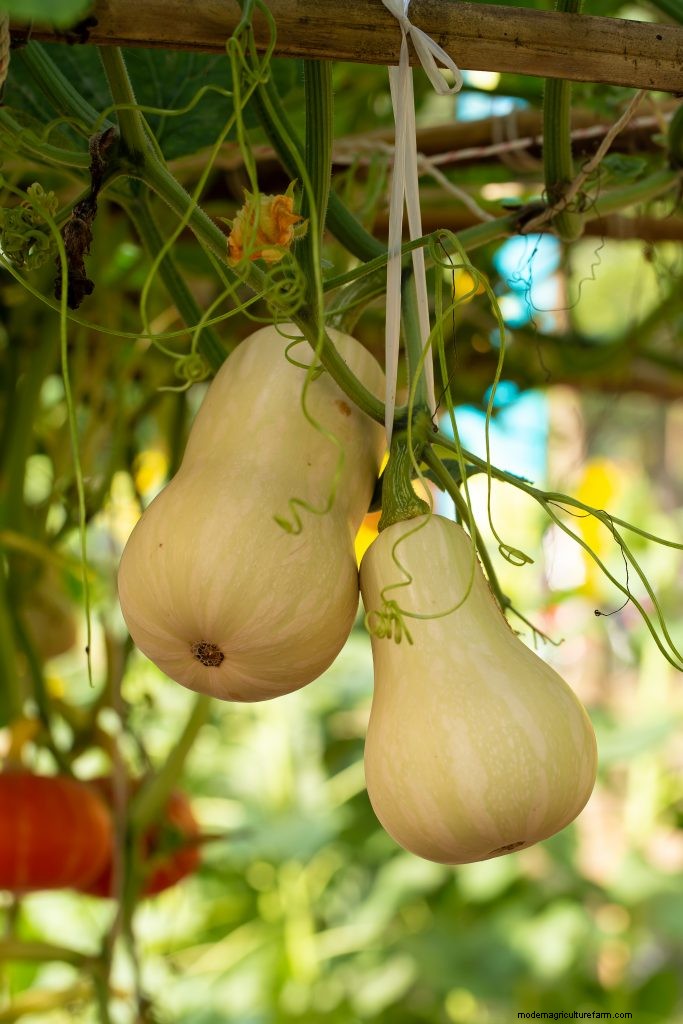
Butternut squash are ripe when they are in full color (this depends on variety) and are no longer green. Also make sure that the skin is hard and thick.
If the fruits still have a green hue to them or are small, then consider letting them grow a bit longer.
How to Harvest and Store Butternut Squash
Once ripe, cut butternut squash off the vine by cutting just below the stem using a sharp, clean knife.
Don’t wash butternut squash before storing, and don’t store them near other fruit or vegetables (especially apples) because they may transfer some diseases that can wipe out your whole crop.
Store butternut squash in an area with a stable temperature of 45 to 50°F for up to one month. When storing butternut squash, do not store it at high humidity or temperatures.
Curing the fruit for two weeks will improve its flavor before storage at room temperature or below. For more information on curing butternut squash at home, check out this article.
Have more tips for growing butternut squash at home? Let us know below what has worked for you in the past!


