Welcome to Modern Agriculture!

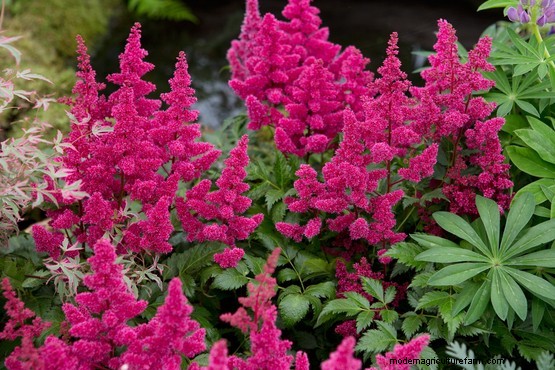
Astilbes are great value plants as they bring colour and texture to those tricky, damp and shady parts of the garden.
They produce masses of attractive ferny foliage, and elegant plumes of feathery flowers emerge from late-spring through the summer months. These fluffy plumes are give them their common name of ‘false goatsbeard’. They come in varying sizes from small front-of-border plants, to tall varieties up to 2m in height.
Perfect for woodland-style planting schemes, astilbes team up well with other shade-tolerant plants such as hostas and rodgersias.
More shade planting content:
Take a look at our handy astilbe Grow Guide, below.
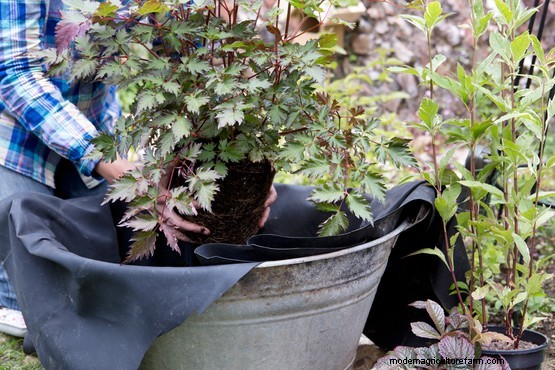
Astilbes need to grow in a dappled or part shady location in moisture retentive soil to thrive. They will not tolerate dry soils. They can however tolerate more sun, as long as the soil doesn’t dry out, so make good plants for a bog garden or waterside planting.
Dig a generous hole, bigger than the pot, and add some well-rotted manure. Keep newly planted astilbes well watered until established.
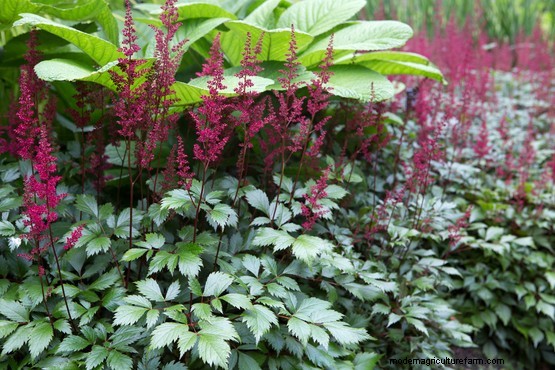
Astilbes are reliable perennials, but they do benefit from being divided every few years. This will regenerate your plant and increase your stock. Divide astilbes in the autumn after flowering or in early spring. Pot up your divisions before planting out.
Astilbes are relatively trouble-free. They’re one of those rare plants that pests seem to dislike, but can be prone to powdery mildews.
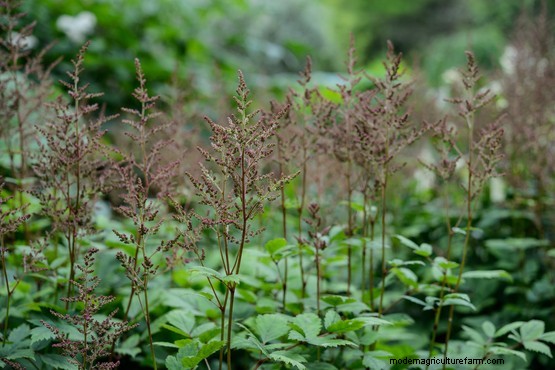
Astilbes are easy to care for, provided they’re growing in the right growing conditions. They don’t need deadheading. Simply cut back plants after flowering and divide every three or four years.