Welcome to Modern Agriculture!

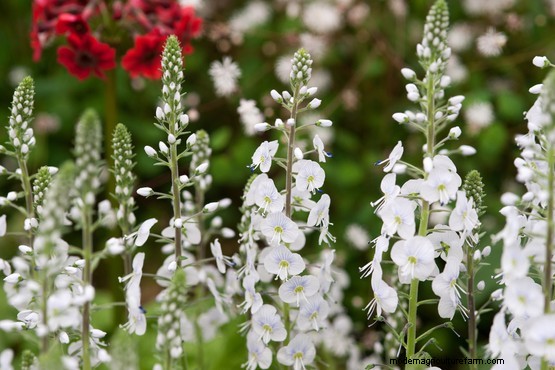
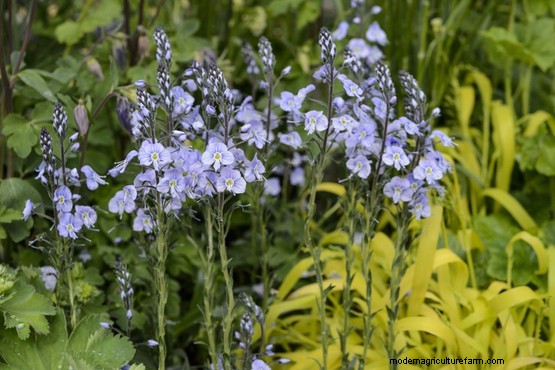
Veronicas, also known as speedwells, are hardy long-lived garden plants that bloom in late spring or summer with pretty flowers that are mostly shades of blue, with some whites and reds. Veronica flowers are mostly individually tiny, with many clustered together to form upright spikes, spires, or clusters. Low maintenance, free from most pests and diseases and attractive to pollinators, they deserve to be more widely grown. Plant height varies from 10cm to 60cm, and plant spread from 20cm to 60cm. Veronicas are divided into three groups:
Veronicas can be grown in a range of places such as borders, rockeries and raised beds or pond edges, depending on the variety. Veronicas are easy to grow and need little care apart from cutting back herbaceous varieties at the end of the season.
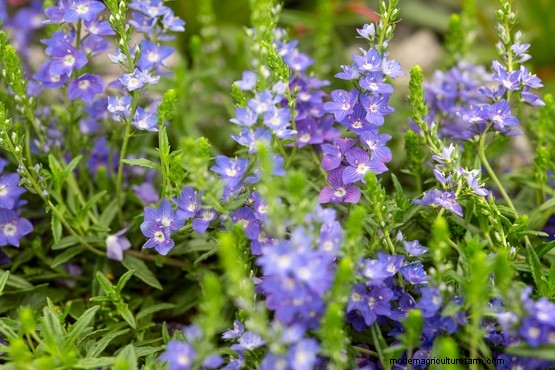
Grow herbaceous perennial veronicas in borders in fertile, moisture-retentive soil in sun or part shade. Dwarf alpine species do best in sun and are ideal for rockeries, banks or raised beds as they need well-drained soil that is low in nutrients or grow at the edges of borders if the soil is suitable. Grow moisture-loving veronicas in shallow water or boggy soil in sun or part shade.
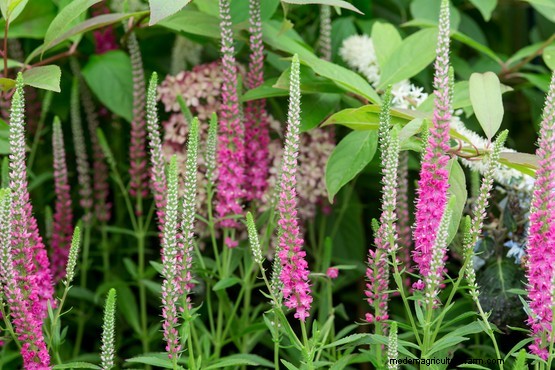
Plant veronicas at any time of year, although autumn or spring are the most favourable times for plants to establish. Space plants 30cm-60cm apart depending on variety size and keep watered until established.
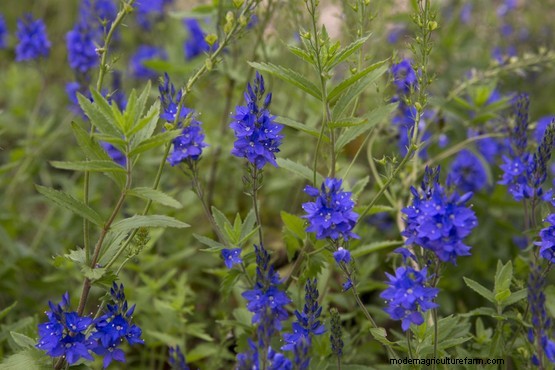
Little maintenance is required. Cut back herbaceous perennial and moisture-loving varieties from late autumn to late winter, once growth has died back to the ground.
Herbaceous perennial veronicas in borders can be propagated by division whilst dormant, in autumn or early spring. Moisture-loving veronicas are best divided during summer. Dwarf alpine veronicas can be propagated by cuttings taken in spring.
Veronicas are easy to grow and trouble-free so long as the right type of plant is matched to the right spot. If the growing conditions are either too wet or too dry for the variety, plants may suffer from downy mildew or powdery mildew.