Welcome to Modern Agriculture!

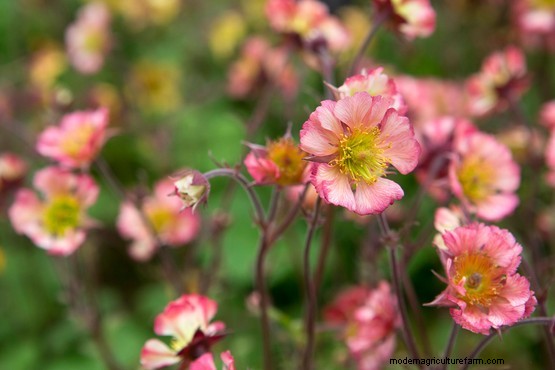
Geums are popular hardy perennials that can flower from late spring into summer and sometimes as late as autumn.
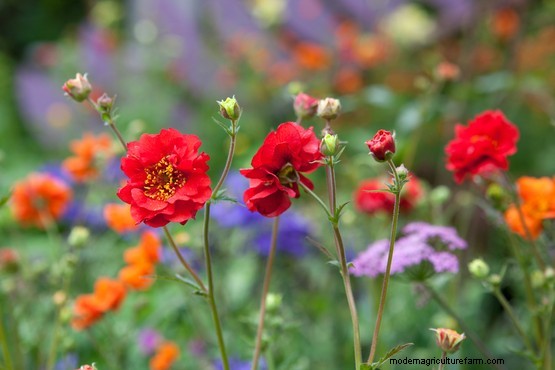
They have semi-evergreen foliage and offer flowers usually of yellow, orange and red. Most geums reach a height of 50cm so are perfect for the front or middle of a border.
Grow geums in moist but well-drained soil in sun to partial shade. Deadhead plants after flowering and divide clumps every three years.
More on growing geums:
Find out more about growing geums, in our detailed Grow Guide.
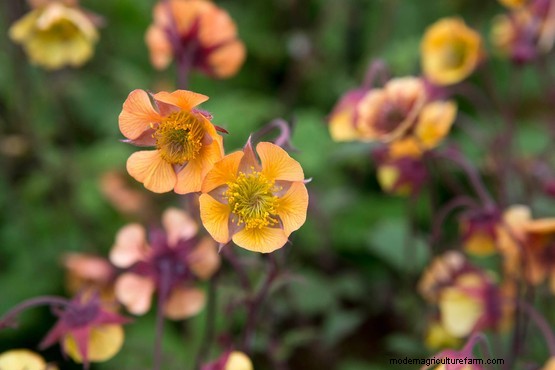
Grow geums in a moisture retentive soil. They thrive in acid or alkaline soils but won’t cope well in very dry soils or in a baking hot south-facing border.
Geum rivale types do best in a shady spot and are ideal partners for hellebores. Geum chiloense types can cope with more sunshine but their semi-evergreen foliage is easily scorched in hot weather.
Geums won’t cope well with a sodden wet soil in winter.
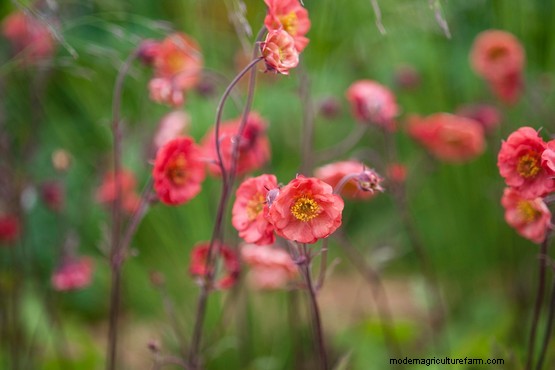
Improve the water retentiveness of the soil by digging in plenty of organic matter before planting. Firm plants in well and water. Water regularly during dry summers.
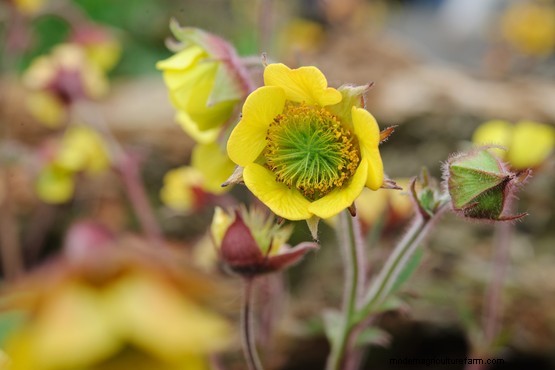
Geums spread by rhizomes. Side shoots are easy to dig up and can be replanted in the garden. Plants can also be divided in spring and will set seed.
Geums are trouble-free plants – even deer and slugs aren’t interested in them. But, if grown in containers, they can be susceptible to vine weevil. Vine weevil damage is simple to detect. Adult weevils eat notches out of the foliage from spring to late summer. Vine weevil grubs eat the roots, often causing the plant to die. Burn affected plants or treat with nematodes. You can buy chemical vine weevil killers, but bear in mind that these are systemic pesticides that harm bees – remove all flowers from the plant up to six months after applying.
Deadhead plants after flowering. To encourage strong geums with plenty of flowers, divide plants every three years. If you fail to divide plants they’ll become woody and may die. To ensure the plants are long-lived, make a point of dividing them.
If geums start to look bare in the centre, they’re in need of dividing. In some cases you’ll need to reject the heart of the plant.