Welcome to Modern Agriculture!

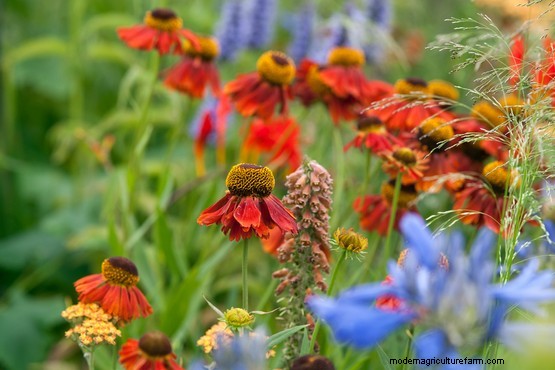
Heleniums have charming, daisy-like flowers, guaranteed to bring vibrant colour to the garden in late summer.
With blooms in hot yellows, orange and red, they look fantastic planted in drifts through a mixed border. Good companion plants are taller grasses, other daisy flowers such as echinaceas, or hot-coloured red hot pokers. There are hundreds of helenium cultivars to choose from. All of them are attractive to bees and other pollinators. Heleniums also make good cut flowers.
Grow heleniums in moist but well-drained soil in full sun. Stake taller varieties, especially in exposed conditions. Water regularly to prevent the soil from drying out, and deadhead spent blooms to keep the flowers coming. Divide congested helenium clumps every few years, in spring or autumn. Heleniums die back over winter, so cut them back after flowering.
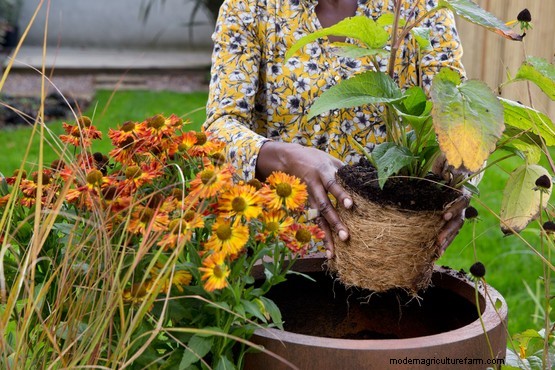
Heleniums aren’t fussy plants and will be happy in most fertile, but well-drained soils. Although they can stretch to partial shade, a position with plenty of sun will guarantee a good show of flowers.
Dig a generous hole, larger than the pot your plant is in, and add a sprinkling of mycorrhizal fungi before backfilling with soil and a spadeful of garden compost for added drainage.
In this video clip from Gardeners’ World, Monty Don plants heleniums, for a splash of late-summer colour:
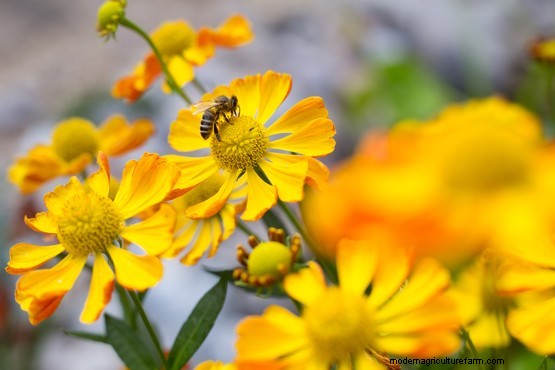
Heleniums need regular watering so don’t allow the soil to dry out. Deadhead blooms to keep the flowers coming, or cut flowers to bring indoors. Clumps can become a bit congested after a few years, so will need dividing in autumn or spring. Taller varieties are worth staking early in the season. Plants will die back over winter, so cut them back after flowering.
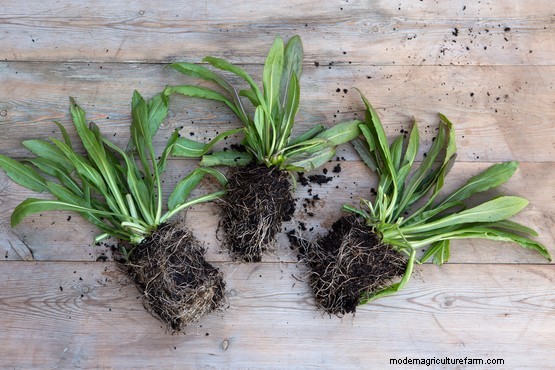
To propagate heleniums, divide plants in autumn or spring. Dig up an established clump that’s large and fairly congested. Split it with a spade and add plenty of well rotted garden compost when replanting. You can also take basal cuttings from new shoots in spring and grow on under cover until they’re established enough to plant out.
Heleniums are generally pest-free but can be prone to leaf spot. Remove affected leaves to stop the spread.