Welcome to Modern Agriculture!

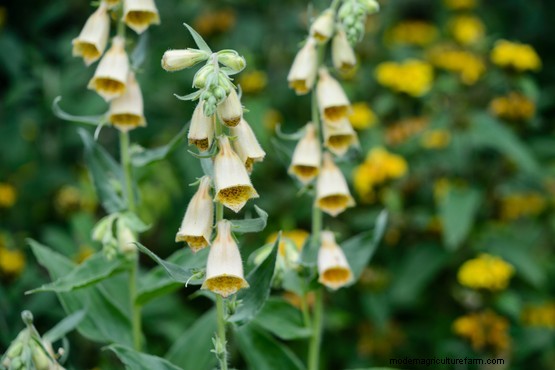
Foxgloves are popular in cottage garden planting schemes, loved for their spires of bell-shaped, bee-friendly tubular pink flowers with a spotted centre. Most foxgloves are biennial, meaning they put on root and foliage growth in year one, and then flower and set seed in year two, before dying. However some varieties of foxglove are perennial.
Bear in mind that all parts of foxgloves are poisonous, and can kill an adult human if any part of the plant is ingested. You may want to avoid growing them if you have pets prone to eating garden plants.
Grow foxgloves in moist but well-drained soil in full sun to full shade – some varieties are more shade tolerant than others. Deadhead spent blooms after flowering to encourage a second flush, or let them self seed over the garden. Biennial types can be dug up after they have set seed, but perennial foxgloves should be cut back for autumn, ready to bloom again the following year.
More on growing foxgloves:
Find more detailed advice on growing foxgloves, below.
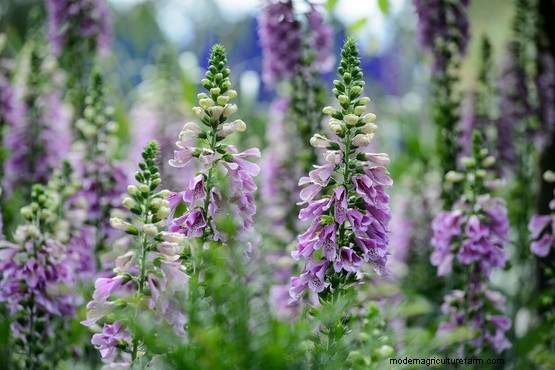
Most foxgloves thrive in dappled shade. Their preferred native habitat is a woodland clearing or at the foot of a native hedge. However some species, such as Digitalis parviflora and Digitalis obscura, require full sun to grow well. Foxgloves will grow in any soil type but do best in a well-drained, moist soil. Avoid planting foxgloves in very wet or very dry soil.
As our native foxglove, Digitalis purpurea, is biennial, you might not get flowers the same year you plant the plants. What’s more, if you want your foxgloves to self-seed around the garden and flower every year, you will need to plant foxgloves two years in a row.
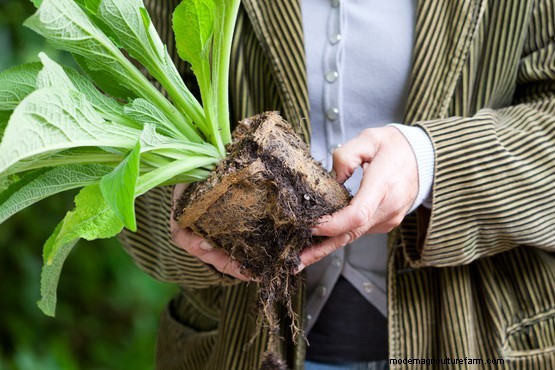
Plant foxgloves in spring or autumn, directly into the garden. Water in well.
Watch Monty Don demonstrate how to plant foxgloves, in this clip from Gardeners’ World:
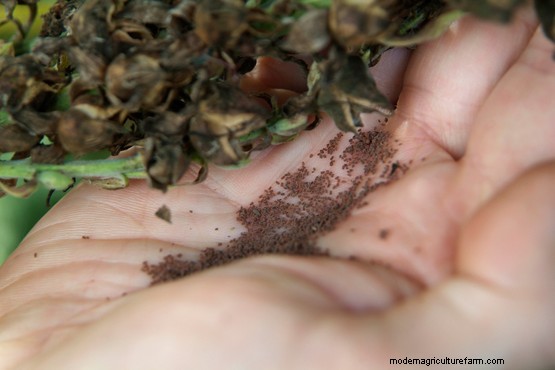
Foxgloves self-seed readily in the garden. All you need to do to ensure foxgloves disperse their seed is to avoid deadheading the flowers until seeds have developed and ripened. You can then either collect fresh seed and scatter it directly where you want foxgloves to grow. Alternatively, sow seed finely in a tray of seed compost – don’t cover the seed, but instead place a propagator lid or sheet of glass over the tray. Seedlings grown in trays should be overwintered in a cold frame, before planting out in spring.
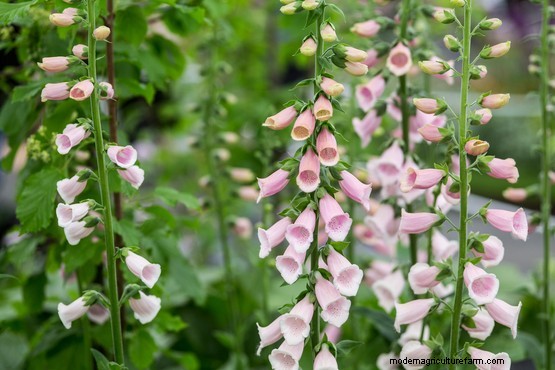
Foxgloves require very little care, and will flower and seed without any intervention from the gardener.
Discover three golden rules of caring for foxgloves, in our video:
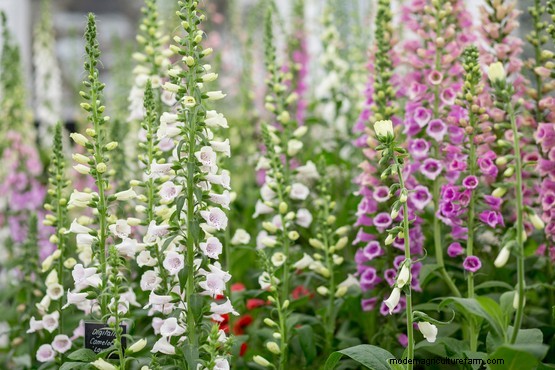
Foxgloves are trouble-free plants. You may need to protect young plants from slugs and snails. The caterpillars of some moths eat foxglove leaves and flowers, but these caterpillars are food for baby birds in spring, so it’s best to leave them be.
By midsummer, foxgloves have finished flowering and can look unsightly. Here, Monty Don explains how to clear your borders of foxgloves to make room for other plants: