Welcome to Modern Agriculture!

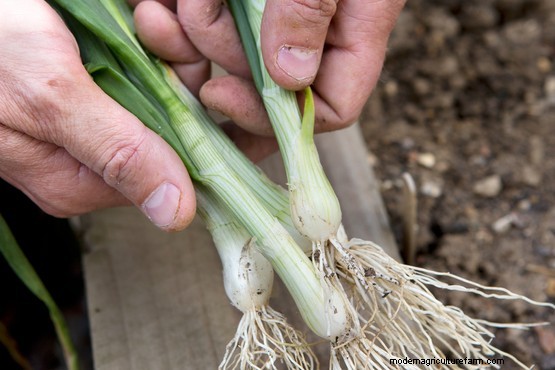
Spring onions, also known as scallions, are quick and easy to grow and are a great ingredient for salads and stir fries.
They don’t need a lot of space or much soil, so they’re perfect for growing in smaller spaces or a container. With varieties that can be grown all through the winter months, they have a long cropping season, too.
Follow the advice in this guide to grow your own spring onions.
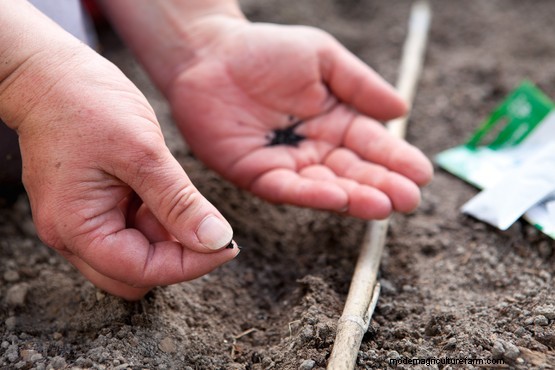
Sow spring onion seeds straight into the ground where they’ll grow. They need an open, sunny site and rich, well-drained soil. Prepare the soil, clearing weeds and adding a good fertiliser well in advance – if the soil’s too rich it’ll produce a lot of leafy top growth. Rake it to a fine texture and if very dry, water 24 hours before sowing. Sow seeds into drills approximately 20mm deep, and 10cm apart.
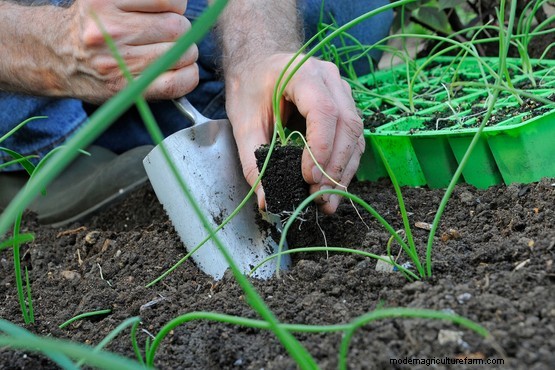
You can also sow spring onion seeds in trays or modules. Wait for the seedlings develop a good root system before planting out into the garden.
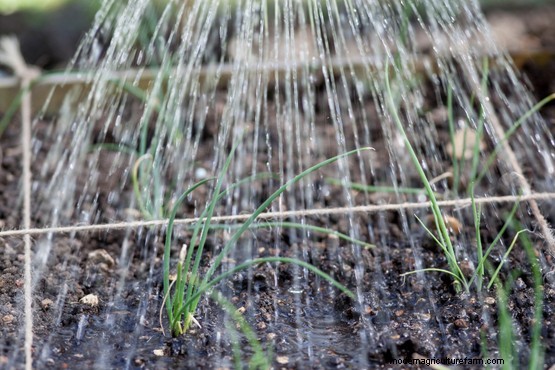
Once your spring onion seedlings start to appear, you can thin them out up to 5cm apart. They need to be well-watered, so don’t let the soil dry out.
Some varieties can be grown as bulb onions as well, so it’s possible to harvest some of your crop as spring onions, leaving alternate seedlings to mature into full bulbs.
For fresh spring onions through the year, sow a batch of seeds every few weeks from early spring through to autumn.
Spring onions are usually ready to harvest eight weeks after sowing. Fork the soil around the plants a little before pulling up the small, leafy bulbs.
Spring onions are best eaten soon after picking, either cooked or raw. The flavour complements many eastern-style dishes.
See some of the tasty recipes using spring onions, from our friends at Olive Magazine.
Given the right growing conditions, spring onions are relatively trouble-free to grow.
Try growing mint alongside your onion crops as a deterrent against onion fly.