Welcome to Modern Agriculture!

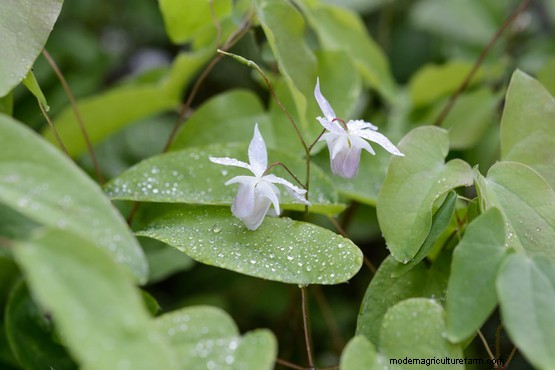
Epimediums have heart-shaped leaves and a spreading habit, and are a natural fit for shady borders tricky, dry areas under trees and shrubs.
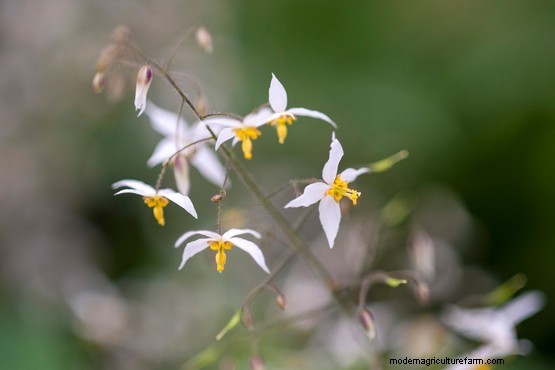
The foliage means they’re prized as ground cover plants, but the tiny, star-like flowers in spring are beautiful. They complement spring bulbs, hellebores and other early-flowering plants of woodland origin.
Check out our handy epimedium Grow Guide, below.
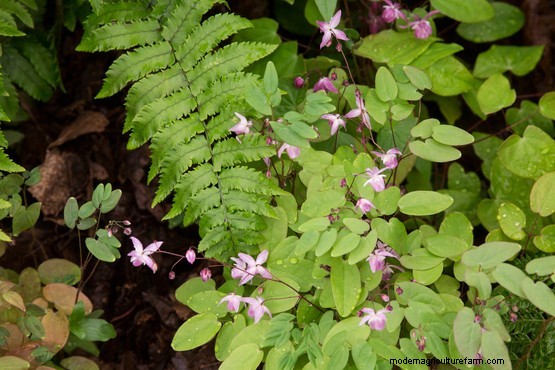
Epimediums are generally hardy plants. Being woodland plants, the soil conditions need to be similar to the fertile, free-draining soils found under trees, with a high leaf mould content and a slightly acidic pH. They like dappled shade, although some varieties will tolerate more direct sunlight.
Epimediums can be planted in dry locations, under trees and shrubs or near walls.
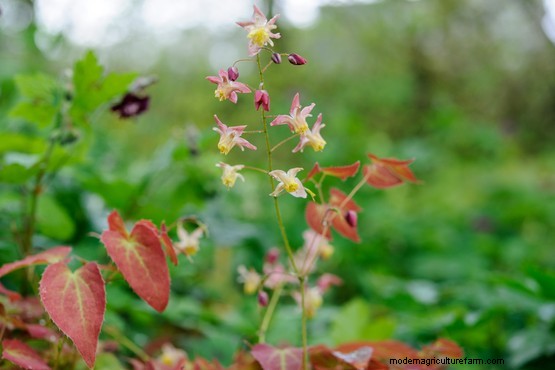
Prepare the soil by adding plenty of leaf mould. Dig a generous hole, tease out the roots of your plant and gently firm in the soil around it. Water in well.
Keep your epimediums happy with a regular mulch of garden compost or leaf mould.
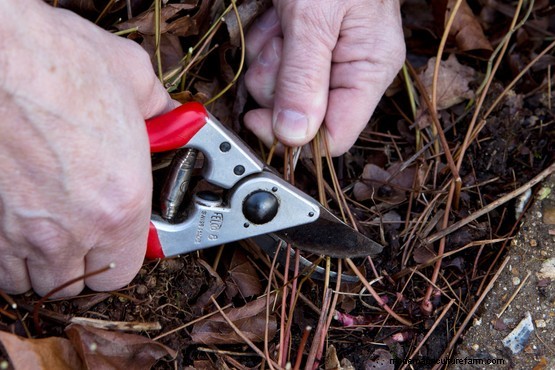
Many epimedium varieties are semi-evergreen and will keep their leaves through the winter months, which protects the crown of the plant. But by springtime, the leaves will be looking a bit tatty. For the best foliage display, cut back these old leaves before the flowers appear.
Epimediums are best propagated by division in the autumn.
Here, Carol Klein explains how to divide epidemiums to reinvigorate and increase your stock of them:
Given the right growing conditions, epimediums are relatively trouble-free.