
Welcome to Modern Agriculture!

From ‘hardening off’ to ‘pricking out’, gardening jargon can be difficult to understand, at first. We’ve come up with a list of common gardening terms, and explained them, to help you understand what more about the language used when gardening.
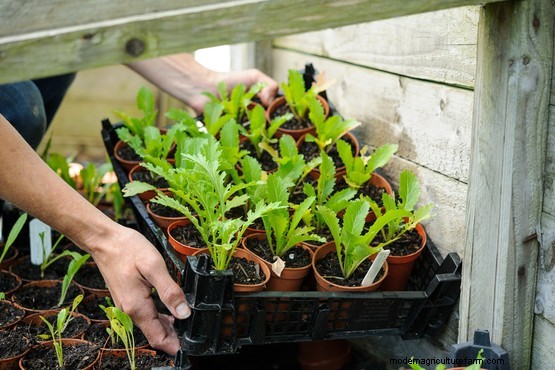
This is when plants adjust to cooler conditions. Often used in spring before planting out plants that have been growing indoors. Used in conjunction with ‘Hardening off’. Also see ‘Hardening off’.
Soil that has a pH lower than 7. Some plants, such as blueberries and some rhododendrons, need acid soil to thrive. Also see ‘Alkaline soil’.
This is the loosening of compact soil, usually with a garden fork, to allow air in. Also described to aerate lawns.
Used to describe organic matter that breaks down with oxygen. Also see ‘Anaerobic’.
Soil that has a pH of 7 or more. Cabbages and related plants need alkaline soil to thrive.Also see ‘Acid soil’.
Used to describe organic matter that breaks down without oxygen. Often used to describe foul-smelling compost, which has become too compact to break down properly. See also ‘Aerobic’.
A plant that will flower and set seed, and therefore complete its lifecycle, in one year. See also ‘Perennial’.
Small sap sucking insects called greenfly and blackfly, often found on beans and roses. They can damage plants but mostly are harmless. House sparrows feed them to their chicks.
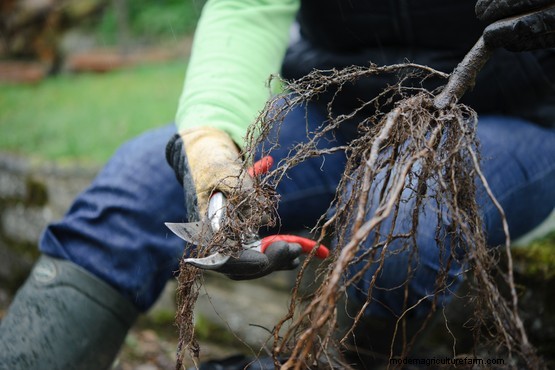
Plants that are dug out of the ground in autumn or winter (when they are ‘dormant’), with no soil around the roots. Trees, shrubs and roses are often sold this way.
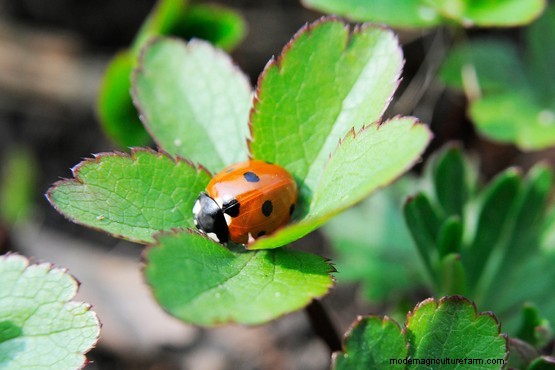
Insects, such as ladybirds, hoverflies and wasps, that control pests so you don’t need to. Bees and other pollinators sometimes fall into this category, too. Also see ‘Pollinators’.
Used to describe a plant that flowers and sets seed in its second year, such as foxgloves and honesty. See also ‘Annual’ and ‘Perennial’.
Living organisms used to control pests, such as nematodes to control slugs, and ladybirds to control aphids. Often used in organic gardening. See also ‘Organic gardening’.
Blocking light to make leaves and stems more tender. Used in the cultivation of rhubarb, endive and celery. See also ‘Forcing’.
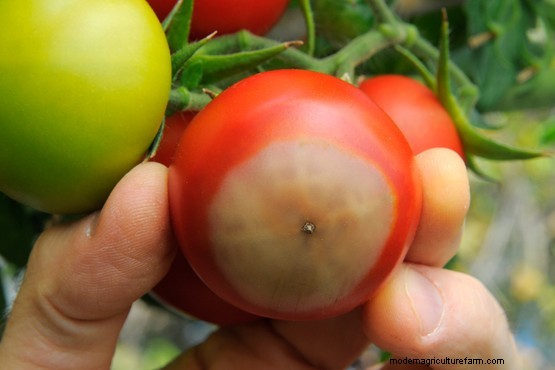
A rotten spot at the blossom end of tomatoes, aubergines and peppers, caused by lack of calcium, often as a result of irregular watering.
Vegetable crops that flower and set seed before you would like them to. Often caused by stress, such as temperature changes, drought or flooding. Common with beetroot and salad leaves.
When sowing seed, to scatter it over the ground rather than sow in rows. See also ‘Drill’.
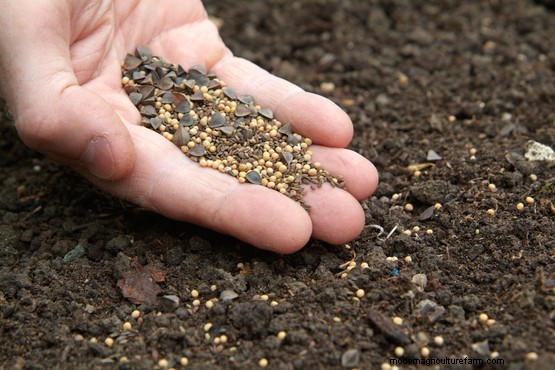
A fungal infection that affects fruit, particularly plums and apples and pears.
A crop that’s sown in a gap between other crops that have yet to full the space. Often spring onions, radish, salad leaves.
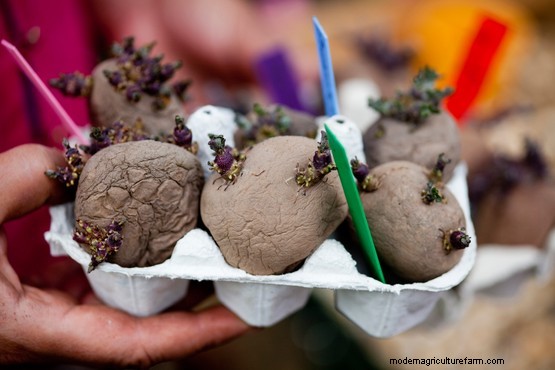
Placing seed potatoes in a light and frost-free spot, to encourage root development. This is said to improve the yield of the potato crop. See also ‘Yield’.
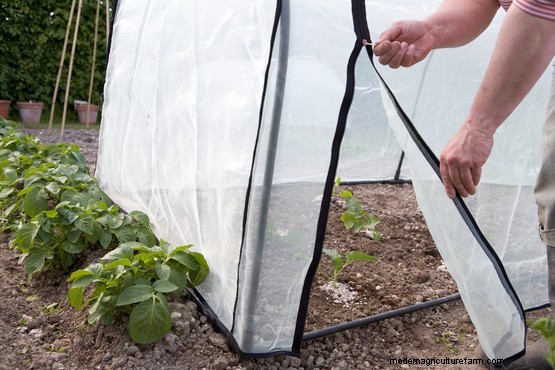
A cover for protecting plants from cold and pests. Can be made using netting, horticultural fleece or plastic, depending on what you’re using it for.
A fungal disease of cabbages, cauliflower, broccoli and other closely related vegetables, which causes distorted growth and the roots to become swollen.
An unheated outdoor frame, like a mini greenhouse, in which young or tender plants are placed to acclimatise them to outdoor conditions.
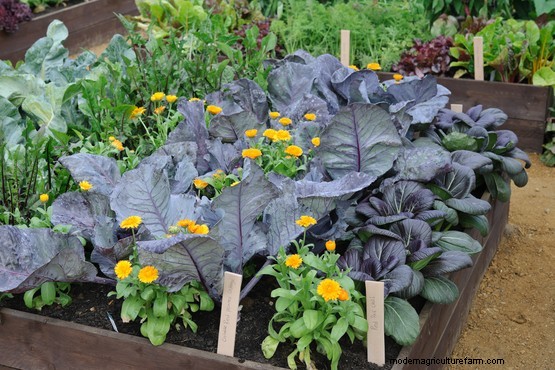
Vegetables that are planted together to save space, attract insects or deter pests, such as growing onions with carrots to deter carrot fly, sweet peas with runner beans to attract bees, and sweet potatoes beneath sweetcorn to save space.
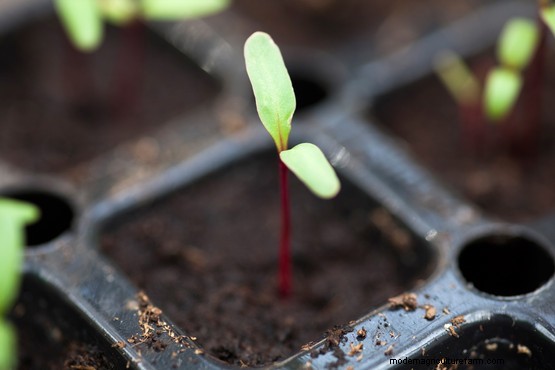
The first leaves that emerge from the seed after it has germinated. See also ‘Monocotyledon’ and ‘Dicotyledon’.
Used to describe the first (embryonic) leaves that emerge from the seed after it has germinated. Dicotyledons are seeds containing two embryonic leaves. These include peas and beans, sunflower and tomato. See also ‘Cotyledon’ and ‘Dicotyledon’.
Used to describe a furrow made to sow seeds in to.
Usually used to describe a crop of potatoes (also peas), which is harvested earlier than the main crop. See also ‘Second earlies’ and ‘Maincrop’.
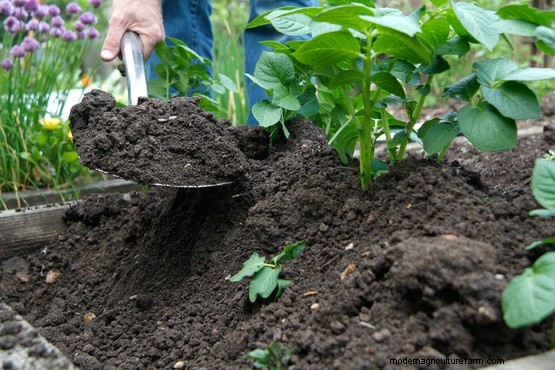
Drawing soil around the roots of a plant, to improve the yield. Often used when growing potatoes to block light and prevent greening of the tubers. See also ‘Yield’.
Refers to soil, which is rich in nutrients and humus. See also ‘Humus’.
Organic or inorganic material added to soil to improve its fertility. Can also be used to describe the liquid feeding of plants, to directly provide them with the nutrients they need to thrive.
Horticultural fleece, which is used to protect plants from frost or as a barrier against insect pests, such as carrot fly.
Applying liquid fertilisers to the leaves of plants, rather than the roots.
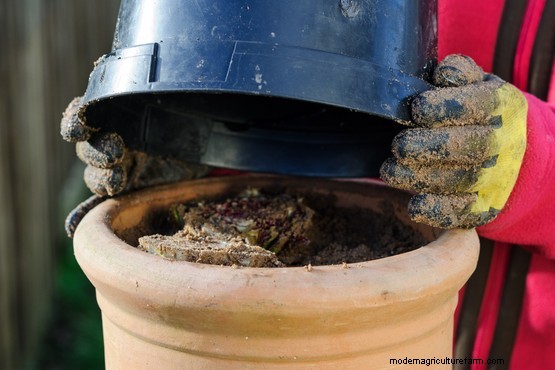
Blocking light to encourage a plant to grow earlier than it should, often to produce sweeter-tasting stems. Often used with rhubarb. See also ‘Blanching’.
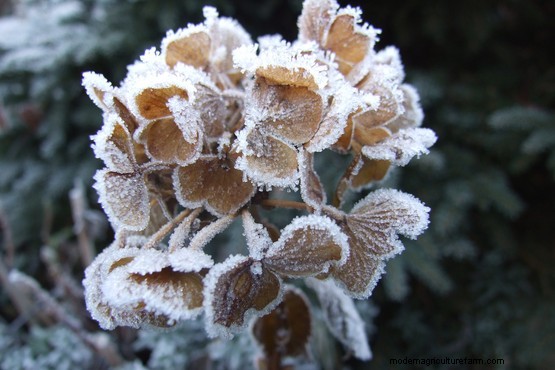
The condensation of moisture in the air, when temperatures fall below freezing.
Plants that can survive winter frosts. See also ‘Frost tender’.
Plants likely to be damaged or killed by frost. See also ‘Frost hardy’.
Complete shade with no sunlight at all. Often beneath dense tree canopies or at the immediate north-facing wall of a house.
Six hours or more of direct sunlight.
When seeds begin to grow leaves and roots.
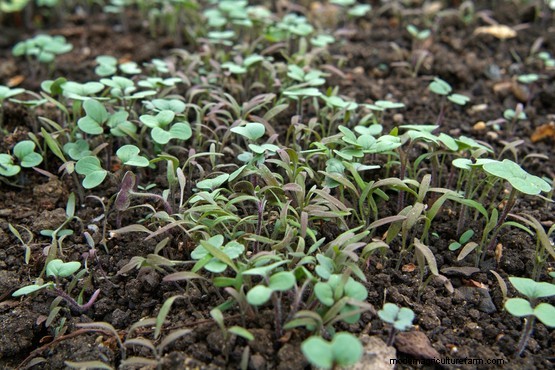
Plant-based manure, usually a crop grown specifically for digging back into the soil before it flowers, to add nutrients. Comfrey, red clover and phacelia are two commonly used green manures.
Used to describe low-growing plants which spread across the soil and can be grown beneath a tree or near a path. Often used in areas where little else grows.
The direction or shape a plant takes as it grows.
Plants unable to survive the winter without protection. See also ‘Hardy’.
The acclimatisation of seedlings started indoors or in the greenhouse, to outside conditions before planting out. See also ‘Acclimatisation’.
Plants that can survive winter without protection.
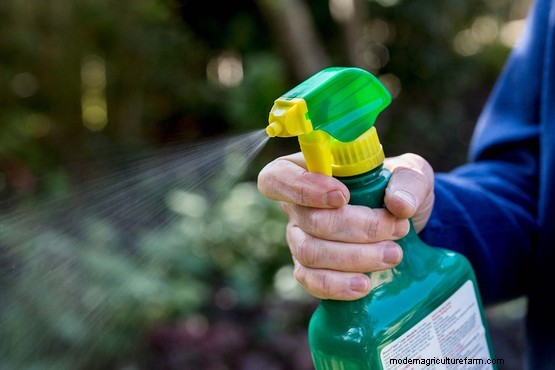
Used to describe an artificial chemical used to kill weeds.
The sap-like liquid excreted by aphids. It can develop sooty mould and is also consumed by ants, who ‘farm’ the aphids to encourage them to produce more.
Organic matter in the soil, often the result of decayed leaves, manure and compost, much of which as been eaten and recycled by worms. See also ‘Organic matter’.
Growing small crops in the spaces between larger, slow-growing plants. Often they benefit from the shade created by the larger crop.
Watering plants, usually employing a system, such as a sprinkler or a drop-irrigation system, to do so.
The loss of nutrients from the soil, usually where no plant roots are present, in heavy rain.
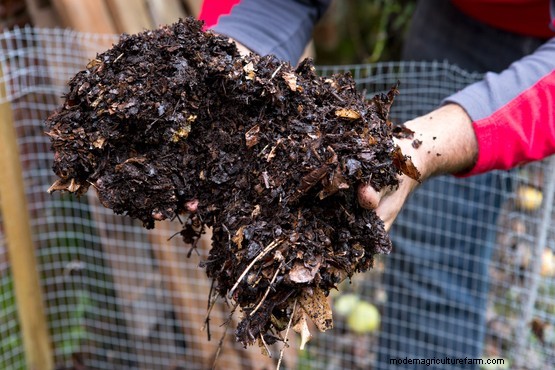
The result of letting leaves rot down together. Used as a mulch and in potting mixes. See also ‘Mulch’.
A member of the pea family, for example beans, peas, sweetcorn, vetch.
Potatoes and other crops, such as peas, that crop in the middle of the season. See also ‘Earlies’ and ‘Second earlies’.
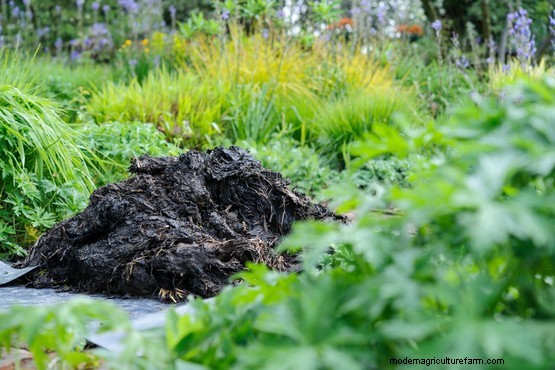
Usually animal droppings which are rotted down and used to fertilise the soil. Popular animal manures include horse and chicken. See also ‘Green manure’.
Used to describe trace elements and nutrients in the soil, which plants need in small quantities. They include calcium, sulphur and magnesium.
Organisms too small to be seen with the naked eye, often found in the soil, which help keep the soil healthy.
Fungal infections of leaves, often brought on my wet weather.
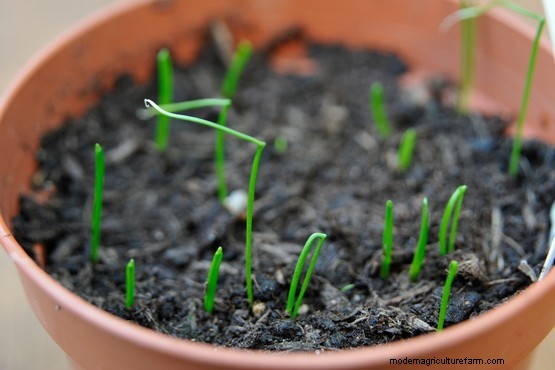
Used to describe the first (embryonic) leaves that emerge from the seed after it has germinated. Monocotyledons are seeds containing only one embryonic leaf. These include grasses, orchids and members of the onion family, such as leeks and onions. See also ‘Cotyledon’ and ‘Dicotyledon’.
A thick layer of compost, manure, or leaf mould, which is placed on the surface of the soil. Applied to feed the soil, prevent weeds and conserve moisture. Bark chippings and stones are also used.
Used to describe food that’s been grown without artificial fertilisers, fungicides or pesticides. Also used to describe non-artificial fertilisers themselves.
Gardening practices using pesticides and herbicides derived only from living things (plants and animals) and with no artificial fertilisers or pesticides.
Composted remains of plants and animals, including leafmould, compost, manure, humus. See also ‘Humus’.
Plants that live for more than two years.
The development of agricultural ecosystems intended to be sustainable and self-sufficient.
Usually an artificial chemical used to kill insect pests. Sometimes used to describe organic solutions.
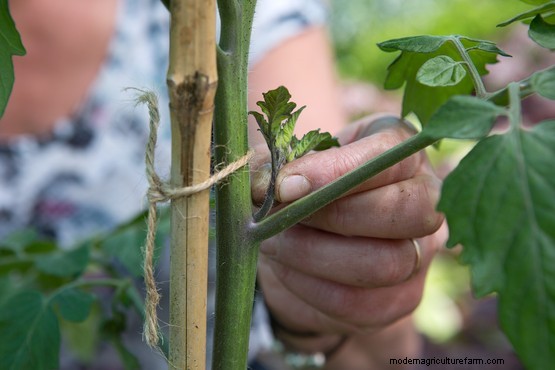
Used to describe the process of using your thumb and forefinger to remove the growing tips or sideshoots of plants.
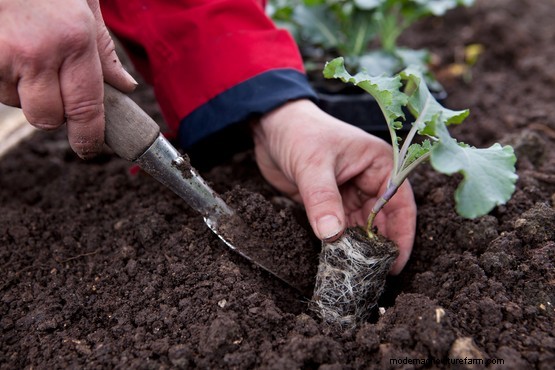
Transplanting seedlings developed in the greenhouse or indoors, to the garden.
Animals that fertilise flowers as they visit them, typically bees, moths, butterflies, birds and bats.
Planting young plants into a new container for mature growth.
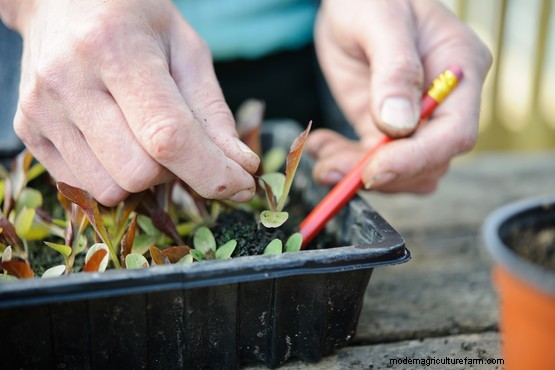
Moving tiny seedlings from pots or trays into new pots, to give them more room when their first true leaves appear.
Any pot or tray, usually with a lid, which is use to germinate seeds.
Techniques used to grow plants, usually from seed, cuttings or division.
Tiny, sap-sucking spider-like insects that spin webs on plants, often found in the greenhouse.
The root system and surrounding soil or compost of a plant.
Used to describe a plant that has outgrown its pot.
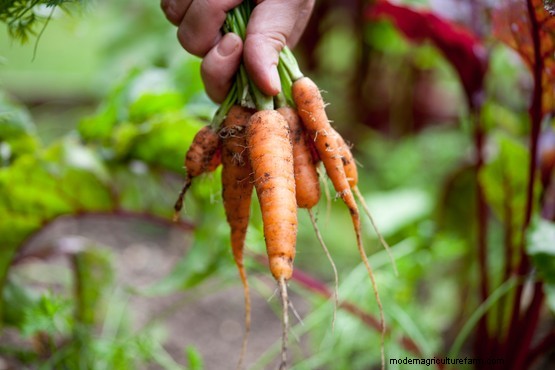
A vegetable, such as a carrot or parsnip, where the roots are harvested to eat.
A fungal disease that affects the roots of plants, causing them to wither and die.
Usually sed to describe a potato crop (also peas) that’s harvested in between the earlies and the maincrop. See also ‘Earlies’ and Maincrop’.
Used to describe a plant that doesn’t need earthing up, such as celery. See also ‘Blanching’.
A large sieve used to sieve compost for potting mixes.
A fertiliser that release its nutrients over a few weeks, rather than straight away. Organic fertilisers tend to be slow-release by their nature.
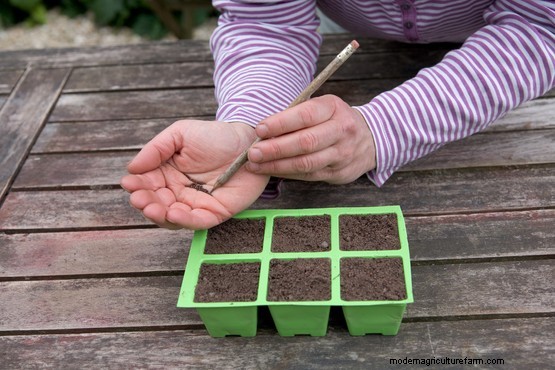
Placing seed on moist soil or compost to germinate.
Sowing seed at intervals (weekly or fortnightly) to ensure a continuous crop, rather than everything coming at the same time.
A plant likely to be killed or damaged by winter temperatures.
Removing seedlings planted too closely together, to allow the remaining seedlings to grow properly.
The consistency of the soil you’re planting into. A fine tilth, where crumbs of soil are small, is best for sowing seed.
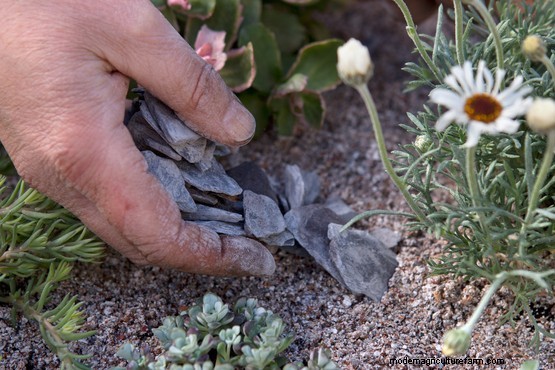
Applying fertiliser, such as compost, manure or artificial fertiliser, as a mulch on the surface of the soil.
The soil you plant into. It’s the most nutritious part of the soil, compared to subsoil, which isn’t very nutritious at all. See also ‘Subsoil’.
The movement of water through a plant.
Moving plants from their pots, either into larger pots or into the soil.
Usually used to describe the first leaves that grow after the cotyledon leaves, which are usually different to the cotyledon leaves. See also ‘Cotyledon’, ‘Monocotyledon’ and ‘Dicotyledon’.
Used to describe plants, usually growing in pots, which are completely submerged in water.
Used to describe plants that have shrunk and collapsed, often due to lack of water, frost or fungal disease.
Used to describe the size of your harvest, a good yield being a large crop.
Gardening for beginners – 10 tips
To help you get started, check out some of our tried-and-tested gardening tools below, with a selection of great kit for planting and support.


