Welcome to Modern Agriculture!

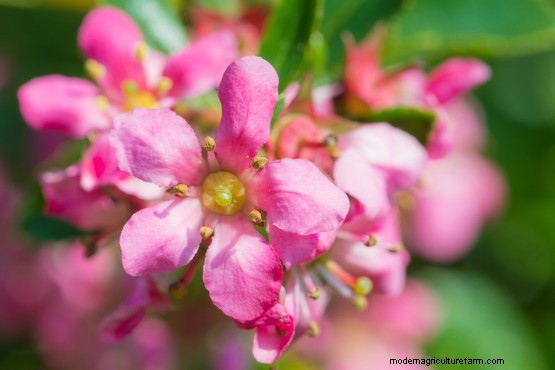
Escallonias are handsome flowering evergreen shrubs that bloom for months through summer and into autumn. Flowers are borne in clusters and range in colour from white through shades of pink to red. They contrast beautifully with the oval, glossy leaves. Escallonias are tolerant of salt and wind in mild areas but won’t thrive in cold exposed locations. Originating from South America, these woody shrubs are reasonably hardy, but avoid growing in areas where winter temperatures drop below -5°C.
Green-leaved escallonias have moderately vigorous growth and are useful shrubs for screening and hedging as well as growing in borders. Golden-leaved escallonia varieties have been introduced in recent years and, while showier in appearance, are slower-growing and do need a more protected site. Butterflies, bees, and other insects love the flowers of escallonias.
Escallonias need sun and a fertile, well-drained soil to grow well. Prepare ground by digging in well-rotted compost or soil conditioner, and plant in spring if possible so plants can become well established before winter. Plant with the top of the rootball at soil level, backfill around the roots and firm well, and water in. During dry spells through the first growing season, water thoroughly twice a week.
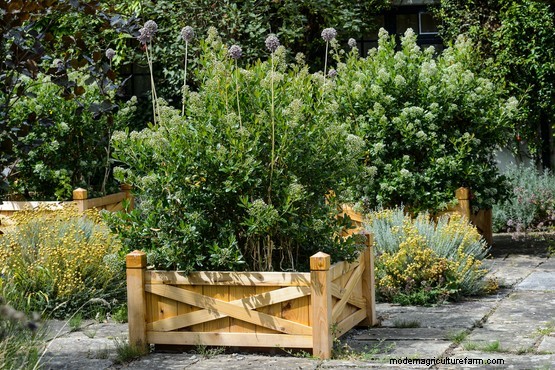
Escallonias are versatile garden shrubs that can be grown individually or in small groups in a border, or against a wall or a fence. They also make an attractive informal flowering hedge. The most compact varieties are suitable for growing in large containers. They need to be grown in full sun – in sites exposed to cold winds, plant escallonias in the shelter of a south-facing wall or fence. Escallonias cope with salt-laden winds so long as temperatures don’t drop too low, making them especially useful for hedging and screening in milder coastal areas. Golden-leaved escallonias are slower-growing than green-leaved varieties and need greater protection from wind and cold. The larger escallonia varieties grow to around 2.5m high while the most compact are just a metre.
To grow escallonias as a hedge, space plants 45cm apart in a single line. Prepare ground by digging in well-rotted compost or soil conditioner, and plant in spring if possible so plants can become well established before winter. Plant with the top of the rootball at soil level, backfill around the roots and firm well, and water in. Ensure the site gives sufficient width for the plants to develop to flowering size as escallonias bloom best if trimmed just once a year.
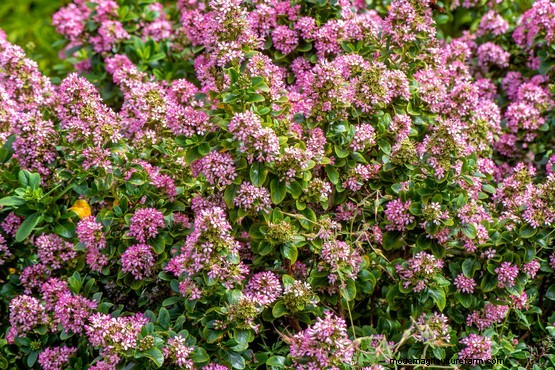
There’s no need to regularly prune escallonia, unless you’re growing it as a hedge. Escallonia hedges should be trimmed immediately after flowering has finished. Pruning just once a year after flowering will result in the greatest quantity of flowers: trimming can be done more frequently if a more formal hedge shape is required, although this will result in fewer flowers.
Apply a general slow-release granular fertilizer in early spring, annually.
After pruning, spread a 5 cm deep layer of well-rotted compost or soil conditioner over the root area, but take care to keep the mulch clear of the stems.
Mature escallonias that have become overgrown and congested can be thinned and regenerated by what is referred to as the ‘one in three’ method. In mid-spring, take out up to a third of the oldest branches, either near to the ground or where two main stems join. Repeat this in subsequent years to gradually regenerate the shrub.
Take cuttings of escallonia shoots in late summer, selecting healthy non-flowering stems of this year’s growth that is just starting to become woody. These are known as half-ripe or semi-ripe cuttings. Use a sharp knife to cut just below a leaf joint; remove the leaves on the lower two-thirds of the cutting and dip the base in hormone rooting powder. Place the cutting in a small pot of moist seed & cuttings compost and cover with a polythene bag or place in a propagator for several weeks. When new growth starts to appear, this shows that the escallonia cutting has rooted and the cover can be taken off. Grow on to plant outside the following year.
Leaf spot is a fungal disease that sometimes attacks escallonia, particularly if plants are growing where they become stressed. Dark spots appear and the leaves may turn yellow and fall. In severe cases, an escallonia can lose most of its leaves. Collecting up and disposing of infected fallen leaves and picking off the worst of the discoloured ones will help reduce risk of re-infection. Ensuring plants are in free-draining soil and aren’t under stress will help avoid this disease occurring.
Mature shrubs that have become dense and congested can be thinned as described above, as good air movement through the plant helps discourage disease in the first place.
Escallonias may drop a proportion of their leaves after spells of severe weather. This could be after a period of low winter temperatures or dry winds, after prolonged periods of heavy rain or long spells of drought. Usually leaves regrow when conditions improve.
If some of the shoots have been killed by cold, wait until mid-spring before pruning out dead growth as it then becomes clear where the new growth is emerging.
Fungal disease, inclement weather, or simply the natural process of shedding leaves – all can be responsible for an escallonia losing leaves. Watch this Quick Tips video as Kate Bradbury, BBC Gardeners’ World Magazine, helps get to the bottom of this, and reveals her top tips to give your escallonia a new lease of life: