Welcome to Modern Agriculture!

All evergreen shrubs, such as ceanothus, camellias and rhododendrons, are only borderline hardy. The young growth and leaves are vulnerable to cold and should be pruned in summer, once the frosts are over.
Discover eight reasons to prune in summer.
The main aim of pruning evergreens is to maintain their shape, control their growth and remove any frost-damaged stems. Ideally, prune before the new leaf buds open, so that energy is directed into the remaining stems.
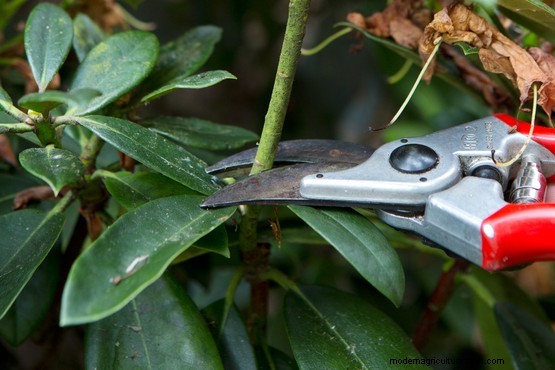
Whether it’s a pair of long-handled loppers, pruning saw or secateurs, using the right tool is essential for this task. For more information read our guide to tools for pruning, and if you’re looking to update your kit, our experts have been busy testing the best pruning saws, the best secateurs and the best anvil loppers, so you can buy with confidence.
In a hurry? Here are some of the best buys from these tests:
Here are some tips for pruning evergreen shrubs.
The main aim when pruning evergreens is to remove around a third of the old wood, taking away any crossing and congested branches.
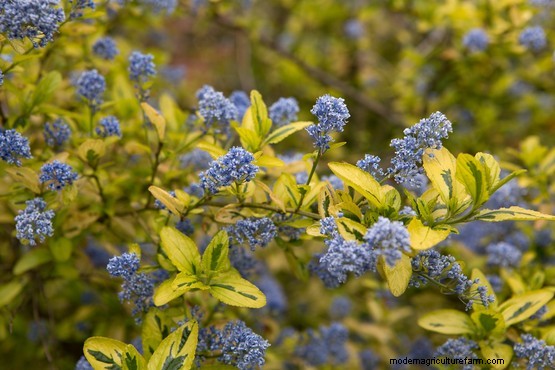
Trace back down the branches to where strong, new buds appear. Using secateurs or loppers, cut to just above these buds, so that sap from the plant is channelled into them.
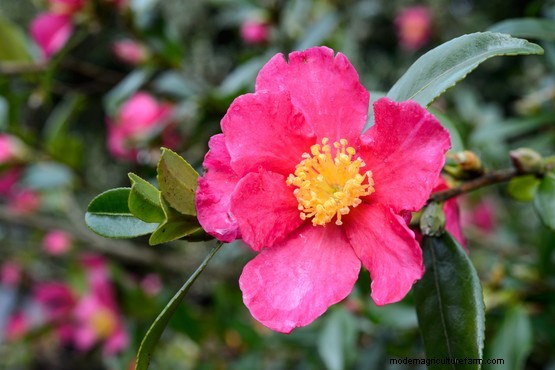
Cut back vigorous sideshoots, cutting back above a bud. For plants that flowered earlier in the spring, this has the added advantage of cutting off any spent blooms.
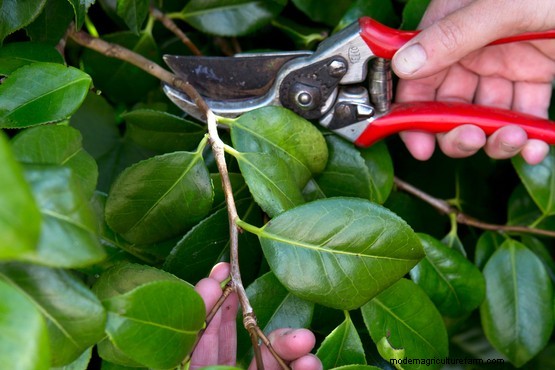
Encourage compact growth by cutting back long, unproductive stems.
Lots of other plants can be pruned in summer, too, including wisteria. If you’re feeling daunted, read our guide to pruning wisteria in summer.