
Welcome to Modern Agriculture!

Learning how to find a leak in an above ground pool and then repair it is one of those things you might not think about until it actually happens. But when it does, the process is surprisingly simple – so there's no need to despair (or, in most cases, splash out on a new one).
As you'll know if you've already perused our above ground pool ideas, there are plenty of reasons why they make great additions to a plot. And not only do they have a lower price point than inground designs, but they are also easier to repair if a crack does appear.
From how to identify a leak to how to fix it, we've got all the info you need, so you can keep enjoying your pool all summer long.
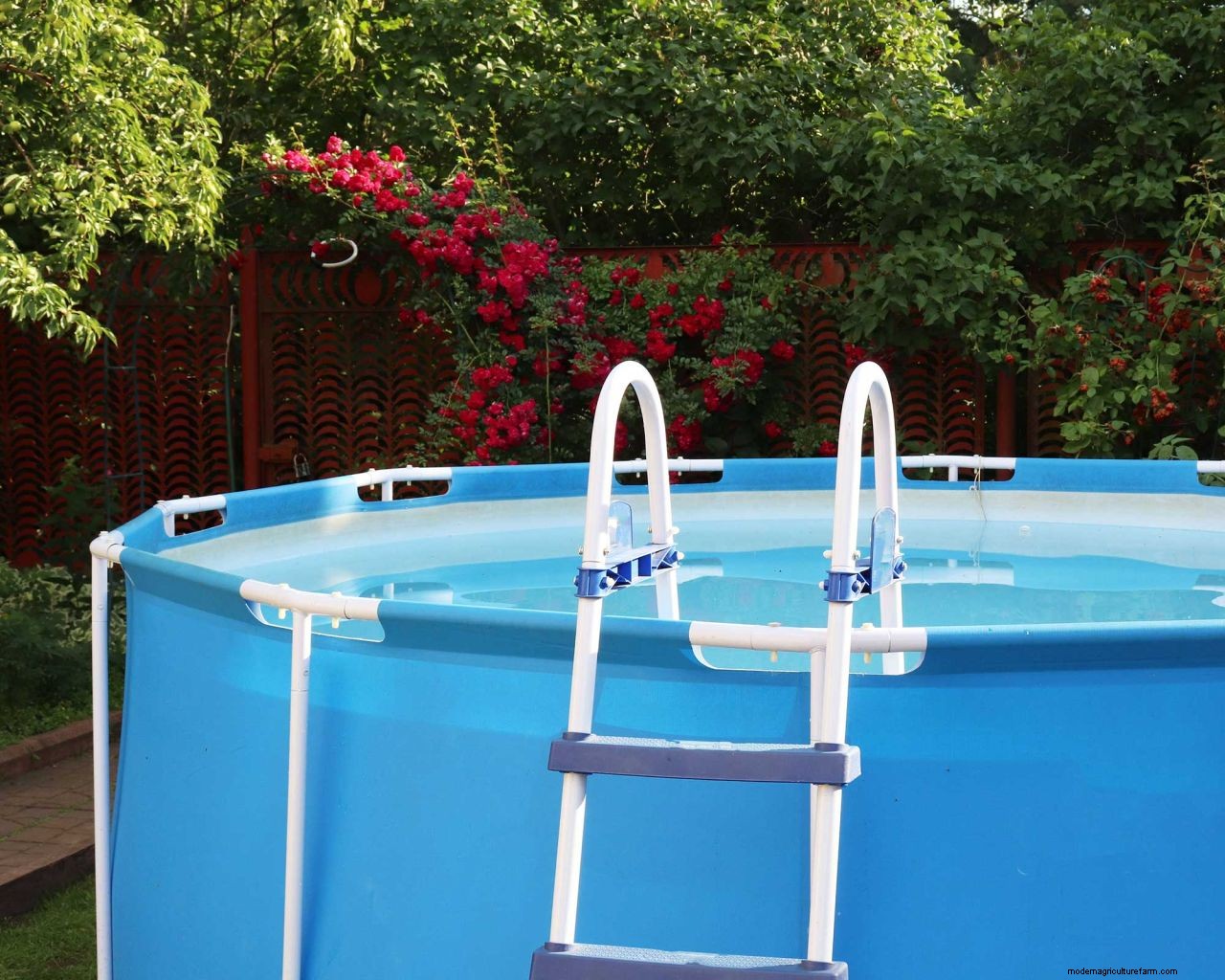
The telltale sign of knowing if your pool has got a leak is the water level dropping. However, 'as water can be lost from a swimming pool for several perfectly normal reasons, such as splashing and evaporation, it is important to identify if this is the case, or whether the pool tank is leaking,' says The Swimming Pool & Allied Trade Association (SPATA) (opens in new tab).
'The rate of evaporation is increased by the wind speed across the surface of the water,' they explain. 'The amount of evaporation is difficult to calculate due to the constantly varying factors but an average of 3mm [0.1in] in 24 hours (when an indoor pool is uncovered) is a guide and it can be significantly higher for outdoor pools.'
Whether you're using your above ground pool for a pool party or just for a solo dip, water will also be lost from getting out of it. This can amount to 0.75 of a liter per person each time they exit, says SPATA.
But if your pool's water levels are dropping quicker than usual, or you've noticed a muddy, waterlogged patch on your lawn beside your pool, then the issue is probably a leak.
You can buy dye tests online (try Amazon) (opens in new tab) which will help you pinpoint exactly where the leak is underwater. Try to narrow down the area where the hole is first, by looking for damp patches on the ground outside of the pool. Then, drop a bit of ink in the water around the suspected area, close to the sides of the pool. If there is a crack, the dye will be drawn towards it. Ensure the water is as still as possible before trying this method.
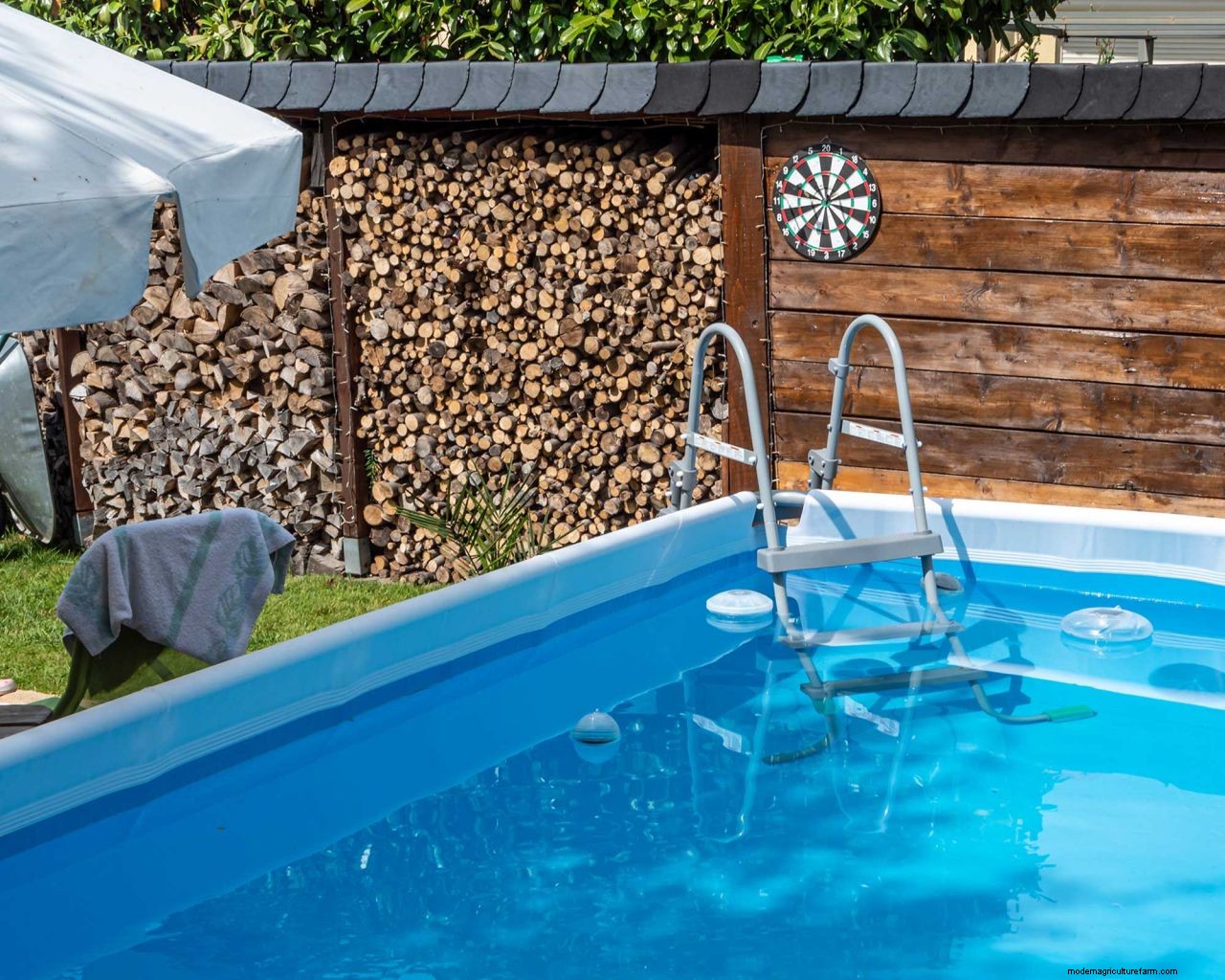
Even the best above ground pools can suffer from wear and tear. But learning how to fix a leak will make them last longer.
All your need is a vinyl plastic pool patch (available on Amazon) (opens in new tab). Then, simply follow these steps:
The experts at Swim University (opens in new tab) explain how you can double up your patches for peace of mind. Cut the second patch larger than the first, so that it sticks to both the patch beneath and the pool itself. Also, ensure you let the first one dry fully first before applying the second one.
Learning how to find a leak in an above ground pool and then fix it will undoubtedly help to prolong its life – sometimes for a good few years.
However, the patches won't last forever. How long exactly depends on how big the crack was to begin with, the quality of the repair patch, and also where the leak is. If it's somewhere that gets a lot of traffic, such as near the steps, it's likely to weaken quicker.
Eventually, as your above ground pool liner thins and develops more and more leaks, the time will come to replace it completely. On the bright side, this will give you the perfect opportunity to try out some new backyard pool ideas.

You can buy waterproof tape that offers a quick and affordable fix for above ground pool leaks. However, it's best to save this for minor cracks, as according to Swim University, it tends to peel over time.
If your above ground pool is made of concrete, then the leak will need to be fixed with pool plaster. This is trickier to fix yourself – calling for tools such as a masonry saw and muriatic acid – so if in doubt, call in a professional.


