
Welcome to Modern Agriculture!

Is your lawn looking a little threadbare? Don't worry – it's easy to repair lawn patches with new grass seed to get it looking lush and green again.
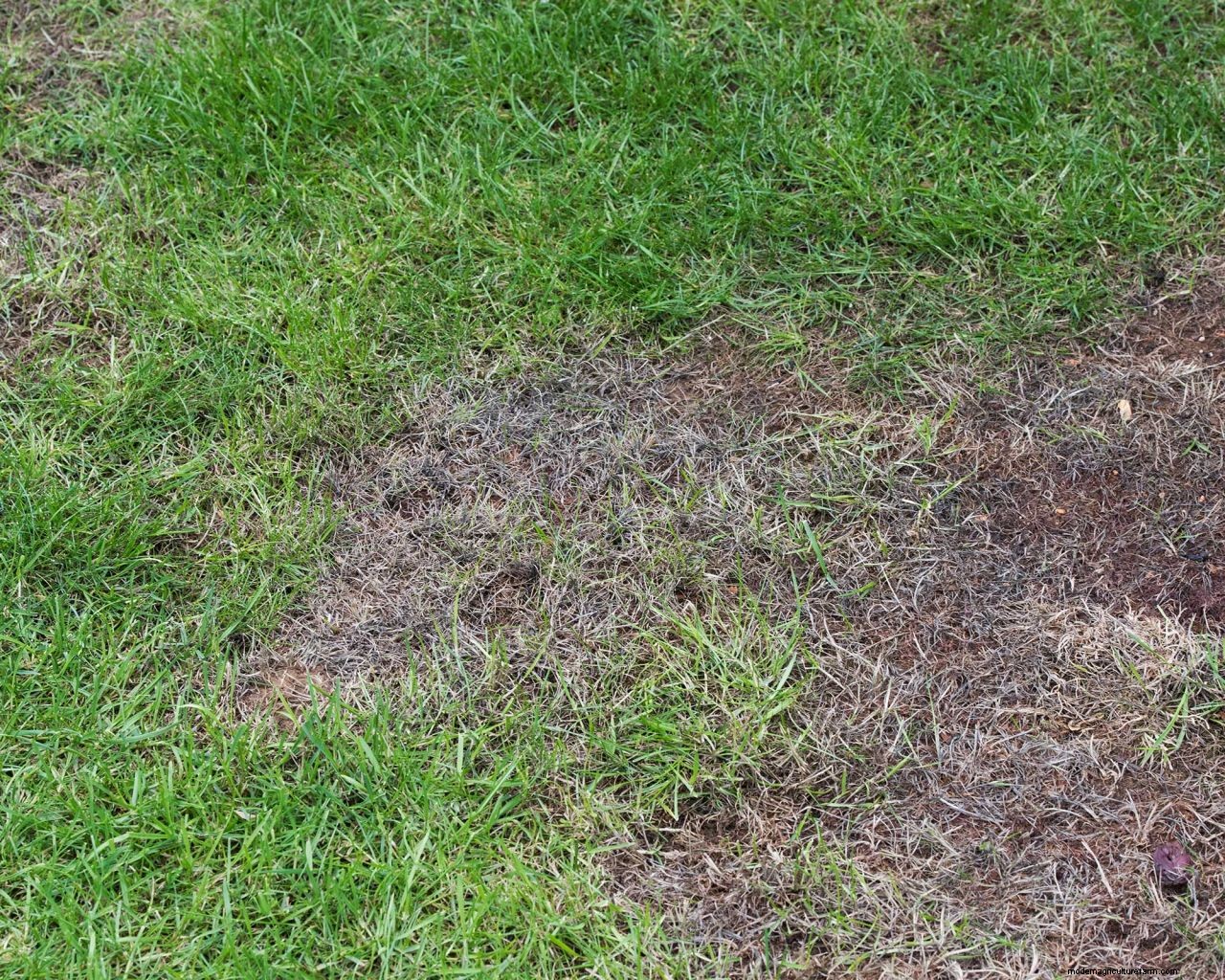
A lawn covered in dead, brown spots is never a good look, even if it's surrounded by smart lawn edging. Unfortunately, it's a common problem, especially in the height of summer when the grass can become parched, or if you have children or pets running around. Patches can also form due to over-mowing, over-raking or heavy lawn scarifying, explains Andy Wain, Head Gardener at Euridge Manor (opens in new tab) and spokesperson for Stihl (opens in new tab). 'When they appear, it is best to act quickly to prevent them from becoming a breeding ground for weeds,' he adds. 'The best way to restore bald patches is reseeding them.'
You'll be pleased to hear that this process is cheap and totally straightforward. We've rounded up all the tips you need to know.
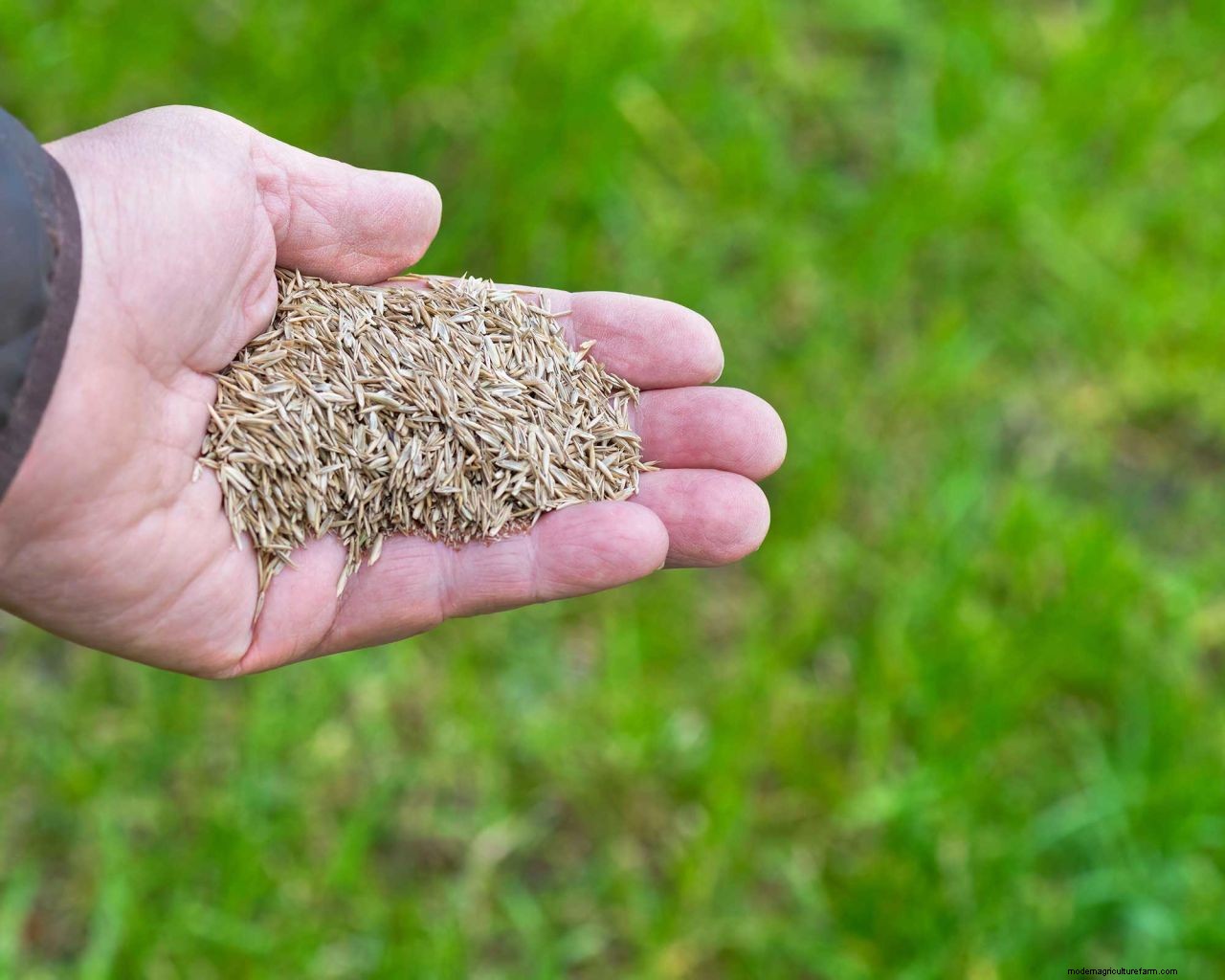
lf your turf is looking patchy, rather than matching up to the luscious lawn ideas you had in mind, then it's time to grab the grass seed and get sowing. It's super easy to do:
Top tip: Apply a high phosphate food as soon as the seeds have germinated for best results, as suggests Homebase.
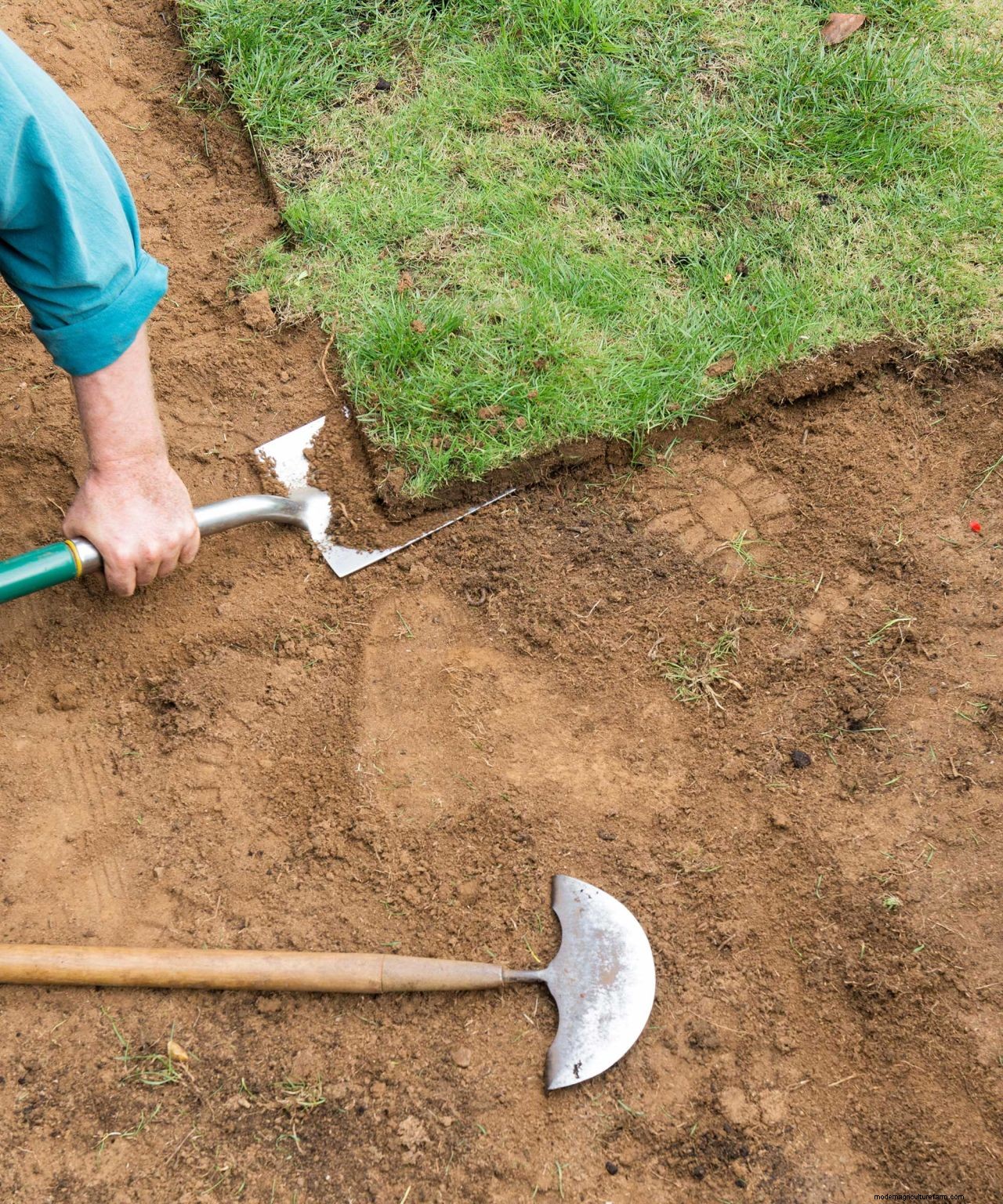
Lawn edges looking a little ragged? There's a quick and easy fix, as the RHS explains:
The best time to repair lawn patches is in spring or fall, when the weather is damp and cool. This will give the new grass a good chance to establish.
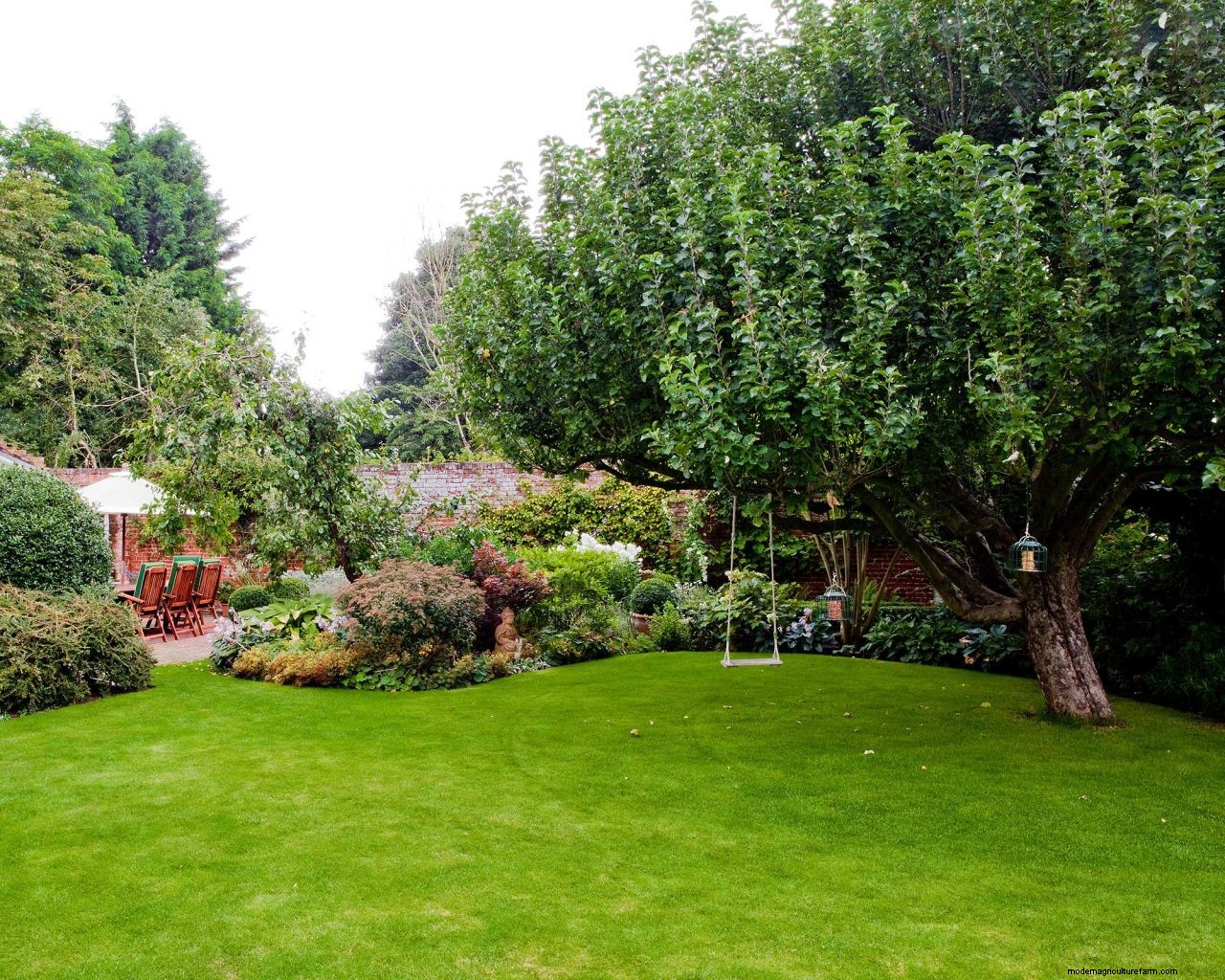
There are broadly three types of grass seed mixes that you can choose from, as Homebase explains. Hard-wearing lawn mixes tend to include ryegrass and are good if you're on the lookout for family garden ideas. Premium lawn mixes are a blend of a finer-textured grass seed for a high-quality result. Or, you can purchase a mix that's suitable for shadier gardens which isn't as reliant on direct sunlight as other blends.
When repairing lawn patches, try to use the same seed as you used for the rest of your lawn to avoid a variation of appearance.
Short on time? You can repair your lawn patches with turf rather than seed for instant results. If you're using new turf, be sure to lay it as soon as possible once you have it, to prevent it from drying out.
Whether you want to repair lawn patches by reseeding or turfing, it's important to give it a chance to establish before you mow it.
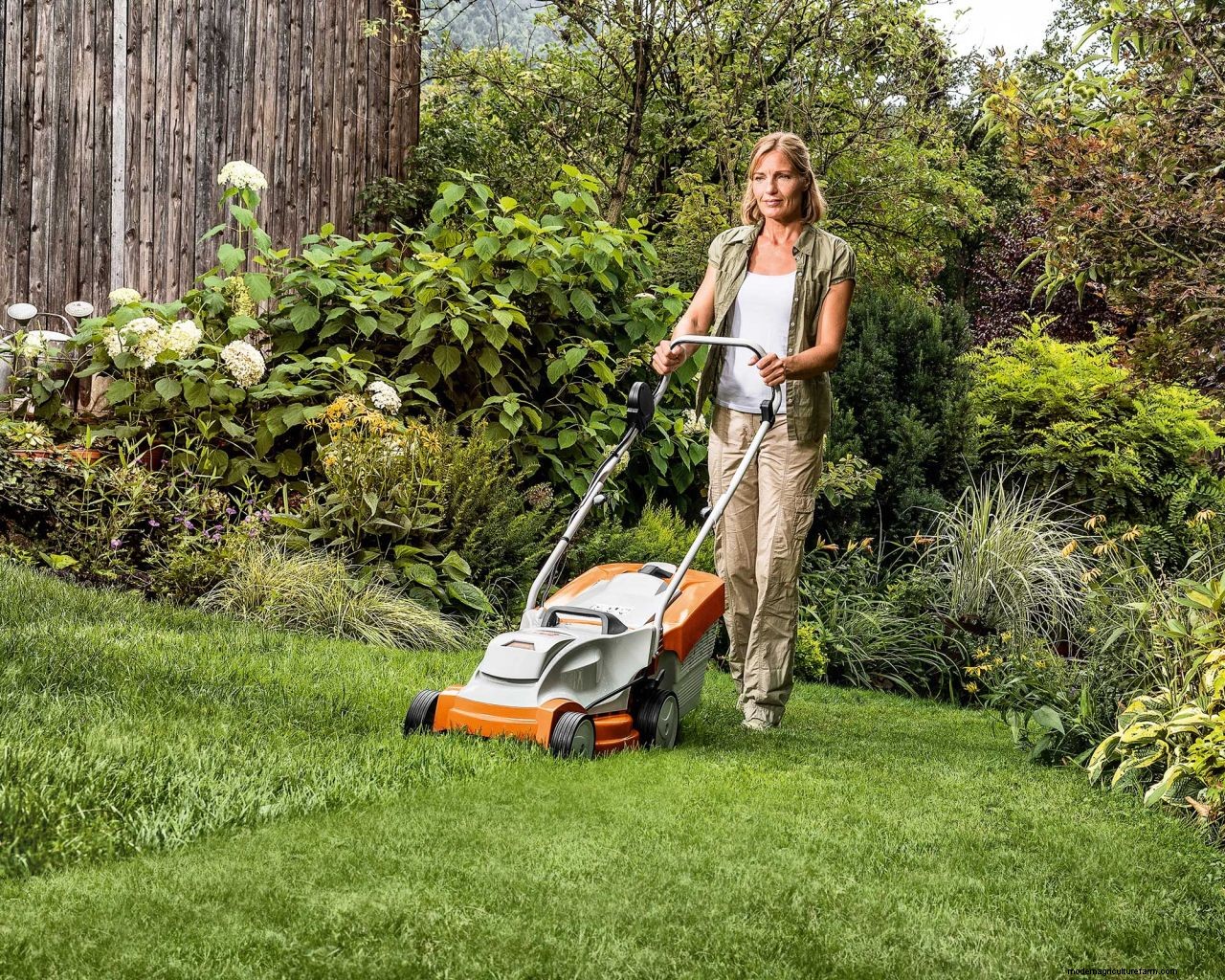
Even with the best lawn mower, you'll need to wait until your newly sown grass is at least 2.4–2.8in tall (around 6–7cm). If you've used turf, you'll need to wait until the grass is 2–2.4in (5–6cm) tall. Don't set the blades too low – you'll want to remove no more than 25% on the first cut, say the experts at Premier Lawns (opens in new tab).
Most of us want to know how to get rid of lawn weeds in our garden, however one weed in particular – clover – can be rather beneficial for avoiding brown patches in your lawn.
Bob Flowerdew, Amateur Gardening's organic gardening expert, explains how clover creates dark green patches in a lawn as it adds nitrogen to the soil. True, if you have just a few patches, it will look like green blobs all over your turf. But, it's easy to eliminate these – and brown blobs as well – by sowing clover everywhere, he says. As a result, the lawn will stay green more uniformly and without the need for excessive watering throughout summer.
Fancy a lower maintenance groundcover for your yard? We've rounded up lots of alternatives to grass that are practical and stylish in our dedicated guide.


