
Welcome to Modern Agriculture!

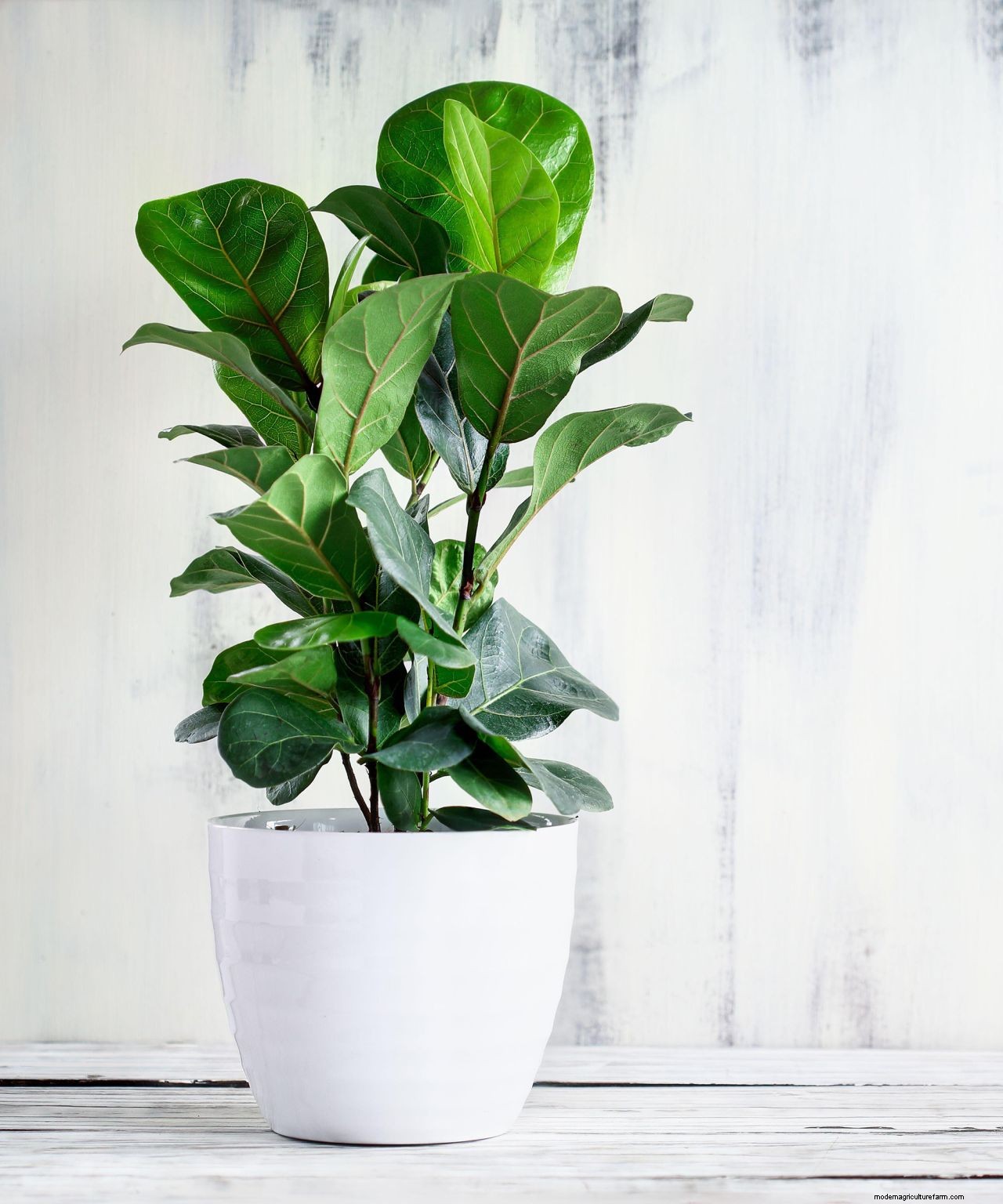
The tall stems and sculptural dark green leaves of the fiddle leaf fig, which are shaped like the body of a violin or fiddle, make a bold statement in a sunny room. They're also relatively easy to look after and will not balk if left to their own devices for a week or two.
Hailing from the tropical rainforests of Africa, the fiddle leaf fig (Ficus lyrata) can reach a towering 25ft (8m) in height in its native habitat, its giant leaves measuring up to 18in (45cm) long and 12in (30cm) wide. However, when grown as an indoor plant with its roots restricted to a pot, you can expect it to achieve about 6 x 4ft (1.8 x 1.2m) in height and width, with foliage about half the size of rainforest plants.
Whilst being one of the best indoor plants to grow, fiddle leaf fig care can be a bit fiddly at times – but we've got all the advice you need to keep yours happy and healthy.
Fiddle leaf figs are slow-growing. A young one would suit a desk or tabletop, but you will need a much larger space to accommodate a mature species to grow them as indoor trees.
The dwarf cultivar 'Bambino', which will grow to about 3ft (90cm) in height, is worth seeking out if you want a smaller plant.
Where a plant threatens to become too tall for your home, you can trim the top of the main stem to keep it in check, but remember that while this will restrict its height, pruning also encourages more side stems to form.
Fiddle leaf figs are a little bit picky about light levels. They are not low light indoor plants, preferring bright light but not prolonged periods in direct sun, especially in summer, which may scorch their leaves.
To satisfy their needs, place them in a sunny room, a few feet away from the window, like you would an aloe vera plant. Or if your room is flooded with sun all day, hang a net or voile curtain over the window to filter the rays.
You may have to move your plant closer to the window in winter when there are fewer hours of daylight and the sun is not as strong. Basements and north-facing rooms will probably not receive enough light for a fiddle leaf fig.
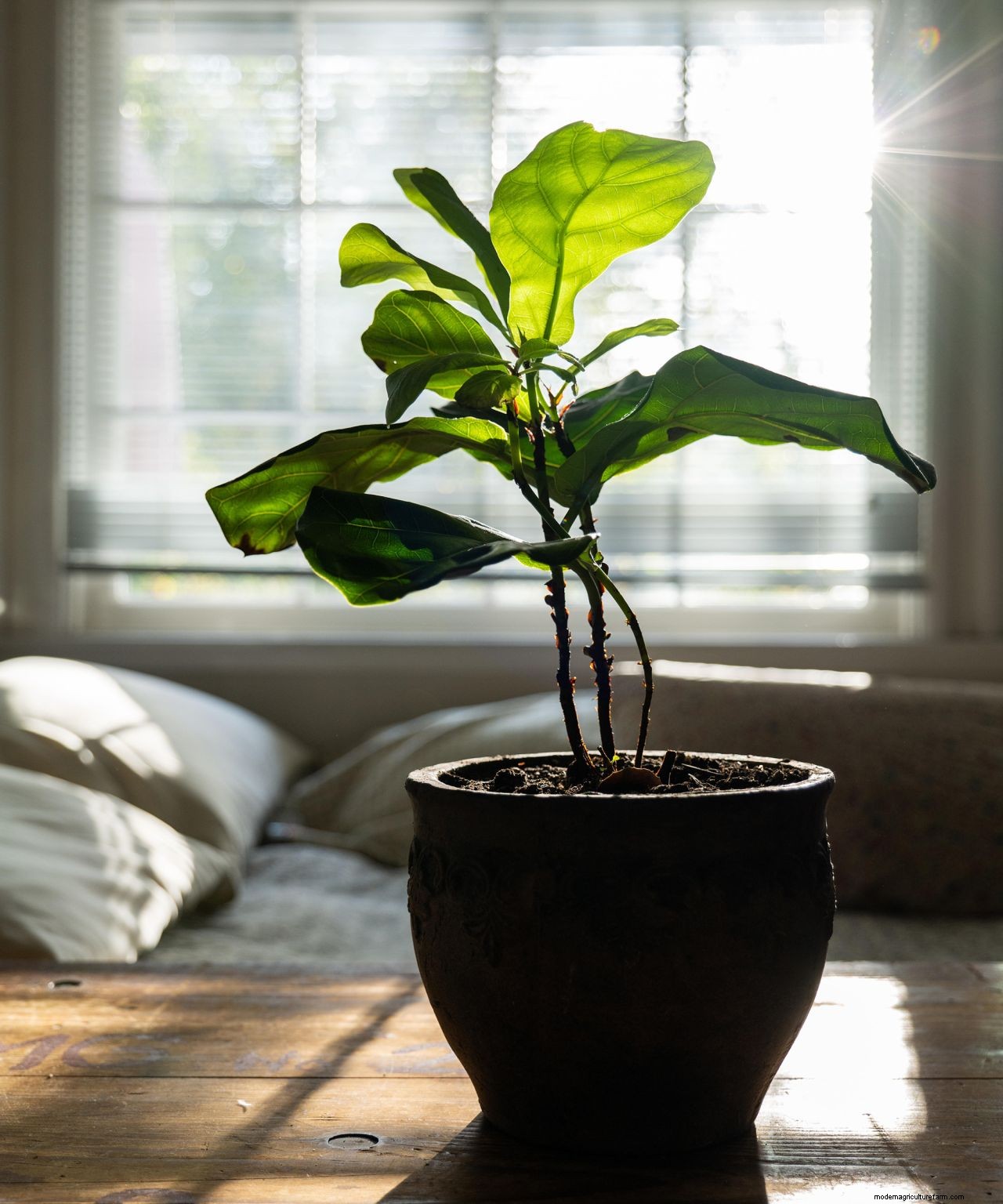
These plants do not like drafts and are happiest where temperatures are kept consistently warm. So, find homes for them away from the front or back door in a house and steer clear of open fireplaces.
Also, avoid areas close to radiators and heaters, which will dry out the leaves, causing them to turn brown and fall. When you find an area that your plant seems to enjoy, try not to move it.
Like many tropical houseplants, the fiddle leaf fig likes moist compost around its roots during the growing season from spring to fall, but dislikes waterlogged conditions.
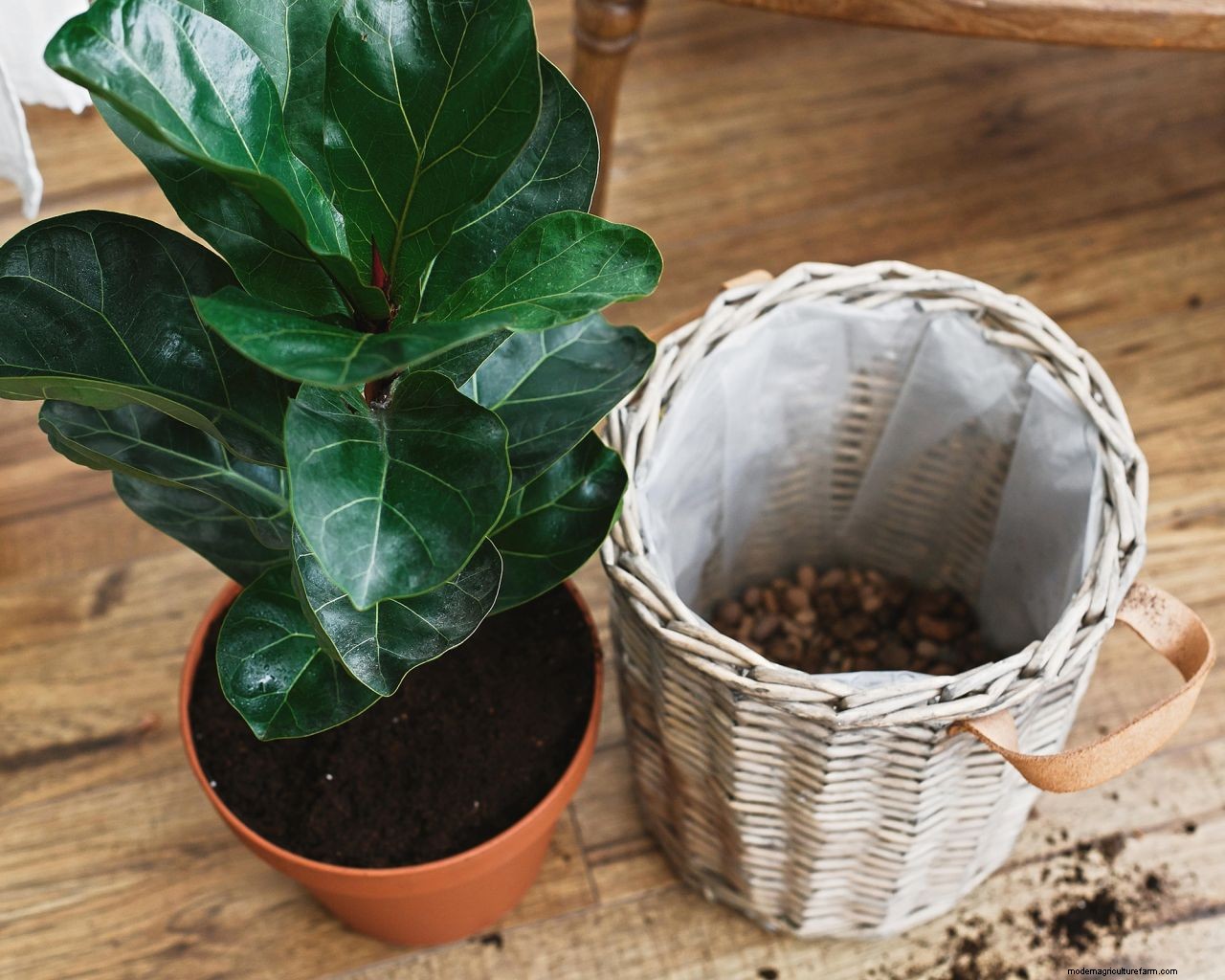
Grow your plant in a pot a little larger than the root ball, with drainage holes in the base as you would have for a Swiss cheese plant, and set it on a deep saucer, or in a waterproof container.
Water when the top of the compost feels dry, giving a good dose with each application, while ensuring that the plant pot is never sitting in a pool of water by discarding any excess from its saucer or outer container. Reduce watering in winter, so that the compost is just moist.
Fiddle leaf figs are not especially prone to pests, but growing them in poor conditions can increase their vulnerability to an attack. Check your plants regularly and remove any leaves promptly that show signs of damage from common pests such as red spider mites, thrips, mealybugs, and scale insects, which will cause discolored or distorted leaves.
Thrips will fall off a plant if you shake it and can be controlled with blue sticky traps suspended above the foliage – these insects rarely do much damage so don't worry too much if you see them on your plant.
You can use a biological control, like a spider mite spray for indoor plants from Amazon (opens in new tab), to eliminate red spider mites, but few other methods work, so you may have to discard a severely infected plant.
If you see scaly or shell-like bumps on the stems and leaves, or areas covered with a cotton-like coating, sap-sucking scale insects and mealybugs are to blame. These can be controlled by dipping a small paintbrush into diluted methylated spirits and dabbing it onto the pests. Remove severely infested plants.
There are some common mistakes made with fiddle leaf fig care – avoid the following:
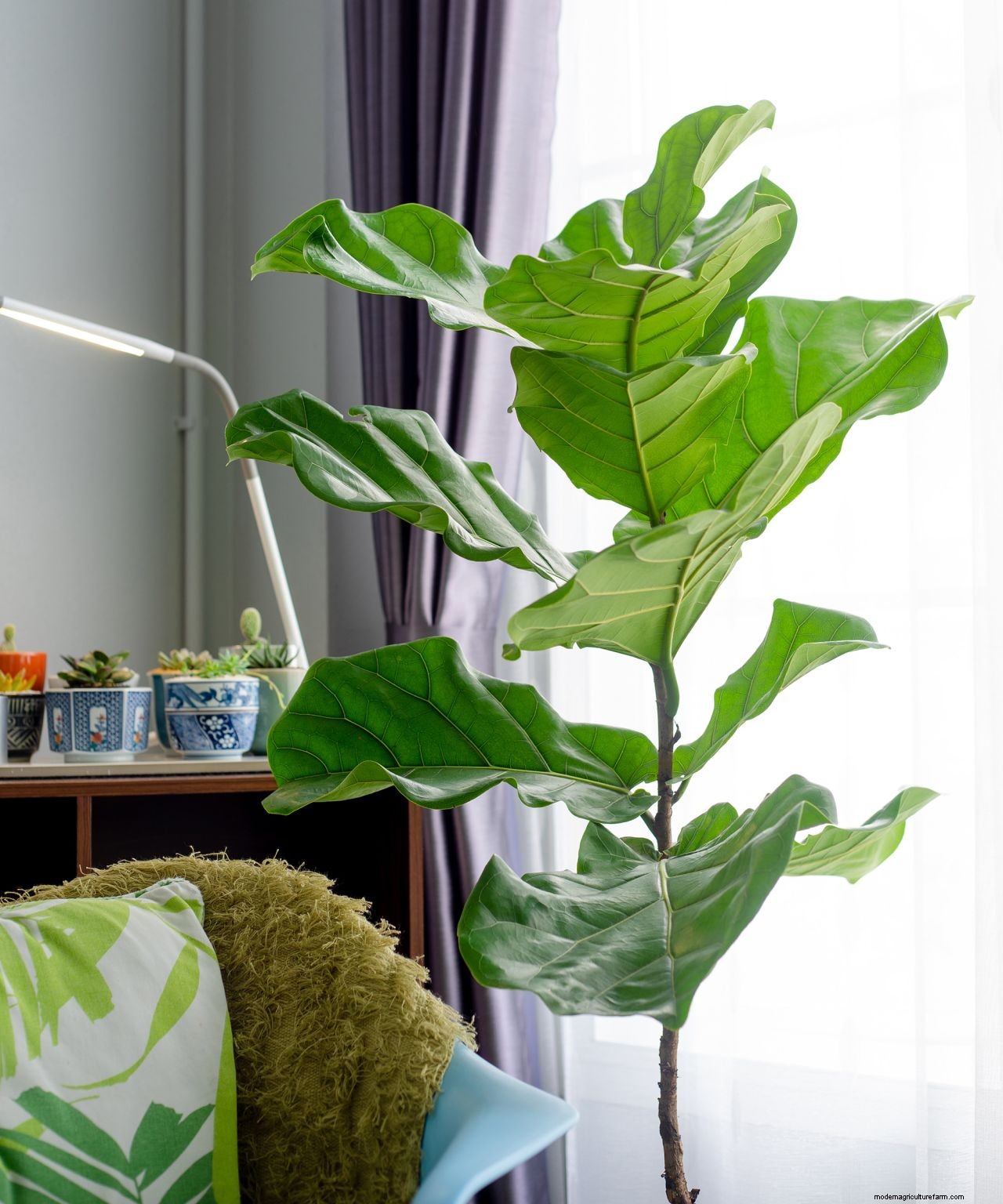
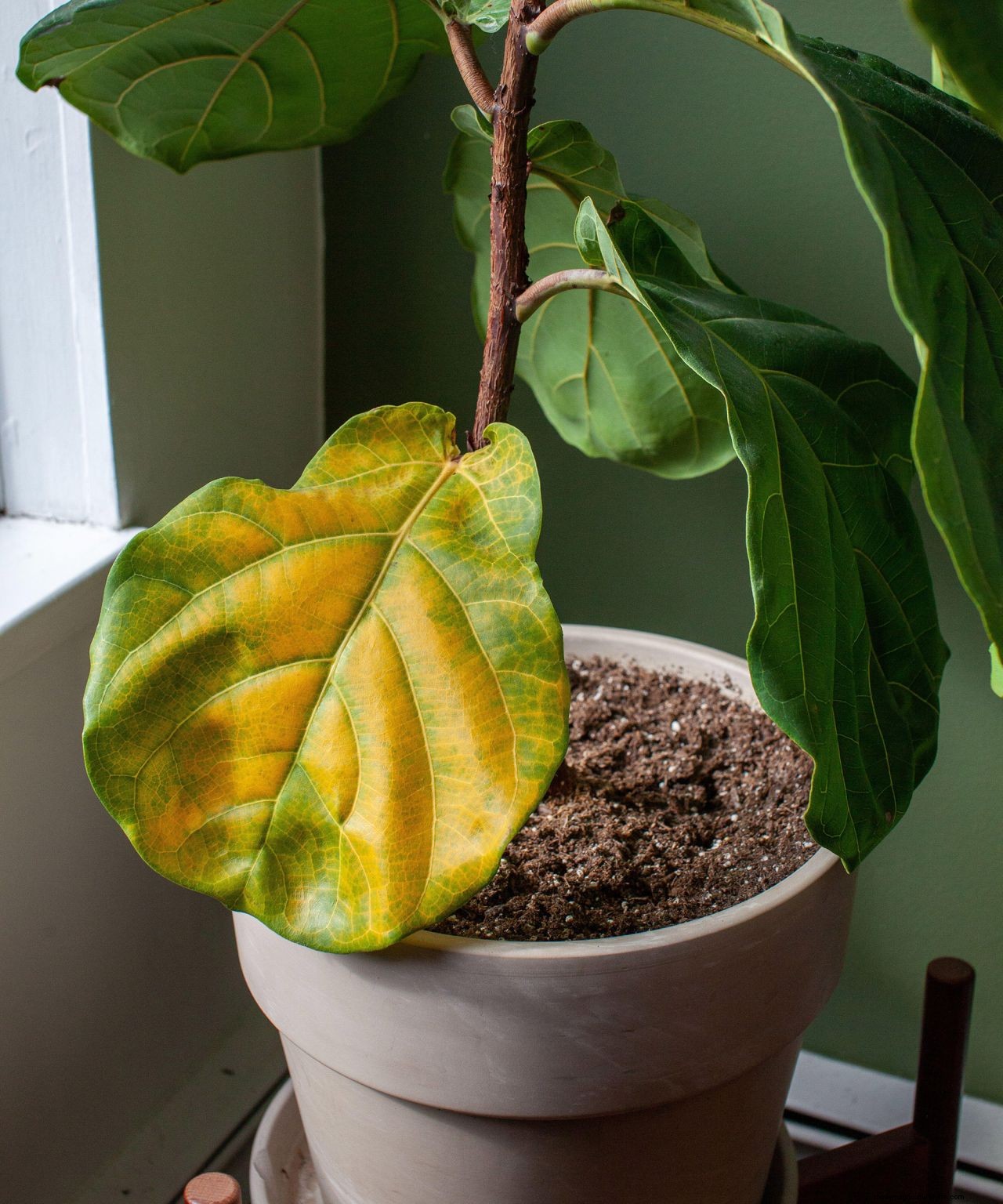
Don't worry if older leaves at the base of the plant turn yellow and fall; this is normal and will not affect the overall health of your fig. However, yellow leaves all over the plant may be caused by a lack of watering, just like with a snake plant. Simply water as described above to remedy the problem.
Too much sun or a position too close to a heat source can result in the edges of the leaves turning crisp and brown. If this occurs, move the plant to a more suitable location.
Fiddle leaf figs will make a beautiful feature when grown as plants for bedrooms if you have space for it. Provide a spot that receives bright light, away from cold drafts and radiators.
This plant does not require high humidity levels, so again, a bedroom will generally provide a good home, although misting the leaves every few days is recommended to keep it in optimum health.
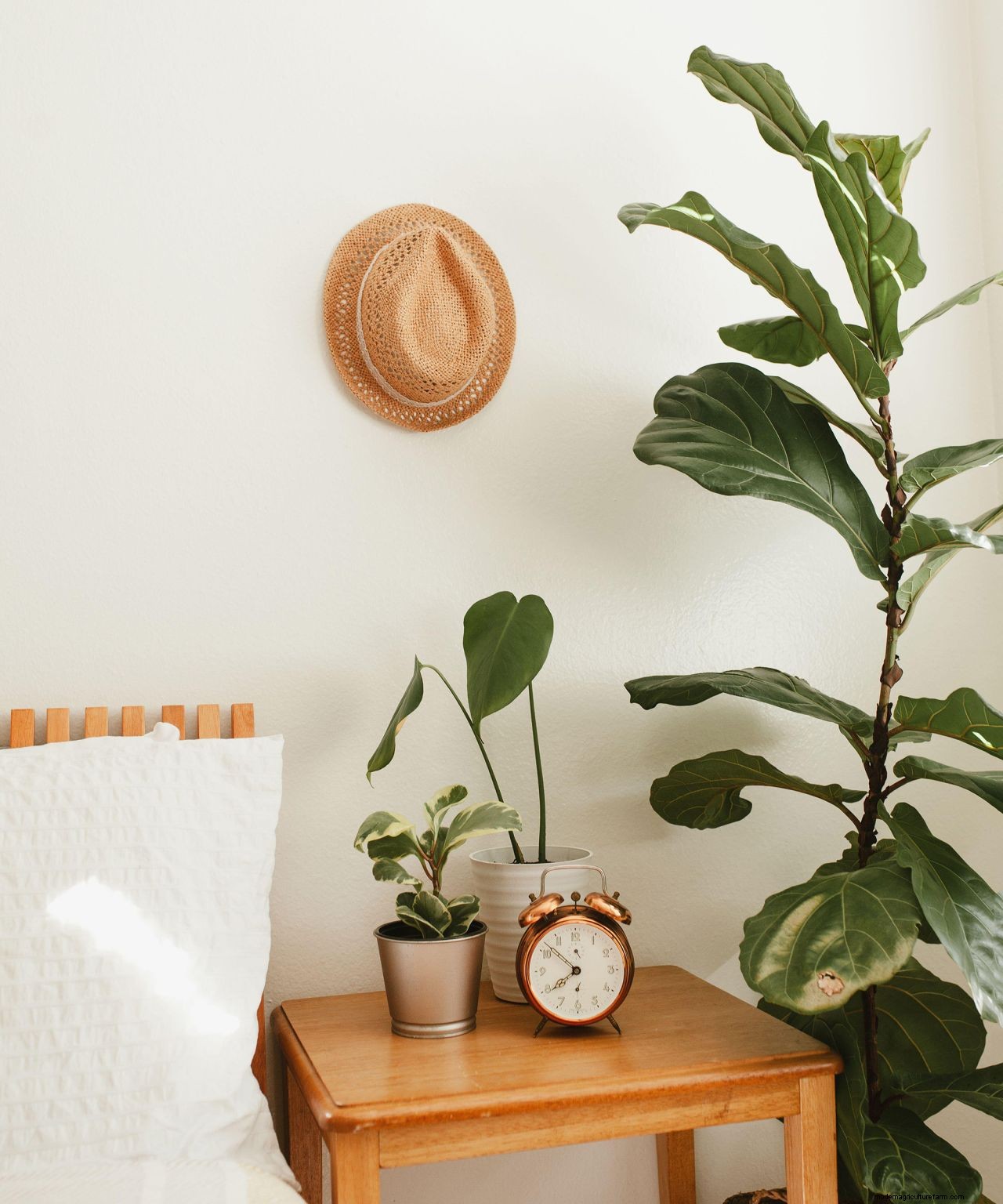
These leafy plants contain a toxic sap, which is released when the plant stems or leaves are cut or injured. The sap irritates the skin and may cause blisters, so wear gloves when pruning your plant, and while it won’t cause serious illness or death, it will make you feel quite sick if ingested.
Like the peace lily, a fiddle leaf fig is also poisonous to cats and dogs and may cause vomiting and the mouth to swell if eaten, so it's not a good choice if you have a puppy, curious cat, or other small pet that likes to chew plants. While it's unlikely to cause serious illness, do get your pet checked out by a vet if you suspect the plant is to blame.
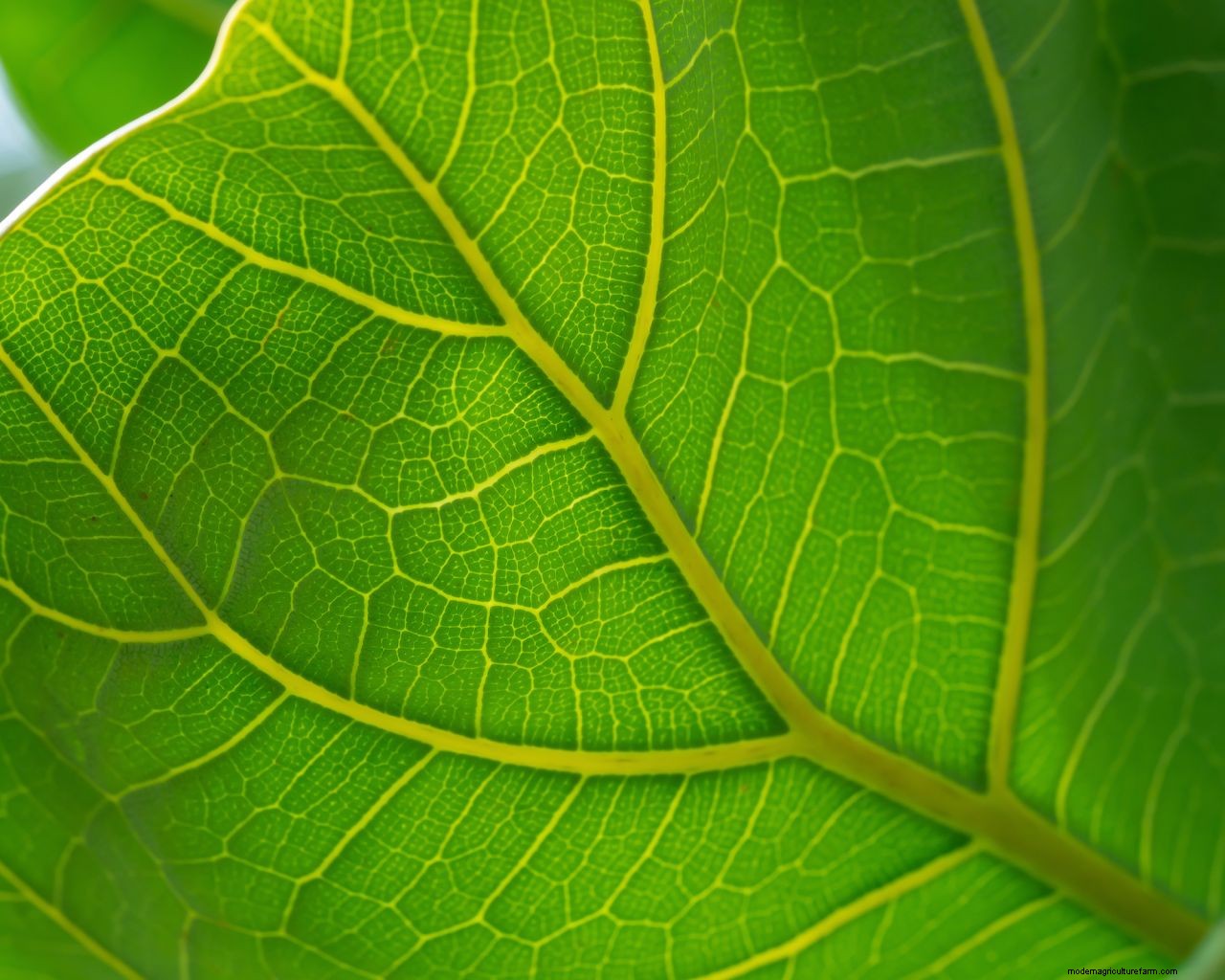
These tropical plants like consistent warmth and may be grown outside in summer after any danger of frost has passed and if the night-time temperature in your area does not dip below 50°F (10°C). If you can't guarantee this, keep your plant tucked up inside.
Before placing your indoor plant outside, make sure it's planted in a pot with drainage holes in the base, and remove any waterproof container that may collect rainwater, causing soggy compost and root rot. Also set it in a bright position, with some shade from the midday sun.
Moving the plant outside may send it into shock, so expect it to lose some leaves initially. But, the humidity and fresh air will bolster growth and, given enough warmth, keep it healthy.
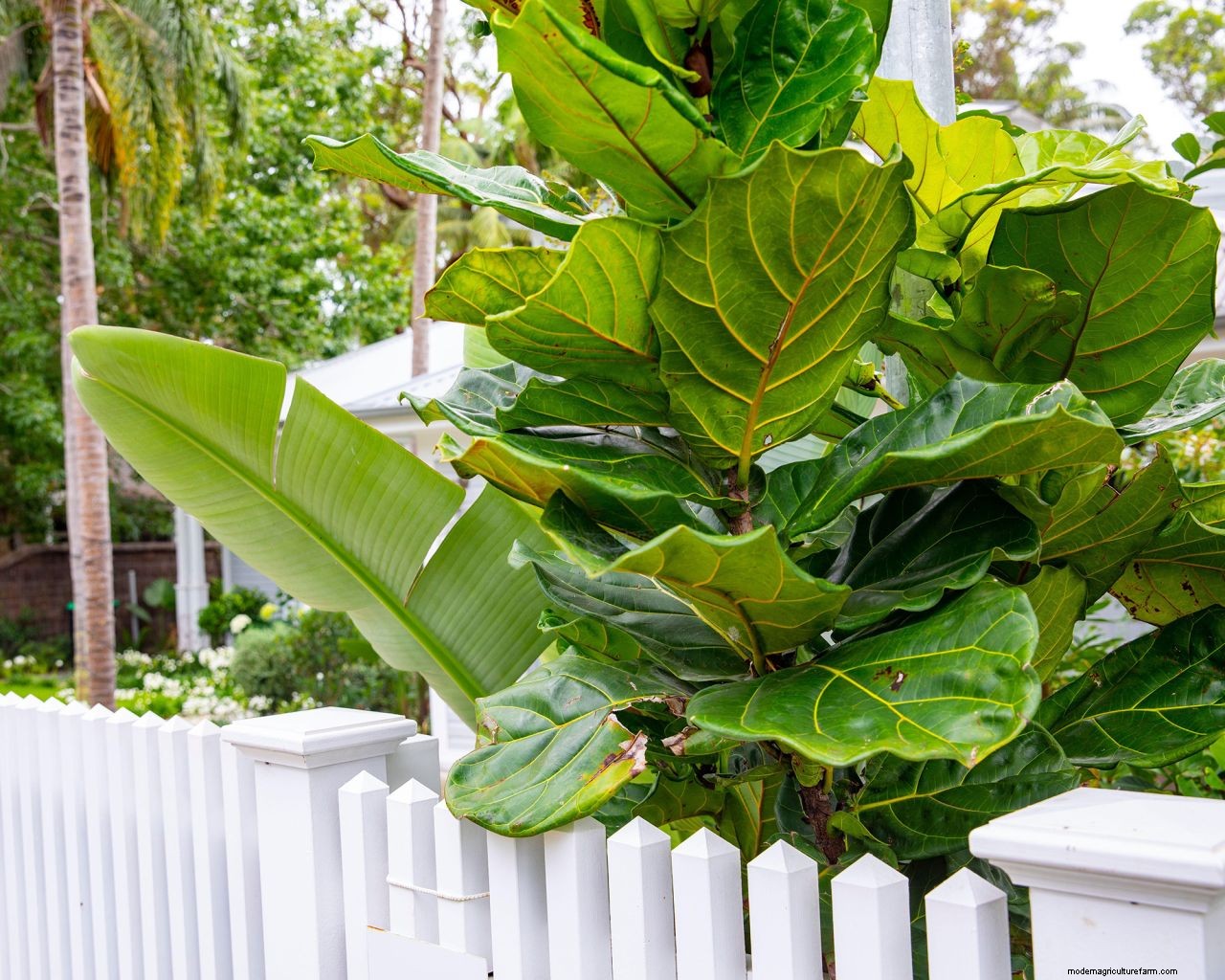
Fancy a fiddle leaf fig to brighten up your interior scheme? We've rounded up a list of handy quicklinks to help you get shopping for your own.
Where to buy fiddle leaf figs in the US
Where to buy fiddle leaf figs in the UK


