
Welcome to Modern Agriculture!

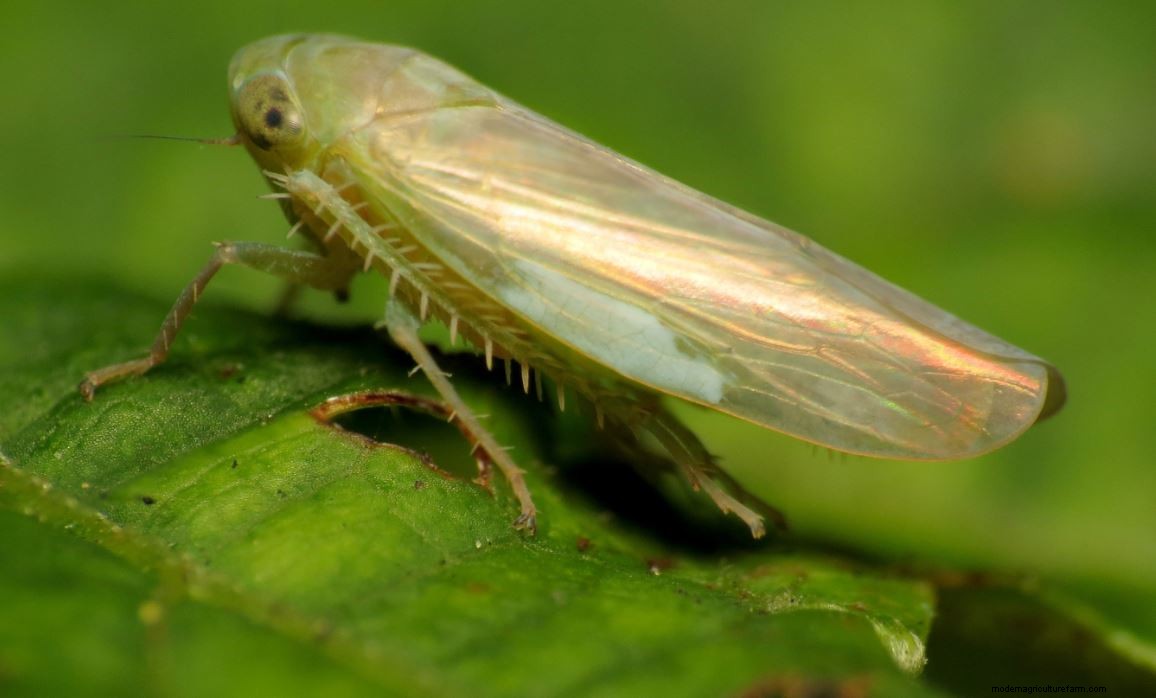
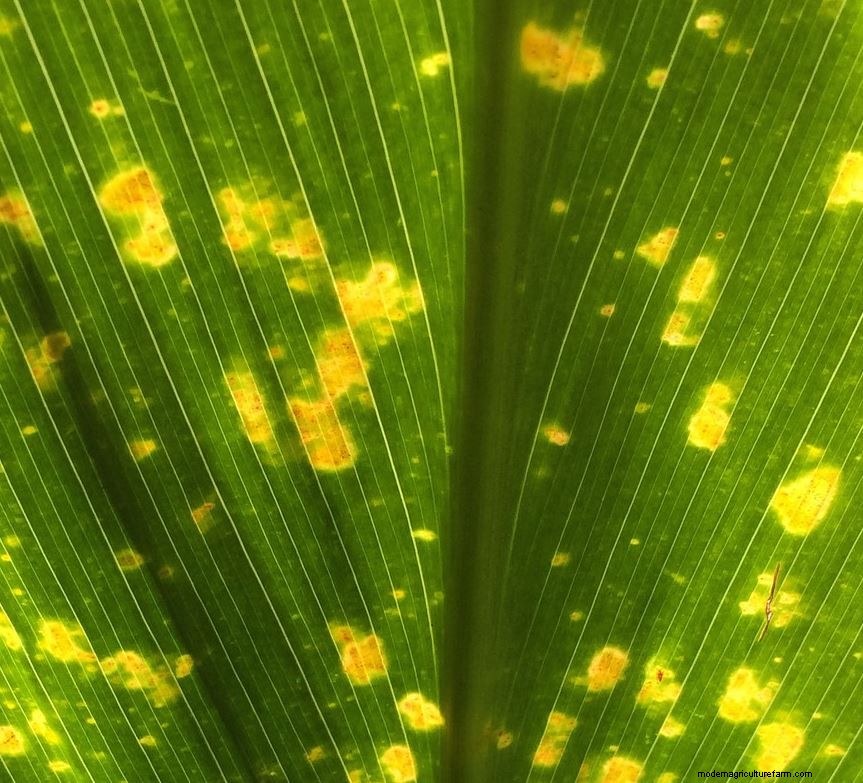
Stunted growth or leaves that are curled, stippled, or have a burned appearance are signs of leafhopper damage. The adults and nymphs pierce foliage and suck out plant juices. Their toxic saliva produces the characteristic damage symptoms and also transmits viral diseases. In vegetable gardens, leafhoppers seem to prefer potatoes, beans, lettuce, peppers and beets.
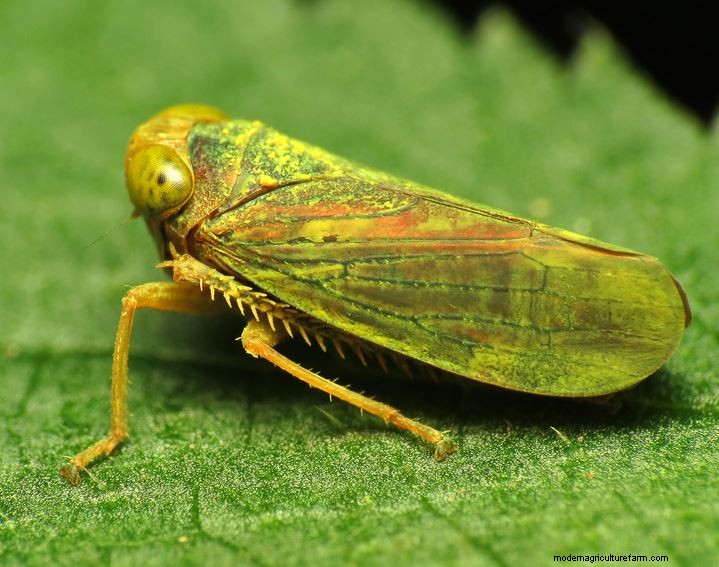
The small, streamlined insects hop when disturbed, and may be green, brown, or yellow in color; some species are striped. Adult leafhoppers overwinter in plant debris near the garden and some also migrate north from warmer zones during the growing season. They lay eggs on the leaves of host plants and the nymphs feed on the underside of leaves. There are usually two or more generations each year. Leafhoppers are found throughout North America.


