
Welcome to Modern Agriculture!

Are you ready to add a plant full of drama and mystery to your collection? Salvia officinalis a.k.a. Sage is probably one of the most interesting ornamentals you can have around. Besides its natural charm, this plant will also bring you lots of benefits from growing it.
Salvia officinalis is a species of flowering subshrubs in the mint family Lamiaceae. This stunning flower is native to several countries of the Mediterranean region, but it has become naturalized in numerous areas worldwide.
In cultivation, it goes by different common names including Common sage, Culinary sage, Sage, Garden sage, Dalmatian sage, True sage, or Golden sage.
Prized for its attractive foliage and gorgeous flowers, sage enjoys much popularity as an ornamental garden plant. Although the common type comes with many benefits, you’ll be happy to learn that there are many irresistible cultivars to choose from. The most eye-catching specimens are ‘Alba’, ‘Aurea’, ‘Berggarten’, ‘Extrakta’, ‘Icterina’, ‘Lavandulaefolia’, ‘Purpurascens’, and ‘Tricolor’.
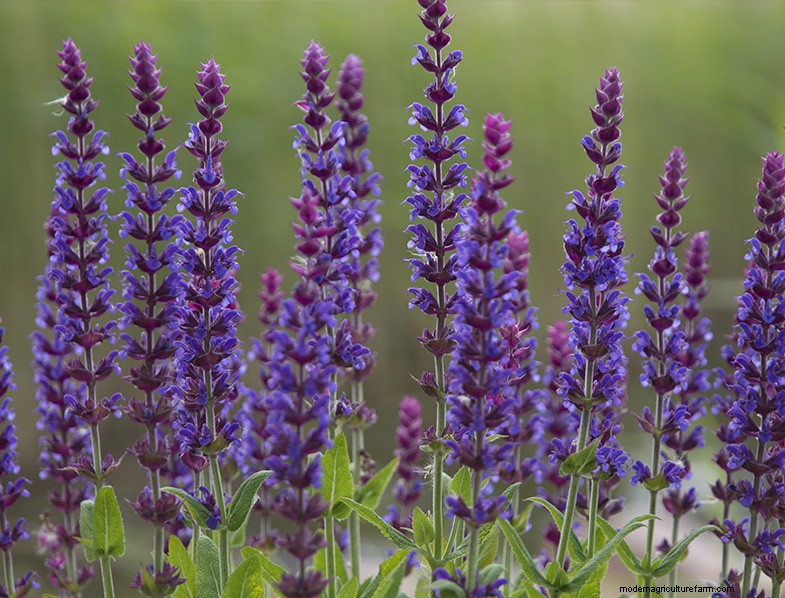 Common sage
Without a doubt, sage is as easy to grow and care for as it is beautiful. This buddy will need some extra attention during its first year of growth. But, once established, it will start to perform well with little to no effort on your part. However, no matter the age your Sage will be, you will still have to give importance to a few mandatory, but basic demands.
One of the most essential growing conditions for your sage to be healthy and happy is lighting. This flower will thrive in a location where it can receive at least six hours of full sunlight each day. Yet, the preferred conditions may change if you live in a region with very hot summer months. Make sure you provide your plants with some shade, especially during the harsh afternoon sunlight.
SaleBestseller No. 1
Back to the Roots 100% Organic Seed Packet - Sage 'Common' 140mg
Bestseller No. 2
Sow Right Seeds - Sage Seeds for Planting - Non-GMO Heirloom Packet with Instructions to Plant and Grow Kitchen Herb Garden - Indoor or Outdoor - Great for Pollinators - Culinary Seasoning (1)
Bestseller No. 3
HOME GROWN White Sage Seeds 323 Pack Heirloom Seeds - Grow Aromatic Sage Plants for Your Herb Seeds Garden with Sage for Planting Outdoor or Indoor (Salvia apiana)
Last update on 2025-11-25 / Affiliate links / Images from Amazon Product Advertising API
In general, your beloved Sage will have the time of its life in a wide range of temperatures. This perennial plant can withstand both winter and summer conditions in the USDA zones 4 through 10. But! Keep in mind that the Sage species is typically a bit harder than most ornamental cultivars. If you are the happy owner of a Sage variety, you should grow it outdoors only in USDA areas 5 to 9.
Sage is virtually carefree when it comes to pest infestations and fungal diseases. In fact, some say that this plant is a great insect repellent. Still, some curious intruders like leafhoppers, slugs, or snails may bother your plant once in a while. If you notice any suspect presence on your Sage, remove the pests with bare hands if possible and apply neem oil on its foliage for severe situations.
In case you are one of those gardeners that grow their Sage to use their herby leaves, you should first wait for your plant to settle in their new home. Once established, typically after one year from planting, you can harvest your Sage whenever you want. However, we have a little secret for you! Their leaves will taste better if you harvest them before or right after the plant blooms.
In terms of growing medium, common sage is not as picky as you might expect. This plant will tolerate any type of soil as long as it comes with excellent drainage. Likewise, the soil pH is not so important for this easy-going companion. If you want to enjoy your Sage in your cosy home, we recommend you plant it in a pot that has drainage holes at the bottom.
Sage is pretty independent and does not require fertilizers to show its magic. In fact, excessive fertilizing may affect the overall health of your plant and will eventually kill it. For optimal results, you should only apply some organic matter like mulch or compost into their soil once every year in spring.
When Sage reaches maturity, it tends to get somewhat leggy and will look very unattractive. But do not worry! You can prune it regularly to maintain a certain size or shape and also bring your plant back to life. In spring or once its blooming period has ended, make sure you remove any dead stems and flowers. By doing this yearly, you will always make room for new, healthy growth and flowering to emerge.
The best feature of sage is its ability to tolerate dry conditions for long periods, but only after it has settled in its new environment. This plant does not appreciate sitting in wet soil and it is also susceptible to root rot. Make sure you always allow the soil to dry out between waterings to avoid over-watering your plant.
As a general rule, you should water your Sage without touching its foliage. If you allow its leaves to sit damp for too long, they may get powdery mildew. This disease usually spreads pretty fast and, in severe cases, it may be impossible to save your plant. The best way to avoid this from happening is to provide your Sage with drinks infrequently and also to protect its foliage in more humid areas.
As always, it is very difficult for us, gardeners, to part ways with our dearest plants. But, once you have a sage in your collection, you will always have a nice garden companion! That’s because you can easily propagate your sage through division, stem cuttings, and seeds. Maybe you will not manage to keep your mother plant alive, but at least you will have plenty of Sage specimens around as a replacement.
To propagate your Sage using division, you will first have to dig it out of its soil. After this, divide its roots into two or three parts, then replant each section into its permanent spot. Keep in mind that you should water your new, tiny Sage plants to help them settle in their new home.
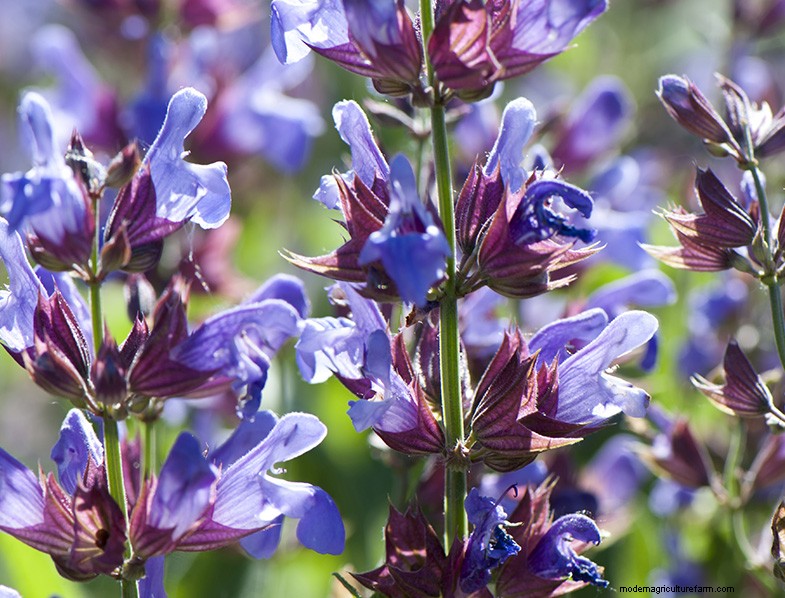 Salvia officinalis
Although the next method to propagate your Sage is more challenging, stem cuttings are also great propagation materials. Look for healthy branches and cut about 3 to 4 inches (7.5-10 cm) off them using a sharp, sterilized knife. In the next step, plant each cutting in a pot filled with fresh potting soil. If you provide the cuttings with warm temperatures, lots of light, and regular watering, they will develop a healthy root system in a few months or so.
If you want to start your Sage from seed, all you have to do is to collect the seeds from the mother plant, then sow them fresh in soil. Obviously, this is a very simple process but is not as reliable as the other two methods because the seeds will germinate super slow. Still, you have nothing to lose if you try it!
We feel that a garden is incomplete without a Sage plant in it! This plant looks lovely and it is also very easy to grow, care for, and propagate. And when you have so many options to choose from, it will be almost impossible not to fall in love with at least one cultivar. Are you already growing Sage? Share your experience in the comment section!
97


