
Welcome to Modern Agriculture!

If you are looking for an edible perennial to grow in your home or garden, Rheum rhabarbarum a.k.a. Rhubarb is a great option.
Rheum rhabarbarum, commonly known as Rhubarb or pieplant, is a fleshy, edible stalk that belongs to the Polygonaceae family and that, as you will learn in the following paragraphs, is also very easy to grow.
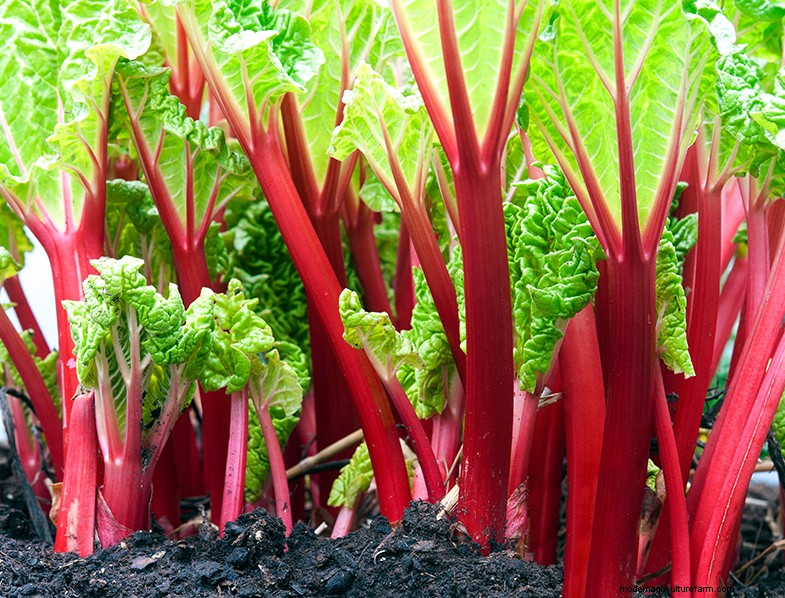
An interesting fact about rhubarb is that, although it is a vegetable, most of the time it is used as a fruit in culinary dishes. This versatile plant is appreciated worldwide for its tart-flavoured ruby or green stems that can be used to make delicious crumbles, pies, jams, and sauces.
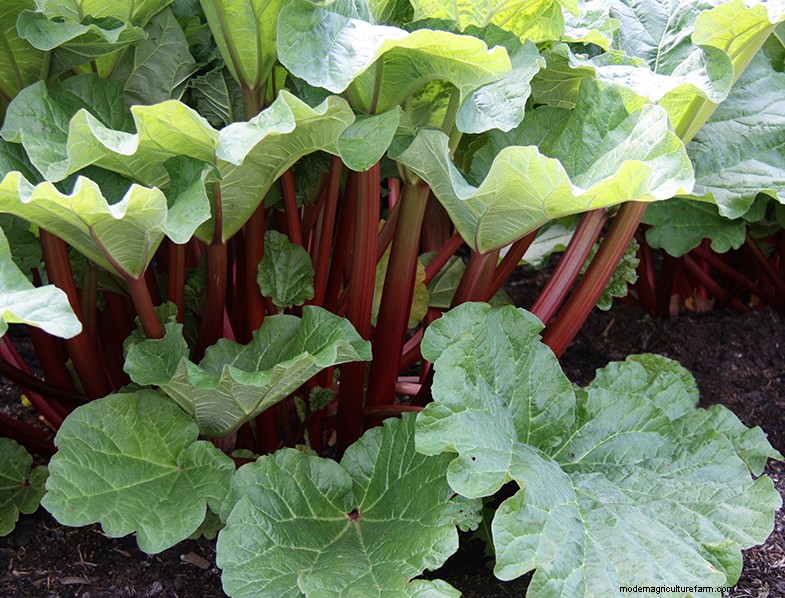
It is important to mention that the large leaves of rhubarb contain high levels of oxalic acid and anthrone glycosides which makes it inedible, so only its stalks are edible. The leaves of the plant are toxic to pets too and may cause adverse effects, so grow it with caution.
A great thing about rhubarb is that it is a herbaceous, perennial plant that grows short and thick rhizomes and that can be productive for over five years. As a result, it is recommended to find a perfect spot for this plant in your garden and allow it to develop and grow undisturbed.
Keep reading to find out how to find out everything about growing and caring for rhubarb!
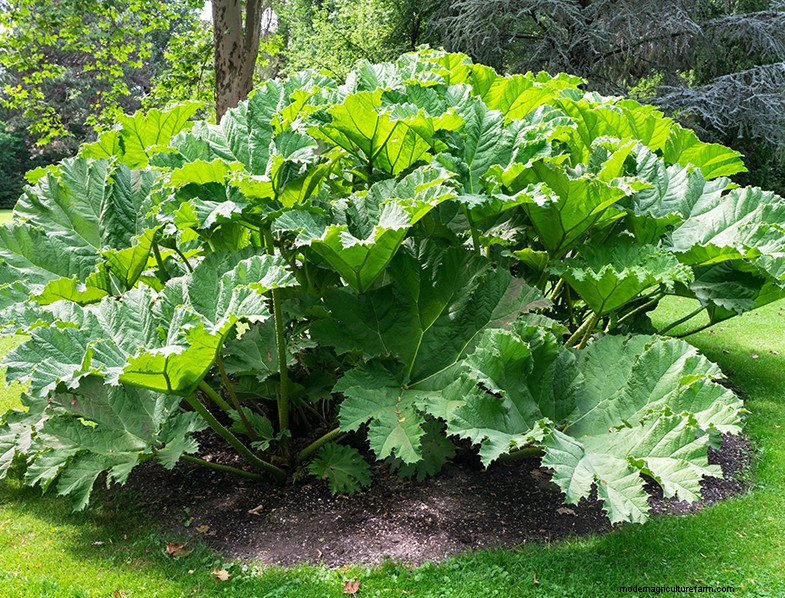 Rheum rhabarbarum
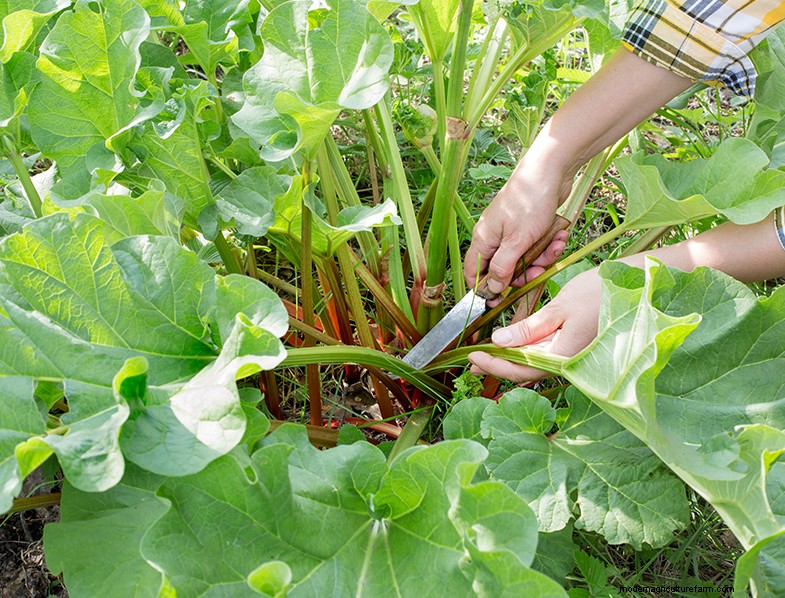 Rheum rhabarbarum
Rheum rhabarbarum was brought to Europe in the 1600s from Asia. That is one of the reasons why it grows best in places with a cooler climate, which makes it a perfect plant for northern gardens. Rhubarb is relatively easy to grow, but you have to ensure it has a dormancy period to really thrive and produce many healthy stalks. It best grows in places where the average temperature falls below 4°C (40ºF) in the winter months and below 24°C (24ºF) in the summer.
As rhubarb is also a perennial plant, which means that it will grow for many years, between 5 and 7, you have to consider planting it in its own corner of your garden in order to grow undisturbed. This plant develops greatly in soil that is enriched with a lot of well-rotted manure or compost. Many gardeners even grow it near their compost piles.
One problem that you may encounter when growing rhubarb is overcrowding. This happens because the plant stays in the same place for many years. To prevent overcrowding, dig and split its roots every 3 to 4 years. You can do this procedure when plants are dormant, namely in the early spring or late fall.
Here are the steps you will have to follow in order to grow a happy plant. Mulch the soil with a heavy layer of straw in order to retain moisture and discourage weeds. Water the plants consistently as it needs sufficient moisture, in particular on the hot summer days.
When the seed stalks appear, remove them as soon as possible. They only steal the energy from the plant, energy that otherwise could be used for producing stalks and roots.
Rheum rhabarbarum can be a great companion plant for broccoli, cabbage, kale, kohlrabi and cauliflower which benefit from rhubarb’s ability to deter whiteflies with its scent. They also protect beans by repelling black fly aphids and at the same time gain the extra nitrogen that beans put back into the soil.
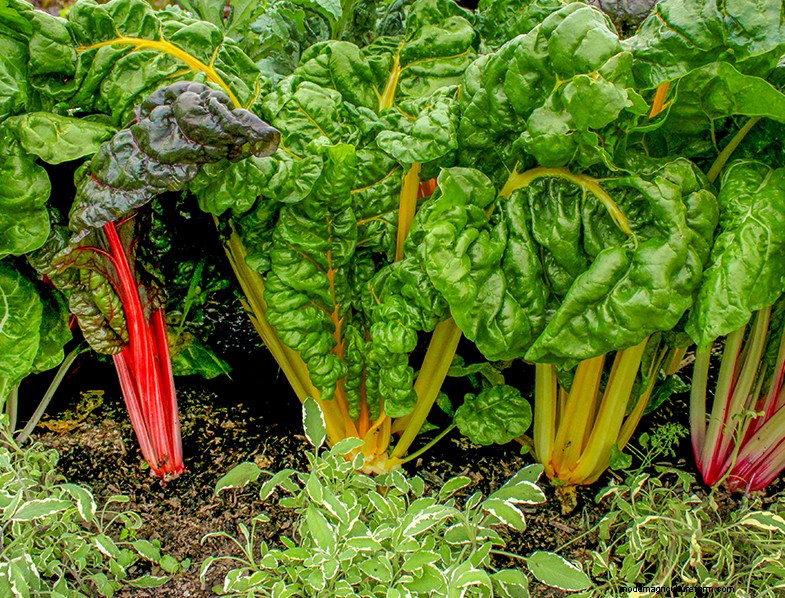 Rhubarb
When choosing a site for your rhubarb, pick a place where the soil is fertile and well-draining. A key aspect of planting this plant is drainage. If the soil keeps the water, the roots will rot. So, in order to prevent that from happening, mix compost, rotted manure or anything high in organic matter into the soil.
Rhubarb plants enjoy heavy feeding and for that, it needs organic matter. Be aware that it grows big, between 60 to 90 cm (2 to 3 feet) tall and wide. So select a place where it cannot be crowded by other plants. If the area where your rhubarb grows is too crowded, your plants might not reach their potential.
You can plant rhubarb in late autumn or in early spring. In the autumn, plant your rhubarb crowns after dormancy has set in. With this method, you will get to enjoy your rhubarb crops in the spring.
Bestseller No. 1
KVITER 50 Red Victoria Rhubarb Seeds for Planting (Rheum Rhabarbarum) – Organic & Heirloom Seeds, Perennial Vegetable Seeds – Perfect for Rhubarb Jam & Pies, Grow in Beds & Outdoor Garden
Bestseller No. 2
Victoria Rhubarb Seeds for Planting - Grow Cold-Tolerant Perennial Spring Vegetables/Fruit in Your Home Garden - Non-GMO Heirloom Variety - Survival Garden Seeds (1 Pack)
Bestseller No. 3
Sow Right Seeds - Perennial Vegetable Seed Collection for Planting - Artichoke, Rhubarb, and Asparagus - Tasty and Nutritious Favorites for Outdoor Garden - Non-GMO Heirloom Packets with Instructions
Last update on 2025-11-10 / Affiliate links / Images from Amazon Product Advertising API
Here are some tips on how to plant your rhubarb. First, you have to buy crowns that are one year old. These come either bare-rooted or already potted. Both types are ready to get planted in your garden.
Before planting, be sure to clean the area of any other weeds that may prevent your rhubarb from thriving in its new environment. For the next step, you have to dig a large hole. If you chose to plant more specimens, then you will have to ensure that you space the holes 60 to 140 cm (2 to 4 feet) apart and the rows 90 to 140 cm (3 to 4 feet) apart.
When planting the crowns in the holes, place the crowns with the buds facing up. Then cover them up with soil. The last step is to water your new rhubarbs thoroughly.
When the plant is still young and not fully developed, it will need more water, between 2.5-5 cm (1-2 in) per week. In the first year, water your rhubarb once every 3 days. When the plant is well established you can change the watering routine and water it once a week. Be sure to give your plant a good soaking all around the plant’s base.
Apart from when the plant is not fully developed, rhubarb does not need lots of water, but what it needs is a routine that ensures it with a consistent amount of water.
If the leaves wilt and turn yellow before the crown dies off, it means that you either underwatered or overwatered your rhubarb. These are two common mistakes that many gardeners make, so keep an eye out for the first signs of trouble.
Here are some tips that will help water your plant according to its requirements. As mentioned above, rhubarb does not need daily watering. Instead, it is better to water it thoroughly and less often. As mentioned above, watering is an essential aspect when the plant starts to develop. So make sure to water the soil generously until the water reaches the plant’s roots. This is vital, as in the first year the rhubarb plant establishes its root system.
 Rhubarb
The recommended propagation method for rhubarb is vegetative propagation by crown division. Depending on the variety and growing conditions, Rhubarb should be divided when the plant starts developing 25 to 30 or smaller stalks. Plants that only have 12 to 18 larger stalks are a bit young for division. This procedure can be done when the plant is very well established, often around the fifth or sixth year after planting.
To propagate rhubarb through division, all you have to do is to cut each crown into several pieces, while making sure that each piece has at least one large bud on it. If you live in a colder area then the plants should be divided in the spring. This way you allow enough time for the root to build reserves before the winter.
If you divide the crowns in autumn, you should do it later in the season, but early enough for roots to develop before the soil freezes. The parent plant should be left with 3 to 5 buds after you divided the other pieces. For example, you should expect to have 8 to 10 divisions from a five or six-year-old plant. Once your plants are divided, you can plant them in the garden bed.
 Rhubarb
Rhubarb is a resistant plant to most types of plant diseases and intruders, but it can sometimes be affected by a few common issues. The most common issue with rhubarb is fungi. You can easily notice if you are dealing with a fungi problem by checking the leaves for red spots. The good news is that red spots don’t have any impact on the actual rhubarb stalks. To prevent the fungal infection from spreading, remove or harvest the affected stalks.
Other unwanted visitors that may damage your rhubarb include snails, slugs, beetles, leaf beetles, and deer. To identify the type of muncher that you are dealing with, assess the damage done to your plants. If you notice holes in your rhubarb leaves, you might be dealing with slugs and snails. A serious slug or snail infestation can kill your plants, so make sure you address the issue before it gets out of hand. Most gardeners will use traps for snails and slugs or simply pick them out by hand.
Another common intruder is the leaf beetle known as Rhubarb Curculio or the rhubarb weevil. This large-snout beetle is usually dark-coloured with a dusty shade of yellow. The stems of rhubarb are usually the most affected part of the plant when it comes to a rhubarb weevil infestation. This beetle will lay its eggs from spring to summer, and the best way to identify a potential infestation is by checking the plants and the soil. The best way to get rid of rhubarb weevils is to remove them by hand whenever you notice them, ideally before they start to lay eggs.
Caterpillars might also be tempted to munch on your rhubarb crops, and the looper worm is the most common one. The first sign of caterpillar infestation is finding large holes in the stems and leaves of your plants. Caterpillars are quite visible with the naked eye and you won’t have any trouble spotting them if you check the undersides of leaves. To get rid of caterpillars, you can either pick them up by hand or use a Bacillus thuringiensis spray.
A more surprising type of visitor that might appreciate your rhubarb crops is deer. If you live in an area where deer are common, make sure you protect your crops with fencing or other types of physical barriers. Deer can destroy a rhubarb crop quite fast, so make sure you plant your rhubarb in a safe location.
 Want a Pest-Free Garden? Grow These Plants That Repel Bugs
Rhubarb is a unique vegetable that people use for cooking and that is considered both a vegetable and a fruit. Rhubarb has a high level of oxalates, so you have to handle it with care and only consume stalks from the low-oxalate varieties.
But despite its toxic leaves and oxalate presence, rhubarb comes with many health benefits. It is a great source of antioxidants, vitamin K and fibre. You can make the most of its sour taste by using it in jams, crumbles, pies and other desserts.
When it comes to growing and caring for rhubarb plants, things are pretty straightforward. You will have to keep an eye out for a few potential intruders, but if you already have a garden, you are probably used to dealing with these critters by now. If you manage to find an ideal location for your rhubarb plants in your garden, you won’t have to worry about them for several years. As long as you water your plants constantly and grow them in fertile and well-draining soil, your rhubarb will thrive and it will reward you by producing a bounty of red stalks.
22


