
Welcome to Modern Agriculture!

Having a Petroselinum crispum a.k.a. parsley in your plant family is very rewarding and easier than you might think. Cooking will be more fun if you have fresh parsley around, as you will always have a delicious herb to add to your savoury dishes and salads.
And the good news is you don’t have to grow parsley just for its culinary uses, this plant can also be a fabulous ornamental wherever you put it and will also attract some butterflies to your garden or your balcony.
Everyone is familiar with the flavour of parsley and its versatility in the kitchen, but not a lot of people are aware that there are several types of parsley that deserve our attention and recognition. These species appear categorized in several distinct groups.
Besides the common, well-known curly parsley, you can find other interesting types to grow in your herb garden. These include the flat-leaf parsley (Petroselinum crispum), and Italian flat-leaf parsley (Petroselinum crispum var.), but also Japanese parsley (Cryptotaenia japonica) which is a different plant.
While the flat-leaf parsley tends to have more flavour than the common parsley, the Italian flat-leaf type features a slightly peppery taste. The Japanese parsley comes with a particular feature, having strong stems that can be a substituent for celery.
Want to know more about parsley? Keep reading our guide!
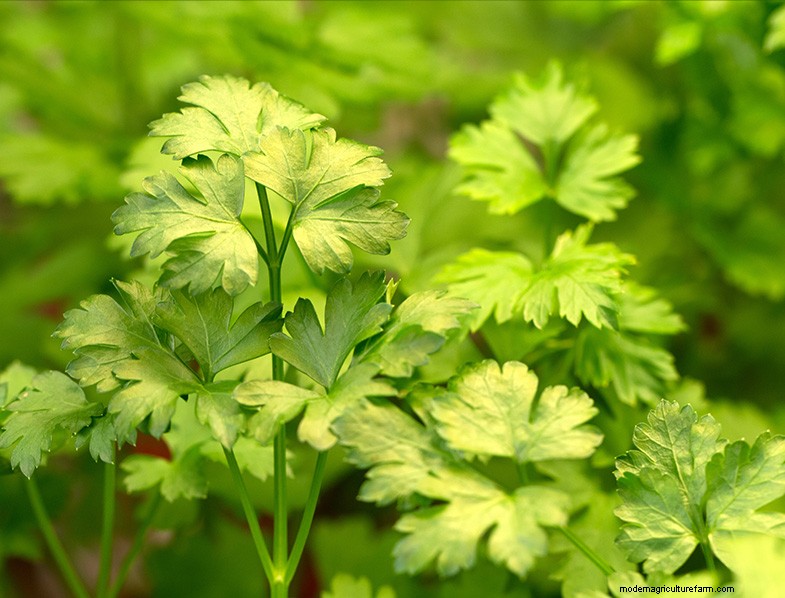 Parsley
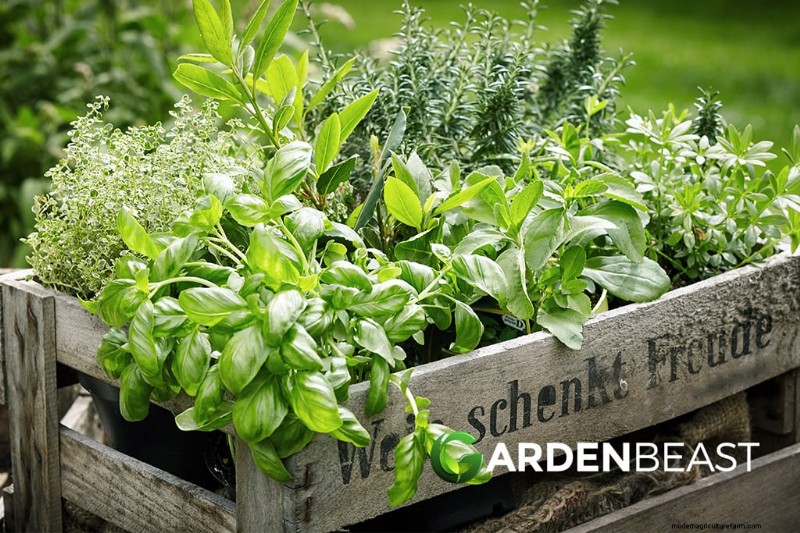 How Do I Start a Herb Garden? Here’s All You Need to Know
If you want to grow your own parsley to use it as a culinary herb or simply as an ornamental plant, you will be happy to learn that this plant is very easy to grow and care for. Naturally, this herb does not require too much effort on your part to perform nicely.
As long as you meet its very few basic demands, parsley will gift you with lovely, delicious leaves and may even produce flowers to enrich its ornamental nature. Now let’s see how simple it is to please this easy-going companion!
When it comes to lighting, the more the merrier. Parsley is that type of plant that will be the happiest when you can provide it with at least six hours of full sunlight on most days.
This kind of exposure will be beneficial for your plant in case you live in a region that is more on the cooler side in the spring and summer months. In areas with hot climates, however, parsley will appreciate some shade during the afternoon to protect it from harsh sun rays.
Bestseller No. 1
Back to the Roots 100% Organic Seed Packet - Parsley 'Italian Large Leaf' 420mg
Bestseller No. 2
Parsley Seed Collection – 3 Varieties: Italian Giant, Curly, Flat Leaf Parsley Seeds for Planting Indoors or Outdoors – Non-GMO Heirloom Open-Pollinated Herbs – Survival Garden Seeds
Bestseller No. 3
Sow Right Seeds - Flat Leaf Parsley Seed for Planting - Non-GMO Heirloom Packet with Instructions to Plant and Grow a Kitchen Herb Garden - Indoor or Outdoor - Great for Hydroponics Growing (1)
Last update on 2025-11-28 / Affiliate links / Images from Amazon Product Advertising API
In terms of temperatures, parsley is as understanding and resistant as it can get. Luckily, this herbaceous plant can grow just fine in a wide diversity of temperatures. It is winter-hardy in the USDA zones 2 through 11, a generous tolerance range that we have the opportunity to see quite rarely in a plant.
Still, parsley will generally thrive in temperatures between 50 and 70 °F (10-21 °C). Humidity-wise, this plant has no particular demands.
In warm climates, you can let your parsley grow during the winter months without worrying about its overall well-being. In fact, if you let it be, this plant will also bloom in its second year of growth, providing a spectacular view wherever you keep it.
Keep in mind though that, after its first year, its taste will become somewhat bitter. This is usually the main reason among gardeners that treat parsley as an annual.
In general, parsley does not encounter any serious issues regarding pests or fungal diseases. But when it does not experience excellent air circulation, the plant can become prone to fungal problems like leaf blight, septoria leaf spot, or powdery mildew.
To avoid this, we warmly recommend you start your parsley from good-quality seeds and make sure overcrowding is not a common thing while growing it.
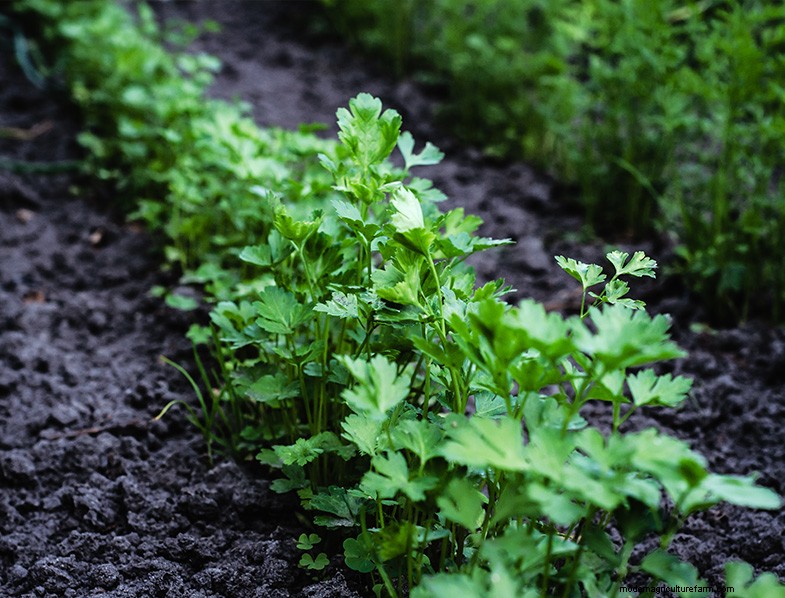 Parsley
The most exciting part of growing and caring for parsley is none other than planting. Some gardeners say that planting parsley is an art, from when to do it to where to do it to how to do it.
We know this might seem scary and challenging at first, but we assure you that this could not be much further from the truth. If you follow some simple steps, you will surely do it properly and even have some fun while doing it.
First things first, you must know that you can plant your parsley anywhere you want. Whether you start the seeds in an indoor or an outdoor setting, the process still remains very simple. Indoors, it is best to start planting the seeds about 8 to 10 weeks before the last expected date of frost in your area.
Outdoors, on the other hand, you can sow the seeds about 3 to 4 weeks before the mentioned period.
Make sure you start the seeds in a spot that is free of weeds or other plants that grow vigorously because they can easily overcrowd the tiny parsley seedlings. Plant the seeds just above the soil and space them at 6 to 10 inches (15-25 cm) one from another.
Parsley does not typically enjoy having its roots disturbed. You should use biodegradable peat containers for indoor-started seeds that you can move later in a big pot or directly into the ground.
If you want to start an herb garden and wish to grow your parsley in a container, you can absolutely do it. This is a nice option in case you do not have space in your garden or a garden at all. Look for an unglazed clay pot that has a minimum of 8 inches (20 cm) in both width and depth and also features ample drainage holes at the bottom.
The ideal growing medium for parsley is loamy soil that is rich in organic matter and also comes along with very sharp drainage.
In well-draining soil, this plant will not experience soggy conditions or waterlogging, so you can better keep away possible fungal issues. You should also take into consideration the soil pH, as parsley prefers slightly acidic to neutral substrates.
Parsley can grow healthy and happy without frequent fertilizing. You can just amend its growing medium with plenty of compost and organic matter to ensure good general nutrition. But if you want to spoil your parsley from time to time, you can give it a little extra attention at the beginning of its active growing period. Feed this herb with a balanced liquid fertilizer once every month in spring.
It would be wise to opt for an organic product designed for edible plants and dilute it at half strength before feeding your parsley with it.
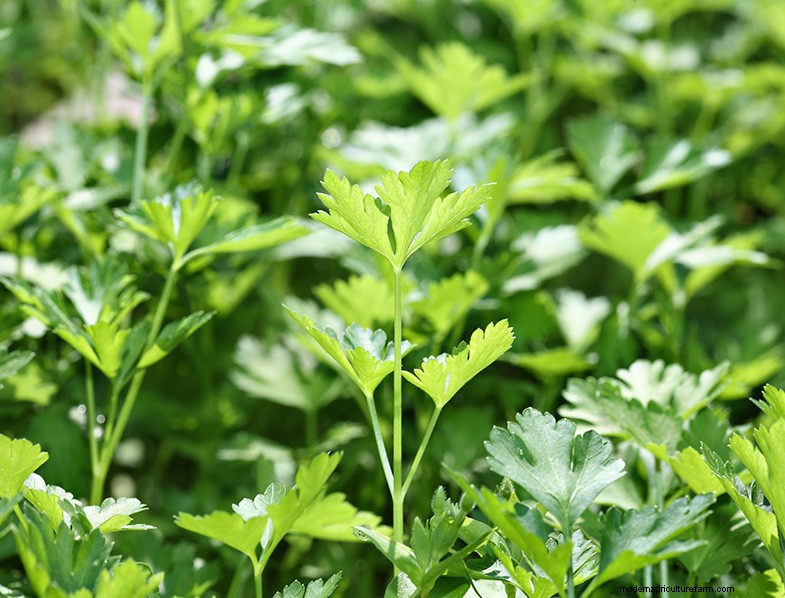 Parsley
Without a doubt, the most rewarding part of growing parsley is harvesting. You can begin this process when your plant has a relatively bushy appearance and is as tall as 6 inches (15 cm). Make sure you harvest the stems from the base, as this will encourage new, healthy growth, providing more parsley for you to harvest in the future.
Even if you can harvest this herb regularly, it is best to avoid removing more than one-third of its leaves at a time.
After you harvest your parsley, you can place the cuttings in a container filled with water and store them in the refrigerator for a week or so. If you want to have parsley for a longer time, you can also dry the leaves.
All you need to do is hang the leaves upside-down in a warm, shaded location where they can experience good air circulation. This particular spot will allow the parsley leaves to dry out and, when this happens, you can crumble and store them in an airtight container.
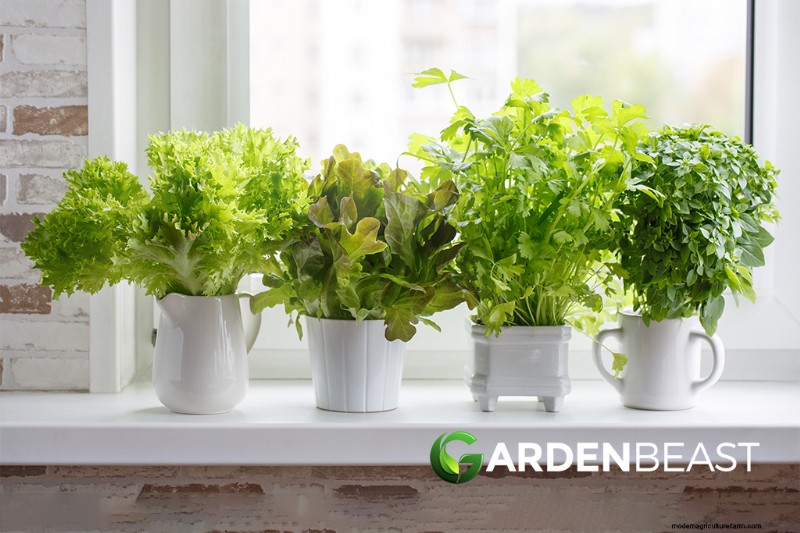 What Are The Best Herbs to Grow at Home?
Parsley will have the time of its life if it receives at least 1-2 inches (2.5-5 cm) of water once every week. This can come from regular rainfalls or, in drier areas, from a proper watering routine. As a rule, parsley does not like to be at extremes, so it does well in balanced conditions.
In general, you should not allow the soil of this herb to dry out completely. Parsley is a plant that loves evenly moist soil and will not handle drought very well. In dry conditions, parsley will not hesitate to show signs of dissatisfaction like wither and brown leaves.
Parsley is a perfect plant for propagation, as you can do it through two common methods – cuttings and seeds. You can propagate yours to make more specimens for your collection or maybe to surprise your loved ones with a fresh, unexpected gift.
Before getting into more details, you should know that both methods have a relatively low success rate. But this should not mean that you cannot try! Who knows? The satisfaction of nice results will be much higher and maybe you will even have some fun along the process.
The most efficient way to get some seeds is usually by buying them from nurseries or markets. You can also collect them from the mother plant, but you will have to wait too long for this to happen. Once you have the seeds, however, the propagation process is super simple even if you are not an experienced grower.
You will first have to stratify the seeds by chilling them in the refrigerator. After this, soak them overnight in warm water, then plant them in well-draining soil. Germination will show up two to four weeks after sowing. The perfect time to sow the seeds is the same as the one mentioned in the planting part of this guide.
To propagate your parsley via stem cuttings, you need to wait for it to reach maturity. At the right moment, in spring, you can go on and look for a stem that measures at least 6 inches (15 cm) in length. Once you find it, cut the stem at its base with sterile pruners or scissors, then remove the leaves that grow on the lower half of the cutting.
Plant the parsley cutting in a biodegradable pot filled with moist soilless potting mix. This will help you avoid disturbing its delicate roots when you transplant it to its permanent location. Place the pot in a spot with bright but indirect light and make sure you keep its growing medium damp. With good care, the roots will form after a few weeks.
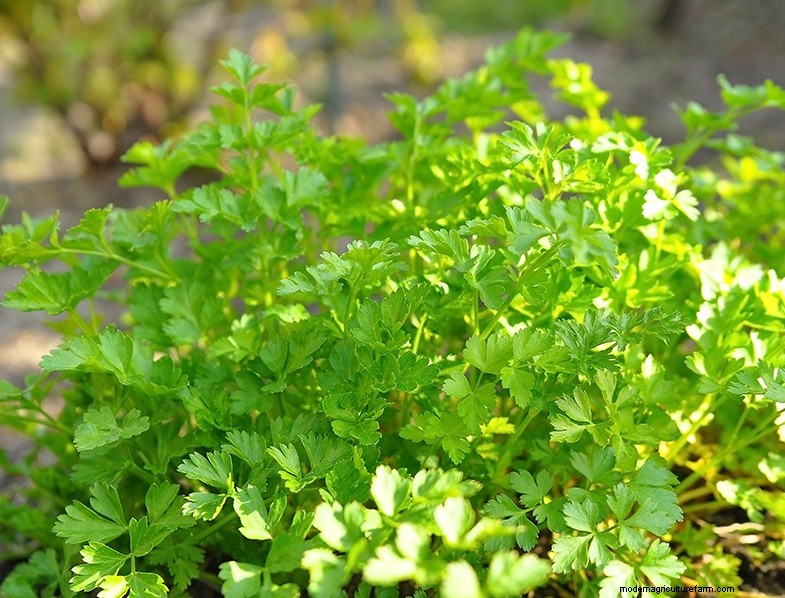 Parsley
Planting parsley is a rewarding activity and if you don’t already have a herb garden, this is a perfect time to start one. Parsley is a must-have for gardeners that prefer to grow their own herbs at home and enjoy to add this healthy ingredient to salads and savoury dishes.
If you want to grow it for ornamental purposes, things are even easier, as you will not have to give your parsley the same attention. Either way, this is a plant that deserves a spot in our gardens and that will reward you with edible leaves that are full of flavour. It makes a good companion to a wide range of flowers, herbs, and vegetables and it will attract many beneficial insects to your garden.
Are you growing parsley in your herb garden? Let us know where you plant your parsley and what other herbs you like growing in containers or in your garden!
45


