Welcome to Modern Agriculture!

Many people keep pepper plants in their gardens because of the beautiful fruits they produce and how simple they are to care for. Peppers are versatile in the kitchen and require little in the way of attention. But your pepper crop’s success depends on its garden companions.
Companion planting is absolutely necessary for healthy growth, pest control, and increased harvests; nevertheless, choosing the wrong neighbors could lead to terrible outcomes. Because of their poisonous substances, pest attraction, intense nutrient competition, or disease-promoting characteristics, several plants can severely limit or even destroy your pepper crop.
This comprehensive guide examines 20 plants that are incompatible with peppers and provides actionable recommendations to safeguard your crop. In each paragraph, we’ll take a closer look at a different plant, discussing its negative impacts and providing practical tips for preserving your garden.
Regardless of your degree of gardening expertise, knowing these incompatible companions will allow you to establish a pepper garden with success. If you can successfully manage these troublesome plants, you can be confident that your pepper plants will thrive and produce an abundance of fruit every season. What are we waiting for? Let’s look at 20 plants to avoid planting near peppers.
The allelopathic characteristics of fennel make it an inappropriate companion for peppers, despite the herb’s fragrant nature and its much-lauded culinary uses. Fennel can kill other plants, like peppers, by releasing toxins into the soil.
To properly address the allelopathic effects of fennel on peppers, this issue must be considered. Stunted development and reduced yields are the outcomes of these chemicals’ interference with nutrient absorption. The pepper plants are already struggling due to the intense competition for water and nutrients from the fennel plant’s extensive root system.
To reduce the effect of fennel on pepper growth inhibition, follow these steps:
It is crucial to examine the soil status often because fennel leftovers can remain and damage subsequent harvests. For a more successful pepper companion planting, try planting them beside beneficial plants, such as basil. When gardeners fix their fennel and pepper planting mistakes, they can avoid diminished harvests and keep their pepper plants looking healthy.
Though seemingly harmless, kohlrabi (a vegetable in the brassica family) can severely compete for nutrients, stunting the growth of peppers in your garden. To set up nutrient rivalry between kohlrabi and peppers, one must be aware that peppers are aggressively depleted of nitrogen and other essential elements by kohlrabi’s strong root structure.
This competition causes the leaves to fade and the fruit to not develop properly. When talking about issues related to the brassica family, remember that kohlrabi’s rapid growth cycle exacerbates resource depletion on shared soil.
To keep peppers from going hungry, follow these steps:
By avoiding common pitfalls while growing peppers and kohlrabi, you can ensure the health of your pepper plants. Combine peppers with nutrient-sharing plants, such as onions, to boost growth and prevent kohlrabi’s demanding nature from stunting your garden’s success.
Despite their common disease susceptibility, peppers pose a significant threat to potatoes, another garden mainstay. One thing to keep in mind while dealing with potatoes that spread blight to peppers is that both crops can be affected by late blight, a fungal disease that spreads rapidly in humid situations.
Potato spores can infect neighboring pepper plants, causing blotches on the leaves and rotting fruit. To lessen the risk of pepper illness, maintain a distance of at least 20 feet between potatoes and peppers.
To protect peppers from blight, follow these steps:
By avoiding companion problems with potatoes and peppers, gardeners can protect their peppers from devastating blight outbreaks and guarantee healthy growth and abundant harvests.
Because of their shared vulnerability as nightshade relatives, peppers and tomatoes are not compatible partners. Keep in mind that early and late blight can spread quickly between peppers and tomatoes, especially in regions with significant rainfall, so you should take precautions to ensure that your peppers don’t get blighted.
When blight appears as black spots on leaves and fruit, it significantly reduces pepper production. To protect peppers, follow these steps:
To improve the architecture of pepper gardens and minimize illnesses, use trellises to boost ventilation and decrease moisture buildup. To lessen the likelihood of tomato and pepper illnesses, inspect plants often and promptly remove any unhealthy leaves. If you want a healthy garden with minimal losses, plant your peppers and tomatoes correctly to keep them protected from blight and other common illnesses.
The allelopathic interactions between pepper plants and sunflowers cause the former to suffer greatly from the latter’s long stalks and vibrant blossoms. Regarding the allelopathic effects of sunflowers on peppers, know that the chemicals generated by sunflowers, including juglone, inhibit pepper growth, leading to wilting and reduced fruit production.
Because they stay in the soil, these pollutants cause problems for a long time. To protect peppers, follow these steps:
After planting allelopathic plants, regularly test the soil to ensure its health. To keep from accidentally planting sunflowers or peppers in the same plot, try using raised beds or other physical barriers. By eliminating the allelopathic plants that harm peppers, gardeners may protect their crops from chemical stress and guarantee robust growth. Place your peppers next to marigolds and other pollinator-attracting plants in your garden to ensure their health.
Walnut trees, particularly black walnuts, are toxic to many garden plants, including peppers. Keep in mind that walnut trees release juglone from their roots, which is toxic to peppers and can cause them to wilt, yellow, and die if planted too close to peppers.
Even after cutting down trees, the soil may still have allelopathic effects. To protect peppers, follow these steps:
To handle soil testing, it is recommended to perform routine soil health monitoring after walnut proximity. To keep from making a mess when planting peppers and walnut trees, don’t plant them in areas where walnut leaves are present. Protecting your pepper crop from chemical damage and ensuring rapid growth and bountiful harvests are all possible via careful management of potentially harmful plants.
Beans, often praised for their ability to fix nitrogen, can harm peppers by disrupting the nutrient balance. Beans add nitrogen to the soil, which can make peppers put out more leaves than fruit, so keep that in mind when talking about how beans impact pepper nutrition.
This imbalance weakens the overall health of the plants. To protect peppers, follow these steps:
To prevent nitrogen deficiency near pepper plants, check the soil often. To avoid issues with peppers and beans, it’s best to plant peppers with plants that are compatible with their nutrients, such as spinach. By avoiding pepper planting mistakes caused by beans, gardeners may ensure that their peppers establish strong roots and an abundance of fruits, maintaining a healthy and productive garden environment.
Corn, being a heavy feeder, has the potential to stifle soil fertility and harm pepper plants. You can deal with the nutrient rivalry between corn and peppers by knowing that maize’s rapid growth and extensive root system drain nitrogen and phosphate, leaving peppers famished.
The result is growth retardation and poor fruit quality. To protect peppers, follow these steps:
Regular soil testing can help with corn recovery near peppers. You may avoid accidentally growing peppers and corn in the same plot by using raised beds to separate the two. By tending to nutrient-hungry plants near peppers, you may protect your crop from resource constraint, guarantee vigorous growth, and achieve exceptional harvests in your garden.
In the same way that peppers and cabbage are both brassicas, they compete aggressively for space and nutrients. Remember, pepper shortages occur when cabbage’s thick foliage and root system absorb water and nutrients, leading to a nutritional competition between peppers and cabbage.
This rivalry stunts growth and lowers yields. To protect peppers, follow these steps:
After planting brassicas, make sure to check the soil’s health on a regular basis. Avoid buddy cabbage by planting peppers alongside carrots or other plants that are suitable for them. By avoiding the common planting mistakes associated with brassica peppers, gardeners may relax about resource competition and enjoy a bountiful harvest from their pepper plants.
Though it has many positive uses, dill actually attracts pests that can harm pepper plants. To address the problem of dill attracting pests to peppers, it should be mentioned that dill attracts aphids and spider mites, which feed on pepper foliage and weaken plants.
Additionally, these pests are capable of transmitting viruses. To protect peppers, follow these steps:
If you find pests around peppers, you should check the plants often. If you want to grow peppers and dill without making a mess, put pest-repelling companions like garlic beside your peppers. By clearing away plants that attract pests from around your pepper plants, you may protect your crop from damage, promote healthy growth, and harvest plenty of peppers.
When it comes to peppers, cucumbers are a magnet for pests. Be aware that when dealing with cucumber and beetle infestations near peppers, cucumber bugs can be a problem. These bugs feed on pepper leaves and can spread bacterial wilt.
This disease can swiftly destroy pepper plants. To protect peppers, follow these steps:
When pepper beetles are an issue, it’s important to keep a watch on your plants. To prevent cucumber and pepper companion mistakes, grow pest-resistant plants like radishes with peppers. By avoiding companion plants that attract pests, gardeners may safeguard their pepper crops from damaging infestations, guarantee healthy growth, and enjoy bountiful harvests.
Zucchini, a typical summer squash, is a pest to peppers. Keep in mind that squash bugs and vine borers, which are attracted to zucchini, can also damage pepper plants by lowering yields and destroying leaves; thus, it is important to keep these pests at bay while growing peppers near zucchini.
These bugs spread rapidly in warm climates. To protect peppers, follow these steps:
If pests are causing an infestation of zucchini, check the plants often. To prevent pests from eating your peppers, plant them with nasturtiums or another pest-repelling plant. Don’t put peppers and zucchini in the same garden. By eliminating squash-related pepper companion concerns, you can protect your peppers from insect stress and cultivate a healthy garden environment.
Gladiolus, a lovely floral plant, can harm pepper plants through chemical interactions. Keep in mind that gladiolus releases compounds that can stunt pepper growth, damage plants, and decrease yields when it comes to its negative impacts on peppers.
Furthermore, they compete for nutrients with their vast root systems. To protect peppers, follow these steps:
After planting gladiolus, regularly test the soil to ensure its health. To prevent gladiolus and pepper planting mistakes, plant peppers beside useful flowers like marigolds. To keep their pepper plants healthy and happy, gardeners can avoid stress from incompatible flower companions by fixing flower-related pepper difficulties.
Similar to walnuts, the root systems of apricot trees can smother peppers. Remember that peppers can be stressed out by the mild allelopathic compounds released by apricot tree roots; this stress can cause yellowing and poor fruit set.
These effects stand out the most in small gardens. To protect peppers, follow these steps:
Follow up soil testing with regular soil monitoring after apricot proximity. To prevent apricot tree and pepper planting blunders, peppers shouldn’t be planted near stone fruit trees. By resolving the detrimental effects of poisonous trees on peppers, you may protect your crop from chemical harm, ensure robust growth, and reap numerous harvests.
The ornamental herb rue can cause significant stress to pepper plants. Keep in mind that the compounds emitted by the rue leaf could hinder pepper growth, leading to wilting and reduced yields, when dealing with rue that stresses peppers.
Additionally, the strong scent of peppers attracts the pests that cause damage. To protect peppers, follow these steps:
For pepper issues brought on by rue, it is important to inspect plants often. To reduce the likelihood of pepper and rue planting mistakes, mix peppers with beneficial herbs, such as oregano. To ensure peppers thrive in a garden free of rue’s negative effects, gardeners can remove stress-inducing plants from near proximity to peppers. This procedure will lead to a vibrant garden.
Kale, like peppers, is a brassica that competes aggressively with them for nutrients and water. Remember that kale’s thick growth and wide roots drain soil nutrients, which in turn reduces pepper yields, as you work to overcome this pepper-eating plant’s competition.
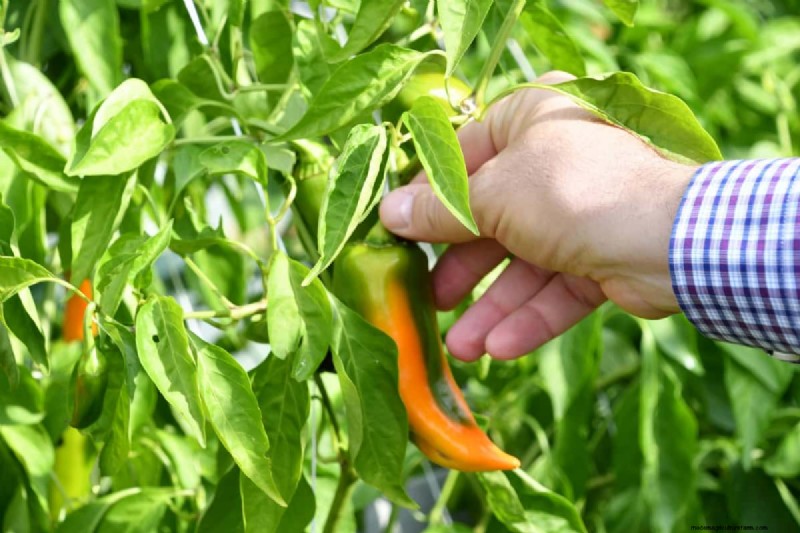
Because of this, pepper plants grow less tall and bear fewer fruits. To protect peppers, follow these steps:
Regular soil evaluations can help with kale recovery near peppers. To prevent the kale and pepper pairing dilemma, try using lettuce or another appropriate green with peppers. By not letting peppers compete with brassicas, you can protect your crop from resource stress and ensure a flourishing and profitable garden.
Pests that love peppers like to congregate around squash plants, including zucchini. When dealing with squash plants and pest attraction near peppers, keep in mind that squash attracts squash bugs and beetles, which feed on pepper foliage and spread illness.
Warm and humid climates are ideal for these bugs. To protect peppers, follow these steps:
To control squash-related pests, monitor your plants often. To avoid accidentally planting peppers and squash in the wrong places, plant them with pest-repelling plants like marigolds. By separating pest-attracting squash from peppers, gardeners may safeguard their crops from bug damage, guarantee healthy growth, and achieve outstanding harvests.
Carrots and peppers compete for the same soil nutrients, despite their seeming insignificance. When thinking about how carrots and peppers compete, remember that carrots’ deep roots change the soil’s structure, making it harder for peppers to get water and nutrients.
This competition weakens pepper plants, which reduces their yield. To protect peppers, follow these steps:
To maintain healthy soil, check in with it often after planting root vegetables. To avoid accidentally planting peppers and carrots together, put them with companions that have short roots, like basil. By planting peppers in your garden to ward off root vegetable competition, you can protect your crop from resource scarcity and foster a thriving ecology.
Brassica cauliflower, which is famished for nutrients, can drain peppers of their resources. When addressing nutritional depletion of peppers by cauliflower, it’s important to remember that peppers are depleted of water and nitrogen due to cauliflower’s rapid growth and deep roots.
The result is weak growth and low-quality fruit. To protect peppers, follow these steps:
Conduct frequent tests to address soil recovery after cauliflower. To prevent companion difficulties between peppers and cauliflower, put peppers with nutrient-sharing plants like peas. By preventing brassica nutrient competition, gardeners can ensure peppers thrive without worrying about resource depletion and keep their crop lucrative.
Peppers might run into trouble with beets for important soil nutrients because of how deeply rooted they are. Keep in mind that peppers have a harder time getting to the water and nutrients that beets do because the beets’ extensive root systems change the soil’s structure.
This rivalry stifles growth and reduces yields. To protect peppers, follow these steps:
After planting peppers and beets near one another, check the soil health regularly. Avoid planting beets and peppers at the same time by planting peppers next to root crops that complement each other, like radishes. By employing peppers to fight competition in the soil for root vegetables, you may protect your crop from resource stress and guarantee vigorous growth and numerous harvests in your garden.
A pepper garden, especially one that makes use of companion planting, requires meticulous preparation. There are twenty plants in this book that provide unique threats to pepper health. These include walnut trees, beets, fennel, and kohlrabi. These plants do this through nutrient competition, allelopathic chemicals, disease transfer, or insect recruitment.
Avoiding certain unsuitable mates can protect peppers grown in gardens from stress, stunted growth, and reduced yields. Raised beds, buffer zones, and organic treatments (such as neem oil and compost) can further protect your crop.
Checking the soil’s condition on a regular basis and experimenting with helpful companions like basil, marigolds, or garlic might boost your garden’s resistance. If you manage these troublesome plants, your pepper plants will flourish, regardless of the size of your garden.
You can now make informed decisions with this information that will ensure your peppers flourish in a tranquil and productive garden environment.