Pollination is one of the most important factors in growing a productive squash harvest. Without proper pollination, squash plants may produce small, misshapen fruits or fail to set fruit at all. Over the years, I’ve worked through pollination challenges in my own garden, learning firsthand which techniques lead to higher yields and healthier plants. Whether you’re growing zucchini, yellow squash, butternut, or pumpkins, ensuring effective pollination is key to getting abundant, well-formed squash all season long.
In this guide, I’ll share experience-backed strategies to improve squash pollination, including how to attract more pollinators, hand-pollinate when needed, and create the best conditions for fruit set. Whether you’re struggling with low bee activity, poor fruit development, or inconsistent yields, these tips will help you get the most from your squash plants.
Understanding Squash Pollination
Squash plants produce separate male and female flowers, meaning they rely on bees and other pollinators to transfer pollen between flowers. If this process doesn’t happen efficiently, fruits may fail to develop or grow stunted. Factors like weather, lack of pollinators, and plant stress can all contribute to poor pollination.
Signs of poor pollination:
- Fruits start growing but shrivel and fall off
- Squash appears misshapen or underdeveloped
- Flowers bloom but no fruit forms
By improving pollination, you can increase your squash yield and ensure plants reach their full potential.
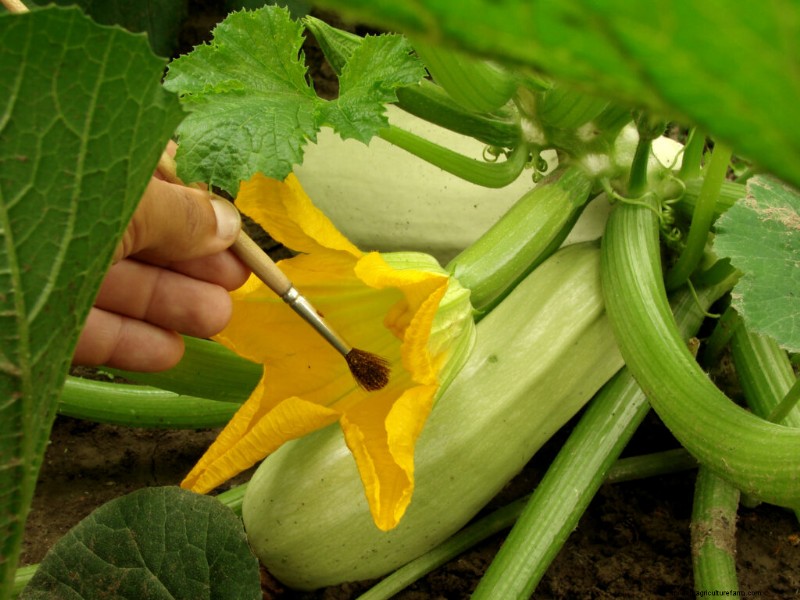
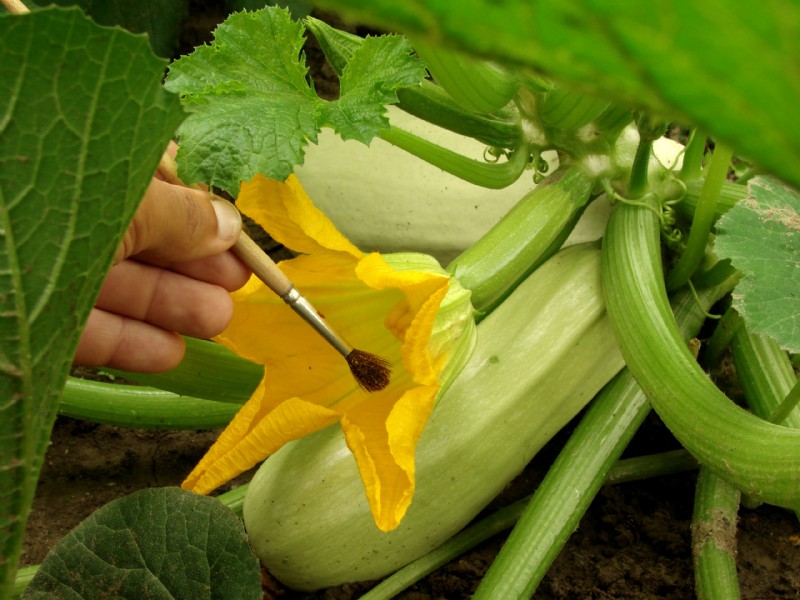
Hand pollination of squash flower with small brush
How to Attract More Pollinators to Your Garden
Since bees and other pollinators play a crucial role in squash pollination, creating an environment that attracts them is key. Here’s how to encourage more natural pollination:
- Plant pollinator-friendly flowers. Squash flowers bloom in the morning, so surrounding your garden with bee-attracting plants like lavender, zinnias, or sunflowers can help draw pollinators to your squash plants.
- Avoid pesticides. Chemical sprays, even organic ones, can harm bees. If pest control is needed, apply treatments in the evening when pollinators aren’t active.
- Provide a water source. Bees need water, so adding a shallow dish with pebbles for them to land on can encourage them to stay in your garden.
- Grow multiple squash plants. A larger number of squash flowers increases the chances of pollinators visiting your plants regularly.
Hand-Pollination: A Guaranteed Way to Boost Yields
If you notice poor fruit development or low bee activity, hand-pollination is the best way to ensure successful pollination. I’ve used this method in my garden when pollinator numbers were low, and it consistently leads to better fruit set and higher yields.
Here’s how to hand-pollinate squash:
- Identify male and female flowers.
- Male flowers have a thin stem and a pollen-covered center (stamen).
- Female flowers have a small, undeveloped squash at the base and a stigma in the center.
- Collect pollen from a male flower.
- Use a small paintbrush or cotton swab to transfer pollen from the male flower to the female flower’s stigma.
- You can also pluck a male flower, remove the petals, and gently dab the stamen onto the stigma.
- Repeat the process on multiple female flowers to maximize pollination success.
Hand-pollinating is a simple but highly effective way to ensure your squash plants produce full, healthy fruits—especially in areas with fewer natural pollinators.
Creating the Best Conditions for Squash Pollination
Even with bees and hand-pollination, environmental factors play a big role in pollination success. Here’s how to optimize conditions:
- Water consistently but avoid overwatering. Too much moisture can lead to fungal diseases that weaken flowers and reduce fruit set.
- Ensure plenty of sunlight. Squash plants need at least 6–8 hours of direct sunlight to produce strong flowers that attract pollinators.
- Avoid extreme temperatures. High heat can cause flowers to wither before pollination occurs, while cold temperatures slow bee activity. Providing afternoon shade during heat waves can help.
- Maintain healthy soil. Nutrient-rich soil encourages strong flower production. Adding compost or organic fertilizer ensures plants have the energy to produce healthy male and female flowers.
Suummary
Successful pollination is essential for maximizing your squash harvest, and there are many ways to improve fruit set and boost yields. By attracting more pollinators, hand-pollinating when needed, and optimizing growing conditions, you can enjoy abundant, healthy squash all season long.
With these experience-backed techniques, you’ll have the knowledge to ensure every squash plant in your garden thrives and produces to its fullest potential. Happy growing!
Related posts you might find helpful:
Summer Squash
- How to Grow Summer Squash and Zucchini: A Gardener’s Guide
- Planting and Growing Summer Squash
- Summer Squash Care and Maintenance
- The Best Summer Squash & Zucchini Varieties for Your Garden
- How to Harvest and Store Summer Squash
- Eight Ways to Cook and Serve Summer Squash
Winter Squash
- The Ultimate Guide to Growing Winter Squash
- Planting and Growing Winter Squash
- Winter Squash Care and Maintenance
- The Best Winter Squash Varieties for Your Garden
- Harvesting & Storing Winter Squash for Long-Term Use
- Seven Ways to Cook and Serve Winter Squash
Squash Planting and Care
- Squash Seed Starting Tips: How to Grow Strong, Healthy Plants from the Start
- How to Maximize Squash Pollination for Bigger Harvests
- Growing Squash in Small Spaces: Trellising & Container Growing
- How to Prevent and Treat Squash Pests and Diseases Naturally
- Squash Vine Borer Organic Pest Control
- Squash Bug Organic Pest Control
Books to help you grow:
- Vegetable Garden Almanac & Planner
- Kitchen Garden Grower’s Guide Vegetable Encyclopedia
- Vegetable Garden Grower’s Guide
- Tomato Grower’s Answer Book