Welcome to Modern Agriculture!

A greenhouse can transform your fall gardening, especially in cooler regions. By shielding tender crops, it extends the growing season and provides a head‑start on winter or spring harvests.
September is the perfect window for planting a variety of cool‑weather crops—whether you’re working with a heated or unheated greenhouse, you can mix fast‑growing “quick‑greens” with more long‑lived varieties that thrive into the next season.
Planting a mix of rapid‑growers and slow‑to‑over‑winter plants gives you harvests in fall, early winter, late winter, and early spring. In milder climates, even an unheated greenhouse can support year‑round vegetable production.
Leafy greens are the classic choice for winter‑friendly gardens, but many other vegetables and herbs flourish in cooler temperatures. Below are 13 carefully selected September greenhouse crops that will keep your garden productive well into winter.
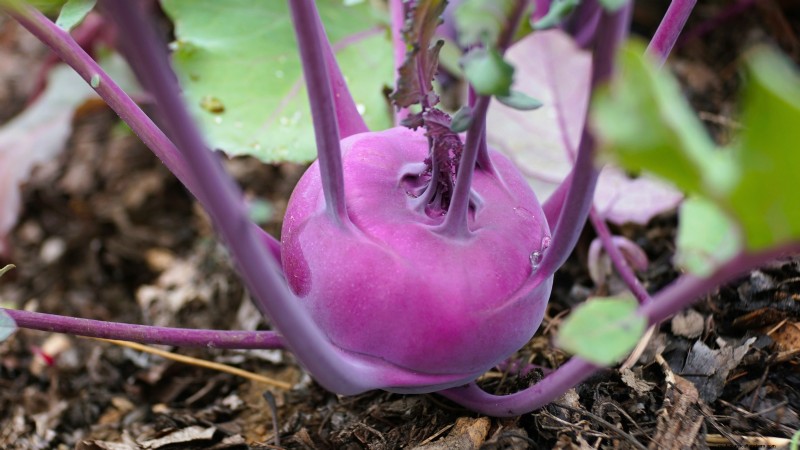
Quick‑growing bulbs that deliver a sweet, crisp flavor. Ideal for September planting.
Botanical name: Brassica oleracea var. gongylodes ‘Purple Vienna’
Sun requirements: Full sun
Height: 10"–12"
Hardiness zones: 2–11
Kohlrabi thrives in temperatures of 55–75°F (13–24°C). Its sweet, nutty flavor makes it a perfect source of vitamin C. Harvest the whole plant after seeding, then you can use the tops for salads, soups, or stews.
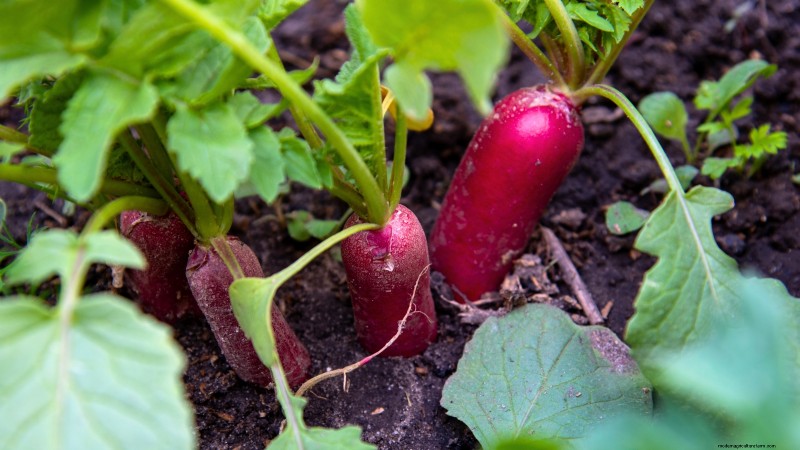
Fast‑harvested radish with a delicate, peppery taste.
Botanical name: Raphanus sativus ‘French Breakfast’
Sun requirements: Full sun to partial shade
Height: 3"–4"
Hardiness zones: 2–11
This heirloom variety, popular since the 1800s, grows quickly and tolerates warmer temperatures better than many radishes. Succession sow every 2–3 weeks to keep a steady fall‑winter supply.
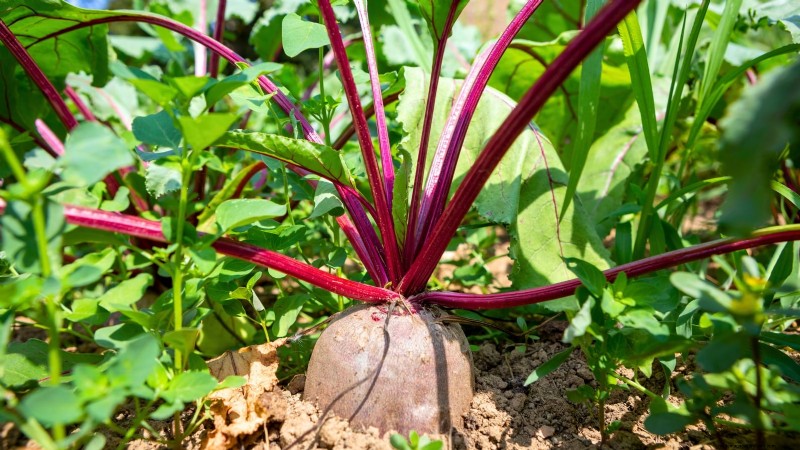
Sweet, baby roots that resist bolting.
Botanical name: Beta vulgaris ‘Robin’
Sun requirements: Full sun
Height: 15"–17"
Hardiness zones: 2–11
‘Robin’ beet roots are tender, red, and naturally sweet, making them ideal for early harvest. The greens are also edible and nutrient‑dense. Their bolt resistance ensures productivity even if temperatures rise.
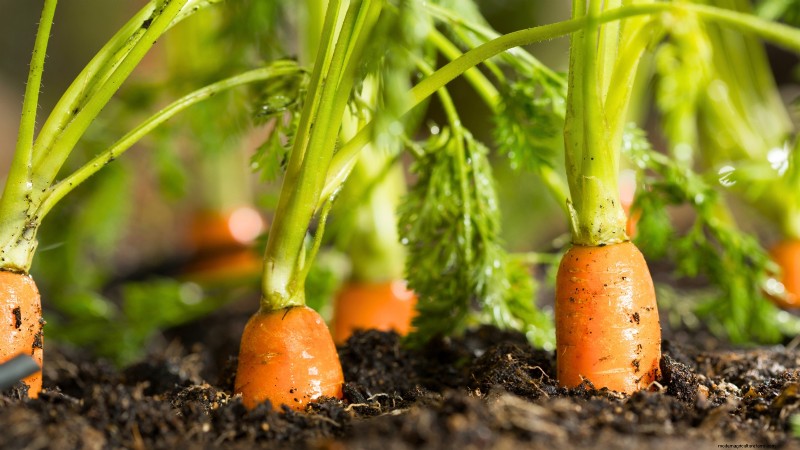
Sweet roots that thrive in cool greenhouse conditions.
Botanical name: Daucus carota ‘Danvers 126’
Sun requirements: Full sun
Height: 6"–7"
Hardiness zones: 2–11
This heirloom carrot is prized for its bright orange color and uniform shape. It may take up to 20 days to germinate, so patience is key. Once established, it yields sweet, crisp roots well into winter.
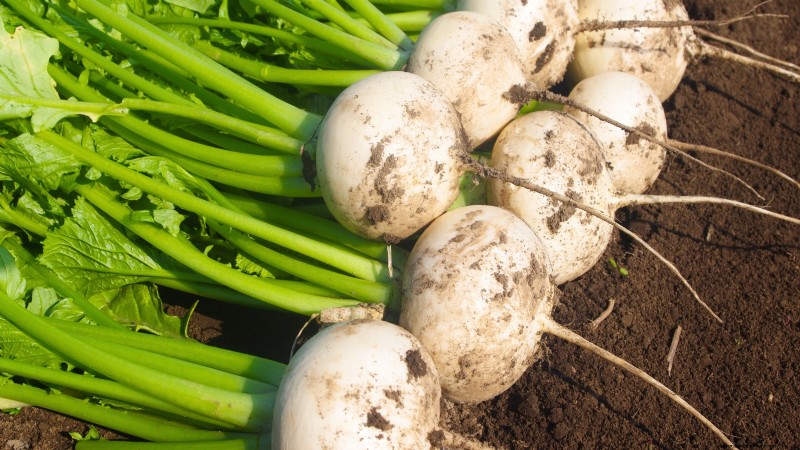
Ready in just 30 days with tender greens.
Botanical name: Brassica rapa ‘White Lady’
Sun requirements: Full sun to partial shade
Height: 2"–5"
Hardiness zones: 2–11
‘White Lady’ turnips grow quickly and produce edible greens alongside the root. Direct sow and keep soil consistently moist to avoid woody stems. Harvest within 30–60 days for baby‑stage freshness.
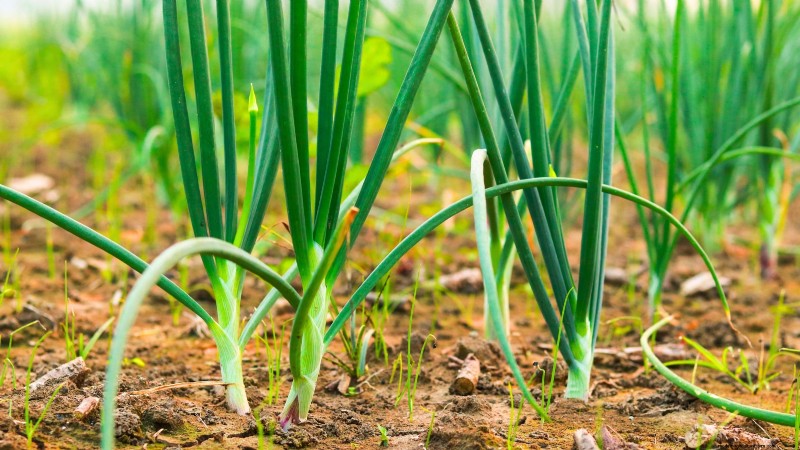
Succession sow for mild stalks all season.
Botanical name: Allium fistulosum ‘Tokyo White’
Sun requirements: Full sun
Height: 16"–18"
Hardiness zones: 2–11
These Japanese green onions grow quickly in 55–75°F (13–24°C) greenhouse conditions. Sow every few weeks to maintain a steady supply, and harvest at any stage for fresh flavor.
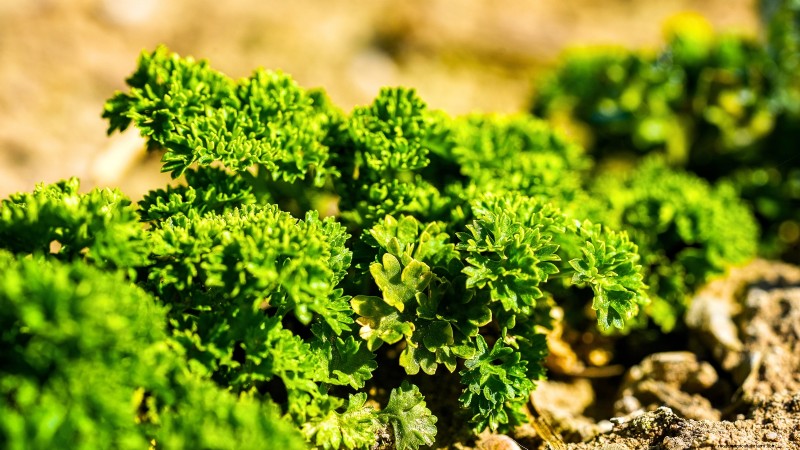
Slow to germinate but keeps producing leaves.
Botanical name: Petroselinum crispum ‘Moss Curled’
Sun requirements: Full sun to partial shade
Height: 10"–12"
Hardiness zones: 3–9
Parsley thrives in cooler temperatures. Soak seeds overnight to speed germination (up to four weeks). Keep soil moist but not waterlogged, and harvest outer leaves regularly to keep the plant productive.
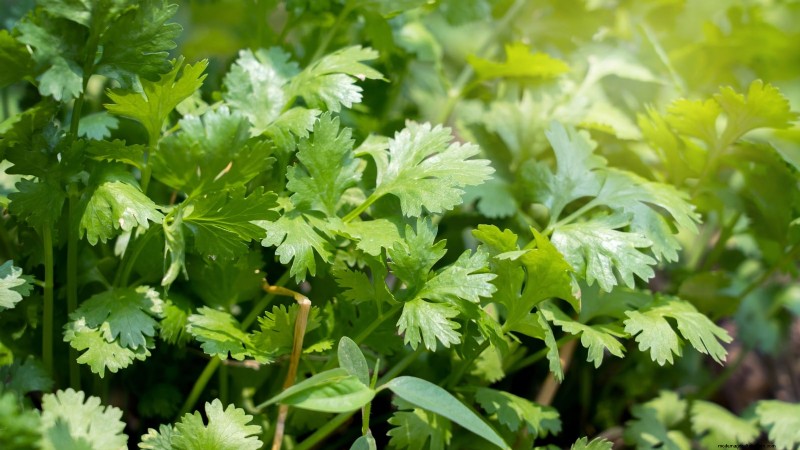
Slow‑bolting plants for longer harvests.
Botanical name: Coriandrum sativum ‘Long Standing Santo’
Sun requirements: Full sun to partial shade
Height: 12"–24"
Hardiness zones: 2–11
This cilantro variety resists bolting, making it ideal for greenhouse cultivation. Grow in well‑drained soil, keep consistently moist, and space plants six inches apart.
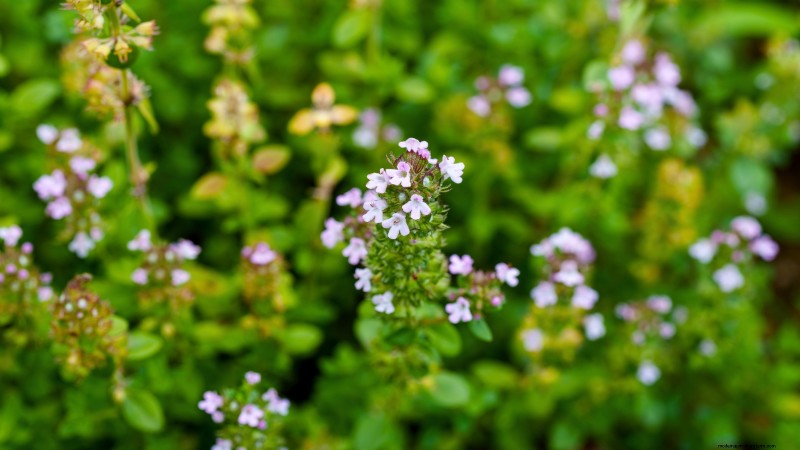
Drought‑tolerant herbs need only occasional careful watering.
Botanical name: Thymus vulgaris
Sun requirements: Full sun to partial shade
Height: 12"
Hardiness zones: 4–9
English thyme prefers well‑drained, sandy soil and moderate temperatures of 55–70°F (13–21°C). Space plants 12–18 inches apart to allow spreading mats. Allow the soil to dry slightly between waterings to avoid root rot.
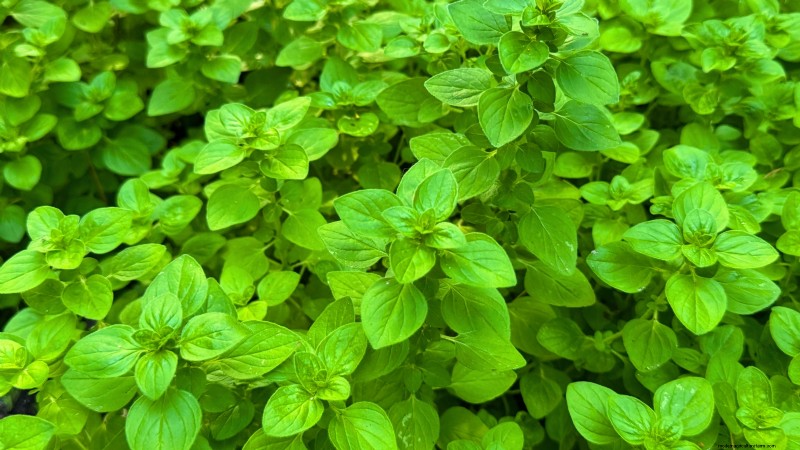
Prefers drier soil with good airflow.
Botanical name: Origanum vulgare
Sun requirements: Full sun
Height: 18"
Hardiness zones: 4–9
Oregano thrives in well‑drained, slightly alkaline soil at 55–75°F (13–24°C). Start from cuttings or transplants for quicker establishment, space about 12 inches apart, and water sparingly to keep the top inch of soil dry between sessions.
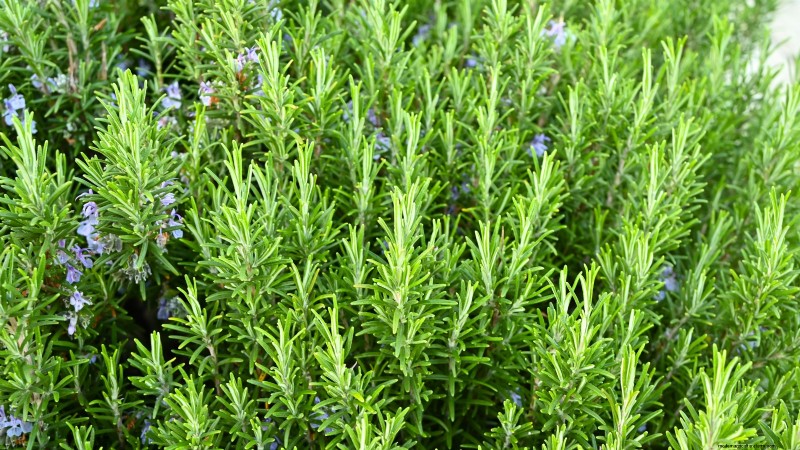
Best grown in containers for easy moving.
Botanical name: Salvia rosmarinus
Sun requirements: Full sun
Height: 2–4 ft
Hardiness zones: 8–10
Rosemary is a warm‑climate perennial. In cooler regions, grow it in a movable container to benefit from consistent greenhouse temperatures. Use sandy, gritty soil and avoid overwatering to prevent root rot.
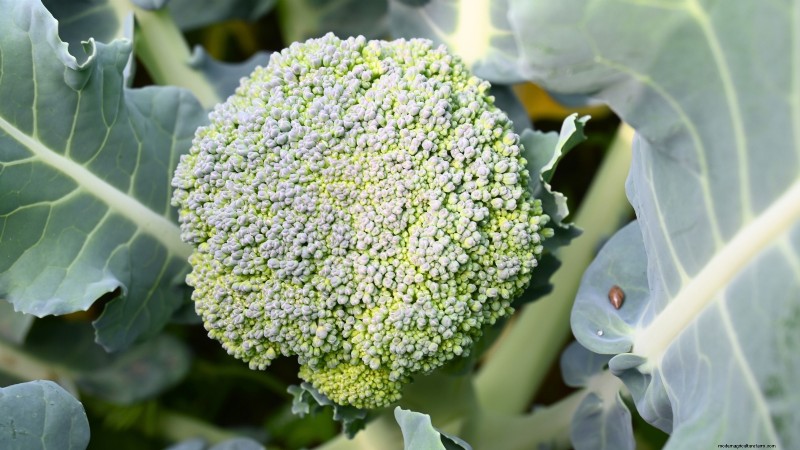
Heat‑tolerant heads with plenty of side shoots.
Botanical name: Brassica oleracea var. italica ‘Belstar’
Sun requirements: Full sun
Height: 20"
Hardiness zones: 2–11
‘Belstar’ broccoli performs well in unpredictable autumn climates. Direct sow in deep beds or transplant seedlings 12 inches apart. The main head plus side shoots provide an extended harvest into winter.
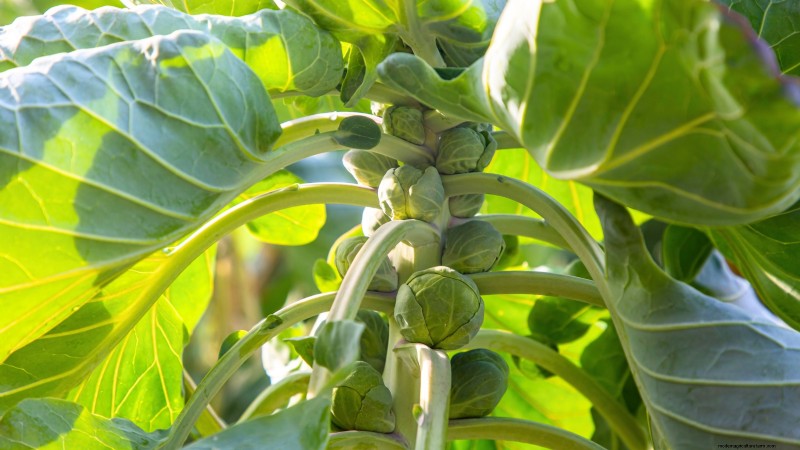
Harvestable sprouts appear after a long, steady season.
Botanical name: Brassica oleracea var. gemmifera ‘Silvia’
Sun requirements: Full sun
Height: 20"–24"
Hardiness zones: 2–11
Brussels sprouts need a long growing season. Planting in September allows harvest in December. ‘Silvia’ offers early maturation, disease resistance, and plentiful, tasty sprouts.
By selecting a mix of quick‑harvest and long‑term crops, your September greenhouse can provide a continuous bounty from fall through early spring. Not only do these plants keep mandating self‑sufficiency, but they also harness the propitious environmental control of a greenhouse, ensuring that your garden stays productive even when outdoor temperatures dip.