
Welcome to Modern Agriculture!

Introduction to Celery Gardening for Beginners, Planting Tips, Techniques, Questions and Answers (FAQs): Hello gardeners, we are back with one more topic today and the topic is all about celery gardening for beginners. Do you want to know how to grow celery plants and do you have any doubts about growing celery? Well and then you will need to follow this complete article to grow the perfect celery plant. In this article, we are going to discuss some frequently asked questions about celery gardening.
Celery is a wetland plant in the Apiaceae family that has been used as a vegetable since ancient times. The stem of celery is tall and woody, tapering into leaves. The stalks, leaves, or hypocotyl of the plant are consumed and used in cooking, depending on the locale and cultivar.
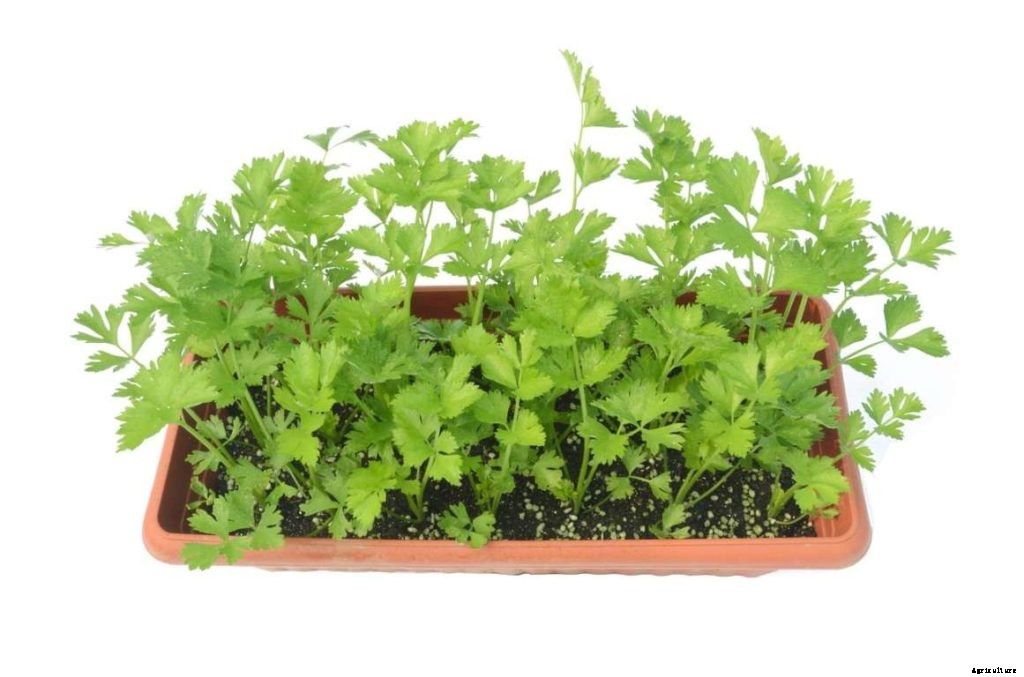
Choose a location that gets plenty of direct sunshine.
Celery requires soil that has been amended with compost. With a garden fork or tiller, loosen the soil to a depth of 12 to 15 inches. 2 to 4 inches of aged manure and/or compost should be incorporated into the soil. Alternately, use a 5-10-10 fertilizer. Moisture should be retained in the soil, but it should drain well.
Celery grows best in soil with a pH of 5.8 to 6.8. If you’re not sure what your soil pH is, get a soil test.
Celery needs moist soil that doesn’t drain too quickly to thrive. Because wild celery thrives in wet soil, you’ll need to provide continuous watering for this demanding crop, and a sunny location should promote well, even growth.
Celery necessitates a lot of water. During the whole growing season, make sure to offer lots of water, especially during hot, dry weather. Celery stalks will be dry and small if not given enough water.
To keep the plants moist, add plenty of compost and mulch around them. When they’re establishing, give them a boost with a nutrient-rich organic fertilizer. Coffee grounds, poked into the soil between plants, and comfrey pellets are both excellent choices. You might also use organic stuff like compost as mulch between your plants. This will keep the roots cold, aid in the feeding of your plants, and help to keep the soil moist.
Keep celery weeded, but be careful when doing so because celery has shallow roots that can be readily disturbed.
To keep celery stalks from sprawling, tie them together as they develop.
Once the stems reach approximately a foot tall, begin earthing up trenching variety, banking the dirt up by about three inches or 8cm at a time until you can no longer hill up.
Now, let us discuss some frequently asked questions about growing celery;
In case if you miss this: How To Start Greenhouse Gardening.
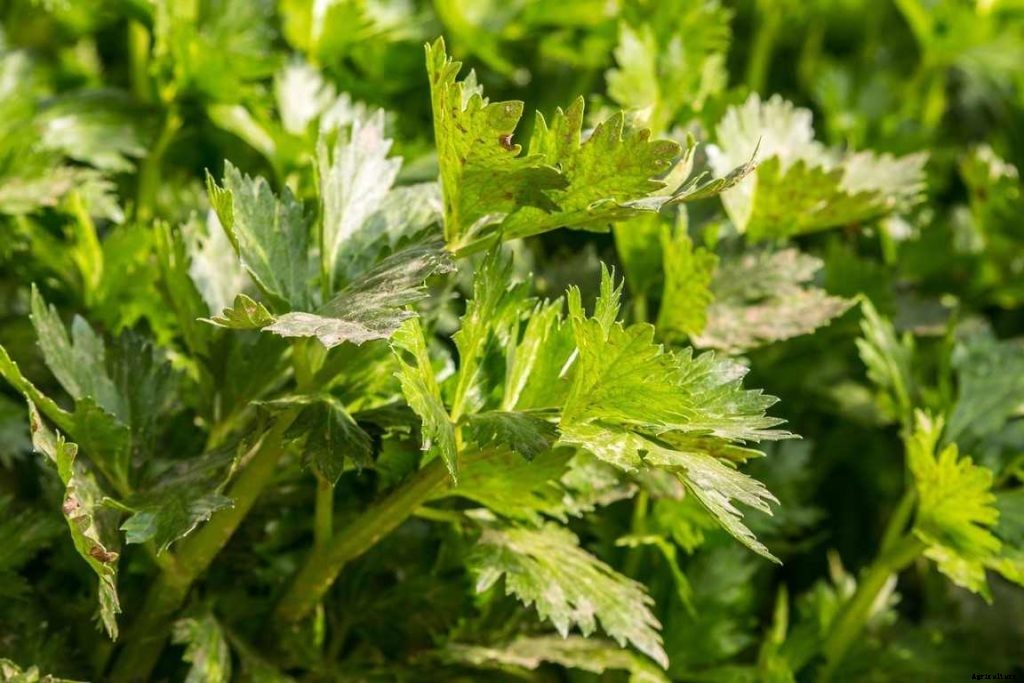
It is better to plant celery in the early spring in cool spring and summer climates. You need to plant celery in mid-to late-summer in warm spring and summer regions for harvest in late autumn or early winter.
When the soil temperature reaches 10°C or above, and the nights do not fall below 4°C, plant your celery outside. Celery matures around three to four and a half months, depending on the variety. The good news is that you can begin plucking the stalks at any time.
Celery plants should be spaced 10 to 12 inches or 25 to 31cm apart. After a few weeks, thin the celery to a distance of 12 inches or 31cm between each other.
From a stump, celery: Simply cut 2 inches off the bottom of a bunch of celery (refrigerate the stalks for later use) and “plant” it root side down in a saucer of water or an inch or two of damp sand or potting soil. From the middle, leaves will emerge, followed by sensitive stalks.
Celery pairs well with beans, Brassicas, cucumbers, garlic, leeks, lettuce, onions, and tomatoes. Hoverflies and parasitic wasps are attracted to chamomile. To enhance the flavour of onions, plant near them.
Water deficiency– Another cause of slender celery stalks could be a lack of water. Too much heat– Celery plants require at least six hours of direct sunlight every day, with afternoon shade provided during the warmest portion of the day. In hot weather, the vegetable does not thrive, which can influence stalk output and girth.
Celery plants can be grown in five-gallon buckets or any container that is at least 8 inches deep and large enough for the seeds to be planted 6 to 10 inches apart. Container plants demand more water, so make sure the soil remains moist and does not dry up.
How about this: Cucumber Seed Germination.
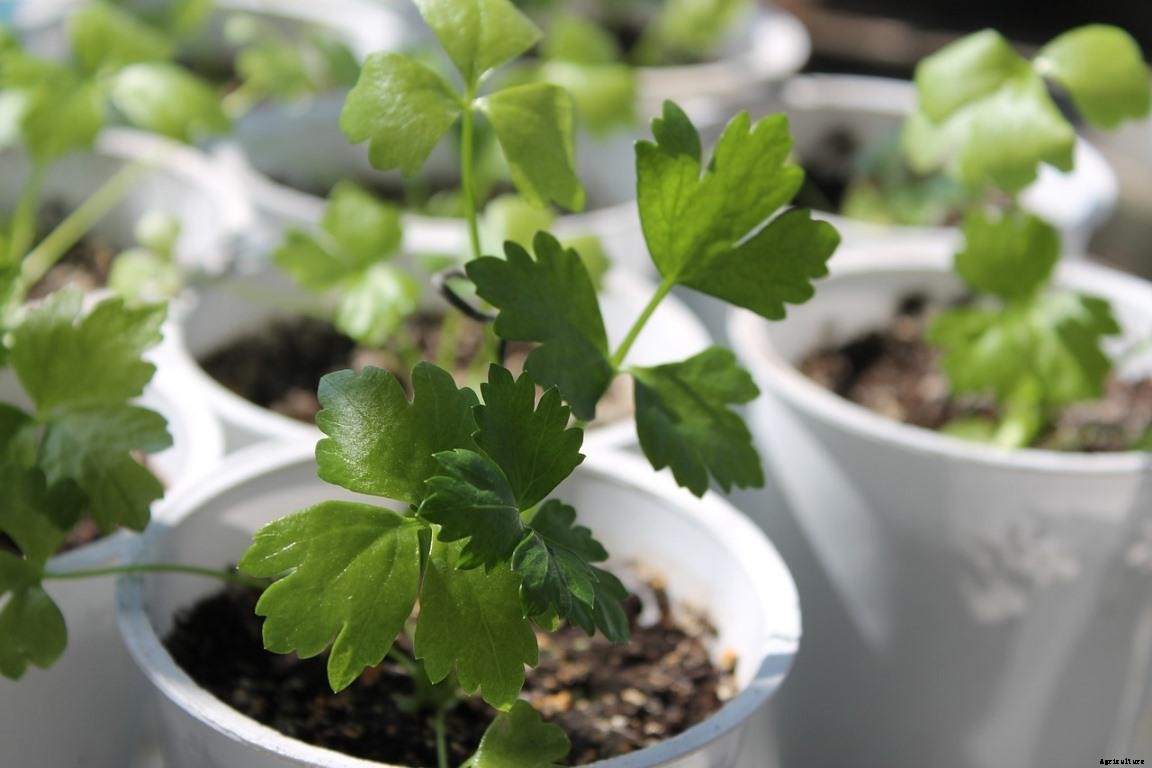
Summer celery has proven to be an outstanding container vegetable. In a 12-inch or 30cm wide plastic pot, one plant will grow satisfactorily, or numerous plants can be grown together in planters built from plastic storage bins (use the lid as a watering tray).
The root system of the celery plant is quite little, usually extending only 6 to 8 inches from the base of the stalks and growing just 2 to 3 inches deep. As a result, to grow celery, consistent hydration and appropriate nutrients in the first few inches of soil are critical.
Cut stalks as needed if you don’t need the entire plant. The plant will continue to produce new stalks if you only trim the stalks you need. Individual stalks should be harvested from the outside in. A serrated knife can be used to cut individual stalks or the entire plant.
Yes, you can regenerate celery from the grocery store if you buy a big bunch rather than individual ribs. The celery bunch you bought at the store will sprout a small amount of new celery.
You can put the celery in potting soil or directly into your garden when the new roots are about 1 inch long. If you’re going to use potting soil, make sure it’s pesticide-free and suited for veggies and herbs. Make a deep and wide hole large enough to retain the plant from the root to the cut end.
Celery takes 130 to 140 days to completely mature. However, because this is from seed, growing from an old stalk is faster. Plant it in the fall or early spring for the best results, as it prefers cool temperatures.
Growing celery from the base of the stalks is a simple garden project with quick results. You can do it one of two ways: in a container with simply water or by planting the base in potting soil. Look for celery that is solid and has well-packed stalks. The leaves should be bright green and appear to be in good condition.
Celery seeds require a mild warm environment to germinate. If it’s still cold outside, put them in a propagator set to around 15°C, though an indoor windowsill would suffice. You’ll need to be patient because germination is gradual and can take up to three weeks.
Make use of a complete fertilizer with a high potassium ratio (4-4-8). Plants: Generally, celery is transplanted. Before being placed in the garden, transplants should have 3 to 4 mature leaves and a well-established root system.
It’s easy to learn how to grow celery. Rich soil, an abundance of water, and protection from the sun and extreme temperatures are the primary requirements for this plant. Celery is grown as a winter plant in the South, as a summer plant in the far North, and as an autumn plant in the rest of the country.
Celery grows best in moist, well-drained soil in a sunny location. Celery can be grown in very deep, long tom-style pots if you have a small garden.
The stalks should still be close together and form a compact bunch or cone at the correct height for celery harvesting. When ready to harvest, upper stalks should attain a height of 18 to 24 inches or 46 to 61cm and a diameter of 3 inches or 7.6cm.
Celery is classified as a hardy biennial; however, it is typically planted as an annual for its tasty 12- to 18-inch stalks. Celery is not much difficult to grow, but it must be started from seed indoors; transplants are tough to come by and do not always succeed.
It could be a nutrient shortage, a pest infestation, or a disease if the celery leaf turns yellow. If your celery has yellow leaves, it may be suffering from a nitrogen shortage. Yellowing leaves are a symptom that starts with the oldest leaves and progresses to all foliage, resulting in stunted plants.
Celery is not frost-hardy, so choose a variety that suits your area or climate — and start planting early. It usually prefers full sun, but part shade will suffice. Once a month, you need to give your plants a drink of manure tea, fish emulsion, or liquid fertilizer to help them grow.
It requires nearly about 1 to 1.5 inches of water per week. Celery will wilt and become especially stringy if it doesn’t get enough moisture.
Self-blanching celery can be planted directly in the ground and will blanch by shading itself. During the summer, feed celery in pots every two weeks with a balanced liquid general fertilizer. Crops benefit from a light application of a high nitrogen fertilizer once they’ve established themselves.
Slugs and snails, as well as cutworms and the carrot fly, are common pests that attack celery.
Heliothis (Helicoverpa punctigera and Helicoverpa armigera) are the most common pests that attack celery.
Use a mild dish soap that is free of bleach, perfumes, and other unwanted ingredients. Another approach is to mix 1 gallon of water with 2 tablespoons of gentle baby shampoo. Allow for a few hours for the soap spray to sit on the celery plants before rinsing it off with a hose.
Infection with the fungus Rhizoctonia solani causes rotting stalks in celery. After the fungus infiltrates the plant through wounds or open stomata, stalk rot develops towards the base of the outer leaf petioles (stalks) (pores). Reddish-brown blotches form, grow and become cratered with time.
The majority of plants are grown from seeds, although others are grown from tubers, stem cuttings, or bulbs. In the case of celery, the plant will regenerate from the roots and produce new stalks. Cut the bottom root from the stalks, about 2 to 3 inches, to start re-growing celery (5 to 7.5 cm.).
Celery thrives in temperatures that are neither too hot nor too cold. It despises ice and scorching heat. Sow late winter to early spring in cool and temperate climates, and again in late summer to early fall in warm and temperate climates.


