
Welcome to Modern Agriculture!

Introduction to dianthus flower gardening for dummies, dianthus planting tips, techniques, questions and answers (FAQs): Hello gardeners, we are here with another flower gardening topic and the topic is all about dianthus flower gardening for beginners. Do you want to know how to grow dianthus and do you want to know all the growing requirements of the dianthus plant? Well and then you will need to follow this complete article to grow the perfect dianthus plant. In this article, we are going to discuss some frequently asked questions about dianthus flower gardening.
Dianthus is a genus of flowering plants in the Caryophyllaceae family with over 300 species native to Europe and Asia, as well as a few species in North Africa and Southern Africa, and one species in arctic North America. Carnation, pink, and sweet william are all common names for this flower.
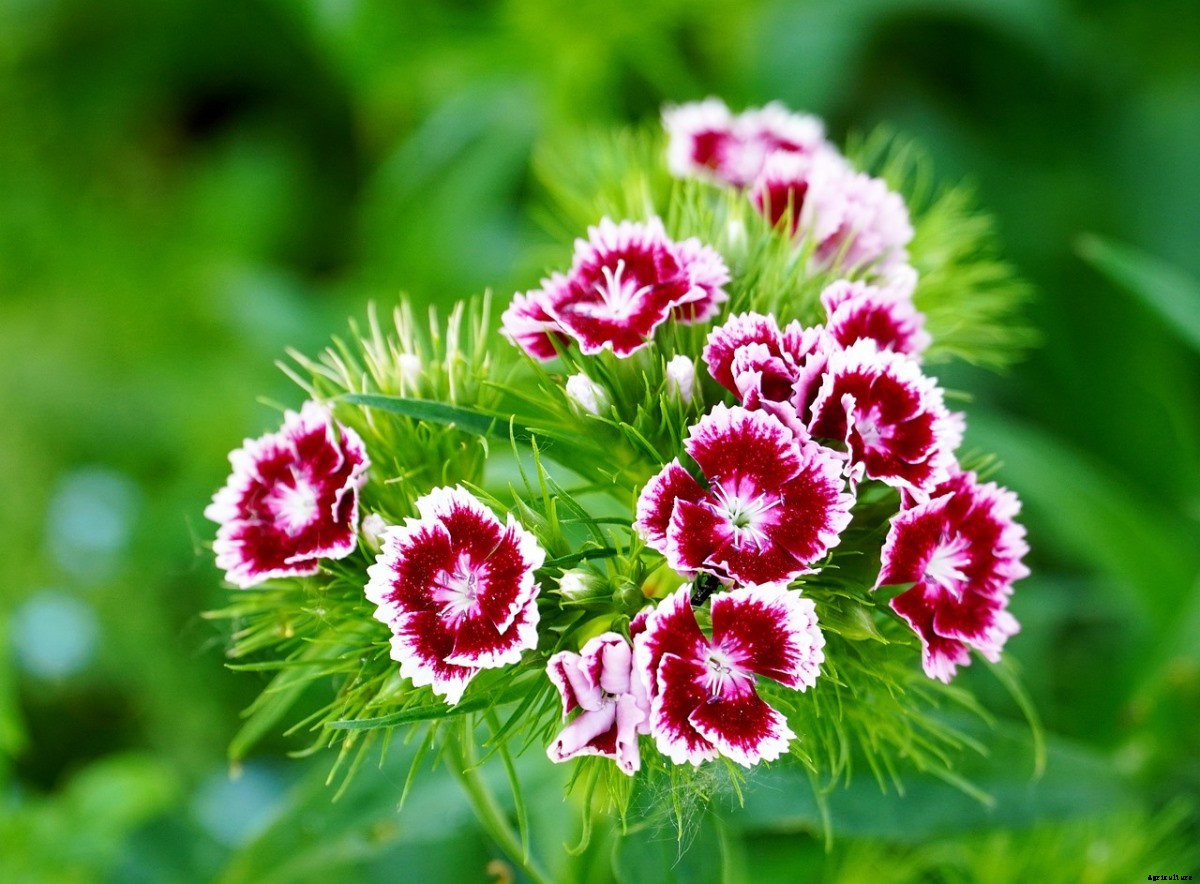
Let us see the overview table of the dianthus plant:
Pinks can be grown in full sun, medium shade, or any location with at least 6 hours of sunlight. The plants require alkaline soil that is rich and well-drained.
When planting dianthus, wait until the threat of frost has gone and plant them at the same level as they were in the pots, with 12 to 18 inches or 30 to 46 cm between the plants. Mulch should not be used near them. To keep the foliage dry and prevent mildew spotting, water them just at the base of the plant.
The instructions for caring for dianthus are pretty simple. Apply fertilizer every six to eight weeks and water the plants when they are dry. You can also incorporate a slow-release fertilizer into the soil before planting to eliminate the need to feed the plants. Because some dianthus cultivars self-sow, deadheading is critical to reducing volunteer plants and encouraging additional blooming. Perennials have a short life span and should be propagated through division, tip cuttings, or even layering. Dianthus seed is also widely available at garden centers, and it may be started within six to eight weeks before the last frost date.
Now, let us discuss some frequently asked questions about dianthus gardening;
Pinks can be grown in full sun, medium shade, or any location with at least 6 hours of sunlight. The plants require alkaline soil that is rich and well-drained. When planting dianthus, wait until the threat of frost has gone and plant them at the same level as they were in the pots, with 12 to 18 inches between them (30 to 46 cm.)
They’re ideal for balconies, window ledges, hanging gardens, and rockeries because of this. Watering will be required at least once a week, but be careful not to overwater the soil. Because dianthus does not thrive in the shadow, it requires a well-lighted, consistently lit environment.
Dianthus flowers can be planted in the spring or the fall. Dianthus flowers require relatively little upkeep. Cool temperatures, rich, somewhat alkaline soil, and full sun exposure are all they need. Water them once or twice a week, and fertilize them once or twice a month.
These plants are perennials with a short life span, although they are commonly planted as annuals in Missouri and other colder climates. Annuals have a single growing season. Many Dianthus types, on the other hand, self-seed every year. That is to say, they re-grow each spring.
Pinks (Dianthus plumarius) are easy to grow and resistant to deer. The fragrant blooms are available in a variety of colours and make wonderful cut flowers. Pinks can also be propagated by taking cuttings or dividing existing clumps. Softwood tip cuttings should be taken in the spring or early summer.
In case if you miss this: Small Balcony Gardening Ideas.
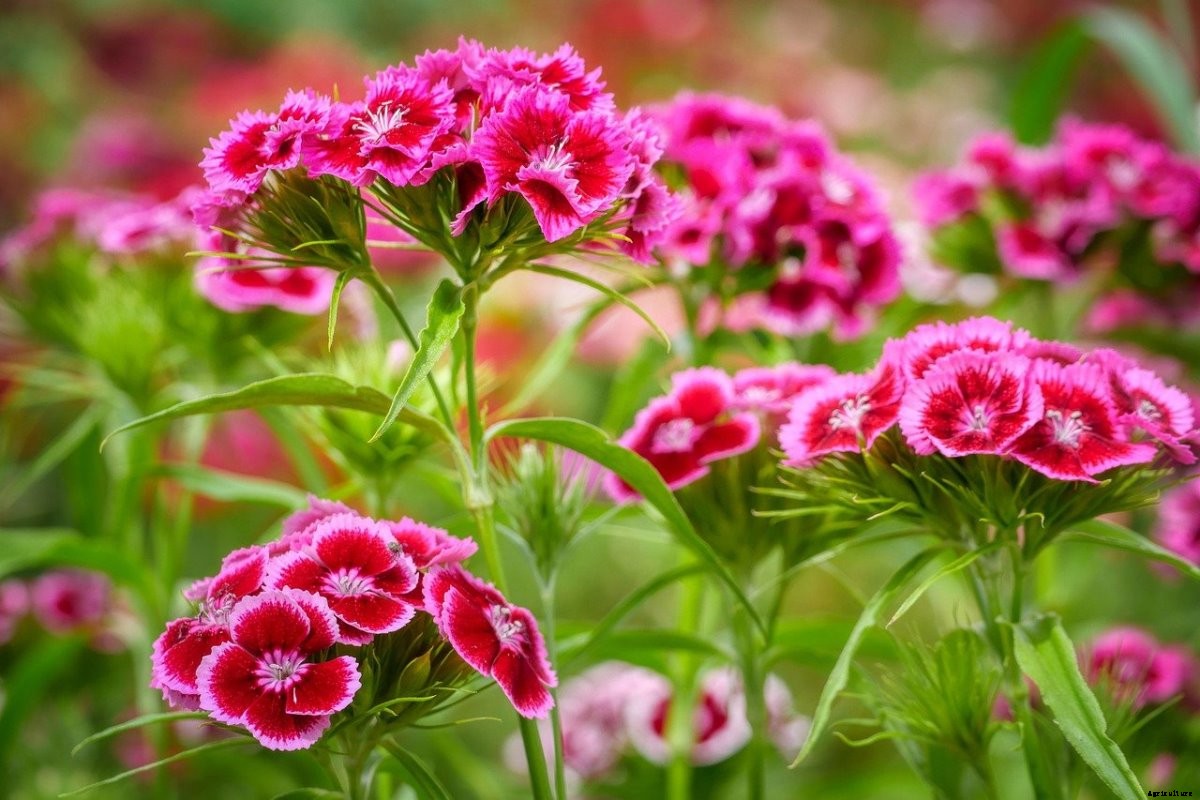
Dianthus prefers at least six hours of direct sunlight but may tolerate partial shade.
Pinks will flower nonstop from July to September if you get the basics right, and they don’t mind a dry summer, which makes them ideal for containers. Water as needed and feed every two weeks with comfrey or phosphate-rich organic tomato feed to stimulate flowering if the weather is dry or the plants are pot-grown.
As cut flowers, they have a lovely aroma and a lengthy vase life. Individual plants are erect and do not spread, but if the blossoms are not cut and the seeds are allowed to develop, they will spread by self-seeding.
They need to be watered once a week on average. Plants that can withstand short periods of drought or dryness are commonly referred to as drought tolerant. Plants can survive heat, heavy rains, humidity, and dryness as long as the soil is sufficiently drained.
Deadheading annuals dianthus is extremely crucial to keep the plant from generating seeds and spreading. Do not deadhead if you want to collect seeds to develop more plants or if you want the plant to spread spontaneously in your garden. This reduces the danger of disease transmission from plant to plant.
Pinks don’t live very long – they tend to sprawl in the middle and become woody at the base – so it’s fairly uncommon to have to replace them after six years. Each year, you can take cuttings to ensure a steady supply of plants.
When a plant is affected with storage rot, also known as botrytis blight, the petals of cut flowers turn dark. The cut stem ends may decay. This is most common when there is a lot of humidity, and it can be treated with a fungicide.
Dianthus plants, unlike most other plants, should not be mulched. To encourage on-going blooming, remove spent flowers as soon as possible. Dianthus will commonly self-seed, so don’t be too quick to remove spent plants from the ground.
Dianthus, often known as Sweet Williams, is generally unappealing to bees, particularly the red varieties. Dianthus is a perennial that looks and blooms like a carnation but is smaller. Because there isn’t much pollen or nectar available, dianthus is unlikely to attract more than a single passing bee.
All kinds of dianthus have a place in the garden (and in vases and bouquets), but pinks are the classic cottage garden variety with numerous single or double ruffled blossoms.
They endure heat and thrive in areas with excessive rainfall and humidity as long as they are planted in well-drained soil. Dianthus blooms bloom profusely in early spring and summer, but if you clip the blossoms off as they fade, many dianthuses will re-bloom later in the gardening season.
How about this: How To Grow Organic Spianch.
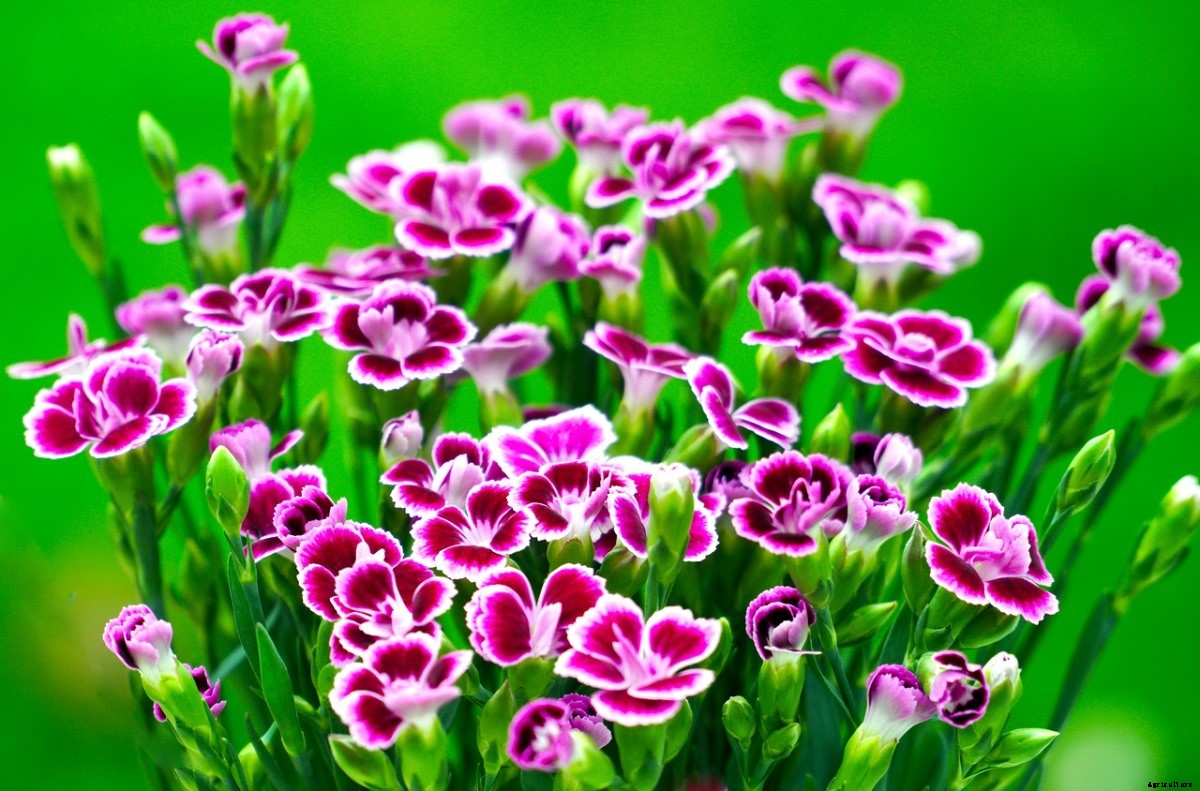
Blooms adorn the plants all season long thanks to plenty of sunlight, enough water, and frequent maintenance. You need to plant dianthus in a location that receives at least six hours of direct sunlight each day. To minimize moisture from escaping too quickly, cover the plants with 2 inches of mulch.
To force the plant to create bushy growth and more flower buds, cut the plant’s height in half with clean shears. To keep the plant in shape, trim or pinch back overgrown and lanky stems at any moment during the summer growing season. To encourage branching, make the cuts near a leaf bud on the stem.
Shear off faded flowers and all frost-damaged foliage from your dianthus plants. Remove any coverings and place the pots in partial shade to full sun, away from any protective walls. In hot summer temperatures, the plants might go dormant if they are exposed to direct sunlight.
Dianthus is one of the easiest plants to grow. Between June and September, cuttings will root quickly and produce vigorous plants the following year. To take pipings, firmly grasp a non-flowering shoot just below a leaf node in one hand and pull the rest of the stem sharply with the other.
The lack of blossoms on your dianthus is largely due to heat stress. Because they prefer lower temperatures, they bloom best in the spring and then again in the fall. You might be able to cajole them into at least some blooms over the summer months if you prune them back after each bloom cycle.
When the plant is growing, it has to be watered regularly. Full sun is best, but certain types, such as Dianthus deltoids, can also thrive in partial shade. When watering Dianthus flowers, make sure the soil is evenly moist. Overwatering or allowing the potting soil to dry out is both bad ideas.
Dianthus can be infected with a variety of plant diseases. Some are fungal, while others are bacterial. Fusarium wilt and verticillium wilt are two of the most troublesome fungal wilts.
The instructions for caring for dianthus are pretty simple. Apply fertilizer every six to eight weeks and water the plants when they are dry. You can also incorporate a slow-release fertilizer into the soil before planting to eliminate the need to feed the plants.
You should water your new Dianthus plants once a week at the very least, and let the soil dry out between watering. Fertilize your Dianthus with a 20-10-20 ratio all-purpose liquid plant fertilizer.
Certain garden pests are drawn to dianthus and may establish a nest beneath the leaves. Plant viruses like an etched ring, which causes discoloured oval or elongated rings, and necrotic fleck, which causes red-purple flecks on the leaves, are spread by spider mites and aphids sucking the sap from these plants.
The crown of the plant can decay if the base is kept too wet. Taller varieties, such as carnations, require full sun to avoid flopping. Even in full sun, though, some of the taller varieties may require additional support. Re-blooming is aided by removing old blooms from all species of dianthus.
Dianthus is a tough plant that can withstand temperatures as low as -20°C. They must, however, avoid moist winter soil, as this will cause their roots to rot. They are drought tolerant to some extent, but they do require frequent watering and feeding to maximize flowering. This has no negative impact on the plant.


