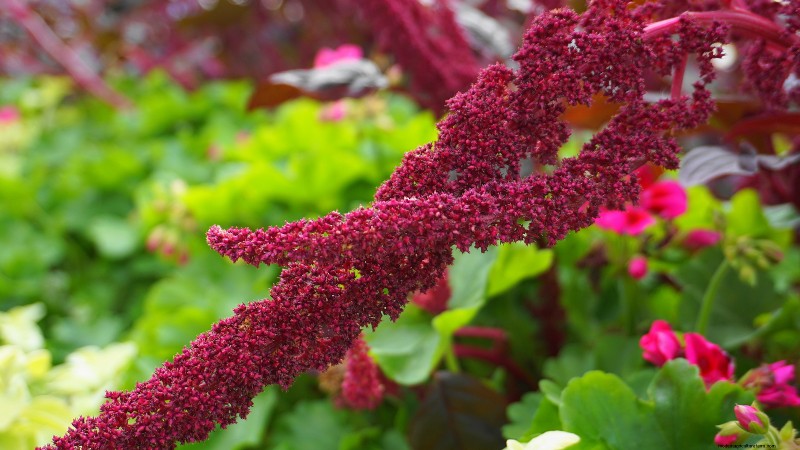
Love-lies-bleeding, Amaranthus, is a heavy-looking plant with brilliant cascading flowers. The ropey, tassel-like flowers fall from the top of the plant. Blossoms last as long as 8 weeks. Love-lies-bleeding is easy to grow.
The poorer the soil the more brilliant the foliage of amaranthus; soil too fertile will result in disappointing foliage.
Amaranthus grows readily from seed and prefers a sunny spot in the garden. They can be started in mid to late spring and require considerable space; they should be thinned or transplanted to stand 18 to 24 inches apart.
Flower Garden Success Products at Amazon:
- Wildflower Seed Mix Attracts Hummingbirds and Butterflies
- Eden Brothers All Perennial Seed Mix
- 10 pcs Stainless Steel Garden Hand Tool Set
- Gorilla Cart 4 Cu. Ft, 300-pound Capacity
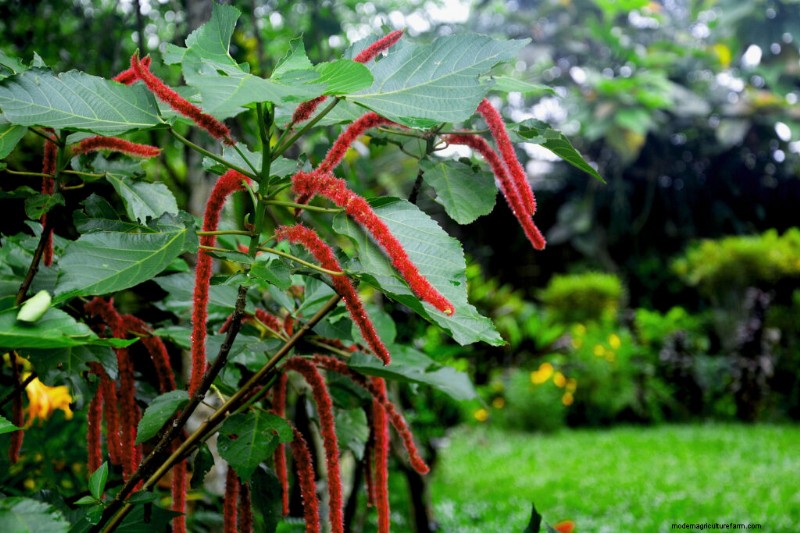
Love-Lies-Bleeding,
Amaranthus caudatus
Amaranthus caudatus, commonly known as Love-Lies-Bleeding, is a striking annual plant known for its long, cascading tassels of crimson or burgundy flowers. Native to South America, this plant is a dramatic addition to any garden, valued for its bold appearance and unique texture. Love-Lies-Bleeding can grow up to 3–5 feet tall, with its tassels reaching lengths of 12–18 inches, and its vibrant green leaves provide a lush backdrop to its cascading blooms.
In addition to its ornamental beauty, Amaranthus caudatus has a rich history of use in food and medicine. The seeds are edible and highly nutritious, though the plant is typically grown for decorative purposes in modern gardens.
Seven Ways to Use Love-Lies-Bleeding in the Garden
- Cottage Gardens
- Its vintage charm makes Love-Lies-Bleeding an ideal choice for romantic cottage gardens.
- Pair it with flowers like hollyhocks, foxgloves, or delphiniums to enhance the cottage-style aesthetic.
- Cutting Gardens
- Love-Lies-Bleeding is an excellent choice for cutting gardens. Its tassels add drama to floral arrangements and can also be dried for long-lasting decorations.
- Wildlife Gardens
- This plant attracts pollinators like bees and butterflies, making it a valuable addition to a wildlife-friendly garden.
- Plant it alongside nectar-rich flowers to create a haven for pollinators.
- Tropical and Exotic Gardens
- Love-Lies-Bleeding’s bold form and vivid colors are perfect for creating a tropical vibe.
- Combine it with plants like cannas, elephant ears, or banana trees for an exotic look.
- Borders and Backdrops
- Use it as a tall, vertical accent at the back of mixed borders.
- Its dramatic flowers stand out when paired with smaller, contrasting plants like zinnias or marigolds.
- Container Planting
- Despite its size, Love-Lies-Bleeding can thrive in large containers. This is especially useful for showcasing its cascading tassels up close on patios or balconies.
- Edible Gardens
- Incorporate Love-Lies-Bleeding into edible landscapes, as the seeds are edible and nutritious. Combine it with other ornamental edibles like purple kale or Swiss chard for an attractive, dual-purpose garden.
Design Ideas with Love-Lies-Bleeding
- Dramatic Focal Points
- Plant Love-Lies-Bleeding as a focal point in a garden bed to draw the eye with its cascading, velvety flowers.
- Color Themes
- Its deep red tassels pair beautifully with silver or gray foliage plants like dusty miller or lamb’s ear for a striking contrast.
- Combine it with golden or chartreuse foliage plants like coleus for vibrant, complementary color schemes.
- Layered Plantings
- Use Love-Lies-Bleeding in layered plantings with shorter flowers in front and medium-height plants, such as salvias or cosmos, in the middle layer.
- Dry Arrangements and Crafting
- Harvest the tassels before they fully mature and hang them upside down in a cool, dark place to dry. Use the dried flowers in wreaths, garlands, or everlasting bouquets.
- Festival and Celebration Displays
- Incorporate Love-Lies-Bleeding into gardens or arrangements designed for events or festivals, as its unique flowers create a luxurious and festive feel.
Quick Care Tips for Love-Lies-Bleeding
- Light: Thrives in full sun but tolerates partial shade.
- Soil: Prefers well-drained, moderately fertile soil. It can tolerate poorer soils but may produce more vibrant blooms in rich soil.
- Watering: Requires consistent moisture, especially in hot weather, but avoid waterlogging.
- Fertilizing: Use a balanced fertilizer early in the growing season to encourage lush growth.
- Deadheading: Not necessary unless you want to reduce self-seeding. Allow flowers to mature if you want seeds for harvesting or replanting.
- Pests and Diseases: Generally pest-free but may occasionally encounter aphids or leaf spots. Ensure good air circulation around plants.
- Sowing: Directly sow seeds outdoors after the last frost or start them indoors 6–8 weeks earlier. Transplant seedlings once the risk of frost has passed.
Seasonal Notes
- Love-Lies-Bleeding is a summer and fall bloomer, providing a long season of interest.
- It self-seeds readily, so allow seeds to drop if you want it to reappear next year. In colder climates, collect seeds for replanting.
Get to know Amaranthus
- Plant type: Annual
- Growing Zones and range: 2-11
- Hardiness: Tender
- Height and width: 3 to 5 feet (90-150cm) tall; 2 feet (60cm) wide
- Form: Branched stems with large, oval, pale green leaves.
- Flower form and color: Long cascading clusters of tight-packed red, golden, and deep purple-red blossoms
- Colors: Brilliant colored foliage ranges from chocolate brown to crimson, bright green gold
- Bloom time: Spring in warm climates; midsummer in cool climates.
- Uses: Accent in flower beds and borders; cutting garden
- Common name: Love-lies-bleeding and Joseph’s Coat
- Botanical name: Amaranthus caudatus and Amaranthus tricolor
- Family: Amaranthaceae
- Origin: Temperate and tropical regions worldwide
Where to plant Amaranthus
- Plant Amaranthus in full sun in Zones 6-7 and the Pacific Northwest; plant in partial shade in Zones 8-11.
- Plant Amaranthus in humus-rich to average, well-drained soil.
Good Products for Seed Starting Success at Amazon:
- Jump Start Germination Station w/Heat Mat Tray, 72-Cell Pack, Dome
- Espoma Seed Starting Mix
- 200 Count- Jiffy 7 Peat Soil Seed Starting Plugs
- Seed Starter Kit with Humidity Dome (120 Cells Total Tray)
- AgrobriteT5 Fluorescent, 2-Foot, Grow Light System
Amaranthus uses
- Amaranthus is a good choice for backgrounds and borders.
- Use as a point of interest–commands attention from midsummer until frost.
- Picked when young and tender, the leaves and stems of some species can be cooked like spinach.
When to plant Amaranthus
- Sow seed in early summer when soil is at least 70°F (21°C) for germination.
- Set established seedlings in the garden in spring after all danger of frost has passed.
- Sow seed indoors about six weeks before the last frost or in the garden when nighttime temperatures are 50°F (10°C).
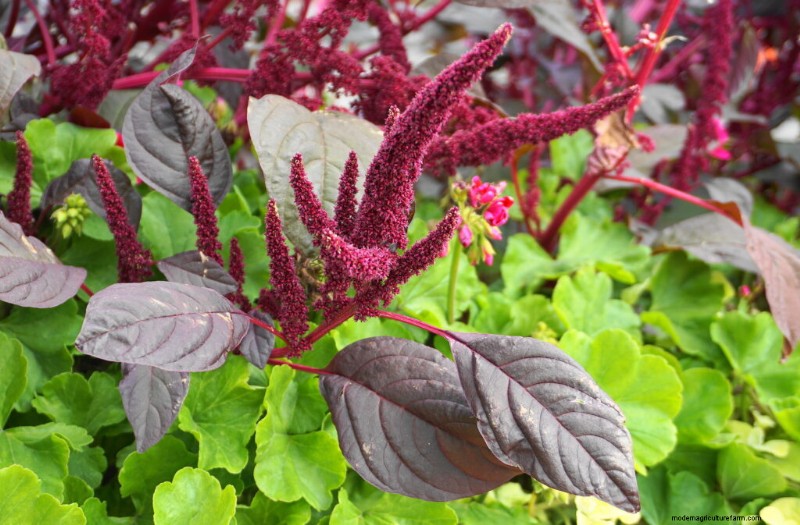 Amaranthus caudatus
 flowers, also known as love-lies-bleeding
Planting and spacing Amaranthus
- Space Amaranthus 18 inches (45cm) apart.
How to water and feed Amaranthus
- Keep the soil evenly moist.
- Side dress plant with aged compost or slow-release all-purpose fertilizer early and at mid-season.
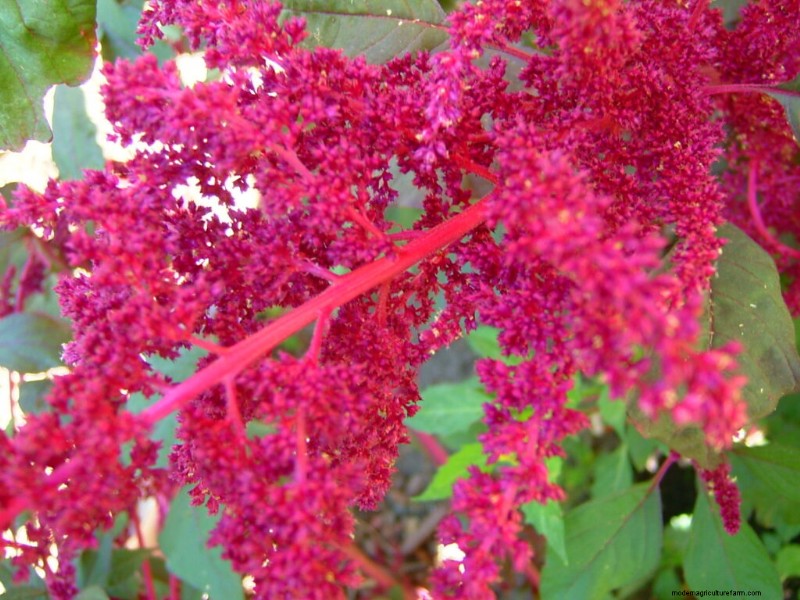
Amaranthus
Amaranthus care
- Mulch around plants to keep soil evenly moist.
- Side-dress plants with aged compost or slow-release fertilizer when flowering starts.
- Stake tall plants.
Amaranthus pests and diseases
- Amaranthus is susceptible to aphids, spider mites, and the aster yellow virus.
Amaranthus propagation
- Sow Amaranthus seed outdoors in full sun or part shade after the soil has warmed in spring.
- Germination usually takes 14 to 21 days.
Amaranthus varieties to grow
- Amaranthus caudatus. Love-Lies-Bleeding. Erect or cascading plant; spikes of green or shades of red tassel flower: 3 to 8 feet tall; red flowers, drooping tassel clusters; produces grain.
- ‘Virdis’ has green flower clusters.
- ‘Pygmy Torch’ has crimson clusters above purplish leaves.
- Amaranthus tricolor ‘Joseph’s Coat’ grows 1 to 4 feet tall; boldly colored foliage green leaf strains are used as a spinach substitute.
Amaranthus frequently asked questions
Q: My amaranthus does not have brightly colored foliage. Why?
A: Amaranthus foliage will lose much of its color if the soil is too rich. Do not fertilize amaranthus in spring. It will be the most colorful when the soil is dry and the temperatures are very warm.
Q: When is the best time to plant amaranthus–love-lie-bleeding?
A: You can start amaranthus indoors 6 to 8 weeks before the last frost for transplanting out into the garden after the last frost. Amaranthus is half-hardy.
Q: What conditions does amaranthus grow best in?
A: Amaranthus will grow in just about any soil. It wants a sheltered position in full sun.
Related Articles:
- 20 Perennials That Bloom for 6 to 8 Weeks
- Shrubs with Showy Flowers Season-by-Season
- Trees in Garden Design
- Growing Annuals for Summer Bloom
- Trees—click here for more articles
- Shrubs—click here for more articles
- Perennials—click here to see more
- Annuals—click here to see more


