
Welcome to Modern Agriculture!

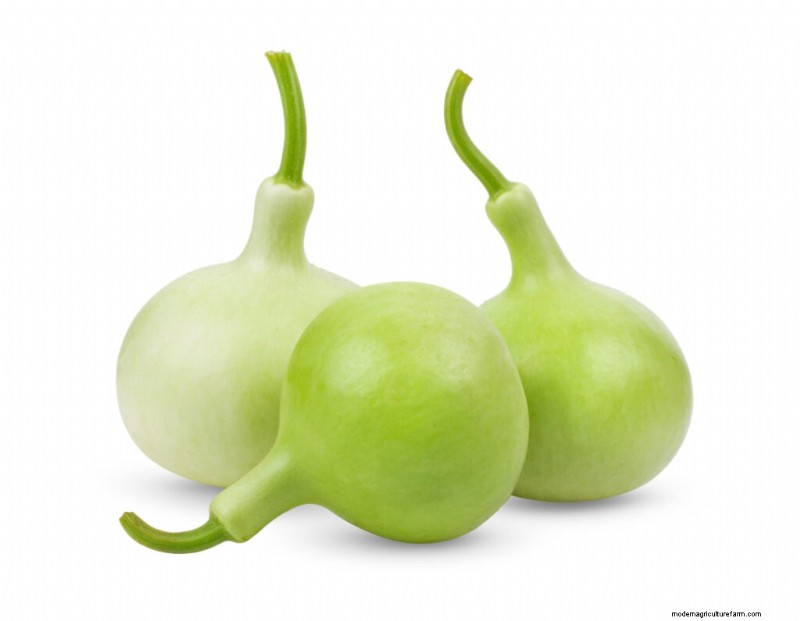
Bottle gourd, also known as calabash, is a popular vegetable known for its long, cylindrical shape and mild flavor. However, getting bottle gourds to produce abundant flowers and fruit can be a bit tricky. In this blog post, we will discuss some tips and techniques to boost bottle gourd flowering and yield. From proper planting techniques to the right fertilizer and watering regimen, we will explore everything you need to know to ensure a huge harvest of this delicious vegetable.
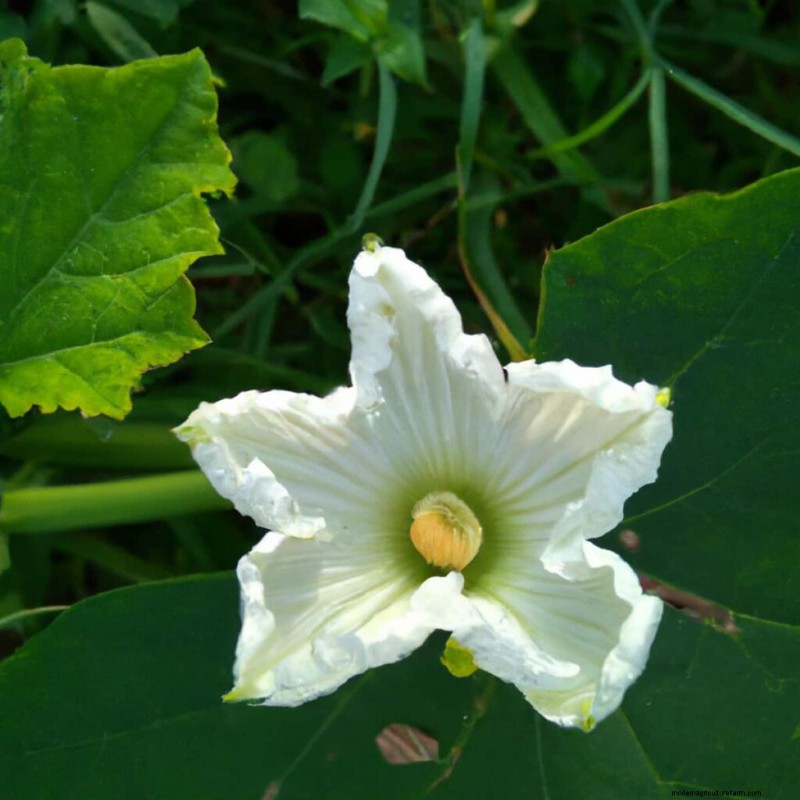
Bottle gourds are warm-season vegetables that thrive in tropical and subtropical climates. The growth cycle typically consists of four stages: seed germination, vegetative growth, flowering, and fruit development. Each stage need specific care and attention to ensure optimal growth and yield.
High-yield varieties are characterized by vigorous growth, disease resistance, and consistent fruit production. Popular high-yield varieties include Dudhi, Lauki, and Bottle Green Long. When choosing a variety, consider factors such as climate, soil type, and available growing space to ensure the best results in your garden.
Bottle gourds prefer well-drained, fertile soil with a pH level between 6.0 and 7.0. Before planting, amend with organic matter like compost or aged manure to improve fertility and moisture retention. Regular soil testing can help determine nutrient deficiencies and guide fertilizer application throughout the growing season.
Bottle gourds require a lot of water, especially during hot weather and fruit development. The best irrigation practices include deep watering to promote root development and reduce water stress. Drip irrigation soaker hoses are ideal for delivering for water directly to the root zone while minimizing water wastage.
Bottle gourds benefit from regular fertilization to support growth and fruit production. Nitrogen, phosphorus, potassium are essential nutrients for healthy plant development. Organic fertilizers with compost, aged manure, and fish emulsion can a slow-release source of nutrients. Controlled-release fertilizers or water-soluble fertilizers can also be used to supplement nutrient deficiencies and promote flowering and fruit sets.
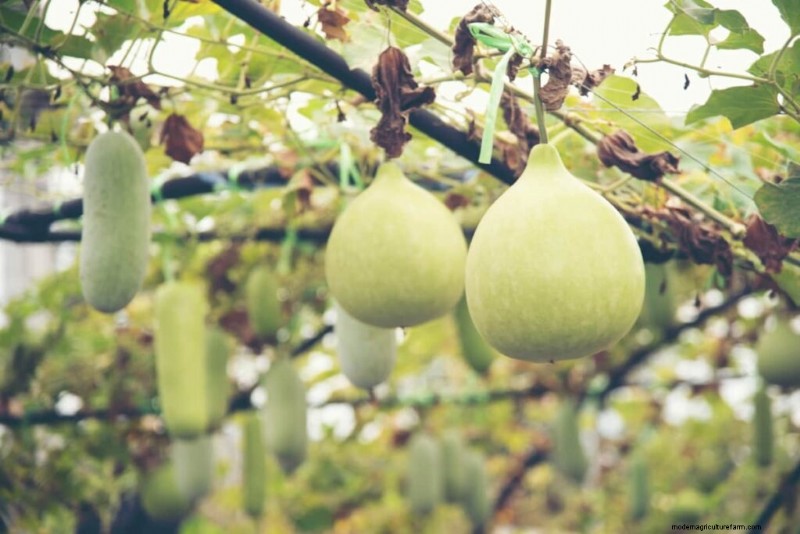
Pruning and training are important techniques to encourage bottle-gourd plants to produce more flowers and fruit. Pinching off lateral shoots and removing excess foliage can redirect the plant’s energy towards flower and fruit development. Training vines to grow vertically on trellises or support systems can increase airflow, sunlight exposure, and pollination efficiency, resulting in higher yields.
Bottle gourd flowers are either male or female, with female flowers requiring pollination to produce fruit. To ensure successful pollination, encourage pollinators such as bees and butterflies to visit your garden. Hand pollination can also be performed by transferring pollen male flowers to female flowers using a small brush or cotton swab.
In case you missed it: How to Encourage Female Flowers in Gourds: Increasing Tips and Techniques
Aphids
Whiteflies
Cucumber Beetles
Powdery Mildew
Downy Mildew
Bacterial Wilt
Growth regulators can be used to optimize flowering and fruit sets in bottle-gourd plants. Gibberellic acid, a plant growth hormone, can induce flowering and improve fruit development. When applied at the right time and concentration, growth regulators can stimulate plant growth, increase flower production, and enhance fruit quality. Essential to follow the manufacturer’s instructions and guidelines when using growth regulators in your garden.
Companion planting involves growing compatible plants together to improve growth, pest resistance, and yield. In the case of bottle gourds, companion plants such as marigolds, nasturtiums, and basil can help repel pests, attract beneficial insects, and provide shade and support for climbing vines. By strategically planting companion plants alongside bottle gourds, create a balanced, diverse ecosystem that promotes plant health and productivity.
Trellising and support systems are essential for managing bottle gourd vines and optimizing sunlight exposure. Growing bottle gourds vertically on trellises or arbors can save garden space, improve air circulation, and reduce disease pressure. Sturdy support structures, such as bamboo poles or wire mesh, can prevent vines from sprawling on the ground and the fruit from rotting. Regular pruning and training can help control vine growth and maximize fruit production.
Mulching and weed control are important practices to maintain soil moisture, suppress weed growth, and reduce competition for nutrients. Organic mulches like straw, grass clippings, or shredded leaves can help retain soil moisture and regulate temperature. Weed control methods, such as hand weeding, mulch barriers, or plastic mulch, can prevent weed infestations and promote healthy plant growth.
In case you missed it: How to Grow Bitter Melon in Greenhouse: Bitter Gourd Farming in Protected Environment
By implementing mulching and weed control techniques, you can create a conducive growing environment for your bottle gourd plants and enhance overall yield. To boost bottle gourd flowering and yield, employ proper cultivation techniques, including timely fertilization, adequate irrigation, and trellising for support. Minimize pest and disease pressure through vigilant monitoring and control measures.


