
Welcome to Modern Agriculture!

After a decade cultivating vegetable farms, I still find the satisfaction of eating fresh, home‑grown fruit unparalleled. The first bite of a sun‑kissed peach or the crisp snap of an autumn apple reminds me why investing in a fruit orchard can be a rewarding hobby—or a thriving business.
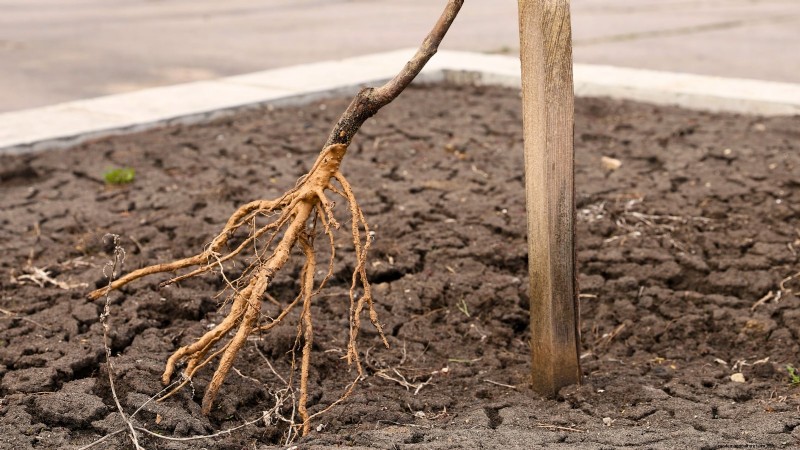
When I began selecting varieties for my own yard, the concept of bare‑root trees immediately caught my eye. These dormant specimens are sold without soil, making them lightweight, affordable, and easy to ship. Because they lack a pot, the root systems are more extensive, which can accelerate early growth and shorten the time to first harvest.
Yet the success of a bare‑root tree hinges on timing: planting them during their “greenhouse” period is essential. In this guide, I’ll explain the basics of bare‑root trees, outline the key factors that dictate the ideal planting window, and provide a zone‑specific calendar to help you get the most out of your investment.
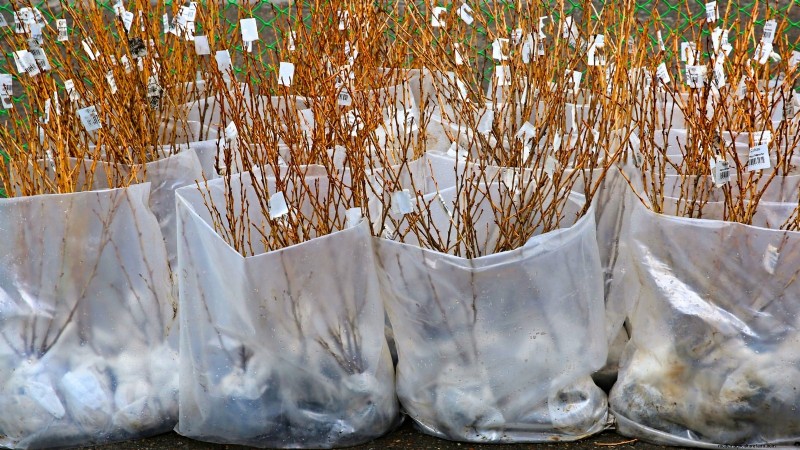
Unlike container-grown saplings, bare‑root trees are sold as dormant, unrooted plants. The absence of a pot allows growers to ship them in dense, cost‑effective packs. Consequently, a bare‑root tree is typically cheaper than a potted counterpart of the same cultivar.
Because the root ball is exposed, you can source varieties from specialty nurseries nationwide—perfect for those seeking rare apple or peach cultivars that aren’t locally available.
Moreover, the lack of a container often means you can acquire taller specimens. A four‑to‑five‑foot tree will reach maturity sooner than a two‑foot one, giving you a fruit‑bearing orchard a year or two earlier.
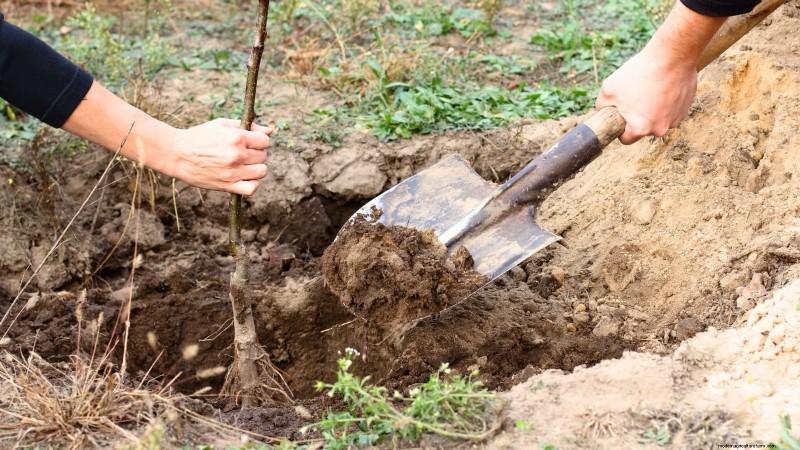
Because bare‑root trees are dormant, they must be protected from temperatures that would trigger premature growth. The goal is to plant them after the last frost in the fall and before the ground freezes in the spring, thereby preserving the tree’s natural “budding” cycle.
Hard freezes make it impossible to dig a proper hole, so the ideal window is between the fall’s last freezing spell and the spring’s first thaw. Planting during this window reduces the risk of cold injury and gives the roots time to re‑establish before the next growing season.
Ultimately, the principle is simple: avoid stress. When you plant at the right time, the tree can settle into its new environment before confronting the next season’s heat or cold.
Fall planting offers the advantage of reduced drought stress and improved root development, but it works best in regions with a long “greenhouse” period—warmth after the last heatwave but before the first freeze. In such climates, aim to plant at least six weeks before the first hard freeze.
In cooler zones, spring planting is more practical. The key is to ensure that the tree is installed early enough that its new roots can establish before the “grow” phase begins with the arrival of long daylight hours.
USDA zones give a snapshot of the coldest winter temperatures in a location, but they also help gauge the length of the growing season and the dates of the first and last frost. Understanding these dates is crucial for timing your bare‑root tree installation.
Note that temperatures can vary within a single zone and from year to year, so it’s essential to consult local frost calendars and monitor real‑time weather forecasts.
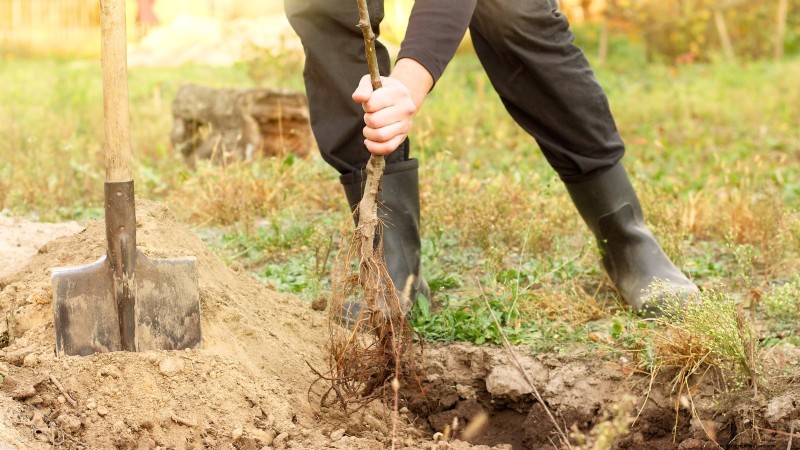
Zone 3 encompasses areas such as Yellowstone National Park, northern Minnesota, and parts of Maine. With hard freezes that can begin as early as late September or early October, fall planting is impractical. Instead, wait until the soil has thawed in spring.
While stone fruits may not survive the extreme cold, many cold‑hardy apple varieties thrive in this zone.
Spring planting dates: March 15 through April 15

Zone 4 includes cities like Duluth, Minnesota, and Lake Placid, New York. These areas experience long, cold winters but also hot summer days. The first frost typically falls between mid‑September and early October, giving a short but viable window for fall planting.
To capitalize on this, plant at least six weeks before the first hard freeze, and follow up with spring planting if needed.
Fall planting dates: October 1 through October 30
Spring planting dates: March 1 through April 1
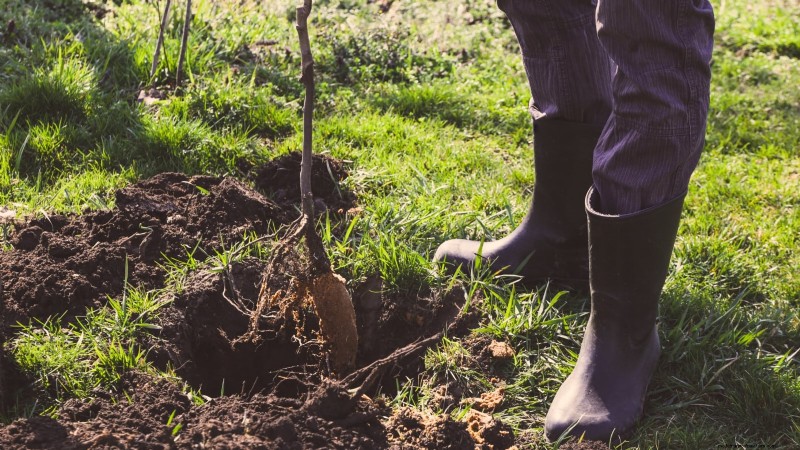
Zones 5 cover parts of the Central Plains and New England. These regions endure harsh, sub‑freezing winters and hard, frozen soil.
For fall planting, choose the earliest dates after the vegetation has gone dormant. Spring planting is equally effective; just be sure to install the tree after the ground has thawed.
Fall planting dates: October 15 through October 30
Spring planting dates: March 1 through April 1
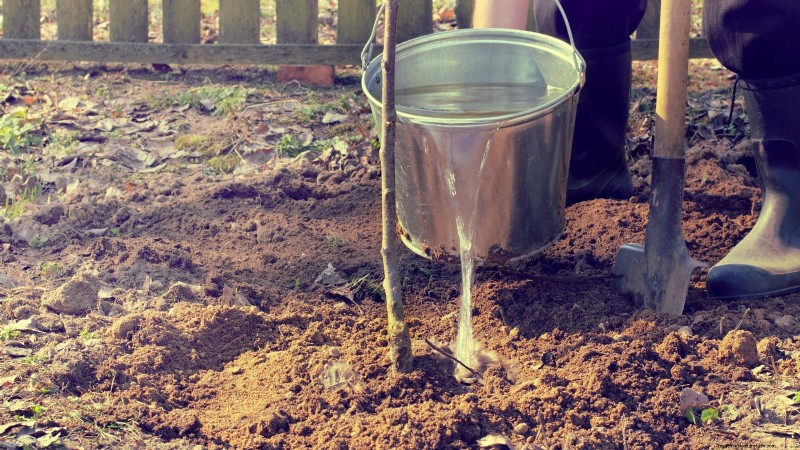
Zone 6 spans areas from Massachusetts to Michigan to Nevada, featuring below‑freezing winter temperatures and summer highs above 90°F (32°C). This climate supports a wide range of fruit trees, including apples, peaches, plums, and figs.
Fall planting is optimal in November, when the foliage has gone dormant but the ground remains unfrozen. Spring planting should occur as soon as the soil thaws.
Fall planting dates: November 1 through November 30
Spring planting dates: February 15 through March 15
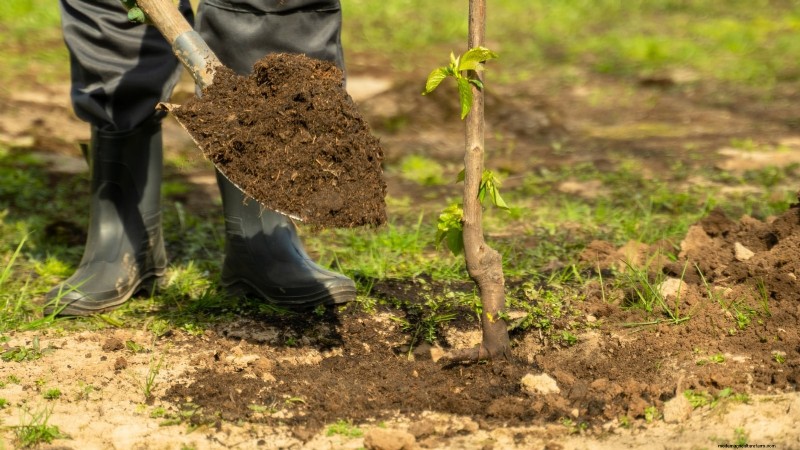
Zone 7 covers parts of the Mid‑Atlantic, Central Plains, and Pacific Northwest. Winter lows can approach 0°F (-18°C), yet the region enjoys long, hot summers.
In the fall, you have an extended window—mid‑November is often ideal. Spring planting should commence once the soil has softened and the tree is ready to settle.
Fall planting dates: November 1 through December 15
Spring planting dates: February 15 through March 15
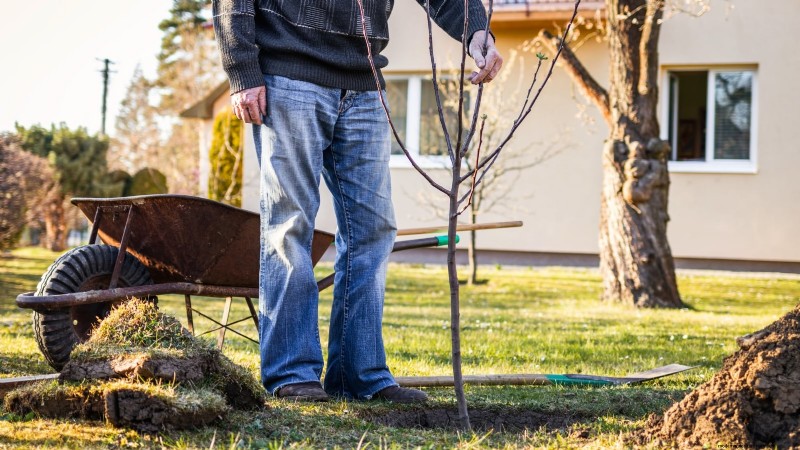
Zone 8 encompasses much of the southeastern U.S. and parts of the Coastal West. Winter lows range from 10–20°F (-12 to -7°C), and the soil rarely freezes. This means you can plant bare‑root trees throughout most of the winter.
Both spring and fall planting are viable. If you receive your tree in February or March, spring planting works; otherwise, fall planting offers better moisture conservation and more time for root establishment.
Fall planting dates: November 15 through December 30
Spring planting dates: February 1 through March 1
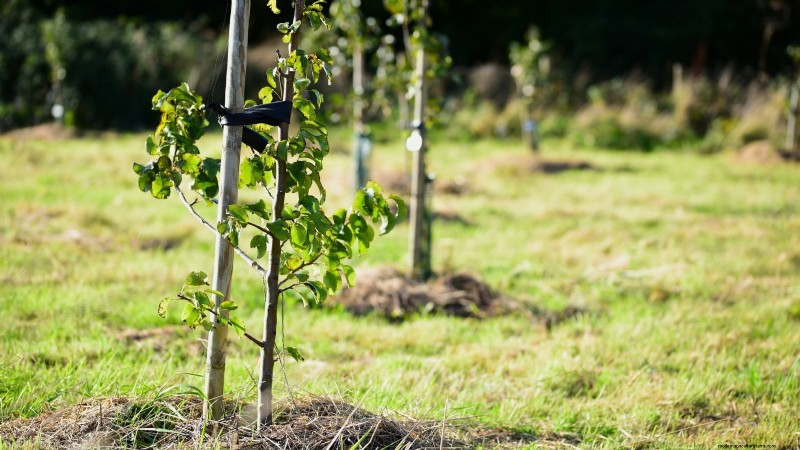
Zone 9 spans the Deep South, Pacific Northwest, and Southeast. It supports a full spectrum of fruit trees, from apples to figs, provided the area meets the required chill hours.
In this zone, you can plant from late fall through early spring. For optimal results, aim for the fall or late winter, ensuring the tree has enough time to acclimate before the next growth cycle.
When purchasing, verify the nursery’s shipping schedule. Nurseries located in colder climates often wait until April or May to ship, so choose one that dispatches earlier if you need a fall planting.
Fall planting dates: November 15 through December 30
Spring planting dates: January 15 through March 1


