
Welcome to Modern Agriculture!

Edible
If you’re new to mushroom cultivation, choosing the right method can feel daunting. Horticulture specialist Matt Dursum walks you through the three primary options—fruiting blocks, sawdust spawn, and outdoor logs—highlighting their advantages, limitations, and ideal use cases.

Written by Matt Dursum
Horticulture review by Sarah Jay
Last updated: January 22, 2025 | 3 min read
There are dozens of common edible mushrooms that can be cultivated at home, from pink oyster to shiitake. Growing them not only saves money and grocery trips, but also gives you full control over what you eat.
Contrary to popular belief, mushroom cultivation is surprisingly approachable. All you need is a healthy spawn and a suitable substrate. The substrate—whether spent grain, sawdust, or wood—provides the nutrients the mycelium needs to produce fruiting bodies.
While tools like spray bottles, containers, and thermometers are helpful, selecting the correct substrate is critical. Each species has preferred conditions; choosing the wrong one can drastically reduce your yield.
Below, we compare the main growing methods and their substrates so you can decide which approach best fits your goals.
Pink Oyster Mushroom
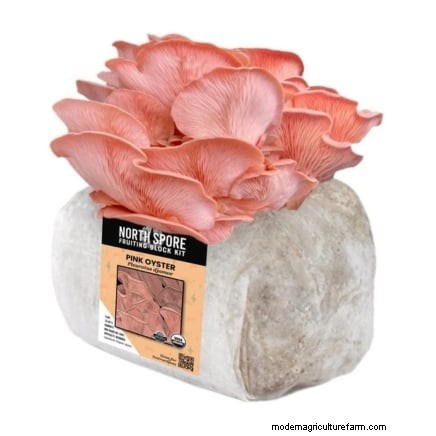
Organic Pink Oyster Mushroom Grow Kit Fruiting Block
Blue Oyster Mushroom
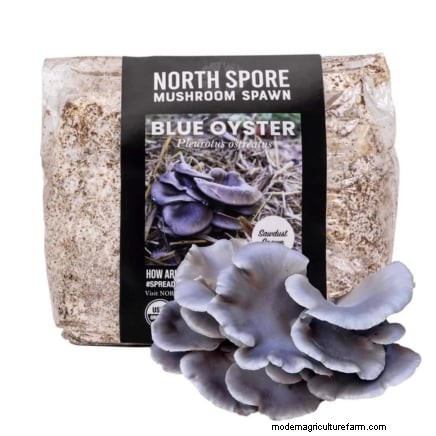
Organic Blue Oyster Mushroom Sawdust Spawn
Shiitake Mushroom
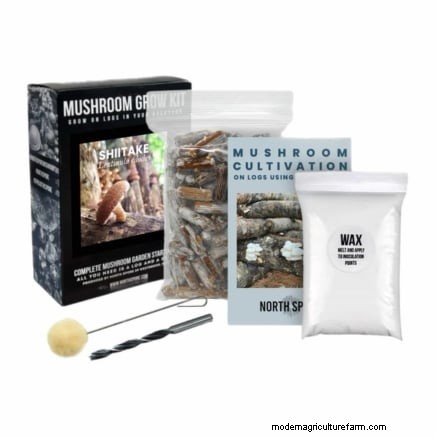
Organic Shiitake Mushroom Outdoor Log Kit
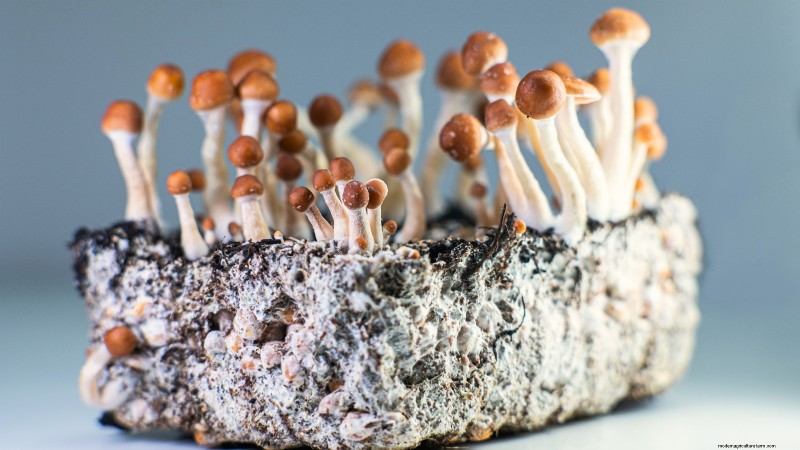
Fruiting blocks are among the simplest ways to grow mushrooms indoors. These ready‑to‑use kits let you harvest directly from your kitchen counter, eliminating the need to transfer spawn to logs or containers.
Each block comes pre‑mixed with a sterilized substrate—often a blend of spent grain, sawdust, or other organic materials—and inoculated with healthy spawn. Follow the included instructions, maintain the proper temperature and humidity, and the mycelium will colonize the block before producing fruiting bodies.
• Wide species selection: From pink oyster and lion’s mane to shiitake, blocks support a variety of popular edible types.
• Low setup effort: No special equipment required—just open the kit and place it in a suitable environment.
• Indoor versatility: Grow year‑round, regardless of external weather, as long as you can control light, temperature, and humidity.
• Diversity potential: Ideal for hobbyists wanting a colorful indoor mushroom collection.
• Higher upfront cost: Blocks are generally pricier than bulk substrates, and a single block yields a limited number of harvests.
• Finite life span: After a few flushes, the block’s productivity declines, requiring replacement to sustain production.
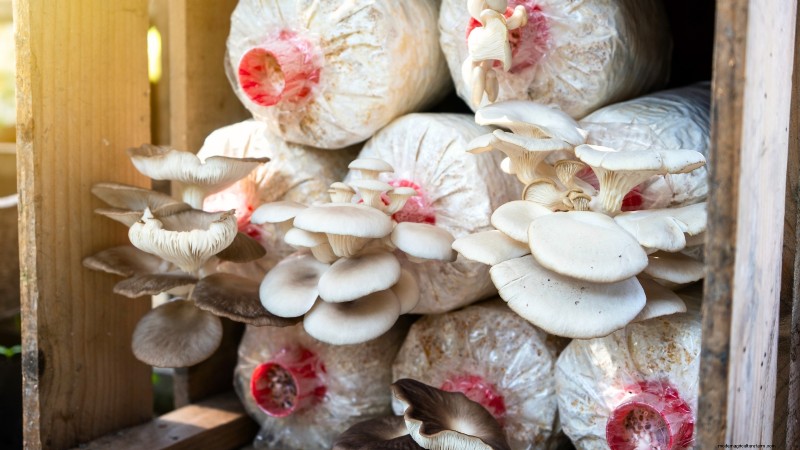
Sawdust spawn consists of moist hardwood sawdust inoculated with mycelium. Once the mycelium fully colonizes the sawdust, you can transfer the inoculated material into containers, logs, or outdoor beds for fruiting.
Species such as blue oyster thrive on sawdust, and after inoculation you can move them to their final growth site to enjoy plentiful harvests.
• Mobility: Easily moved between containers, logs, or outdoor beds.
• Cost‑effective: A single batch of sawdust spawn can support multiple harvest cycles.
• Experimental freedom: Use different growing conditions or co‑culture multiple species.
• Outdoor lawn application: Combine sawdust with wood chips to cultivate wine caps or other species directly in garden beds.
• Higher skill requirement: Requires knowledge of sterilization, moisture control, and species compatibility.
• Moisture sensitivity: Sawdust dries faster than other substrates; consistent moisture is essential.
• Contamination risk: Outdoor use exposes spawn to environmental microbes, increasing contamination chances.
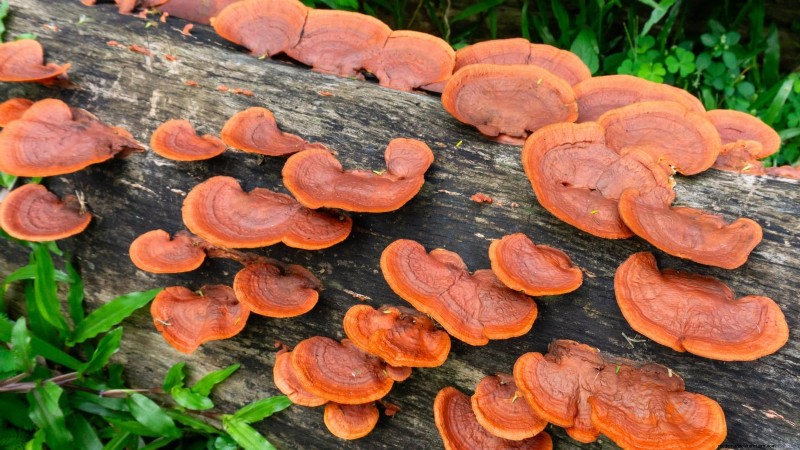
Inoculating hardwood logs with plug spawn is a classic, low‑maintenance method that yields mushrooms for years. Drill holes in a log, insert plug spawn, seal, and wait for mycelium to colonize.
When ready, you’ll harvest mushrooms directly from the log. Popular species include shiitake, which thrives on oak, maple, or beech.
Choose hardwoods that match your spawn’s guidelines: sugar maple, oak, American beech, birch, ironwood, and hop hornbeam are common choices.
• Long‑term yield: A single log can produce fruit for several seasons.
• Low ongoing costs: After initial inoculation, no additional supplies are needed.
• Scalable: Grow multiple species on separate log piles.
• Natural setting: Ideal for gardeners wanting a sustainable, low‑profile mushroom source.
• Labor‑intensive prep: Requires drilling many holes and handling the inoculation process.
• Seasonal window: Fruiting is limited to specific times of the year.
• Fast harvest turnover: Once fruiting bodies appear, they must be harvested quickly to avoid spoilage.
• Species‑specific wood: Not all logs are suitable; follow spawn instructions closely.
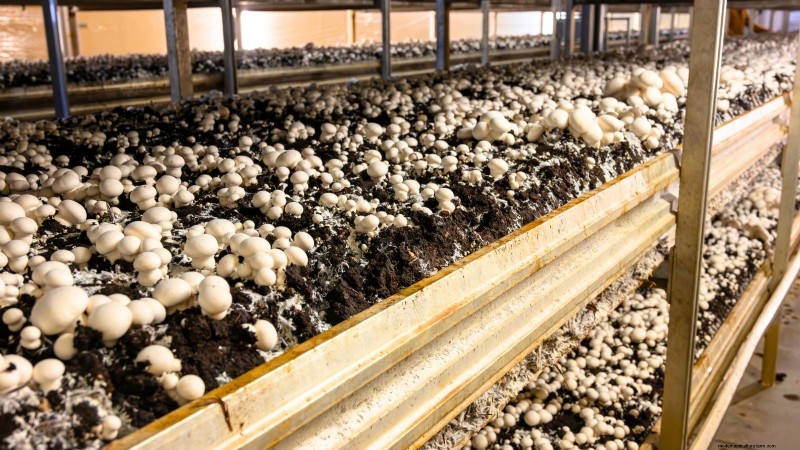
Professional growers often use larger‑scale techniques such as mushroom compost, which blends wheat straw, moisture, and inoculated mycelium to produce massive yields for supermarkets. While powerful, these systems require more equipment, expertise, and sanitation controls.
Foraging remains a traditional method, but it demands extensive knowledge to avoid toxic look‑alikes and is time‑consuming. It’s best reserved for experienced enthusiasts.
Home cultivation has never been easier. With just a click, you can order high‑quality fruiting blocks, sawdust spawn, or log inoculum and start harvesting within weeks.
Experimenting with all three methods can reveal which yields the best balance of convenience, cost, and diversity for your space and schedule.
Ultimately, the best approach depends on your goals—whether you want a quick indoor crop, a long‑term outdoor supply, or a mix of both.


