
Welcome to Modern Agriculture!

Fungus gnats are an annoyance for anyone who maintains houseplants indoors because they buzz around plants in containers and can cause damage to their health. In the moist soil of houseplants, these tiny black flies lay eggs that grow into larvae that damage plant roots. If not controlled, they may cause wilting, yellowing leaves, or stunted growth, even if not harmful to humans.
The use of harmful chemicals is no longer necessary to eradicate gnats from houseplants when you utilize organic and natural remedies. This detailed article focuses on the adult, larval, and egg stages of the plant gnat problem and offers fifteen practical ways to swiftly eradicate these pests from houseplants.
From commercially available fungus gnat assassins for houseplants to more DIY methods of organic pest control, all of these options are safe for the environment and will get the job done quickly. With the information in this concise and helpful guide, you can keep your indoor garden safe. Whether you’re seeking a short-term solution or long-term prevention for fungus gnats in potted plants, these approaches will ensure the success of your houseplants. What are we waiting for? Let’s get rid of fungus gnats in indoor houseplants with effective organic and natural solutions for rapid elimination.
The first step in naturally getting rid of fungus gnats from your houseplants is to identify them. The soil of houseplants is often visited by these little, black flies. These flies, measuring just over an eighth of an inch in length, have transparent wings and fragile legs.
The damp potting mix is their target, in contrast to fruit flies. The larvae, which are white with black heads, feed on fungi and roots in the upper soil. For the purpose of identifying fungus gnat infestations in houseplants, watch for swarming adults whenever you water or disturb pots.
When looking for fungus gnat eggs in houseplants, a magnifying glass might help you see the tiny, see-through eggs in the dirt. Accurate identification is crucial for preventing the spread of fungus gnats among houseplants and for saving time and effort on pests that aren’t actually pests.
Sticky traps can be a useful tool for keeping tabs on fungus gnats in indoor plants, as recommended by do-it-yourself organic pest control methods. Make sure you’re using the best organic pest control for fungus gnats in houseplants to swiftly rid your potted plants of these pests while keeping them healthy using this strategy.
If you want to get rid of gnats from potted plants quickly, quarantine new or outside houseplants to prevent fungus gnat infections in your indoor plants. To steal from nursery plants, gnats will often burrow underground and pose as eggs or larvae.
To protect houseplants against fungus gnats, it is best to keep newly potted plants in a separate room during the first 17 days of their lives. If you want to keep fungus gnats from spreading to your houseplants, you should look for adults and larvae.
To prevent gnats from laying eggs, water minimally and use sticky traps to catch them when they emerge. When isolating potted plants to eradicate gnats, make sure to keep the quarantine area separate from other houseplants, as these pests can only fly short distances.
Inspecting pots thoroughly is one of the most crucial parts of DIY organic pest control for fungus gnats in indoor plants. This protocol follows the best organic pest control for fungus gnats in houseplants, so you can protect your collection and keep your plants healthy.
To get rid of gnats in houseplants, change how you water them to make the soil less conducive to their growth. In damp soil, fungus gnat larvae feed and lay their eggs.
To get rid of fungus gnats from houseplants, you need to water them properly, but be sure to let the top inch or two of soil dry up in between. With the help of watering cans, most houseplants can survive these conditions and even kill the larvae and eggs.
As part of your do-it-yourself organic pest control for fungus gnats in houseplants, a moisture meter can help you avoid drowning your plants by letting you know when it’s time to water. By promoting soil drying, this method disrupts houseplant life cycles and kills gnat larvae.
Use containers with drainage holes and remove any saucers to prevent indoor plants from receiving too much water or gnats. These procedures are an essential part of the best organic pest control for fungus gnats in houseplants, ensuring easy ways to get rid of gnats in potted plants and helping you eliminate them quickly.
Yellow sticky traps are the most effective solution for quickly eliminating fungus gnats from houseplants in containers. These traps attract gnats with their bright colors and glue them to sticky surfaces.
To reduce the populations of adult gnats, place traps near the soil of potted plants, whether they are staked or not. This practice allows for the organic assessment of infestation levels by monitoring gnat populations in houseplants.
Replace organic gnat traps for houseplants every few days or when they fill up, as gnats reproduce quickly. To keep fungus gnats in houseplants under control, use these do-it-yourself organic pest control instructions: Place traps away from leaves.
This method provides a non-toxic gnat killer for indoor plants and is also the best organic pest control for fungus gnats in houseplants. Regular checks ensure strategies for swiftly eradicating gnats from houseplants, preventing gnats from laying eggs, and helping you eradicate gnats from my potted plants.
If you want to get rid of plant gnats from your potted plants fast, you can use hydrogen peroxide, which is a powerful fungal gnat killer. Mix one part 3% hydrogen peroxide with four parts water to make a safe soil drench.
For potted plants, evenly distribute the organic hydrogen peroxide treatment over the soil until it reaches saturation, specifically targeting larvae and eggs. Because hydrogen peroxide fizzes, it safely gets rid of pests like gnat larvae in houseplants, which aids in their natural elimination.
To get rid of gnats on houseplants, use hydrogen peroxide weekly for four weeks. You should expect to see effects in a few days and complete control in a few weeks when you use hydrogen peroxide to eliminate fungus gnats from potted plants.
In keeping with organic pest management methods for houseplants that you can do yourself, this decomposes into water and oxygen. Find easy ways to get rid of fungus gnats in my houseplants by monitoring their health for the best organic pest control.
While attempting an organic method of gnat management in houseplants, mosquito bites inoculated with Bacillus thuringiensis israelensis (Bti) produce a fungus that kills gnats. Add bits to the soil around plants in pots or mix them with the soil itself.
After treatment, water releases Bti, which indoor plant larvae feed on and eventually destroy. Therefore, we should use Bti to eradicate gnats. This effectively addresses the core issue of eliminating gnat larvae in the soil of houseplants.
Every 10–14 days for a month, spray your potted plants with mosquito bits. To use Bti safely on houseplants, be sure to read and follow the advice on the container.
In keeping with the best organic pest treatment for fungus gnats in houseplants, this procedure is completely safe for humans and plants alike. To encourage organic pest control methods for fungus gnats in houseplants, it’s a beneficial idea to monitor sticky traps to make sure that mosquito bites are successfully removed from plants in containers. Here are surefire ways to get rid of plant gnats from houseplants in no time.
To eradicate the gnats from my houseplants, I concocted a homemade remedy using apple cider vinegar and fungus gnats. Mix one inch of vinegar with a teaspoon of sugar and a few drops of dish soap in a container. Use heavy-duty plastic wrap to cover.
If you’re concerned about fungus gnats eating your houseplants, you’ll be pleased to know that vinegar is the best do-it-yourself pesticide for houseplants because it both attracts and traps the pests. Setting up traps near houseplants will promote the natural capture of adult gnats.
If you’re using vinegar to kill gnats on houseplants, you should refresh the solution every few days. Make effective DIY gnat traps for houseplants by using multiple traps in cases of heavy infestation.
In keeping with do-it-yourself organic pest control methods for fungus gnats in houseplants, the product is a non-toxic gnat killer. Please keep a watch on the traps to ensure that there are easy ways to get rid of gnats from my houseplants, reduce the population of adults, and remove them quickly.
To swiftly eliminate plant gnats in houseplants, I sprinkle ½ inch of horticultural sand on top of the soil if I am seeking an effortless solution for this problem. The absence of organic elements in sand makes it a fast-drying substrate, which is ideal for gnat nesting.
Sand should be evenly spread to completely cover the soil of potted plants and prevent gnats from laying eggs on houseplants. Because of this, gnats will no longer be able to lay their eggs in houseplants, preventing the larvae from hatching.
Use water from the base to keep the sand barriers in place while removing gnats from potted plants. To keep fungus gnats in houseplants at bay, reapply as needed, following the guidelines for organic pest control that you may find online.
The best organic method for controlling fungus gnats in houseplants is to employ this strategy, which involves creating a physical barrier. Be on the lookout for adult gnats if you want to use sand to successfully remove them from houseplants. Using this information, you can swiftly discover ways to eliminate plant gnats from your indoor plants.
As an organic pesticide, use food-grade diatomaceous earth (DE) to kill fungus gnats that infest houseplants. The sharp edges of DE dehydrate the larvae and adults; apply a thin layer to the dry soil of potted plants.
When using DE to rid indoor plants of gnats, make sure the soil is dry. Wet soil reduces DE’s effectiveness. The study suggests using diatomaceous earth to kill gnat larvae in houseplants as a means of controlling soil pests.
Potted plants need to have DE reapplied to the soil after each watering for optimal protection. Use DE cautiously to acquire a non-toxic treatment for gnats in indoor plants without harming beneficial insects.
This method is in keeping with the best practices for organic pest control and offers a chemical-free solution for fungus gnats in houseplants. To encourage organic pest control methods for fungus gnats in houseplants, it is recommended to monitor plant health closely and promptly remove the pests using diatomaceous earth in potted plants. This information assures me that there are easy and fast ways to rid my houseplants of plant gnats.
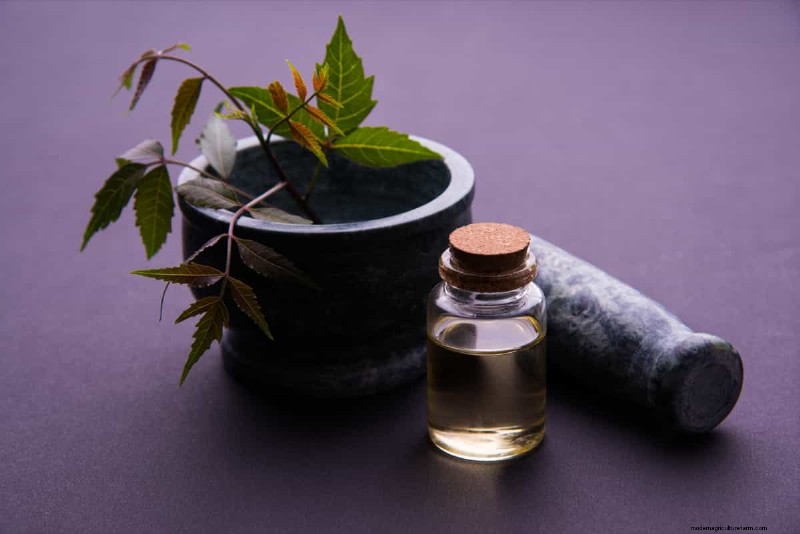
When you need a quick solution to rid your potted plants of fungus gnats, try using neem oil, which is a fungus gnat killer for indoor plants. A solution of 1-2 tablespoons of diluted neem oil per quart of water can be used as a soil drench for plants in containers.
To promote the use of neem oil to eliminate gnats from houseplants, pour it uniformly so it reaches larvae and disrupts their development. When applied to houseplants, neem oil destroys gnat larvae and stops them from reproducing.
When caring for plants in containers, spray neem oil seven to ten days apart for a month. If you want to get a safe neem oil treatment for gnats on indoor plants without stressing them, try it out on a small area first.
This is in keeping with the most effective organic pest control for fungus gnats in houseplants and will keep your property secure. If you’re interested in fungus gnats and want to do it yourself organically, one strategy is to use neem oil on potted plants and sticky traps to quickly remove the pests. Here are surefire ways to get rid of plant gnats from houseplants in no time.
In my weekly efforts to rid my potted plants of gnats, I aerate the soil to speed drying and disrupt gnat habitats. To encourage air circulation when planting in containers, gently stir the top few inches of soil with a chopstick.
Aerating soil helps get rid of gnats on houseplants and makes it less desirable for them to lay eggs by breaking up compacted dirt without harming the roots. By drying the soil, which is lethal to gnat larvae, we can remove them from houseplants.
To rid potted plants of plant gnats, use aeration and reduce watering. For better evaporation and natural soil aeration, which helps control gnats in houseplants, aerate the soil before watering.
This approach aligns with the optimal organic pest treatment for fungus gnats in houseplants, as it avoids the use of chemicals. To encourage organic pest control methods for fungus gnats in houseplants that you can perform yourself, monitor soil moisture levels to ensure that aeration in potted plants expedites gnat elimination. This information assures me that there are simple and fast ways to rid my houseplants of plant gnats.
If you want to get rid of plant gnats in potted plants quickly, remove any dead leaves, blooms, or stems from the soil and houseplants. This procedure will remove gnat attractants. Gnats feed their larvae on organic matter that has decomposed.
To lessen the likelihood of gnat infestations in houseplants, check on potted plants every week and promptly dispose of any waste. This step works wonders in reducing gnat attractiveness in houseplants, which is a major breeding habitat for these pests.
To remove potted plants of organic matter and gnats, search for material that retains moisture in saucers. To prevent mold and gnats, wipe off the leaves with a damp towel and keep houseplants clean.
That way, your home will be safe from fungus gnats and in accordance with the most effective organic pest control for houseplants. To clean indoor plants and ensure rapid gnat eradication, frequent inspections are a great way to do your organic pest control for fungus gnats. This practice ensures not just techniques but also methods for swiftly eradicating plant gnats from houseplants.
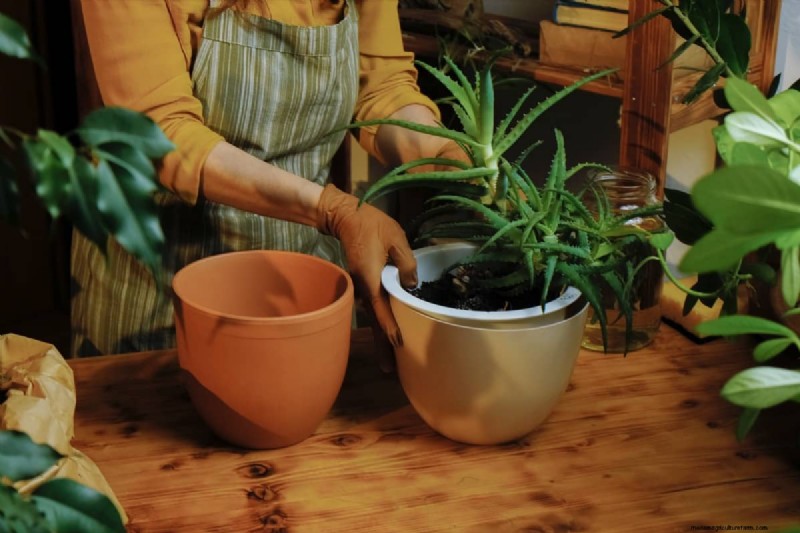
For a more natural approach to gnat control, you can repot sick plants into sterile potting mix. This procedure will kill off any eggs or larvae that may have laid their eggs in the soil. Combine perlite with a pasteurized mixture for drainage.
To get rid of gnats in houseplants, take the plant out, shake off excess dirt, and clean the roots. Then, use sterile soil. This procedure will remove any gnat eggs from the soil before repotting houseplants.
To eliminate gnats, boil containers with hot water before placing potted plants back into them. To achieve organic gnat control, top-dress indoor plants with sand after repotting.
This procedure is in keeping with the best practices for organic pest control of fungus gnats in houseplants and prevents pest harboring. If you’re interested in organic pest control for fungus gnats in houseplants, one strategy is to be vigilant for these pests and swiftly remove them from potted plants using sterile soil. Essential for the well-being of houseplants, this procedure ensures simple and fast ways to eradicate plant gnats from my indoor plants.
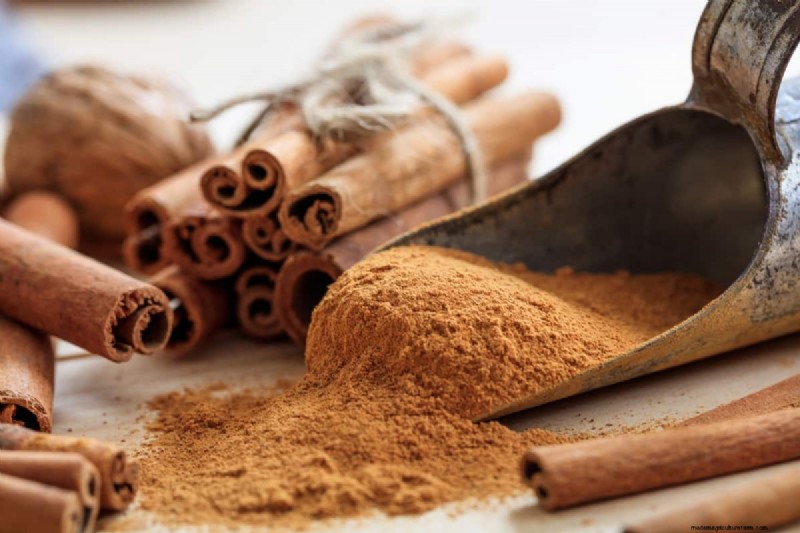
To swiftly clear potted plants of plant gnats, utilize methods for removing them from indoor plants, such as cinnamon, which is a fungal gnat killer for houseplants. Sprinkle a small amount of ground cinnamon over the soil of plants in containers; it has antifungal properties and kills larval-feeding fungus.
When trying to get rid of gnats, be careful not to smother houseplant roots by applying cinnamon evenly. This encourages the use of cinnamon to naturally starve gnat larvae in houseplants.
If gnats continue to be an issue, you can manage them by applying cinnamon to potted plants every 10 to 14 days. To keep soil from compacting and to safely treat houseplants for gnats, use cinnamon sparingly.
The best organic pest treatment for fungus gnats in houseplants is in accordance with this method, which offers a non-toxic alternative. Keep a watch on sticky traps to ensure speedy gnat removal with cinnamon in potted plants. These tips will help with do-it-yourself organic pest control for fungus gnats in indoor plants. The information assures me that there are simple and fast ways to rid my houseplants of plant gnats.
If you’re seeking a solution that swiftly eliminates fungus gnats in houseplants, beneficial nematodes are a wonderful option. Steinernema feltiae and similar tiny worms kill larvae by releasing germs.
When using nematodes to rid potted plants of gnats, apply them to the soil and mix them with water according to the directions. By employing nematodes, the procedure efficiently eliminates gnat larvae from indoor plants.
To ensure that the nematodes take effect, it is best to keep the soil damp for a few days prior to adding them to the soil of potted plants. To safely treat houseplant gnats, follow the dose instructions for nematodes. This strategy will ensure that neither humans nor plants are harmed.
This approach is in keeping with the best organic pest control for fungus gnats in houseplants and increases soil health. If you’re interested in fungus gnats and want to do it yourself organically, one strategy is to use nematodes to quickly eliminate the pests from potted plants by keeping a watch on sticky traps. Here are surefire ways to get rid of plant gnats from houseplants in no time.
Treating fungus gnats on houseplants doesn’t have to be a burdensome task. Natural and organic methods can effectively control and prevent these pesky pests without the use of harsh chemicals. Safe, eco-friendly, and highly effective are these methods, which vary from adjusting your watering schedule and using beneficial nematodes to embracing do-it-yourself alternatives like traps made of apple cider vinegar. Maintaining a clean, dry environment for your plants and promptly addressing any issues will go a long way toward preventing fungus gnats, so consistency is key. Following these steps will help you provide your houseplants with a healthy, pest-free environment. Say goodbye to fungus gnats and welcome back the beauty of your vibrant, delicious plants!


