Welcome to Modern Agriculture!

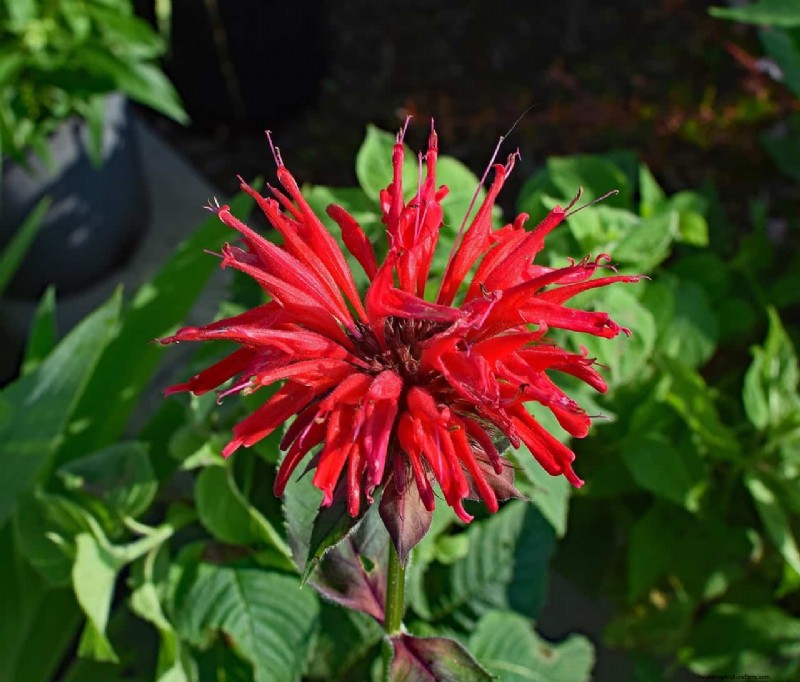
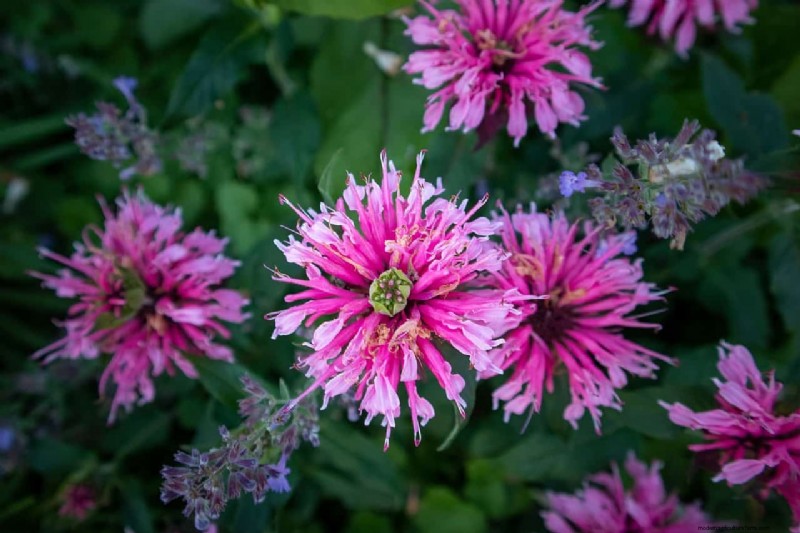
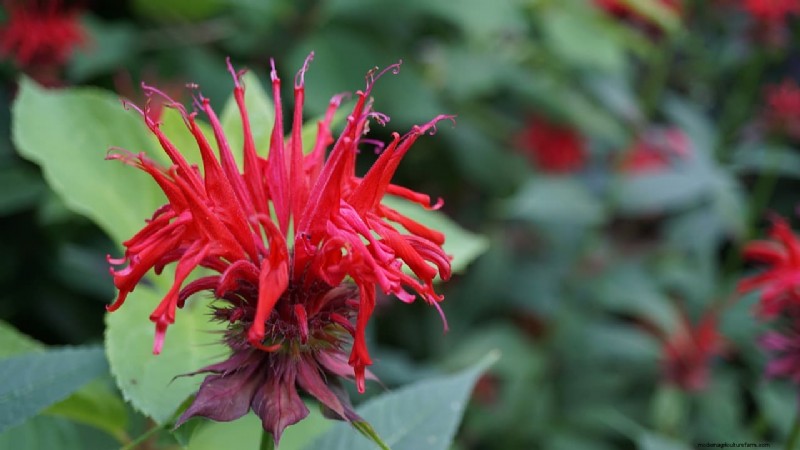
Beautiful and fragrant, monarda (bee balm) attracts bees and other pollinators with its tubular blooms and minty aroma. Hummingbirds, bees, and butterflies all love it, so it’s a must-have in herb gardens, ornamental landscapes, and pollinator gardens. Careful planning is required before planting bee balm companion plants to avoid pairings that harm the plant’s growth or health.
While some plants enhance its ecological function, others compete for resources or even raise the danger of illnesses like powdery mildew. This book explains in detail why it’s not a good idea to grow near bee balm and what you can do instead to keep your garden ecosystem healthy.
This article will teach you what not to plant next to bee balm and how to prevent common problems, whether you’re dealing with aggressive feeders or spreaders. This comprehensive guide will help gardeners of all skill levels maximize bee balm’s medicinal and aesthetic benefits, resulting in a balanced, pollinator-friendly garden that thrives year after year. What are we waiting for? Let’s find out what to avoid planting next to bee balm.
Since bee balm and mint are both mint family members with strong rhizome-based spreading habits, it is best to keep them apart when planting. Because of its rapid growth, mint has the potential to smother bee balm, cutting off its access to water, nutrients, and sunshine while also dulling the color of its blooms and roots.
This overcrowding does more than only trap moisture; it also raises the risk of powdery mildew and other conflicts among the bee balm mint family in damp areas. If you want your bee balm garden to thrive, give it plenty of room to develop naturally by planting it among other, less invasive plants, such as echinacea.
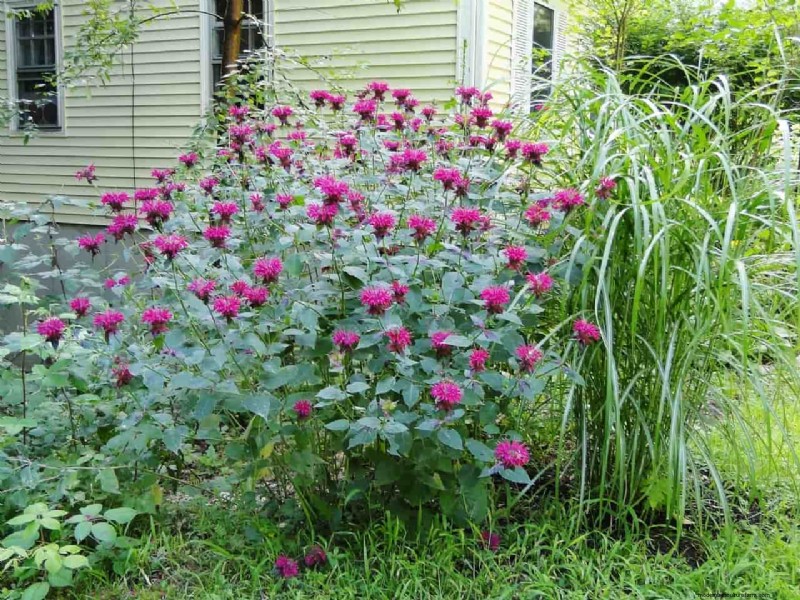
To control its spread and make better use of space in a garden with bee balm, grow mint in containers or individual beds. For optimal air circulation and disease prevention, position bee balm plants 18 to 24 inches apart. Divide bee balms often and watch for invasive plants to keep the garden in check.
By keeping mint at a distance, you can ensure that bee balm thrives as a magnet for pollinators, offering bright blossoms and ecological benefits without interference.
Tomatoes are heavy feeders that deplete soil minerals, particularly nitrogen; therefore, it’s best to avoid planting them when dealing with mistakes in companion planting with bee balm. While dealing with the nutritional competition between bee balm and tomatoes, it is crucial to keep in mind that tomatoes can starve bee balm, leading to fewer flowers and slower development.
Light feeders like basil and bee balm are excellent companions for nutrient management because they both supply bee balm’s nutritional needs without draining the soil. Tomatoes’ dense foliage not only blocks light, but it also stresses bee balm and prevents it from getting enough sunshine—leaving it susceptible to pests like aphids.
If you want your bee balm garden to thrive, it’s important to mix the beds with compost and monitor the nutrient levels on a seasonal basis. If tomatoes distract bees, it could reduce the ecological significance of bee balm.
Beans are a wonderful example of a companion plant that aids pollinators without competing with bee balm. Maintaining soil fertility requires regular soil testing and the application of appropriate fertilizer. If you keep tomatoes out of your garden, you’ll have more room for bee balm, which attracts pollinators with its bright flowers.
If you’re planning a bee balm garden, you should steer clear of roses. Roses are prone to fungal diseases like powdery mildew, which can severely impact bee balm plants. Bee balm can be infected with mildew spores from roses that have already been damaged, which can lead to stunted growth and unsightly leaves on the affected plant.
Increasing pollinator activity without introducing illness is possible by planting bee balm with resistant partners, such as salvia. Properly spacing companion plants that are resistant to disease, like bee balm, will increase air circulation, which in turn reduces humidity around the leaves.
In addition to increasing fungal resistance to bee balm partners, dense rose growth can further impede airflow. Trim plants closely together, and space bee balm 18–24 inches apart to maintain airflow.
Monitor for mildew and promptly remove any affected leaves. By separating bee balm from roses, you can keep your garden pest-free and ensure that bee balm may flourish as a focal point for pollinators.
If you’re concerned about pests when planting bee balm, you should avoid cucumbers. Cucumbers attract aphids and other cucumber pests. Bee balm is susceptible to stress and leaf damage from these pests because they can invade the plant.
To ensure effective pest management in a bee balm garden, plant pest-repellent plants alongside bee balm. One such plant is marigold, which attracts pollinators but also repels insects. Root rot is more likely to occur in a bee balm garden when cucumbers are present due to their high water requirements and the damp conditions they create.
To lessen the movement of pests, grow pest-resistant plants with companions like garlic or bee balm. When dealing with pests in bee balm gardens, using organic solutions like neem oil and spacing plants can help prevent their spread.
Bee balm requires acidic, well-drained soil and is intolerant of cucumbers. Regularly monitor for pests and ensure adequate drainage. If you want bee balm to stay a dominating, pollinator-friendly star in your garden, avoiding cucumbers is a beneficial first step.
Sunflowers can be a problem for bee balm and sunflower resource depletion due to their heavy grazing; therefore, it’s best to keep them apart if you want your companion planting efforts to be fruitful. Sunflowers’ extensive root systems and nitrogen needs can deplete bee balm, reducing the plant’s vitality and flower production.
Plant coneflowers next to bee balm for nutrient sharing since they are low-maintenance perennials that share growth conditions without diminishing resources. Tall sunflowers’ shadow affects bee balm plants, reducing their exposure to sunshine and increasing the risk of mildew.
Mulch and compost are excellent soil conditioners, and they will keep your bee balm garden soil healthy by retaining moisture. To protect bee balm from sunflower shade, monitor light exposure and divide plants every few years for optimal health.
Add additional soil nutrients as needed after testing them regularly. If you want your bee balm to thrive in a balanced garden, it’s best to keep it away from sunflowers. Companion plants for bee balm flourish in this environment.
Bee balms shouldn’t be planted near corn because, as the corn nutrition drain bee balm shows, corn is a heavy feeder and a space and nutrient competitor. Corn’s high water and nitrogen requirements can reduce soil fertility, resulting in undernourished bee balm and fewer blooms.
For the purpose of dietary control, bee balm goes well with peppers. Benefiting from bee balm’s appeal to pollinators, they don’t have to contend with too much competition. Mildew is a big issue in the space race between bee balm and maize because tall corn stalks block sunshine and ventilation, increasing the likelihood of mildew.
To ensure enough air circulation, bee balms should be planted with sufficient space between them, and any bordering plants should be trimmed. Do soil testing once a year and fertilize corn bee balm accordingly to prevent soil depletion.
Another factor that limits the spread of bee balm is the fact that corn’s large roots crowd the rhizomes of the plant. Bee balm requires spaces around its roots for proper planting. By maintaining space between maize plants, which encourages companion planting, bee balm is able to flourish in gardens that are both resource-rich and well-ventilated.
Because of its dense growth, chamomile can crowd bee balm and cause space problems, so it’s best to avoid it if you want to encourage healthy bee balm partner selections. Invading the root zone of bee balm, chamomile can inhibit rhizome growth and flower production due to its invasive nature.
To make the most of limited space in a bee balm garden, it is recommended to put liatris or other space-loving upright plants. Chamomile may reduce bee balm’s attractiveness to pollinators since it attracts the same kinds of bees as bee balm does.
For optimal bee balm garden spacing, plants should be separated at a depth that allows for natural spreading. Thin the surrounding plants often while dealing with overcrowded chamomile bee balm to prevent competition.
The growth of chamomile may also act as a reservoir for water, which could increase the likelihood of mildew. The moisture balance of a bee balm garden depends on well-drained soil. Divide the bee balm plants as needed to prevent overpopulation. If you want your bee balm to flourish in your garden, it’s best to avoid chamomile and instead choose plants that will complement it.
If you make a mistake planting bee balm, don’t use oregano to control it. Oregano spreads rapidly, just like bee balm, and the two plants will compete aggressively. Both mints compete for space, sunlight, and nutrients, which limits bee balm’s growth and flowering.
In cases where bee balm mint and other compact herbs are at odds with one another, thyme is an excellent choice because it does not overshadow bee balm. The dense foliage of oregano makes mildew more likely, which is a major issue with air circulation when planting bee balm.
For effective area management in a bee balm garden, divide the plants often and use barriers to contain oregano. Maintaining clear root zones and keeping an eye out for encroachment are crucial when managing the rapid growth of oregano in bee balm.
Oregano, which is a stressor for bee balm, can also attract similar pests. If you want to keep pests out of your bee balm garden, plant pest-repellent companions like basil. Check for overcrowding on a regular basis and ensure there is sufficient space between plants. For harmonious companion planting, space oregano plants apart so bee balm can thrive as a vibrant showpiece in your garden.
When planning a garden for bee balm, stay away from peonies. Peonies’ shallow roots can suffocate bee balm’s rhizomes, as evidenced by instances where peony roots overwhelm bee balm. Fewer flowers and weaker plants are the results of this method’s limitation of bee balm’s spread.
For optimal root spacing, plant bee balm alongside sedum or other low-growing plants that will not encroach on the plant’s roots. Peonies’ expansive leaves can cast a shade on bee balm, making it more difficult for the plant to get the sunshine it needs and increasing the likelihood of mildew.
Soil health is essential for bee balm gardens, so be sure to keep drainage in check and add compost. Dividing bee balm every few years will keep it vigorous when coping with root rivalry with peonies.
Bee balm is in a precarious position because peonies’ nutrient needs can deplete soil. When producing nutrient-sharing bee balm, monitor the soil fertility and add fertilizer as necessary. Avoiding peonies will promote the growth of bee balm companion plants, which will benefit both the flowers and the roots of the plant.
When considering potential bee balm neighbor plant difficulties, it’s best to steer clear of tall shrubs, such as lilacs, because of the shade they create and the interference they cause. Full sunlight is necessary for bee balm to develop and produce its vibrant flowers; partial shade reduces both.
If you want your bee balm plants to survive in direct sunshine, choose low-growing companions like coreopsis that have similar light needs. When growing bee balm, it’s important to keep in mind that tall shrubs might limit airflow, which increases the likelihood of mildew.
Make sure there is enough room between bee balm plants, and prune any nearby shrubs to keep them from becoming diseased. Monitor the amount of light reaching the area, and reposition the bee balm if necessary to alleviate shading issues caused by tall shrubs.
The extensive root systems of shrubs might compete for nutrients, which can cause stress to bee balm. Companion bee balm plants enhance soil fertility through composting. Examine the garden’s arrangement on a regular basis to ensure that bee balm receives enough sunshine. To provide a healthy, sunny environment for your bee balm plants, it is best to keep tall bushes out of your garden design.
Because ferns prefer consistently moist soil, you should not grow bee balm near them, as it could lead to an imbalance in the balm’s moisture level. Ferns can get root rot or fungal issues if they get too much moisture, which can happen in areas where bee balm isn’t present.
To keep the soil moist in a bee balm garden, put it with yarrow and other drought-tolerant plants. When planting bee balm, ferns’ thick fronds reduce airflow and increase the likelihood of mildew, another obstacle to beneficial air circulation.
For bee balm plants to become resistant to fungus, they need to be spaced out and given enough ventilation. While using bee balm, monitor the soil’s drainage and add sand if necessary to meet the ferns’ moisture requirements.
Another way ferns may keep bee balm out of the sun is by shading it. Unobstructed light is essential for the optimal growth of bee balm pals. Regularly assess the soil for signs of excessive moisture and adjust watering accordingly. To keep bee balm healthy and flourishing, it’s best to keep it away from ferns.
When dealing with problems related to companion planting with bee balm, it’s best to avoid using lavender. Lavender attracts pollinators that are similar to bee balm, which might lead to competition for pollinators. Because of this competition, pollinator activity may decrease, which would reduce the ecological significance of bee balm.
Plants that attract pollinators instead of killing them, such as salvia, go well with bee balm. Lavender prefers dry, sandy soil, which isn’t ideal for bee balm, so the soil health in the bee balm garden suffers.
Soil that drains well and light irrigation are essential for bee balm gardens. While planning companion plantings to complement bee balm, it is essential to select plants that thrive in similar conditions. Furthermore, mildew is more likely to occur if lavender’s woody growth limits airflow.
Space your bee balm plants well so air may circulate between them. Take note of pollinator activity and make adjustments to plant pairings as needed. If you want your bee balm garden to thrive as a magnet for pollinators, you should plant it at least a foot apart from lavender.
Avoid growing grapes in your bee balm garden if you want to keep it disease-free. Grapes are susceptible to downy mildew and other fungal infections. Infestation with grape spores can stunt bee balm’s development and damage its leaves.
Planting bee balm next to pest- and disease-resistant plants, like marigolds, will help keep your garden healthy. Because grapevines are so dense and cause airflow restrictions, they raise the danger of fungal diseases in both grapes and bee balm.
To ensure proper air circulation, bee balm should be planted with sufficient distance, and neighboring plants should be clipped. Always check for mildew and promptly remove any affected leaves when working with bee balm disease-resistant companions.
Grapes, with their high nutrient needs, can also deplete soil, which bee balm finds difficult to manage. If you want your bee balm garden to thrive, amend the soil with compost. Make sure there is enough airflow and regularly inspect for signs of fungal infection. Stay away from grapes and encourage healthy bee balm companions to keep your surroundings free of diseases where bee balm can grow.
You should not plant potatoes since they are heavy feeders and deplete soil nutrients; the point is demonstrated by the fact that bee balm plants experience potato soil weariness. Bee balm’s growth and flowers could be stunted if it doesn’t get enough nitrogen, which potatoes need.
For better soil and more control over nutrients, mix bee balm with light feeders like beans. Bee balm gardens can be troublesome for pest control efforts because pests like Colorado potato beetles, which feed on potatoes, can transfer to bee balm.
Allies like garlic can help make plants that repel pests, like bee balm. Fertilize bee balm and potatoes as needed after conducting a soil test once a year to combat soil depletion.
Additionally, the dense growth of potatoes can restrict airflow, making mildew more likely to develop. To ensure enough air circulation, bee balm plants should be spaced apart. Monitor the soil’s fertility and pest activity closely. Bee balm thrives in nutrient-rich gardens that don’t have potatoes, which ensures a harmonious planting relationship between the two plants.
If you want your bee balm garden to look its best, you should avoid using bamboo since its invasive roots might choke out the rhizomes. This approach restricts the spread of bee balm, which weakens plants and reduces blooming.
Asters and other non-invasive plants are ideal for growing bee balm in root gaps since they do not compete with the plant for space. Furthermore, bee balm plants are unable to get enough sunlight due to bamboo’s rapid development.
To prevent the spread of bamboo bee balm, either plant bamboo in containers or construct root barriers. The dense growth of bamboo can also trap moisture, which increases the risk of mildew.
The moisture balance of a bee balm garden depends on well-drained soil. Split bee balm as needed and check for invasions often. Avoiding bamboo in your garden will promote the selection of bee balm companion plants, which will lead to a bee balm garden with flourishing roots and blossoms.
To avoid pairings that could compromise the ecological function or development of bee balm, meticulous planning is required for companion planting, which is an art and a science in its own right. Bee balm may thrive as a garden adornment and pollinator magnet if you keep it away from roses, tomatoes, and aggressive spreaders like mint.
To ensure that bee balm grows properly with compatible companions, this book provides fifteen detailed guidelines that can help you avoid common mistakes. The preservation of soil health, the maximization of daylight and ventilation, and every other piece of advice all contribute to a flourishing garden ecosystem.