Welcome to Modern Agriculture!

Collaborative post
Encouraging children to eat more fruit can sometimes feel like an uphill battle. Even when fruit is readily available, it’s not always the first thing they reach for, especially when snacks and convenience foods are competing for attention.
One approach that many families find surprisingly effective is growing fruit at home. It doesn’t require a large garden or a big lifestyle change, but it can have a meaningful impact on how children view food, where it comes from, and how willing they are to eat it.
Growing fruit can help turn healthy eating from something we talk about into something children experience for themselves.
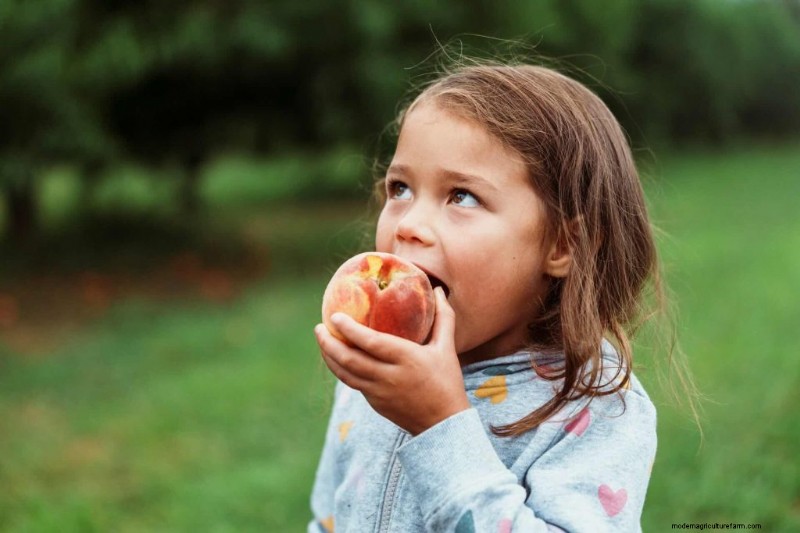
When fruit grows in the garden, on a patio, or even in pots by the door, it becomes part of daily life rather than something that appears briefly in the fruit bowl.
Children see it change over time. They notice flowers turning into fruit, fruit ripening, and the moment it is ready to pick. This visibility creates familiarity, and familiarity often leads to acceptance.
Instead of being told that fruit is good for them, children see it as something they helped grow, which makes them far more likely to eat it without resistance.
One of the most powerful shifts that happens when children grow fruit is the sense of ownership it creates.
When a child has helped water a plant, watched it grow, and waited for fruit to appear, they feel proud of the result. That pride often carries through to eating it.
Children are far more willing to try food they feel connected to. Fruit that they have grown themselves feels special rather than ordinary, and that emotional connection can change long-term attitudes towards healthy choices.
Even children who are usually hesitant about fruit may surprise you when it comes from their own garden.
Growing fruit encourages curiosity rather than pressure around food.
Instead of asking children to eat something because it’s healthy, you can talk about what is growing, how it tastes, and what it might be used for. This approach removes the power struggle that sometimes surrounds mealtimes.
Children naturally want to taste something they have watched grow. That curiosity is often enough to encourage them to try fruit they might otherwise ignore.
This gentle exposure helps build positive associations with healthy foods, without making them feel like a requirement or a rule.
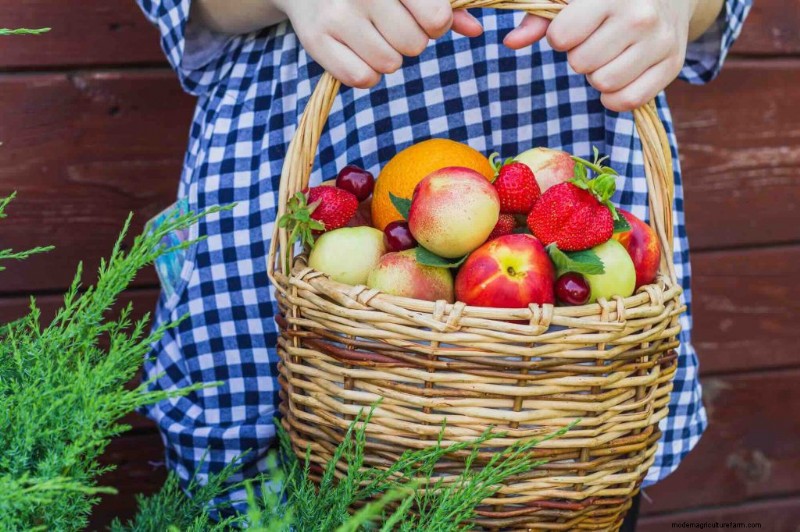
Another benefit of growing fruit at home is variety.
Supermarket fruit tends to be limited to what travels well and keeps for longer. Growing fruit opens up opportunities to try different flavours, textures, and varieties that children may not have encountered before.
Starting with easy-to-grow fruit plants allows you to experiment with options that suit your space and lifestyle. Strawberries, raspberries, blueberries, and fruit trees grown in containers are all accessible ways to introduce variety.
Exposure to different fruits early on helps children develop a broader palate, which can support healthier eating habits over time.
One of the simplest ways growing fruit encourages healthier eating is convenience.
When fruit is growing outside, it becomes an easy snack option. Children can pick a strawberry, a handful of berries, or fruit from a low branch without preparation or packaging.
This ease matters. Children often choose snacks based on what’s quickest and most accessible. Growing your own fruit removes barriers and makes healthy options feel effortless. It also encourages grazing on fresh produce rather than reaching for processed snacks.
Growing fruit teaches children that food is seasonal.
They learn that strawberries arrive in summer, apples in autumn, and that not everything is available all year round. This understanding helps set realistic expectations and builds respect for natural cycles.
Children who understand seasonality often become more patient and more appreciative of food when it’s available. They also learn that healthy eating doesn’t have to look the same all year.
This awareness supports balanced eating habits and reduces reliance on out-of-season or heavily processed options.
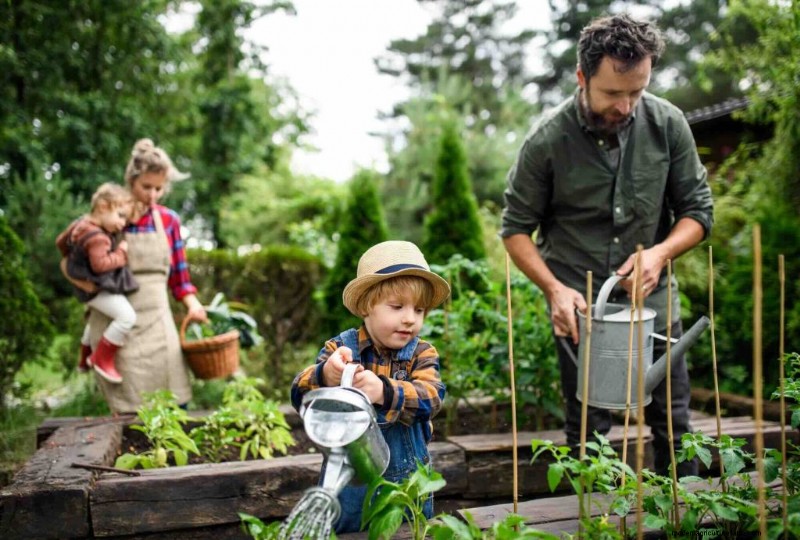
Caring for fruit plants introduces gentle routines into family life.
Watering, checking for ripeness, and harvesting become shared activities that reinforce consistency and responsibility. These routines create natural opportunities to talk about food, nutrition, and choices without formal lessons or lectures.
When children are involved in these processes, healthy eating becomes part of their normal routine rather than something that needs constant encouragement.
Growing fruit often leads to better conversations around meals.
Children may ask questions about how the fruit grew, what else it can be used for, or why it tastes different from shop-bought versions. These conversations can build understanding and interest rather than resistance.
When meals include fruit that children have grown themselves, there’s often a sense of pride and excitement that carries through to the table. This positive atmosphere supports healthier eating in a way that feels natural rather than enforced.
Perhaps the most valuable impact of growing fruit at home is the long-term influence it can have.
Children who grow food are more likely to:
These habits often continue into adulthood, shaping healthier choices later in life.
Growing fruit isn’t about perfection or eliminating treats. It’s about building a balanced relationship with food that feels positive and achievable.
You don’t need a large garden or extensive knowledge to see the benefits of growing fruit at home. Even a small number of plants can make a difference.
By involving children, creating curiosity, and making healthy options accessible, growing fruit supports better eating habits in a way that feels enjoyable rather than forced.
Over time, those small moments of picking, tasting, and sharing fruit help build a healthier relationship with food for the whole family.

Catherine
Catherine is a gardener, plant lover, writer, and award winning author of children’s nature books. Her blog is a Vuelio Top 5 gardening blog and her work has been featured in many online and print publications including Grow Your Own Magazine, House Beautiful, Daily Mail, Tesco Magazine, Suttons, Thompson & Morgan, and many more. She is also a member of the Garden Media Guild.