
Welcome to Modern Agriculture!

Collaborative post
Gardening in an eco-friendly way can help to preserve biodiversity and reduce your carbon footprint. Growing your own produce is a great way to save money and reduce waste while also offering better flavour and more nutrient density.
Use these eco-smart gardening strategies to boost your homegrown produce and live a more sustainable lifestyle.
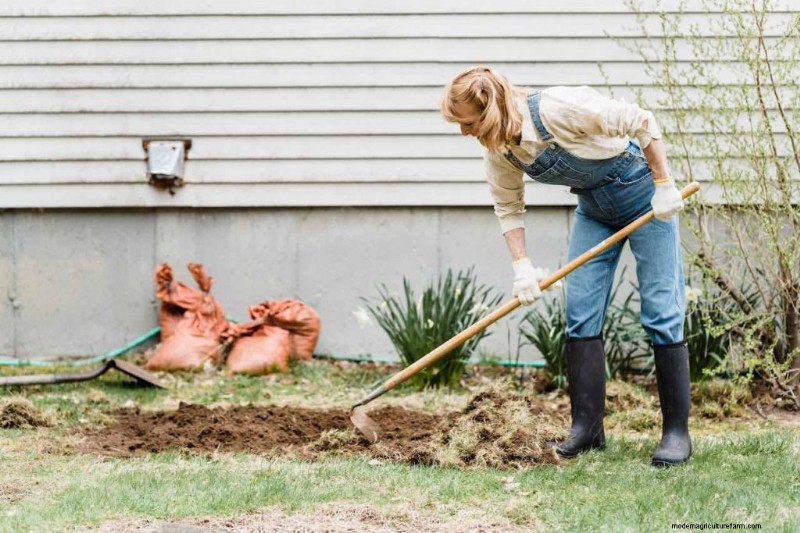
Want to improve your natural yield but stay eco-friendly? You can buy plant-based containers, seeds, microgreen trays, sprouting kits, and grow lights online. You’ll quickly recoup the costs when you start enjoying your eco-friendly, fresh, homegrown produce.
It’s not that difficult to keep gardening supplies eco-friendly. You’ll find a lot of what you need at home. For example, you can repurpose biodegradable packaging and containers for planting seeds and seedlings instead of throwing them away.
You’ve likely heard that buying locally sourced items is the key to sustainability. But growing locally sourced is important, too, because local species are adapted to your particular environment, climate, and soil type.
This is why native plants typically require less water and less maintenance. Grow produce that’s native to your region whenever possible. Keeping things local is an important factor in sustainable, eco-friendly living and gardening.
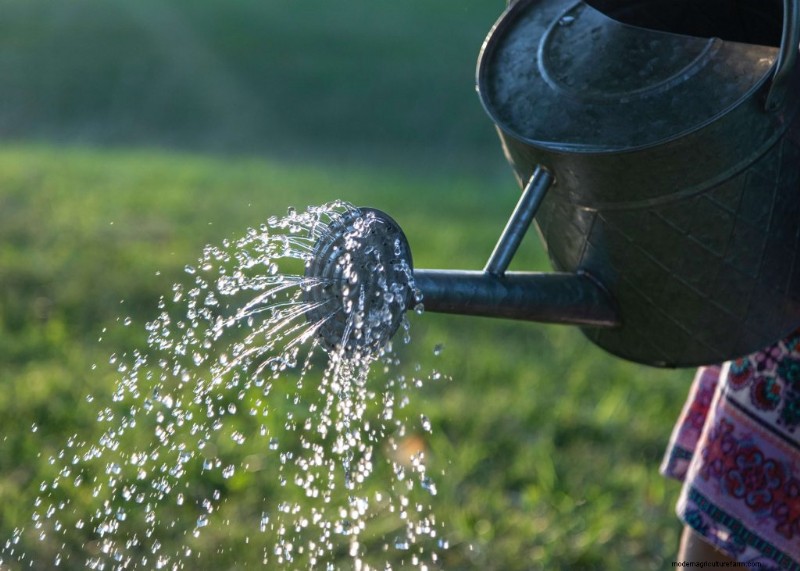
Water is a precious resource, and eco-friendly gardeners do all they can to conserve it. If you collect rainwater, you’ll conserve this all-important resource and still have water to use during drier spells.
Conserving water can also save you money on water bills. That means you’ll have more money to spend on seeds and gardening supplies!
Want to save even more water? Investigate vertical growing techniques. This allows you to grow more produce in small spaces, and it circulates water so none is wasted. Check out our other top gardening tips for maximising small outdoor spaces.
You can help to save the environment through gardening. But the environment can also pose some problems for vegetable growers.
Let’s be honest, there’s nothing worse than when your crop of homegrown produce falls prey to pesky pests. But you don’t have to harm the environment in order to deter those bugs. Natural pest control methods such as crop rotation, eggshell or copper barriers, and companion planting are all effective ways to keep unwanted garden visitors at bay.
Organic fertiliser is another must for any gardener intent on eco-friendly growing. Not only does it prevent harm to the environment, but it also promotes a healthier ecosystem. Want to save some money but still keep it natural? Look online for ideas on making your own organic fertiliser.
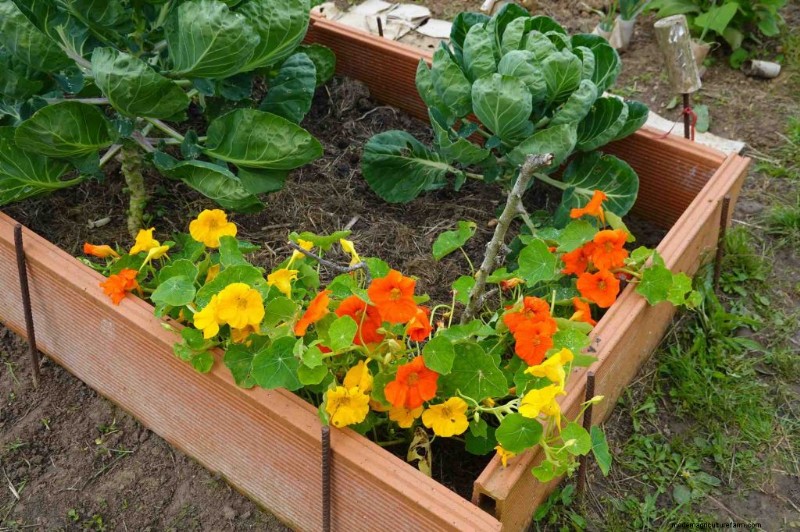
Seasoned gardeners all know the benefits of companion planting. This means planting complementary species together to improve plant health and deter pests. So get your vegetables some good friends and they’ll reward you with healthier crops.
Here are some good plant partnerships for supporting your homegrown produce :
These are just a few examples of companion planting. Do your research and you’ll find many more.
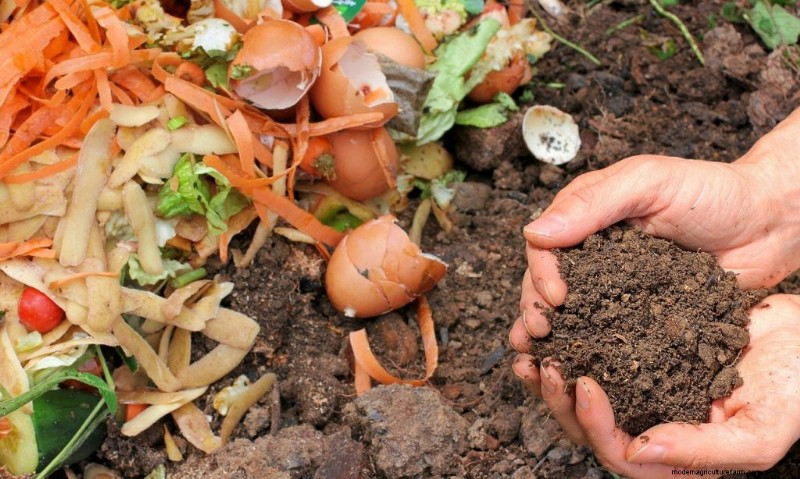
Compost adds essential nutrients like phosphorus, potassium, and nitrogen into the soil. This gives homegrown produce a boost, leading to bigger and healthier yields. And you don’t even have to make a trip to a garden centre, because it’s easy to make your own compost at home.
Create a composting bin for your vegetable garden. Add kitchen waste like vegetable peels and eggshells or used coffee grounds, in moderation. You can even add fallen leaves and grass clippings to your composting heap. It’s one of the best and most eco-friendly ways to deal with garden waste.
If you’re still searching for the ultimate organic soil fertiliser for your garden crops, consider vermicomposting alongside your regular composting. Vermicomposting is composting using earthworm and other worm waste to make a nutrient-rich organic soil conditioner.
It’s easy, eco-friendly, and you’ll find plenty of guidance on vermicomposting for beginners online.
It’s easy to incorporate eco-friendliness into your vegetable garden. All it takes is a commitment to manage the environment in a smarter, kinder way by keeping things natural and organic, and conserving limited resources.
Have you used eco-friendly methods to boost your homegrown produce?

Catherine
Catherine is a gardener, plant lover, writer, and award winning author of children’s nature books. Her blog is a Vuelio Top 5 gardening blog and her work has been featured in many online and print publications including Grow Your Own Magazine, House Beautiful, Daily Mail, Tesco Magazine, Suttons, Thompson & Morgan, and many more. She is also a member of the Garden Media Guild.


