
Welcome to Modern Agriculture!

Planting fall spinach is an excellent way to enjoy fresh greens for many months. Unlike spring-planted spinach, which tends to bolt quickly in the warm weather, planting a fall crop can give you almost a continuous harvest of crisp spinach leaves—providing both an autumn and an early spring crop. When the heat of summer and the majority of the harvest is over, you’ll still have plenty of your own spinach growing in your garden to enjoy.
Here are three reasons why I love growing fall spinach.
This post may contain affiliate links, which simply means I may earn a commission off of links at no extra cost to you. Thank you for supporting my site!
The best time to plant spinach for a fall harvest is about 6-8 weeks before your zone’s last frost date, and when daytime temperatures are falling below 75°F. If you don’t know your last frost date, you can find it here by entering your zip code. For most, this will be in the late summer.
Most varieties of spinach take about 40-50 days to grow, or around 6 weeks. Typically, growth slows down as the weather gets colder. So depending on when you plant, it could take a bit longer to get your first spinach crop.
In the cool weather, these fast-growing plants can provide a continuous harvest of fresh greens even into the winter months. Keep reading for a few ideas to extend your season even in very cold soil temperatures.
Yes, spinach can survive and thrive even in the cold frosts of the autumn months. If your plants are frosty in the morning, wait until a little later in the day to harvest, after the sun has warmed them up a bit.
If you’re planning to use your greens for a smoothie, you can even pick them in the morning and just enjoy them partially frozen.
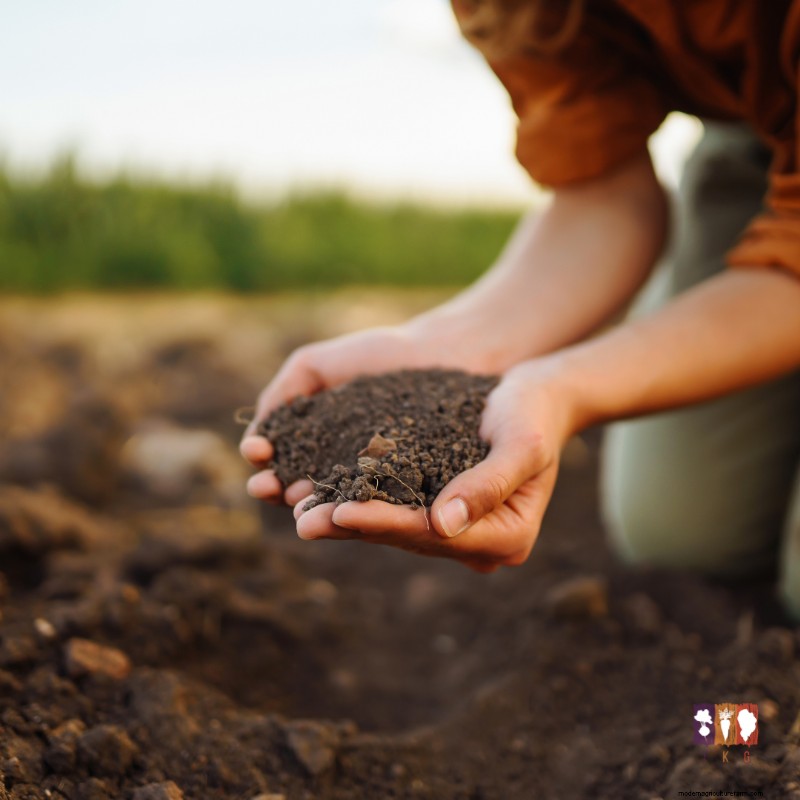
Spinach plants are heavy feeders and do best with fertile soil that’s rich in nitrogen and has good drainage. Before planting, it’s a good idea to amend your soil with rich compost, compost tea, fish emulsion, blood meal, or some other other organic matter.
For best results, plant your spinach in an area that has full sun. 8 hours per day is best. However, spinach plants can also do well in partial shade (4-6 hours of sun per day).
Sow seed directly for the best chance of healthy germination, as spinach seedlings can be fussy and difficult to transplant.
As a general rule, sow spinach seeds about 1/2 inch deep and 2″ apart, or according to your package’s directions. Once the seedlings emerge, thin your young spinach plants to about 6″ apart to give them plenty of room to grow.
Thinning the spinach sprouts in your growing area can also help to avoid downy mildew—a common fungal disease that often plagues these plants. It thrives in moist conditions, so avoiding closer spacing as well as making sure not to overwater are usually the best defenses. Fortunately, downy mildew is also more common in warm weather.
Once you’ve thinned your plants, mulch around them to help keep weeds down as well as to retain soil moisture. Straw or dried grass clippings work well. Leaf mulch is another good choice. Check out my full post on the best mulch for vegetable gardens.
Water every day in the morning until your plants germinate. After germination, you can cut down to watering about 1x per week.
Spinach likes well-drained soil that’s evenly moist but not sopping. In sandy soil, you may need to water a little more often.
For perpetual spinach, harvest the outer leaves with a pair of scissors rather than cutting the entire plant. If you let the new leaves on the inside of the plant continue to grow, you’ll enjoy a continuous spinach harvest!
Depending on where you live, your spinach leaves will stop growing back typically sometime during the fall, or when the daytime temperatures are consistently 20°F or below.
To extend your growing season, you can use a row cover, low tunnel, cold frame, or some other sort of plastic cover to protect your plants during heavy frosts and increase the temperature for more growth. Covering your plants will also help them to bounce back more quickly in the springtime.
When you’re finished harvesting, lay a thick layer of mulch over your plants to help protect them from the winter temperatures. Then, remove it when temperatures start to warm up in the early spring. This will signal your spinach to start growing again.
Here are some of the best varieties for fall planting.
This fall variety holds up very well to the cold winter months. It boasts large leaves that are about the size of swiss chard leaves.
This heirloom variety provides a rich, meaty spinach crop that offers a continuous yield of dark-green leaves. It’s a fast growing crop that reaches maturity in 40-48 days.
Open Pollinated, Heirloom. Spinacia Oleracea. An easy to grow heirloom spinach dating back to 1933, and very popular in Italy. Smooth leaves are large and dark green. Perfect for boiling, canning and freezing.
This variety provides a hearty cool-season crop and produces tender, large leaves.
Looking to round out your fall harvest? Try these other cold-hardy plants:


