
Welcome to Modern Agriculture!

Leaves are a rich source of organic material that contain a myriad of valuable nutrients and are perfect for using in your vegetable garden or flower beds. They improve soil health, moderate temperature, help to retain soil moisture, and suppress weeds, making them a very good mulch that’s also free! Here are some tips for how to use fall leaves as mulch in your garden, and a few more of the many benefits they offer.
The benefits of using leaves – or leaf mulch – in your garden are numerous! They’re great not only for your garden, but also for the environment as a whole.
But first, what exactly is leaf mulch? It’s just fallen, dry leaves that are used on top of or worked into your soil. Leaf mulch can be made up of whole or shredded leaves, or both.
Here are the main reasons why you should consider using your fall leaves to mulch your soil.
Each year as your plants grow, they use nutrients from the soil that need to be replenished. Leaves are an excellent, nutrient-rich compost that is wonderful for returning vitamins and minerals to your garden beds. Some of the macro and micro nutrients that leaves contain include carbon, nitrogen, phosphorus, potassium, calcium, magnesium, sulfur, and more.
In addition to replenishing the soil with important nutrients, leaves can also improve the soil structure over time, transforming rocky, clay, or sandy soil into a more healthful composition.
Leaves are a great way to create an organic mulch that’s living free in your backyard! If you’re already going to be raking leaves anyway, why not put them to good use?
If you don’t have enough trees to collect your own leaves, consider asking a neighbor if they’d be willing to let you collect theirs. It takes quite a bit of time to make your own compost from kitchen scraps and other sources, and it can be expensive to purchase good quality organic matter. So why not use what’s already sitting in your yard?
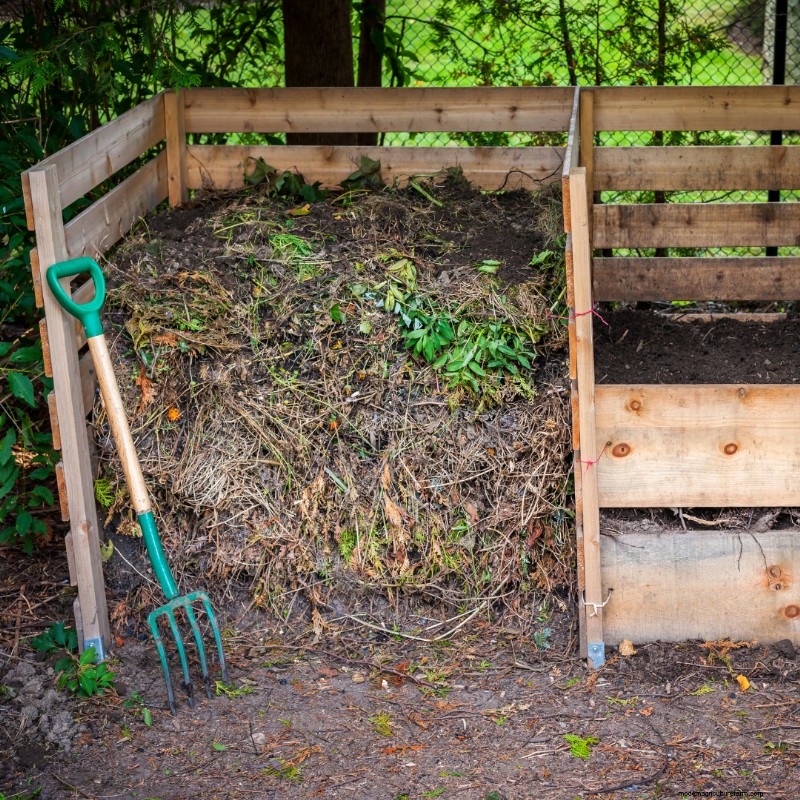
In addition to providing valuable nutrients that assist in plant growth, leaves also improve the soil’s microbiome by protecting insects and fungi that are vital for breaking down the organic matter in your soil, transforming it into fuel that your plants can actually use.
In addition to protecting these microscopic living creatures, a bed of leaves can also provide a protective home for many other beneficial insects and animals. Leaves keep earthworms safe from birds, safeguard frogs, which help control pests, and often help to overwinter moths and butterflies (in varying stages), which will pollinate your garden during the next growing season.
Applying a layer of leaves in the late autumn will also help to insulate the soil during the winter months. A leaf layer that’s a few inches thick will help to regulate the soil temperature as well as insulate any remaining plants. See my short video below of using fall leaves to mulch my beds for winter:
Lastly, dead leaves make an excellent weed barrier! Applying a layer of leaves all over your soil’s surface area is an excellent way to suppress weeds from the get-go, and makes garden prep that much easier the following spring. See my full post of How to Get Rid of Weeds in the Vegetable Garden for more details.
It’s very important to use only leaves that are healthy! Look for trees that don’t show any signs of fungal diseases. This way, you don’t have to risk spreading disease to your plants.
Not all types of tree leaves will work well as mulch the first year. Some need to compost for more than one season before being used in the garden.
Small leaves, including maple leaves, break down quickly and are great for putting on your soil during the fall to compost over the winter.
Oak leaves and beech leaves can take longer to break down, so it’s not a good idea to put whole leaves from these trees on your garden right away. Instead, you can either shred them or create a compost pile to let them break down for a couple years or more before using them. Having un-composted, whole leaves on your garden in the springtime will make it too difficult for some plants to make their way up through the soil
Shredded leaves break down more quickly, which means your soil gets nutrients more quickly. This is especially important for those slow-to-break-down tree leaves.
An easy way to shred large pieces of leaves is to use a lawn mower or mulching mower. You can also use a leaf shredder or simply place your leaves in a large garbage bin, then carefully “blend” them using a grass trimmer.
Some gardeners prefer to keep leaves whole, which can provide better protection for insects and wildlife. Another option is to keep some whole and shred others.
Looking for more gardening tips and helps? Sign up for my free newsletter that comes directly to your inbox each week! Sign up below!


