
Welcome to Modern Agriculture!

Herbaceous perennials and bulbs can be divided to increase vigour to the original plant, or create new plants for free. There are several ways to divide plants – but the easiest to divide are those that naturally form clumps. Examples include heleniums, which grow separate rosettes, each with its own rootball, while Ranunculus aconitifolius readily produces new offsets.
Plants with separate rosettes and fibrous roots, such as primroses, can be dug up and divided as their flowers start to fade, while hostas and other perennials with impenetrable root balls can be cut up with a sharp knife or spade. Don't forget spring bulbs, which can be lifted and prised apart as the foliage dies down.
Other plants to divide in spring include asters, astilbe, astrantias, Geranium himalayense and Sanguisorba menziesii. Watch as Carol Klein demonstrates how to divide a hardy geranium:
Total time: 45 minutes
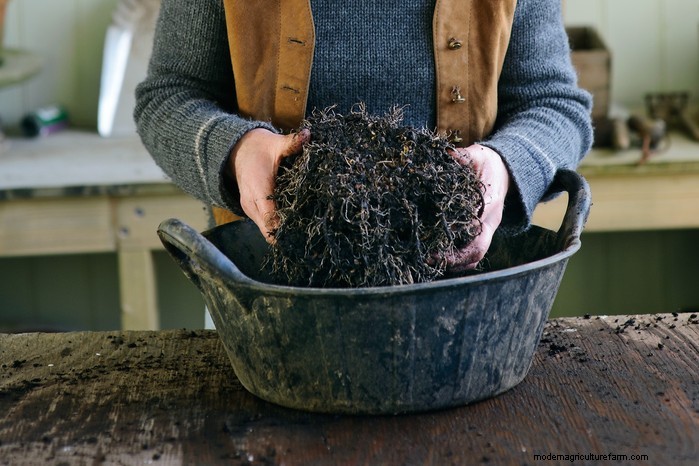
Herbaceous perennial with rootball exposed
Divide perennial plants when they're dormant. Dig up the whole clump using a garden fork and shake off any surplus soil.
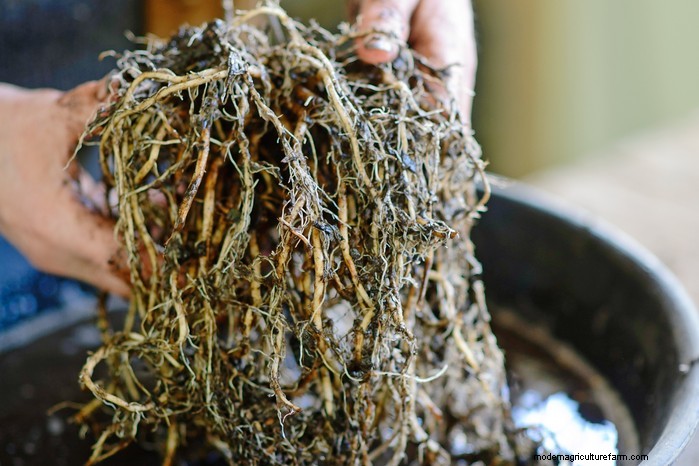
Dividing the rootball of a plant
Wash soil from the clump to reveal the roots and embryonic shoots. To get the maximum number of plants from your clump, separate out each chunk making sure it has one new shoot at the top.
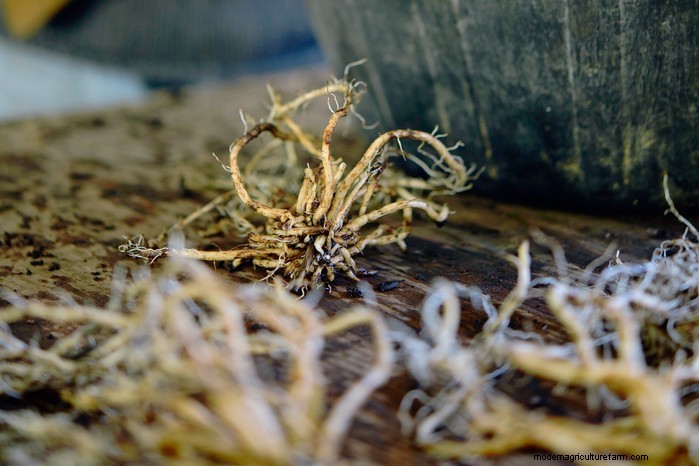
Individual clumps of root
Pot chunks individually or plant them out in rows on spare ground. Keep the plants watered and fed, growing them on to a larger size before planting out into their final positions in autumn.


